

Odontomachus latidens
- Scientific Name
- Odontomachus latidens
- Tribe
- Ponerini
- Subfamily
- Ponerinae
- Author
- Mayr, 1867
- Distribution
- Found in 2 countries
Odontomachus latidens Overview
Odontomachus latidens is an ant species of the genus Odontomachus. It is primarily documented in 2 countries , including Indonesia, Malaysia. Detailed taxonomic data and occurrence records can be further explored via authoritative databases such as AntWeb or the Global Biodiversity Information Facility (GBIF).
Odontomachus latidens
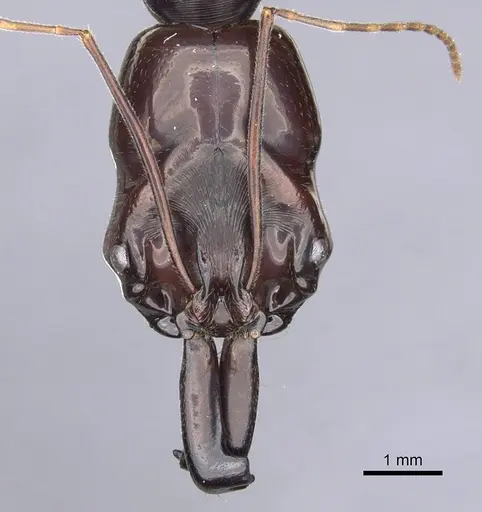
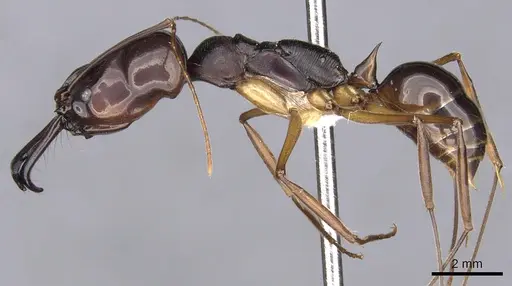
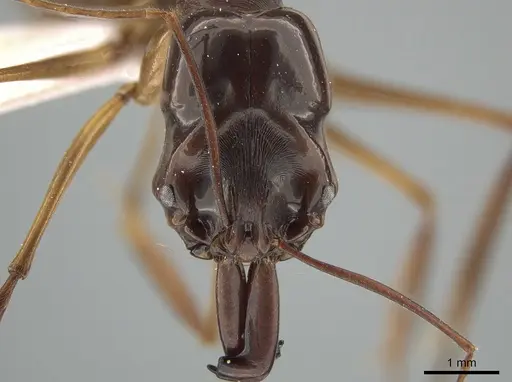
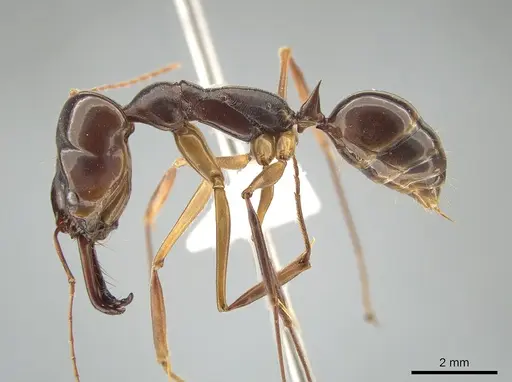
Odontomachus latidens is a relatively large trap-jaw ant species native to Southeast Asia, found in Indonesia (Java, Sumatra), Malaysia, and Thailand. Workers measure 3.23-4.05 mm in head length with a robust reddish-brown to brown body, darker gaster, and yellowish-brown legs. They inhabit secondary and primary forests in highland areas around 800-1300 meters elevation, nesting in soil near the base of living trees. This species belongs to the Odontomachus rixosus species group and is known for its powerful trap-jaw mandibles that can snap shut at extreme speeds to capture prey or defend the colony [1][2].
Quick Summary
- Difficulty: Medium
- Origin & Habitat: Southeast Asia, Indonesia (Java, Sumatra), Malaysia (Peninsula, Sabah), and Thailand. Inhabits secondary and primary forests in highlands at approximately 800-1300m elevation, nesting in soil near the base of living trees [1][3][4].
- Colony Type: Monogyne (single queen colony), queens are larger than workers (HW 2.89-2.99mm vs worker HW 2.43-3.13mm) with fully developed wings for nuptial flights [1].
- Colony: Monogyne
- Founding: Claustral
- Size & Growth:
- Queen: HW 2.89-2.99 mm, HL 3.60-3.95 mm [1]
- Worker: HL 3.23-4.05 mm, WL 3.50-4.30 mm [1]
- Colony: Colony size is unconfirmed but related species in the rixosus group typically reach several hundred workers. Estimated moderate growth rate based on worker size [1].
- Growth: Moderate, based on typical Ponerinae development patterns and worker size [1]
- Development: Estimated 8-12 weeks at optimal temperature based on related Ponerinae species development (Development time is estimated from genus-level patterns since specific timing for O. latidens has not been documented. Larger Ponerinae species like Odontomachus typically take longer than smaller ants.)
- Antkeeping:
- Temperature: Keep at 22-26°C. As a highland forest species from 800-1300m elevation, they prefer cooler conditions than lowland tropical ants. Avoid temperatures above 28°C [1].
- Humidity: Keep substrate moderately moist but not waterlogged. Forest floor conditions with some dry areas available. Aim for 60-80% humidity in the nest area [1].
- Diapause: Unknown, highland species may have reduced activity during cooler months but specific diapause requirements are unconfirmed.
- Nesting: Soil-nesting species that prefer naturalistic setups with moist substrate. Y-tong nests with narrow chambers or plaster nests work well. Provide a water tube for humidity and keep the nest area dark [1][4].
- Behavior: Trap-jaw ants with powerful mandibles used for capturing prey. They are predatory and will actively hunt live insects. Workers are moderately aggressive when defending the colony. They have good escape prevention needs due to their size, use standard barriers. Their mandibles can deliver a painful snap if handled carelessly [5][6].
- Common Issues: highland origin means they may struggle in warm, dry conditions, keep cool, predatory nature requires constant access to live prey, dead insects alone often not accepted, soil-nesting means they need deep substrate or a naturalistic setup to feel secure, queens are large and need spacious founding chambers, avoid cramped test tubes, stress-sensitive during founding, minimize disturbances
Housing and Nest Setup
Odontomachus latidens is a soil-nesting species that naturally nests at the base of living trees in highland forest environments. For captive care, naturalistic setups with deep, moist substrate work best, a mix of soil and sand or an acrylic formicarium with soil chambers. Y-tong nests with narrow passages also work well since they mimic the tight soil chambers these ants prefer in the wild. Provide a water tube or moisture reservoir to maintain humidity, and keep the nest area relatively dark, these ants are ground-dwellers that avoid bright light. The outworld should be escape-proof with a barrier like fluon, though these ants are large enough that standard barriers are usually sufficient. A foraging area with live prey access is essential since they are active predators. [1][4]
Feeding and Diet
As predatory trap-jaw ants, O. latidens primarily hunts live prey. Their diet should consist mainly of small live insects like fruit flies, pinhead crickets, mealworms, and other small arthropods. They use their powerful trap-jaw mandibles to capture and subdue prey quickly. While they may accept some protein sources like crushed insects or small pieces of meat, live prey is essential for maintaining healthy, active colonies. Sugar sources like honey or sugar water are sometimes accepted for energy, but protein from live prey is the foundation of their diet. Feed every 2-3 days with prey appropriate to colony size, more frequently for growing colonies with brood. [5][6][4]
Temperature and Seasonal Care
This species comes from highland forests at 800-1300 meters elevation, which means they prefer cooler conditions than typical tropical ants. Keep temperatures in the range of 22-26°C, avoiding sustained temperatures above 28°C. A slight temperature gradient in the nest allows the colony to self-regulate. Since they come from a region with seasonal variation, they may benefit from a slight cooling period during winter months, though specific diapause requirements are not documented. Room temperature within their preferred range is usually adequate, but a heating cable on one side of the nest can help maintain stability during cooler months. Monitor colony activity, if workers become sluggish and cluster together, the temperature may be too low. [1][4]
Behavior and Defense
Odontomachus latidens is a trap-jaw ant species, meaning workers have specialized mandibles that can snap shut at extremely high speeds, one of the fastest animal movements known. They use this mechanism both for capturing prey and defending the colony. When threatened, workers may snap their jaws defensively. While not typically aggressive toward keepers, they can deliver a noticeable pinch if handled improperly. Workers are moderately active foragers that hunt individually rather than recruiting in large groups. They are not supercolonial and maintain typical colony boundaries. The colony will establish a central nest site and forage into the surrounding area. [5][6][4]
Colony Founding
Like most Ponerinae ants, O. latidens queens are claustral founders, after mating during nuptial flights, the queen seals herself in a chamber underground and raises the first brood using stored fat reserves. She does not leave to forage during this period. The founding chamber should be spacious enough for the queen to move freely and for the first workers to develop. After the first workers (nanitics) emerge, the colony expands and the queen transitions to egg-laying full-time. Founding colonies are sensitive to disturbance and should be kept in dark, humid conditions with minimal handling. Expect 6-12 weeks before the first workers emerge, depending on temperature. [1][4]
Frequently Asked Questions
How long does it take for Odontomachus latidens to get their first workers?
Expect 8-12 weeks from egg to first worker at optimal temperature (around 24°C). This is typical for larger Ponerinae species. The queen will remain sealed in her chamber until the first nanitic workers emerge.
What do Odontomachus latidens ants eat?
They are predatory ants that primarily hunt live prey. Offer small live insects like fruit flies, pinhead crickets, and mealworms. They may accept honey or sugar water occasionally, but live protein is essential for colony health.
Are Odontomachus latidens good for beginners?
This is a medium-difficulty species. They are more demanding than common Lasius or Camponotus species due to their need for live prey and specific temperature requirements. However, they are not as difficult as some specialized predators. Experience with at least one founding colony first is recommended.
What temperature do Odontomachus latidens need?
Keep them at 22-26°C. As a highland species from 800-1300m elevation, they prefer cooler conditions than typical tropical ants. Avoid temperatures above 28°C.
Can I keep multiple Odontomachus latidens queens together?
This species is monogyne, colonies have a single queen. Combining unrelated foundress queens is not recommended as they would likely fight. Only one queen per colony.
How big do Odontomachus latidens colonies get?
Colony size is not well documented, but related species in the rixosus group typically reach several hundred workers. Expect moderate growth over 1-2 years to reach 100-300 workers.
What type of nest is best for Odontomachus latidens?
Soil-based naturalistic setups work best since they naturally nest in soil at tree bases. Y-tong nests with narrow chambers or plaster nests with moist substrate are good alternatives. They prefer dark, humid conditions.
Do Odontomachus latidens need hibernation?
Specific diapause requirements are unconfirmed. As a highland species, they may have reduced activity during cooler months. A slight temperature reduction (to around 18-20°C) for 2-3 months during winter may be beneficial but is not strictly required.
Why is my Odontomachus latidens colony declining?
Common causes include: too high temperature (above 28°C), low humidity, lack of live prey, or disturbance during founding. Check that the nest substrate is moist but not waterlogged, temperatures are in the 22-26°C range, and prey is being provided regularly.
References

This caresheet is licensed under CC BY-SA 4.0 .
CASENT0901976
View on AntWeb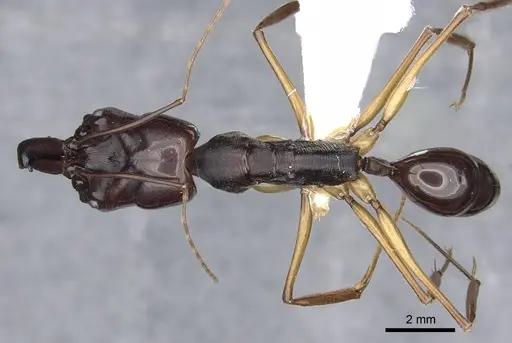
ZRC
View on AntWeb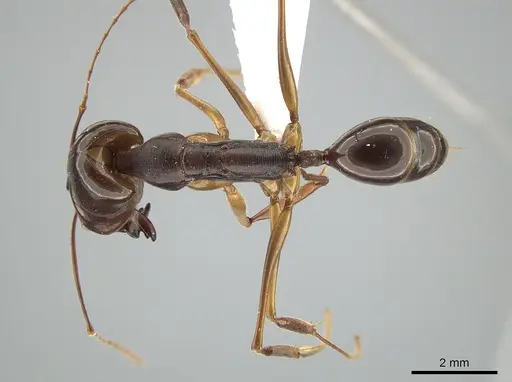
Literature
Loading...Loading products...