

Odontomachus fulgidus
- Scientific Name
- Odontomachus fulgidus
- Tribe
- Ponerini
- Subfamily
- Ponerinae
- Author
- Wang, 1993
- Distribution
- Found in 1 countries
Odontomachus fulgidus Overview
Odontomachus fulgidus is an ant species of the genus Odontomachus. It is primarily documented in 1 countries , including China. Detailed taxonomic data and occurrence records can be further explored via authoritative databases such as AntWeb or the Global Biodiversity Information Facility (GBIF).
Odontomachus fulgidus
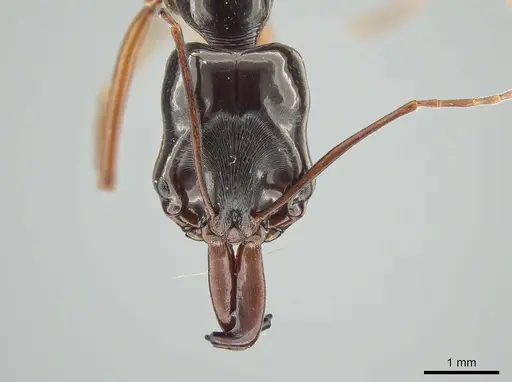
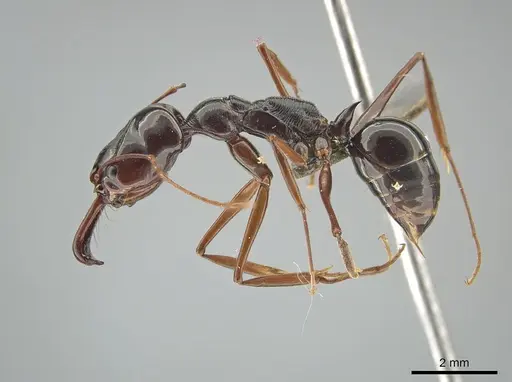
Odontomachus fulgidus is a medium-sized trap-jaw ant belonging to the rixosus species group. Workers measure around 9-12mm with the characteristic large, powerful mandibles that give these ants their common name. The species was described from Guizhou Province, China at an elevation of 1050m, and has more recently been recorded in Yunnan Province. The key identification features include transverse ridges on the dorsum of the propodeum (the middle body section) and relatively long, sharp apical teeth on the mandibles. As with all Odontomachus species, they possess specialized trap-jaw mandibles capable of extremely rapid snapping movements used for capturing prey and defense.
Quick Summary
- Difficulty: Medium
- Origin & Habitat: Native to southern and southwestern China (Guizhou, Yunnan provinces). Found in forested habitats at moderate elevations around 1000-1050m. The region features humid, subtropical forest conditions with distinct seasons.
- Colony Type: Colony structure is unconfirmed. Based on typical genus patterns, likely single-queen (monogyne) colonies, though this has not been directly documented for this species.
- Size & Growth:
- Queen: Approximately 12-14mm (estimated based on genus patterns)
- Worker: 9-12mm [1]
- Colony: Likely several hundred workers based on typical colony sizes in the rixosus group
- Growth: Moderate, estimated based on related species
- Development: 6-10 weeks (estimated based on typical Odontomachus development) (Development time is not specifically documented for this species. Related Odontomachus species typically take 6-10 weeks from egg to first worker at warm temperatures.)
- Antkeeping:
- Temperature: Keep nest area around 24-28°C with a slight gradient. These are subtropical ants that benefit from warmth but not extreme heat. Room temperature (22-26°C) is typically suitable, with a heating cable on one side of the nest to create options.
- Humidity: Maintain moderate to high humidity, aim for 60-80%. Keep the nest substrate consistently moist but not waterlogged. Provide a water tube as a drinking source.
- Diapause: Yes, based on the temperate/subtropical distribution in China, colonies likely require a winter rest period. Reduce temperature to around 15-18°C for 2-3 months during winter.
- Nesting: In captivity, they do well in Y-tong (AAC), plaster, or naturalistic setups with moist substrate. They prefer dark, humid nest chambers. Provide a foraging area with moderate floor space. Given their size, chambers should be appropriately scaled.
- Behavior: Odontomachus fulgidus is a predatory ant species with active foraging behavior. Workers hunt using their powerful trap-jaw mandibles, which can snap shut in milliseconds when triggered by prey. They are moderately aggressive when defending the nest but typically non-aggressive toward keepers. Workers are fast-moving and will readily hunt small invertebrates. Escape prevention is important, while not among the smallest ants, they are agile and can escape through standard gaps if not properly sealed.
- Common Issues: Limited availability, this species is rarely available in the antkeeping hobby due to restricted distribution and limited documentation, Escape risk, active foragers that will exploit any gaps in their enclosure, Feeding requirements, as predators, they need regular live or frozen prey, not just sugar water, Humidity management, too dry and colonies struggle, too wet and mold becomes an issue, Winter dormancy, failure to provide proper diapause may weaken colonies over time
Appearance and Identification
Odontomachus fulgidus workers are medium-sized ants measuring approximately 9-12mm. They feature the distinctive large, powerful mandibles characteristic of trap-jaw ants, these can snap shut at incredible speeds to capture prey. The key identifying features include transverse ridges on the propodeum dorsum (the rear portion of the mesosoma) and relatively long, sharp apical teeth on the mandibles compared to similar species like O. linearis. The body coloration is typically dark brown to blackish with lighter appendages. Queens are larger at approximately 12-14mm and possess fully developed wings until after mating. [1]
Natural History and Distribution
This species is native to southern and southwestern China, specifically documented from Guizhou Province (type locality at Leishan County,1050m elevation) and more recently recorded in Yunnan Province. The distribution falls within the Palaearctic region, and the species is part of the rixosus group which ranges from Japan and China through northern Indo-China to northeastern India. They inhabit forested areas at moderate elevations where humidity is typically high. The specific nesting biology in the wild is not documented, but related species typically nest in soil or rotting wood in shaded locations.
Feeding and Diet
Odontomachus fulgidus is a predatory ant species. In captivity, they should be fed a diet primarily consisting of small live or frozen invertebrates such as fruit flies, small crickets, mealworms, and other appropriately-sized prey items. They will also typically accept sugar water or honey as an energy source. Feed protein prey 2-3 times per week, and keep a constant supply of sugar water available. Unlike some ants that can survive on carbohydrates alone, these predators need regular protein to raise brood successfully. Uneaten prey should be removed within 24-48 hours to prevent mold issues.
Temperature and Seasonal Care
Maintain nest temperatures around 24-28°C for optimal brood development. A temperature gradient allows the colony to regulate its own conditions, place a heating cable on one side of the nest, covering only about 1/3 of the setup. During winter months (roughly November through February in the Northern Hemisphere), reduce temperatures to approximately 15-18°C to provide a diapause period. This winter rest is important for colony health and may trigger reproductive behavior in spring. Do not cool them suddenly, reduce temperature gradually over 1-2 weeks.
Housing and Nest Setup
These ants do well in Y-tong (AAC), plaster, or naturalistic setups with moist substrate. Provide nest chambers that are appropriately sized for their 9-12mm workers, not too cramped but not excessively large either. The nest should be kept dark (cover the viewing sides) and maintain humidity. A water tube should always be available for drinking. The outworld (foraging area) should have moderate space with a secure lid, these are active, fast-moving ants that will explore and attempt escape. Use fluon or other barriers on the rim of the formicarium to prevent escapes.
Trap-jaw Mechanism
One of the most fascinating aspects of keeping Odontomachus species is observing their specialized mandibles. These ants possess a trap-jaw mechanism where the large mandibles can snap shut in as little as 0.13 milliseconds, among the fastest animal movements known. The jaws are triggered by sensory hairs on the inner surface of the mandibles. When triggered, they can propel the ant backward several centimeters, which serves both for capturing prey and defending against predators. In captivity, you may observe this behavior when workers are startled or when hunting prey.
Frequently Asked Questions
How long does it take for Odontomachus fulgidus to produce first workers?
The exact timeline is not documented for this species, but based on typical Odontomachus development, expect 6-10 weeks from egg to first worker at optimal temperatures (around 26°C). The founding queen will need to hunt for food during the founding period since they are likely semi-claustral.
What do I feed Odontomachus fulgidus?
Feed them small invertebrates like fruit flies, small crickets, mealworms, and similar prey items 2-3 times per week. They also accept sugar water or honey for carbohydrates. Protein is essential for brood development, they cannot survive on sugar alone like some ants.
Are Odontomachus fulgidus good for beginners?
This species is rated as medium difficulty. While not the most challenging ant to keep, they do have specific requirements: regular live/frozen prey, higher humidity, and a winter diapause period. They are also less commonly available than more established hobby species. Not recommended as a first ant, but manageable for intermediate keepers.
Do Odontomachus fulgidus need hibernation?
Yes, based on their distribution in temperate/southern China, they require a winter rest period. Reduce temperatures to around 15-18°C for 2-3 months during winter (typically November-February). Gradually reduce and increase temperature to avoid shocking the colony.
Can I keep multiple Odontomachus fulgidus queens together?
Colony structure is not documented for this species. Based on typical genus patterns, they likely form single-queen colonies. Combining unrelated foundress queens is not recommended as it has not been studied and could result in fighting.
How big do Odontomachus fulgidus colonies get?
Colony size is not specifically documented, but based on related species in the rixosus group, colonies likely reach several hundred workers. Growth is moderate, expect several years to reach mature colony size.
What temperature range is best for Odontomachus fulgidus?
Keep the nest area at 24-28°C with a gradient. Room temperature (22-26°C) is typically suitable, with a heating cable on one side to provide warmer options. Avoid temperatures above 32°C or below 18°C for extended periods.
Why is my Odontomachus fulgidus colony declining?
Common causes include: insufficient protein (they need regular prey, not just sugar), improper humidity (too dry causes decline), stress from excessive disturbance, or failure to provide winter diapause. Also check for escapees, these are active, fast ants that exploit any gaps.
Is Odontomachus fulgidus available in the antkeeping hobby?
This species is rarely available. Its restricted distribution in southwestern China and limited documentation means it is uncommon in commercial ant trade. Related and more commonly kept species like Odontomachus bauri or Odontomachus rixosus may be more accessible alternatives.
References

This caresheet is licensed under CC BY-SA 4.0 .
MCZ-ENT00760009
View on AntWeb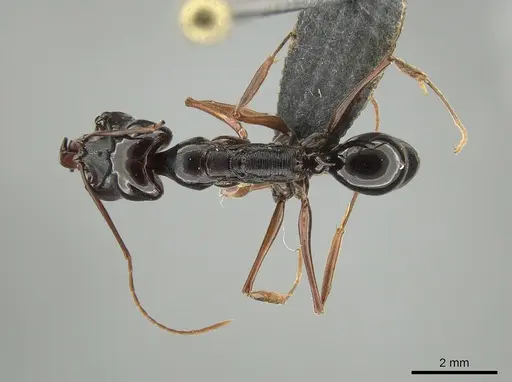
Literature
Loading...Loading products...