

Odontomachus animosus
- Scientific Name
- Odontomachus animosus
- Tribe
- Ponerini
- Subfamily
- Ponerinae
- Author
- Smith, 1860
- Distribution
- Found in 1 countries
Odontomachus animosus Overview
Odontomachus animosus is an ant species of the genus Odontomachus. It is primarily documented in 1 countries , including Papua New Guinea. Detailed taxonomic data and occurrence records can be further explored via authoritative databases such as AntWeb or the Global Biodiversity Information Facility (GBIF).
Odontomachus animosus
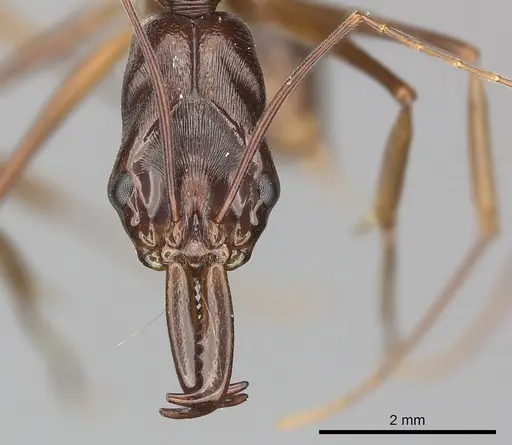
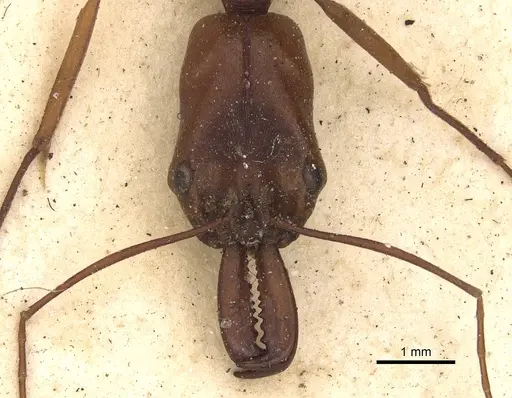
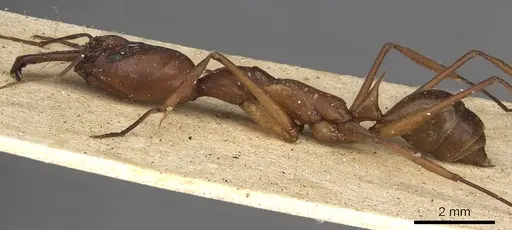
Odontomachus animosus is a trap-jaw ant species native to New Guinea and surrounding islands in the Australasian region. Workers measure approximately 10-11mm with a rusty ferruginous (reddish-brown) coloration. They have the characteristic trap-jaw mandibles of the genus, with a deeply impressed channel running along the head and a distinctive long upright spine on the petiole (the narrow waist segment). The thorax shows fine transverse striations. This species belongs to the saevissimus species group and the Odontomachus infandus group [1][2].
As a trap-jaw ant, O. animosus possesses specialized mandibles capable of snapping shut with incredible speed to capture prey. These ants are predatory, hunting small invertebrates in their forest floor habitat. While not as widely kept in captivity as some other Odontomachus species, they represent an interesting option for antkeepers interested in predatory Ponerine ants.
Quick Summary
- Difficulty: Medium
- Origin & Habitat: Native to New Guinea (Irian Jaya/Manokwari region) and nearby islands including Aru. Found in the Australasian region, specifically Indonesia [3][1]. Natural habitat is likely tropical forest floor where they hunt as predators.
- Colony Type: Colony structure is not well documented for this specific species. Based on typical Odontomachus patterns, likely monogyne (single queen colonies) with claustral founding. Related species in this genus typically have single queens that seal themselves in to raise the first workers alone.
- Colony: Monogyne
- Founding: Claustral
- Size & Growth:
- Queen: Approximately 12-14mm (estimated based on genus patterns for large trap-jaw ants)
- Worker: Approximately 10-11mm (5 lines) [1]
- Colony: Likely several hundred workers based on typical colony sizes for this genus
- Growth: Moderate, Ponerine ants typically develop slower than many Myrmicines
- Development: 8-12 weeks (estimated based on related Odontomachus species development at tropical temperatures) (Development time is estimated from related species in the genus. Warmer temperatures within the safe range may accelerate development slightly.)
- Antkeeping:
- Temperature: Keep at 24-28°C. As a tropical New Guinea species, they need warm conditions. A heating cable on one side of the nest creates a gentle gradient allowing the ants to self-regulate.
- Humidity: Moderate to high humidity (60-80%). Keep the nest substrate consistently moist but not waterlogged. These forest-floor ants benefit from damp conditions but avoid standing water.
- Diapause: Unlikely, as a tropical species from near the equator, they probably do not require a true hibernation diapause. However, slight temperature reduction during cooler months may be appropriate.
- Nesting: In captivity, they do well in Y-tong (acrylic) nests or well-moistened plaster nests. Provide a dark, quiet nesting area. As predators, they need access to the outworld for hunting. A naturalistic setup with moist substrate also works well.
- Behavior: Trap-jaw ants are active predators. They hunt using their powerful mandibles to snap shut on prey. Workers are moderately aggressive when defending the colony but typically won't attack unless the nest is threatened. They are moderate escape artists, their large size makes them visible, but they can still squeeze through small gaps. Excellent escape prevention is recommended. They are primarily nocturnal or crepuscular, becoming more active during dim lighting conditions.
- Common Issues: slow colony development can frustrate beginners, Ponerines simply grow slower than many common ant species, predatory diet requirements mean they need regular live prey, they cannot survive on sugar alone like some ants, humidity control is critical, too dry and colonies fail, too wet and mold becomes a problem, wild-caught colonies may have parasites that can devastate captive populations, queens can be difficult to locate as they nest in concealed forest floor locations
Housing and Nest Setup
Odontomachus animosus does well in Y-tong (acrylic) nests or moistened plaster nests. The nest should have chambers appropriately sized for their body size, not too large, as these ants prefer snug spaces. Provide a dark nesting area as they prefer dim conditions. The outworld (foraging area) should be spacious enough for hunting and should include substrate or a hunting area where you can place live prey. Use a water test tube as a hydration source. Escape prevention should be good, while their large size makes them visible, they can still fit through surprisingly small gaps when determined. Apply fluon or similar barrier to the rim of the outworld.
Feeding and Diet
As predatory trap-jaw ants, they require live prey. Offer small insects such as fruit flies, small crickets, mealworms, and other appropriately-sized arthropods. Prey should be small enough for workers to handle, generally no larger than the ant's head width. They are likely to accept a wide range of small invertebrates. Sugar sources may be accepted occasionally but are not a primary food source, these are strict predators. Feed prey 2-3 times per week, adjusting based on colony size and consumption rate. Remove uneaten prey after 24 hours to prevent mold.
Temperature and Heating
Maintain temperatures between 24-28°C. As a tropical species from New Guinea, they need consistent warmth. A heating cable placed on one side of the nest creates a thermal gradient, the ants will move to their preferred temperature zone. Avoid temperatures above 32°C or below 20°C for extended periods. Room temperature in most homes may be too cool, so supplemental heating is often necessary. Monitor with a thermometer placed near the nest.
Humidity and Moisture
Keep humidity in the 60-80% range. The nest substrate should remain consistently moist, check regularly and add water when the surface begins drying. However, avoid waterlogging which leads to mold and bacterial problems. A water test tube provides a constant humidity source. Mist the outworld occasionally, especially if it dries out. These forest-floor ants evolved in humid tropical conditions, so consistent moisture is important for brood development.
Trap-Jaw Behavior
The defining feature of Odontomachus ants is their trap-jaw mechanism. Their mandibles can snap shut at incredible speeds (among the fastest animal movements) to capture prey. When keeping these ants, observe this behavior, it's fascinating to watch them locate and strike prey. They are not typically aggressive toward humans but can deliver a painful bite if handled roughly or if the nest is threatened. They are more likely to flee than fight when disturbed. Their large size and distinctive appearance make them an impressive species to observe.
Frequently Asked Questions
How long does it take for Odontomachus animosus to raise first workers?
Based on related species, expect 8-12 weeks from egg to first worker (nanitic) at optimal tropical temperatures (around 26°C). Development is slower than many common ant species, so patience is required.
What do Odontomachus animosus ants eat?
They are strict predators that require live prey. Feed small insects like fruit flies, small crickets, mealworms, and other tiny arthropods. Sugar water may be occasionally accepted but should not be a primary food source.
Are Odontomachus animosus good for beginners?
They are rated as medium difficulty. While not as challenging as some exotic species, they require more attention to humidity and temperature than beginner species. Their predatory diet and slower growth may frustrate new antkeepers.
Can I keep multiple Odontomachus animosus queens together?
This has not been documented for this specific species. Based on typical Odontomachus behavior, they are likely monogyne (single queen). Combining unrelated queens is not recommended as they would likely fight.
What temperature do Odontomachus animosus need?
Keep them at 24-28°C. As tropical New Guinea ants, they need consistent warmth. A heating cable on part of the nest helps maintain proper temperatures, especially in cooler climates.
How big do Odontomachus animosus colonies get?
Based on related species, colonies likely reach several hundred workers over time. Growth is moderate to slow compared to many ant species.
Do Odontomachus animosus need hibernation?
Unlikely, as a tropical species from near the equator, they probably do not require a true hibernation diapause. Slight seasonal temperature variation may be appropriate but is not necessary.
When should I move Odontomachus animosus to a formicarium?
Wait until the colony has at least 20-30 workers before moving. Ponerines can be sensitive to disturbance during founding and early growth. A test tube setup works well for the founding phase.
Why are my Odontomachus animosus dying?
Common causes include: too low humidity (keep substrate moist), temperatures outside their 24-28°C range, insufficient live prey, or parasites from wild-caught colonies. Check all parameters and ensure prey is being consumed.
References

This caresheet is licensed under CC BY-SA 4.0 .
CASENT0270616
View on AntWeb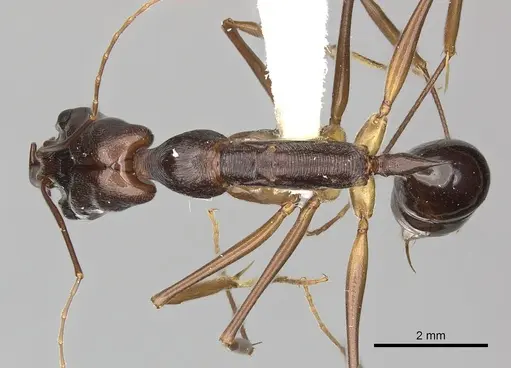
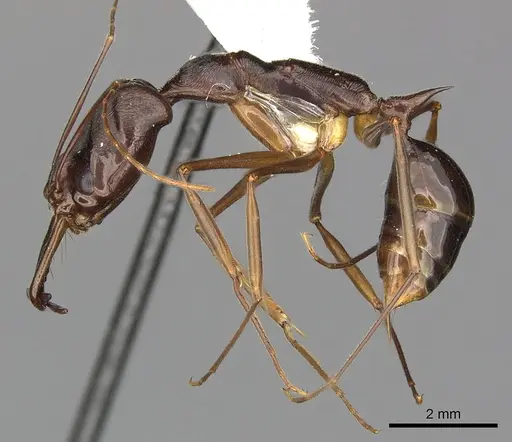
CASENT0901333
View on AntWeb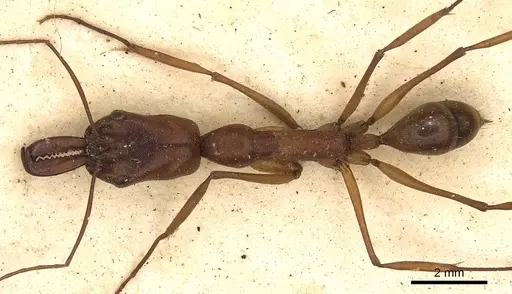
Literature
Loading...Loading products...