

Odontomachus angulatus
- Scientific Name
- Odontomachus angulatus
- Tribe
- Ponerini
- Subfamily
- Ponerinae
- Author
- Mayr, 1866
- Distribution
- Found in 2 countries
Odontomachus angulatus Overview
Odontomachus angulatus is an ant species of the genus Odontomachus. It is primarily documented in 2 countries , including Fiji, Wallis and Futuna. Detailed taxonomic data and occurrence records can be further explored via authoritative databases such as AntWeb or the Global Biodiversity Information Facility (GBIF).
Odontomachus angulatus
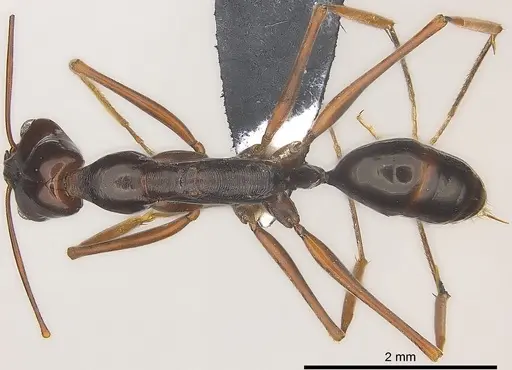
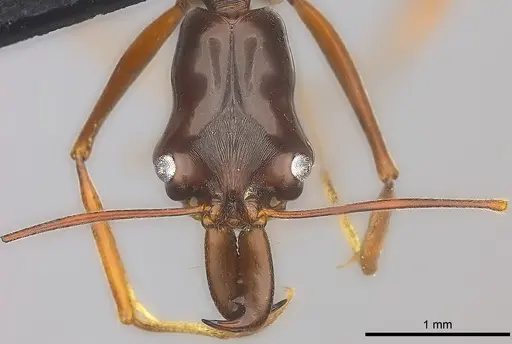
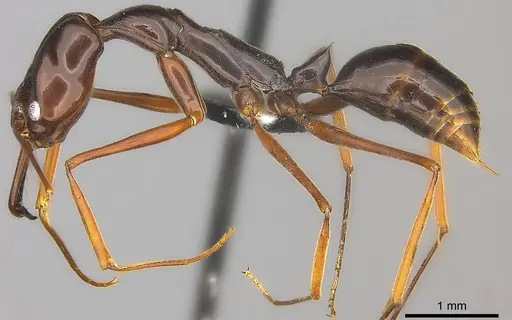
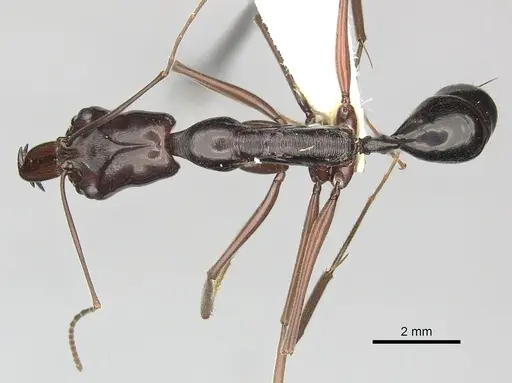
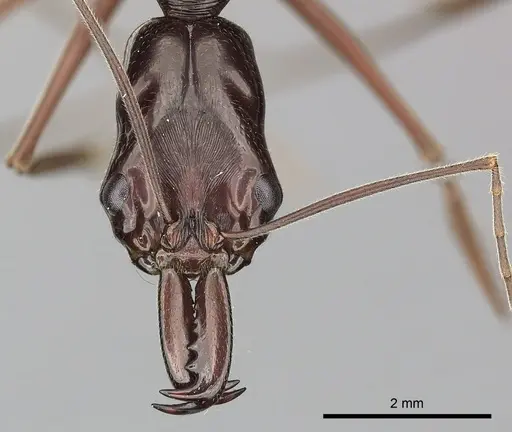
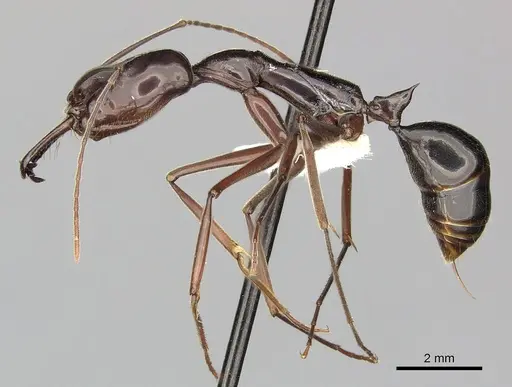
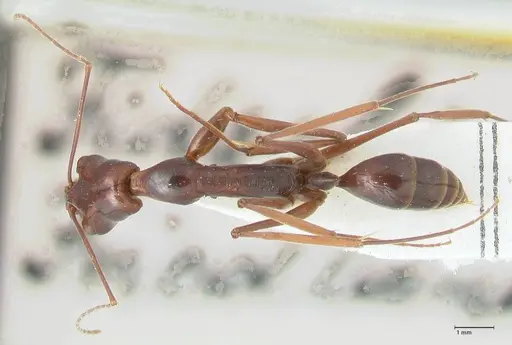
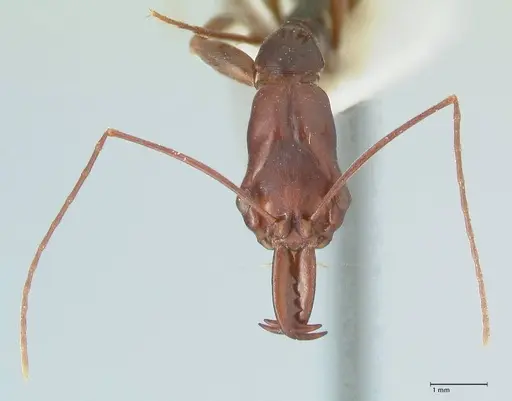
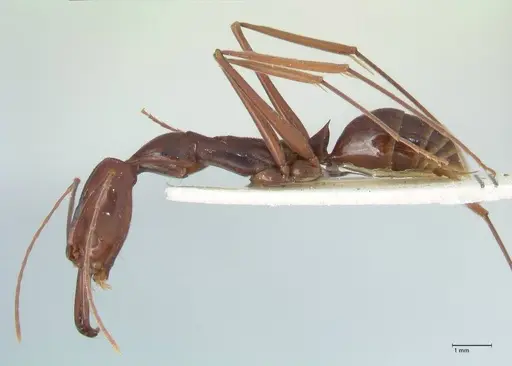
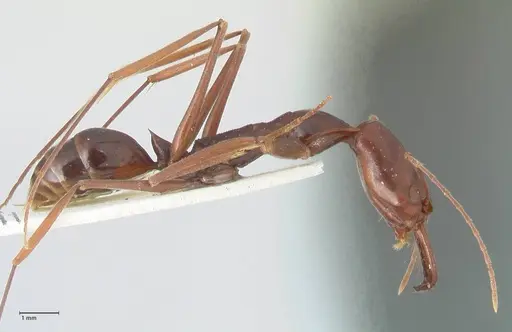
Odontomachus angulatus is a medium-sized trap-jaw ant endemic to Fiji, found only on the islands of Viti Levu and Ovalau. Workers reach about 12.5mm in length, making them notably larger than many common house ants. They have a distinctive dark chestnut coloration with a shiny, nearly smooth body, and their most recognizable feature is the angular petiole (the narrow waist segment) that forms a fairly sharp right-angled corner rather than the smoothly sloping shape seen in many related species [1]. Their powerful mandibles feature strong inner teeth with two large apical teeth and one intermediate smaller tooth, which they use for capturing prey [1]. This species belongs to the Odontomachus infandus species group and was formerly described as a separate species (Odontomachus angulatus) before being recognized as synonymous with O. angulatus [2][3].
Quick Summary
- Difficulty: Medium
- Origin & Habitat: Endemic to Fiji, found only on Viti Levu and Ovalau islands in the Pacific Ocean [2][3]. As a tropical island species, they likely inhabit forest floor environments with high humidity.
- Colony Type: Colony structure is unconfirmed. Based on typical Odontomachus patterns, they likely form single-queen colonies, though this has not been directly documented for this specific species.
- Founding: Semi-claustral
- Size & Growth:
- Queen: Unconfirmed, no documented measurements found. Based on genus patterns, likely 14-18mm.
- Worker: 12.5mm [1]
- Colony: Unconfirmed, likely moderate colonies of several hundred workers based on genus patterns.
- Growth: Moderate, estimated based on related trap-jaw ant species.
- Development: Estimated 6-10 weeks based on typical Ponerinae development at tropical temperatures. (Development time is estimated, no specific study exists for this species. Ponerine ants typically develop slower than many Myrmicinae species.)
- Antkeeping:
- Temperature: Keep at 24-28°C, these are tropical ants from Fiji and need warm conditions. A heating cable on one side of the nest creates a temperature gradient they can choose from.
- Humidity: High humidity required, think damp forest floor. Keep nest substrate consistently moist but not waterlogged. Provide a water tube for drinking access.
- Diapause: No, as a tropical species from near the equator, they do not require hibernation. Keep them warm year-round.
- Nesting: In nature they likely nest in soil or rotting wood in forest habitats. In captivity, a moist plaster nest or naturalistic setup with damp substrate works well. Avoid dry conditions.
- Behavior: Trap-jaw ants are predatory and use their powerful mandibles to snap shut on prey. They are not aggressive toward humans but can give a painful bite if handled. Workers are active foragers that hunt small invertebrates. They have excellent vision and will actively search for prey. Escape risk is moderate, they are large enough that standard barriers work well, but their speed means lids must fit securely.
- Common Issues: tropical humidity requirements mean dry housing kills them quickly, never let the nest dry out, predatory nature means they need live prey, sugar-only diets will fail, large size and powerful jaws can damage fragile setups, ensure connections are secure, limited availability since they're endemic to Fiji and rarely exported, slow colony growth compared to common ants may frustrate beginners
Housing and Setup
Odontomachus angulatus requires a moist, warm enclosure that mimics their Fiji forest floor habitat. A plaster or acrylic nest with water reservoir works well, or you can use a naturalistic setup with damp soil. The key is maintaining consistently high humidity without the nest becoming waterlogged. Provide a water tube or damp cotton as a drinking source, these ants will drink from water droplets. For the outworld (foraging area), a standard formicarium setup works, but ensure the connection between nest and outworld is secure since these large ants can force loose connections. Temperature should be maintained at 24-28°C using a heating cable if your room temperature is below this range.
Feeding and Diet
As predatory trap-jaw ants, they need live prey to thrive. Offer small insects like fruit flies, pinhead crickets, mealworms, and other small arthropods. They will accept dead prey if it is fresh, but the movement triggers their hunting response. Unlike many ants, they are primarily predators rather than scavengers. You can occasionally offer a drop of sugar water or honey for variety, but protein from live prey is essential for colony growth and brood development. Feed every 2-3 days, adjusting based on how quickly prey is consumed. Remove uneaten prey to prevent mold.
Temperature and Seasonal Care
Being endemic to Fiji (a tropical island near the equator), these ants do not experience cold winters and do not require hibernation. Keep them warm year-round at 24-28°C. This temperature range supports normal activity and brood development. If your room temperature falls below this range, use a heating cable placed on top of the nest (never underneath where it could dry out the substrate). Monitor colony behavior, if workers cluster near the heat source, increase temperature slightly, if they avoid it, the current temperature may be too warm. Consistent warmth is more important than exact temperature.
Behavior and Defense
Odontomachus angulatus is a predatory ant that uses its trap-jaw mandibles to capture prey. When hunting, they can snap their jaws shut at incredible speed, this is the feature that gives trap-jaw ants their name. They are not aggressive toward humans and will flee rather than attack when disturbed. However, if handled roughly or cornered, they can deliver a painful bite with their powerful mandibles. Workers are active foragers that will hunt throughout the foraging area. They have good vision and use visual cues to navigate. The colony will establish clear trails to food sources once they find them.
Colony Development
Colony growth is expected to be moderate rather than rapid. The founding queen will lay eggs and raise the first workers (nanitics) alone, then the colony expands as more workers hatch. Ponerine ants like this species typically develop more slowly than many common ants (like Lasius or Camponotus). Expect several months from founding to the first major worker batch. Once established, colonies can grow to several hundred workers over a year or two. The key to successful colony development is consistent warmth, high humidity, and regular protein feeding.
Frequently Asked Questions
How long does it take for Odontomachus angulatus to produce first workers?
Estimated 6-10 weeks from egg to first worker at optimal tropical temperatures (24-28°C). This is slower than many common ants because Ponerine ants typically have longer development times. Be patient during the founding stage, the queen will seal herself in a chamber and tend to her brood until the first workers emerge.
What do Odontomachus angulatus ants eat?
They are predatory ants that need live prey. Feed small insects like fruit flies, pinhead crickets, small mealworms, and other tiny arthropods. They may accept dead prey if it's fresh, but movement triggers their hunting response. Occasional sugar water or honey can be offered for variety, but protein is essential.
What temperature do they need?
Keep them at 24-28°C. These are tropical ants from Fiji and need warm conditions year-round. Use a heating cable if your room temperature is below this range. Consistent warmth is important for colony health and brood development.
Do they need hibernation?
No. Being from Fiji near the equator, they do not experience cold seasons and do not require hibernation or winter cooling. Keep them warm year-round.
How big do colonies get?
Colony size is not directly documented, but based on typical Odontomachus patterns, expect moderate colonies of several hundred workers over time. Growth is moderate rather than rapid.
Are they good for beginners?
They are rated Medium difficulty. The main challenges are maintaining high humidity, providing regular live prey, and keeping them warm. If you have experience with other ant species and can meet their humidity and temperature needs, they can be kept successfully.
Can I keep multiple queens together?
This has not been documented for this species. Based on typical Odontomachus behavior, single-queen colonies are likely. Combining unrelated queens is not recommended since this has not been studied for this species.
Why are my ants dying?
The most common causes are: 1) Low humidity, dry conditions kill them quickly, keep the nest substrate moist, 2) Lack of protein, they need live prey, not just sugar, 3) Temperature too low, they need 24-28°C, 4) Poor escape prevention, large ants can force loose connections. Check these factors first.
When should I move them to a formicarium?
You can keep them in a test tube setup initially, but they will need more space as the colony grows. Move to a proper nest (plaster, acrylic, or naturalistic) once the colony reaches 20-30 workers or when the test tube becomes crowded. Ensure the new setup maintains the humidity levels they need.
References

This caresheet is licensed under CC BY-SA 4.0 .
Literature
Loading...Loading products...