

Ocymyrmex flaviventris
- Scientific Name
- Ocymyrmex flaviventris
- Tribe
- Crematogastrini
- Subfamily
- Myrmicinae
- Author
- Santschi, 1914
- Common Name
- Yellowbum Hotrod Ant
- Distribution
- Found in 3 countries
Ocymyrmex flaviventris Overview
Ocymyrmex flaviventris (commonly known as the Yellowbum Hotrod Ant) is an ant species of the genus Ocymyrmex. It is primarily documented in 3 countries , including Botswana, Namibia, South Africa. Detailed taxonomic data and occurrence records can be further explored via authoritative databases such as AntWeb or the Global Biodiversity Information Facility (GBIF).
Ocymyrmex flaviventris - "Yellowbum Hotrod Ant"
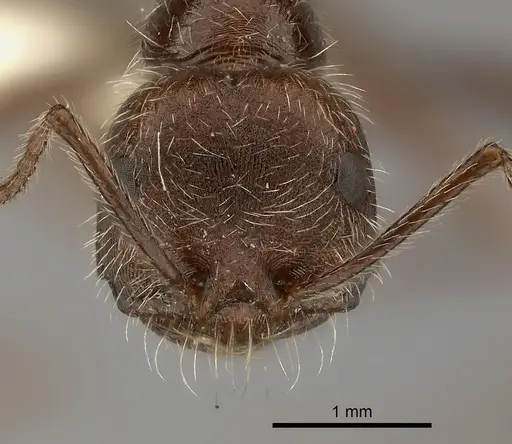
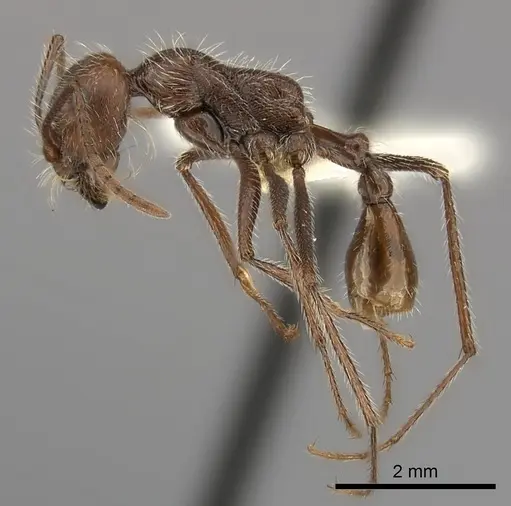
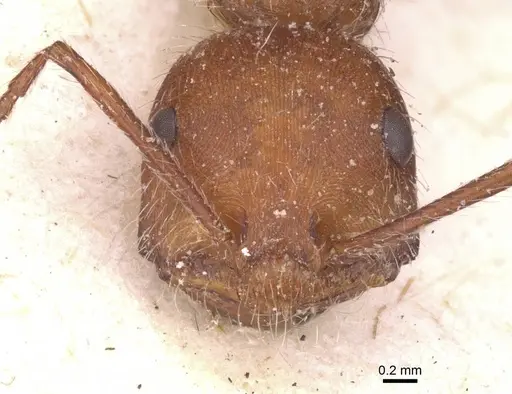
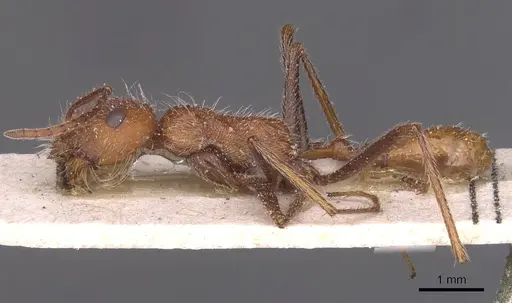
Ocymyrmex flaviventris is a medium-large ant species native to southern Africa, recognizable by its bright orange-yellow coloration that contrasts with a lighter yellow gaster. Workers measure 7.1-7.4mm, making them relatively large for the Myrmicinae subfamily. This species features a distinctive keel-like process beneath the petiole peduncle, prominent metapleural glands, and a finely sculptured head with dense longitudinal rugulae. Found across Botswana, Namibia, South Africa, and Tanzania, these ants inhabit hot, arid regions and are adapted to desert and semi-desert environments [1].
A notable feature of this species is its ergatoid queen system, the queens are wingless and physically similar to workers, but have significantly larger and more developed ovaries than regular workers. This allows for potential replacement reproductives if the primary queen dies, making the colony more resilient. Related species in the genus show only one ergatoid queen becomes reproductively active per colony [2].
Quick Summary
- Difficulty: Medium
- Origin & Habitat: Southern African thermophilic species found in Botswana, Namibia, South Africa, and Tanzania. Inhabits hot, arid to semi-arid desert and savanna regions at lower elevations, typically below 1200m [3][1].
- Colony Type: Single-queen colonies with ergatoid (wingless) replacement reproductives. The colony maintains multiple potential replacement queens, but only one becomes reproductively active at a time [2].
- Colony: Monogyne
- Size & Growth:
- Queen: Ergatoid queens are wingless and similar in size to workers. Exact measurements unconfirmed but estimated at 7-8mm based on related species.
- Worker: 7.1-7.4mm
- Colony: Unknown for this specific species. Related Ocymyrmex species typically form colonies of several hundred workers.
- Growth: Moderate, based on genus patterns
- Development: Unconfirmed, estimated 6-10 weeks based on typical Myrmicinae development in warm conditions (Development likely faster in warmer temperatures given their thermophilic nature)
- Antkeeping:
- Temperature: Keep warm at 26-32°C. These are desert ants adapted to extreme heat, so provide a clear thermal gradient with a warm side around 30°C and cooler areas around 24°C for workers to self-regulate [1].
- Humidity: Low to moderate, aim for 40-60% humidity. Provide a dry outworld area and a slightly moist nest chamber. Avoid damp, stagnant conditions that can cause mold.
- Diapause: Likely minimal or no true diapause given their desert origin. However, cooler temperatures during winter months (around 18-20°C) may slow activity. Monitor colony behavior rather than forcing a hibernation period.
- Nesting: In nature they nest in soil under stones in hot, sunny locations. In captivity, a Y-tong (AAC) nest or plaster nest works well. Provide a warm, dry outworld with a heat source on one side. They prefer compact chambers over expansive spaces.
- Behavior: Ocymyrmex ants are known for their fast, erratic movement and alert, nervous temperament. Workers are active foragers that hunt for prey and collect nectar. They are not aggressive toward humans but will defend their nest vigorously. Their large size and speed make escape prevention moderately important, use standard barriers but they are not extreme escape artists like some tiny species. The genus is thermophilic, meaning they actively seek warmth and become sluggish in cooler conditions.
- Common Issues: overheating is more dangerous than being too cold, provide a gradient so ants can choose their temperature, colonies may struggle in damp or humid conditions, ensure good ventilation and dry outworld, ergatoid queens are fragile during transport, handle gently when moving colonies, slow founding phase, new colonies may take longer to establish than more common species, wild-caught colonies may carry parasites, quarantine and observe new colonies before introducing to established setups
Housing and Nest Setup
Ocymyrmex flaviventris does well in standard formicarium setups. A Y-tong (acrylic) nest or plaster nest provides the humidity control they need while allowing you to observe the colony. For the outworld, create a warm, dry environment with a heat source on one side to establish a temperature gradient. Room temperature is usually too cool for these desert ants, use a heating cable or heat mat under one end of the nest to maintain temperatures around 26-30°C. Provide a water tube for drinking and a shallow food dish. Because they are active foragers, ensure the outworld has enough space for hunting and food exploration. [1]
Feeding and Nutrition
As omnivores, Ocymyrmex flaviventris accepts both protein and sugar sources. Offer protein-rich foods like small insects (fruit flies, small crickets, mealworms), and provide sugar water or honey as an energy source. In the wild, these ants are active predators and also tend to aphids for honeydew. Feed protein 2-3 times per week and keep sugar water available constantly. Remove uneaten prey after 24-48 hours to prevent mold. Fresh water should always be accessible.
Temperature Management
Temperature is the most critical factor for keeping Ocymyrmex healthy. These are thermophilic ants that naturally inhabit hot African deserts, so they require warm conditions to thrive and remain active. Maintain nest temperatures between 26-32°C, with a gradient allowing workers to move between warmer and cooler areas. A heating cable placed on top of the nest (never underneath where it could dry out the substrate) works well. At temperatures below 20°C, the colony will become sluggish and may stop brood development entirely. However, avoid direct hot spots above 35°C which can kill the colony. The key is providing choice through a thermal gradient. [1]
Understanding Ergatoid Queens
Unlike most ant species where queens are large and winged, Ocymyrmex flaviventris has ergatoid queens, wingless females that look similar to workers but have developed ovaries for reproduction. This is an adaptation that allows the colony to maintain continuity if the primary queen dies or becomes unable to reproduce. Research on the related species Ocymyrmex robustior shows that colonies may have multiple ergatoid queens (up to 20% of females), but typically only one is inseminated and actively reproducing at any time [2]. This makes the colony more resilient to queen loss compared to species with a single winged queen.
Seasonal Care and Winter Management
Unlike temperate ant species that require a true hibernation, Ocymyrmex flaviventris comes from a region with mild winters rather than harsh cold. During the cooler months (roughly November to February in the southern hemisphere), you can reduce temperatures to around 18-20°C to slow the colony naturally. This is not a true diapause but rather a period of reduced activity. Do not feed as frequently during this cool period as the ants will be less active and brood development will slow. Avoid refrigerating these ants as they are not cold-hardy. Simply reducing room temperature by a few degrees is sufficient.
Frequently Asked Questions
How long does it take for Ocymyrmex flaviventris to produce first workers?
The exact timeline is unconfirmed for this species, but based on typical Myrmicinae development in warm conditions, expect 6-10 weeks from egg to worker. Warmer temperatures (around 28-30°C) will speed development, while cooler temperatures will slow it significantly.
Do Ocymyrmex flaviventris ants sting?
Ocymyrmex ants have the ability to sting, and some species in the genus are known for painful stings. While O. flaviventris is not specifically documented as dangerous, treat all Ocymyrmex with respect and avoid handling them directly. They are not aggressive toward humans but will defend their nest if threatened.
Can I keep multiple Ocymyrmex flaviventris queens together?
This species is functionally monogyne, while colonies have ergatoid replacement reproductives, only one queen is actively reproductive at a time. Combining unrelated queens is not recommended as they may fight. If you acquire a colony, assume it has a single reproductive queen.
What temperature is best for Ocymyrmex flaviventris?
Keep them warm at 26-32°C with a thermal gradient. These are desert ants adapted to extreme heat, so they need temperatures on the warmer end compared to most pet ant species. A heating cable or heat mat on one side of the nest creates the gradient they need.
Are Ocymyrmex flaviventris good for beginners?
This species is rated as medium difficulty. While not the most challenging ant to keep, they have specific temperature requirements that differ from common pet species. Beginners should ensure they can maintain warm temperatures consistently before attempting this species. Their ergatoid queen system is also less common than typical queen-right colonies.
How big do Ocymyrmex flaviventris colonies get?
The maximum colony size is unconfirmed for this specific species, but related Ocymyrmex species typically reach several hundred workers. Growth is moderate, expect a colony to take a year or more to reach 100+ workers under good conditions.
Do Ocymyrmex flaviventris need hibernation?
No true hibernation is required. These ants come from a region with mild winters. Simply reducing temperatures to around 18-20°C during winter months is sufficient. Do not refrigerate them as they are not cold-tolerant.
What do Ocymyrmex flaviventris eat?
They are omnivores that accept both protein and sugar sources. Feed small insects like fruit flies, small crickets, or mealworms 2-3 times per week. Provide sugar water or honey constantly. They also tend to aphids for honeydew in the wild.
Why is my Ocymyrmex flaviventris colony dying?
The most common causes are temperatures that are too cool (below 22°C), excessive humidity causing mold, or poor ventilation. Check that your heating is adequate, reduce nest moisture, and ensure airflow. Also ensure they are getting enough protein and sugar. Wild-caught colonies may also carry parasites.
When should I move Ocymyrmex flaviventris to a formicarium?
You can keep them in a test tube setup initially, but because they need warm, dry conditions, transferring to a Y-tong or plaster nest with heating capabilities is recommended once the colony reaches 20-30 workers. Make sure the formicarium allows for temperature control.
References

This caresheet is licensed under CC BY-SA 4.0 .
CASENT0217896
View on AntWeb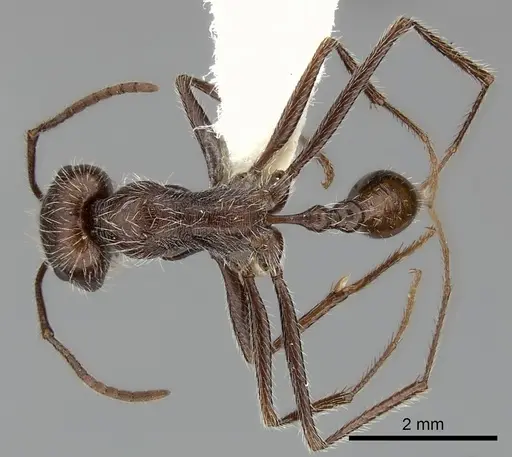
CASENT0913234
View on AntWeb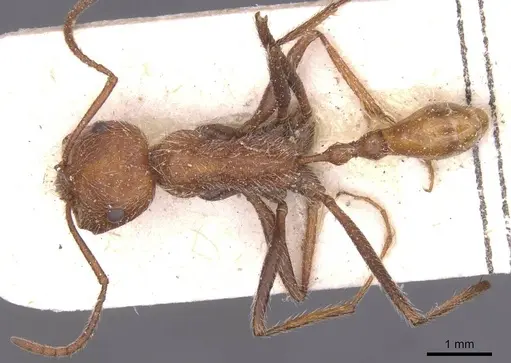
Literature
Loading...Loading products...