

Octostruma planities
- Scientific Name
- Octostruma planities
- Tribe
- Attini
- Subfamily
- Myrmicinae
- Author
- Longino, 2013
- Distribution
- Found in 4 countries
Octostruma planities Overview
Octostruma planities is an ant species of the genus Octostruma. It is primarily documented in 4 countries , including Costa Rica, Guatemala, Honduras. Detailed taxonomic data and occurrence records can be further explored via authoritative databases such as AntWeb or the Global Biodiversity Information Facility (GBIF).
Octostruma planities
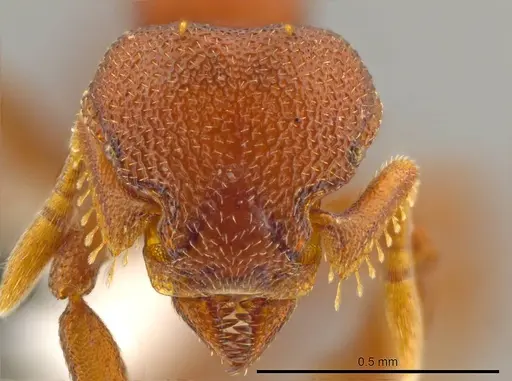
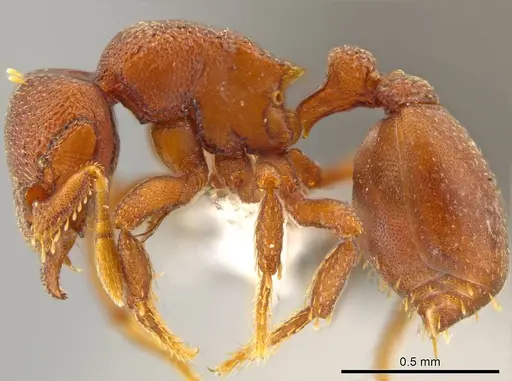
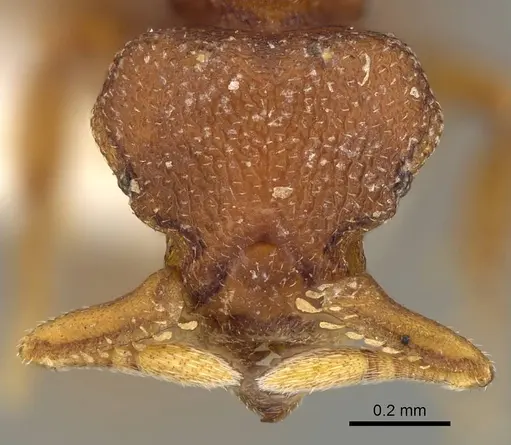
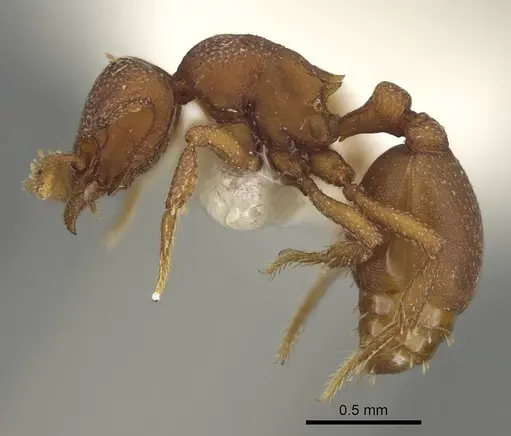
Octostruma planities is a tiny orange ant native to Central America, ranging from Mexico down to Costa Rica. Workers measure just 0.58-0.71mm in head width, making them one of the smaller ant species you'll encounter in the hobby [1]. They belong to the tribe Attini, the same group as leafcutter ants, though Octostruma are generalist foragers rather than fungus growers. These ants live in lowland areas from sea level up to about 600m elevation, found in rainforest, seasonal moist forest, dry forest, and thorn scrub habitats [2]. In the wild, they live entirely in the forest floor's leaf litter and rotting wood, they're true litter dwellers that rarely if ever come above the surface. Only the worker caste has been described, the queen caste remains unknown to science [3].
What makes O. planities interesting is how poorly studied they are. Despite being described back in 2013,almost nothing is known about their colony structure, founding behavior, or captive care requirements. This makes them a species for patient, experimental keepers who enjoy learning alongside their colonies rather than following established protocols.
Quick Summary
- Difficulty: Hard
- Origin & Habitat: Lowland Central America (Mexico, Guatemala, Honduras, Nicaragua, Costa Rica) from sea level to 600m elevation. Found in rainforest, seasonal moist forest, seasonal dry forest, and thorn scrub. They live exclusively in sifted leaf litter and rotting wood on the forest floor [2].
- Colony Type: Unknown, only workers have been described. The colony structure (single queen vs multiple queens) has not been documented in scientific literature.
- Size & Growth:
- Queen: Unknown, queens have not been described or collected [3]
- Worker: 0.58-0.71mm head width,0.55-0.65mm head length [1]
- Colony: Unknown, no colony size data exists
- Growth: Unknown, no development data exists
- Development: Unknown, no direct measurements exist. Based on typical Myrmicinae patterns, estimate 6-10 weeks at warm temperatures, but this is a rough guess. (No species-specific development data exists. Estimates based on genus-level patterns for small litter-dwelling ants.)
- Antkeeping:
- Temperature: Keep at room temperature, roughly 22-26°C. As a lowland tropical species, they likely prefer warmer conditions but will do fine in typical room temperature ranges. Avoid temperatures below 20°C or above 30°C.
- Humidity: High humidity is essential, these ants live in forest floor leaf litter which stays consistently moist. Keep the nest substrate damp but not waterlogged. Provide a gradient with a consistently moist area and a slightly drier area for choice. Expect 70-85% humidity in the nest area.
- Diapause: Unknown, as a lowland tropical species, they likely do not require a diapause period. However, slight temperature reductions during winter months may be beneficial if your room temperature drops significantly.
- Nesting: These are litter-dwelling ants that need tight, humid chambers. Y-tong (AAC) nests with small chambers or plaster nests with good moisture retention work well. Avoid dry setups, they need constant access to moisture. Test tubes can work but monitor for drying.
- Behavior: Extremely shy and non-aggressive. As tiny litter dwellers, they are preyed upon easily and have no defensive stingers to speak of. They will flee from disturbance rather than engage. Foraging is likely slow and methodical, searching through substrate rather than active hunting. Escape prevention is critical, at under 1mm size, they can squeeze through standard barrier gaps easily. Use fine mesh and tight-fitting lids.
- Common Issues: escape prevention is critical, they are tiny enough to squeeze through gaps too small for most ants, no established captive protocols exist, you are essentially pioneering care for this species, slow growth and small size make them vulnerable to neglect or overfeeding, wild-caught colonies may contain parasites that can devastate captive populations, drying out is the biggest killer, these moisture-loving ants cannot survive dry conditions
Housing and Setup
Octostruma planities requires a setup that mimics their natural leaf litter environment. Because they are so small and live in moist forest floor debris, a naturalistic setup with a deep layer of moist substrate works best. You can use a container filled with sifted leaf litter, small pieces of rotting wood, and other forest floor materials. Keep the substrate consistently moist but not waterlogged, squeeze out excess water and let it settle before adding ants. Alternatively, a Y-tong (AAC) nest with small, tight chambers or a plaster nest with good moisture retention can work. The key is maintaining high humidity without stagnation. Use a water reservoir or moisture source that keeps the nest damp over time. Because they are escape artists due to their tiny size, use fine mesh on any ventilation holes and ensure all connections are tight. A layer of fluon on container rims helps prevent escapes. [2]
Feeding and Diet
Feeding requirements for O. planities are not established, but based on related Octostruma species and general Attini patterns, they likely accept small prey items and sugar sources. Offer tiny insects like fruit flies, pinhead crickets (appropriately sized), and other small arthropods. Given their minute size, springtails and other micro-arthropods are likely more appropriate than standard feeder insects. Sugar water, honey, or diluted honey can be offered occasionally, though acceptance is uncertain. Feed small amounts and remove uneaten food within 24-48 hours to prevent mold. Because so little is known about this species, keep a careful feeding journal to note what they accept and what they ignore. This experimental approach is necessary for poorly studied species like this one.
Temperature and Humidity
As a lowland tropical species from Central America, O. planities prefers warm, humid conditions. Aim for temperatures in the 22-28°C range, typical room temperature often falls within this range. If your room runs cool, a heating cable on one side of the nest can provide gentle warmth. More critical than temperature is humidity. These ants come from forest floor environments that stay consistently moist. Keep the nest substrate damp to the touch at all times. A water reservoir connected to the nest or regular light misting (followed by observation of condensation) helps maintain humidity. Avoid both drying out and stagnant, mold-prone conditions. Good ventilation that allows some air exchange without drying the nest is essential. [2]
Colony Establishment and Growth
Establishing a colony of O. planities requires patience and careful observation. Since only workers have been collected from the wild (via sifting leaf litter), finding a queen is likely difficult and may require specialized field collection methods. If you obtain a colony, expect slow growth, small ant species often develop more slowly than larger ones. Do not expect rapid expansion. Monitor for signs of stress including workers dying outside the nest, avoidance of moisture areas, or refusal of food. Because no established protocols exist, document your observations thoroughly. Take notes on temperature preferences, feeding responses, and colony behavior. Your observations may contribute to the future knowledge of this species in captivity. Success with this species requires treating each colony as a learning experience rather than expecting predetermined outcomes.
Behavior and Temperament
O. planities is an extremely docile, shy species. As tiny litter-dwelling ants, they have evolved to avoid predators rather than fight them. Workers will likely flee from disturbance rather than engage in any defensive behavior. They do not possess a painful sting and present no danger to keepers. Their small size and non-aggressive nature make them suitable for observation but less engaging than more active species. Foraging appears to be slow and substrate-focused, with workers searching through leaf litter and rotting wood rather than actively hunting. They are unlikely to be escape artists in terms of climbing ability, but their tiny size means they can slip through remarkably small gaps. Excellent barrier maintenance is essential not because they are clever escapees, but because they are small enough to fit through gaps invisible to the naked eye. [1]
Frequently Asked Questions
How long does it take for Octostruma planities to go from egg to worker?
The egg-to-worker timeline is unknown, no species-specific development data exists. Based on typical patterns for small Myrmicinae ants, estimate 6-10 weeks at warm temperatures (around 25°C). This is a rough guess rather than an established fact.
Can I keep Octostruma planities in a test tube?
Test tubes can work but require careful humidity management. These moisture-loving ants dry out quickly in test tubes without a water reservoir. Monitor substrate moisture frequently and consider switching to a more humidity-stable setup like a Y-tong nest or naturalistic terrarium if the colony thrives.
Are Octostruma planities good for beginners?
No. This species is not recommended for beginners. Almost no captive care information exists, they are extremely small (escape risk is high), and they require specific humidity conditions that can be difficult to maintain. Choose a better-documented species like Lasius niger or Camponotus floridanus for your first colony.
What do Octostruma planities eat?
Their exact diet is unknown, but they likely accept small prey items like fruit flies, springtails, and other micro-arthropods. Sugar sources may be accepted occasionally. Start with tiny live prey and observe acceptance before trying other foods.
How big do Octostruma planities colonies get?
Colony size is unknown, no data exists on maximum colony size for this species. Based on related Octostruma species, colonies are likely small (likely under 500 workers) rather than large.
Do Octostruma planities need hibernation?
No hibernation is required. As a lowland tropical species from Central America, they do not experience cold winters in their native range. Keep them at stable warm temperatures year-round.
Why are my Octostruma planities dying?
The most likely cause is drying out, these moisture-loving ants cannot survive dry conditions. Other possibilities include mold from excessive moisture, parasites from wild-caught colonies, or escape followed by death in unseen locations. Review your humidity setup and ensure barriers are secure.
Can I keep multiple queens together?
Unknown, queen caste has not been described, so we do not know whether they are single-queen or multi-queen species. Do not attempt combining unrelated queens without documented evidence of success.
When should I move Octostruma planities to a formicarium?
Move only when the colony is established and you observe consistent growth and activity. For this species, a naturalistic setup with moist substrate may work better than traditional formicarium designs. Wait until you have at least 20-30 workers and have established stable humidity before considering any move.
References

This caresheet is licensed under CC BY-SA 4.0 .
CASENT0619872
View on AntWeb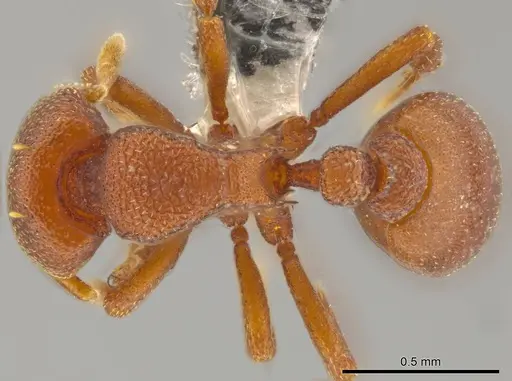
CASENT0914914
View on AntWeb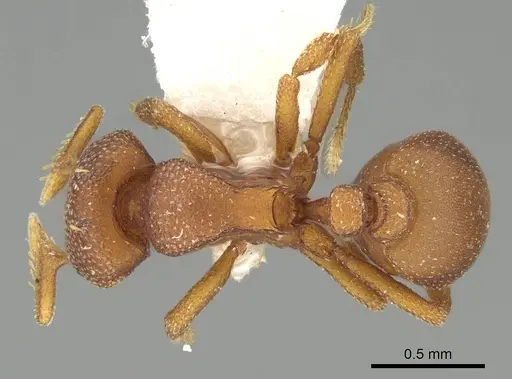
Literature
Loading...Loading products...