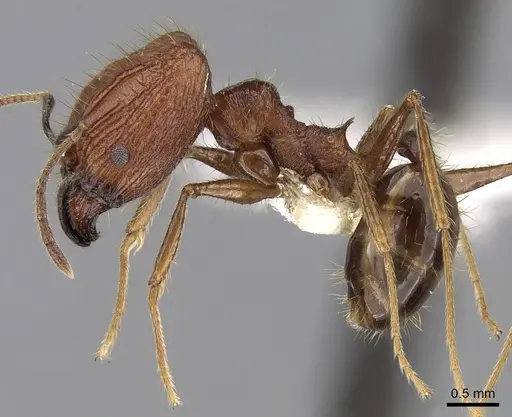
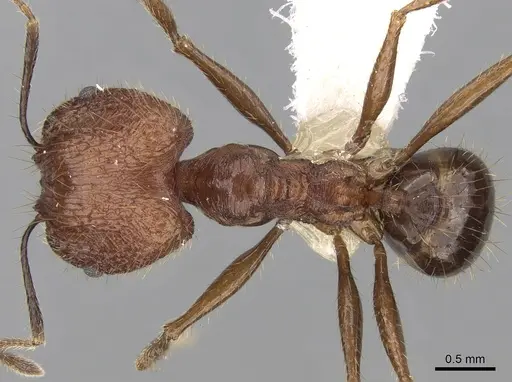
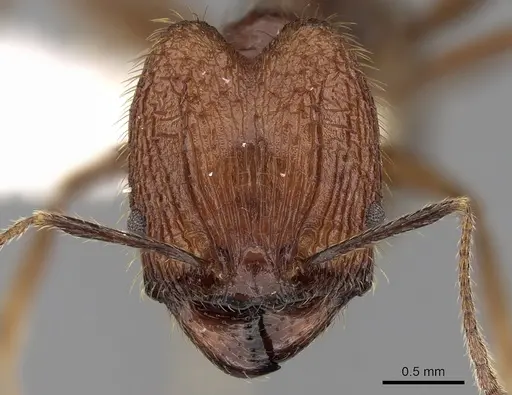
Pheidole aglae - "Big-Headed Ant (unofficial, as Pheidole is a genus of big-headed ants)"
Pheidole aglae is a fascinating ant species known for its distinct dimorphism, featuring two types of workers: smaller 'minor' workers and larger 'major' workers, often referred to as 'soldiers' due to their disproportionately large heads and mandibles. These ants typically exhibit a brown, reddish-brown, or dark reddish-brown body with a slightly darker abdomen, and lighter flagella and tarsi. They are recognizable by the minor worker's head, which has an occipital carina forming a well-developed flange, and a 3-segmented antennal club. Pheidole aglae is an active species, known for swarming food and displaying remarkable teamwork in foraging and colony maintenance.
- Difficulty: Medium
- Origin & Habitat: Southeast Asia (Indonesia, Philippines, Singapore, Borneo, Brunei, Java, Sumatra, Malacca, Ceylon) in Well-developed forests (primary and secondary forests), lowlands to hill areas. They nest in rotting wood blocks and logs on the forest floor, and sometimes in rotten branches..
- Colony Type: Monogyne, claustral founding.
- Size & Growth:
- Queen: Not specified
- Worker: 2.7-3.0mm
- Colony: Medium (thousands). Medium to Fast growth.
- Antkeeping:
- Temperature: Optimal nest temperature is 24-28°C, with an outworld temperature of 22-30°C. A heating mat can be beneficial for creating a warm spot..
- Humidity: The nest should have 60-80% humidity, while the outworld can be 50-70%..
- Diapause: Required. 3-4 months at 10-15°C.
- Nesting: They prefer nests that maintain good moisture levels. Options like rotting wood, plaster, or substrate-based setups are suitable. Modular formicaria that allow for expansions are ideal as colonies grow..
- Behavior: Medium (towards prey and other ants) aggressiveness.
- Common Issues: Mold in nest, Humidity fluctuations, Overfeeding leading to waste, Escape artists.
Pheidole aglae, like many 'big-headed ant' species, is known for its impressive polymorphic caste system. Their minor workers are swift and efficient foragers, constantly exploring the outworld for food. The majors, or soldiers, with their significantly enlarged heads, play a crucial role in breaking down larger food items, defending the colony, and possibly even blocking the nest entrance from intruders. Observing the majors mill seeds or dismember insects is a truly captivating aspect of keeping this species, highlighting the specialized division of labor within the colony.
These ants thrive on a diverse diet. While they are keen on insect protein for their queen and growing brood, they also readily accept a variety of seeds. Offering a mix of crushed seeds, honey, and various insects (like crickets, mealworms, or fruit flies) will ensure your colony receives all the necessary nutrients. Remember that while seeds can reduce the need for insects and sugars, they shouldn't be the sole food source.
Pheidole aglae colonies, while not reaching the supercolony sizes of some other Pheidole species, can still grow quite rapidly under optimal conditions. This means you should be prepared for their expansion. Starting in a smaller setup is good for observation, but be ready to upgrade to a larger formicarium as the worker count increases. Ensuring proper ventilation and humidity control in your chosen nest type is crucial to prevent issues like mold, which can quickly devastate a colony.
A key consideration for Pheidole aglae, typical of many tropical species, is their need for a specific climate. While generally considered manageable, maintaining consistent temperature and humidity within their preferred range is vital for their well-being and growth. Fluctuations can stress the colony and hinder development. It's also important to note that some Pheidole species, including Pheidole aglae populations, have been observed to require a diapause period, which mimics their natural winter rest, crucial for their long-term health and reproductive cycle.
Frequently Asked Questions
What kind of nest is best for Pheidole aglae?
Pheidole aglae thrive in setups that can consistently provide high humidity within the nest, ideally between 60-80%. Options like rotting wood, plaster nests, or naturalistic setups with substrate are excellent choices. Many ant keepers find modular formicaria beneficial, allowing for easy expansion as the colony's numbers swell.
Do Pheidole aglae need to hibernate?
Yes, Pheidole aglae generally require a diapause period, which is their equivalent of hibernation. This typically runs from late November to early March at cooler temperatures, ideally between 10-15°C, and is important for their long-term health and continued egg-laying. While you might skip the first diapause for a quicker start, it's highly recommended for subsequent years.
What do Pheidole aglae eat?
These 'big-headed ants' enjoy a varied diet of both protein and carbohydrates. For protein, offer freshly killed insects like crickets, mealworms, or fruit flies, and even small bits of cooked chicken or ham. Carbohydrates can be provided through sugar water, honey water, or ant nectar. They also appreciate small seeds, which their powerful majors can easily break open.
Are Pheidole aglae escape artists?
Many Pheidole species, including those with smaller workers, are known to be quite good at escaping. To prevent breakouts, ensure your setup has a secure lid and consider using an effective escape barrier like PTFE (Fluon) around the top edges of your outworld.
How big do Pheidole aglae colonies get?
While not forming 'supercolonies' in the millions, Pheidole aglae colonies can grow to a substantial size, reaching thousands of workers. Some Pheidole species can even reach 10,000 to 50,000 workers in the wild, though typical captive colonies might average a few thousand.
What's the difference between minor and major workers in Pheidole aglae?
Pheidole aglae workers are dimorphic. Minor workers are smaller (around 2.7-3.0 mm) and handle general foraging and brood care. Major workers, also called soldiers, have significantly larger heads and mandibles, often reaching up to 6mm, making them appear disproportionate to their bodies. They specialize in defense, breaking down tough food, and potentially blocking the nest entrance.
What temperature is best for Pheidole aglae?
Pheidole aglae prefer warm temperatures, with the nest ideally kept between 24-28°C and the outworld between 22-30°C. Using a heat mat can help maintain these ideal conditions, especially in cooler climates.
Is Pheidole aglae a good species for beginners?
While generally considered manageable, Pheidole aglae is often recommended for ant keepers with some prior experience, perhaps having kept one or two other species first. This is due to their specific climate requirements and rapid growth, which demand a bit more attention to humidity and space management than some beginner-friendly species.
How often should I feed my Pheidole aglae colony?
Pheidole species, including Pheidole aglae, need to eat more consistently than many other ant species due to their fast growth rate. Offer food every few days, adjusting the amount based on how quickly they consume it. It's better to offer smaller amounts more frequently to prevent mold and waste.
Do Pheidole aglae queens need to eat during founding?
Pheidole aglae queens are claustral, meaning they can sustain themselves and their first brood without external food until the first workers emerge. They use the energy from their wing muscles to do this. However, some keepers offer a small drop of honey or a tiny, crushed seed to provide an energy boost, which is generally harmless if done sparingly.