

Nylanderia amia
- Scientific Name
- Nylanderia amia
- Tribe
- Lasiini
- Subfamily
- Formicinae
- Author
- Forel, 1913
- Distribution
- Found in 3 countries
Nylanderia amia Overview
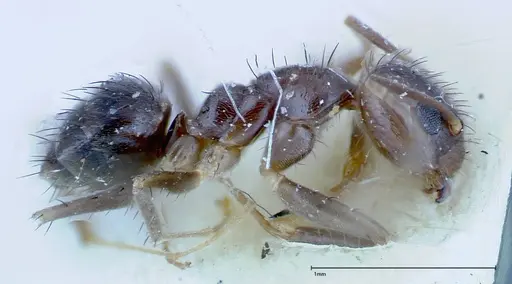
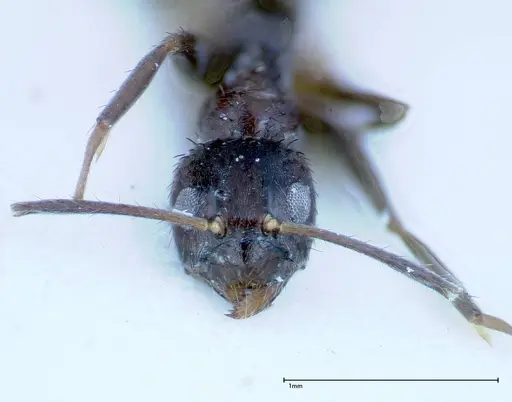
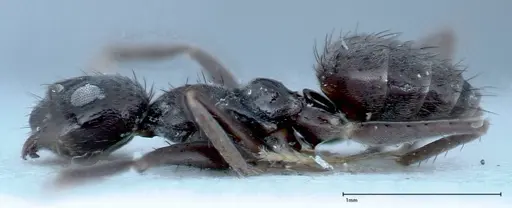
Nylanderia amia is an ant species of the genus Nylanderia. It is primarily documented in 3 countries , including Hong Kong, Japan, Taiwan. Detailed taxonomic data and occurrence records can be further explored via authoritative databases such as AntWeb or the Global Biodiversity Information Facility (GBIF).
Nylanderia amia
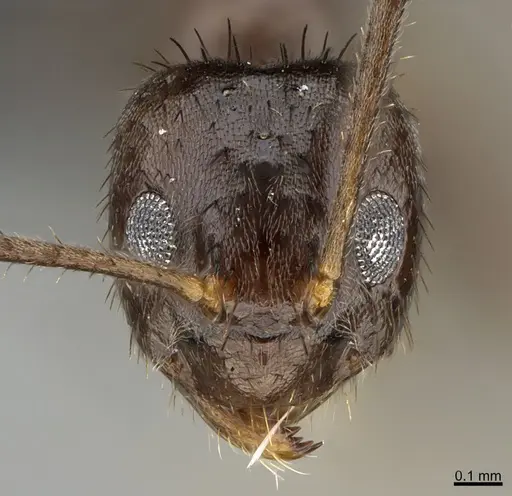
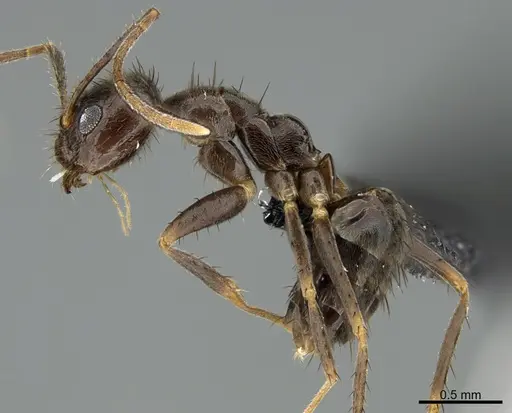
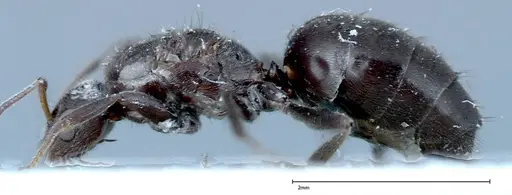
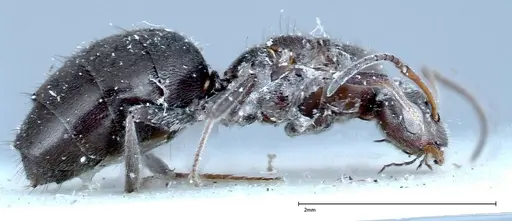
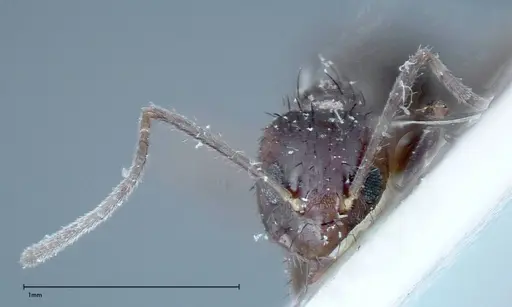
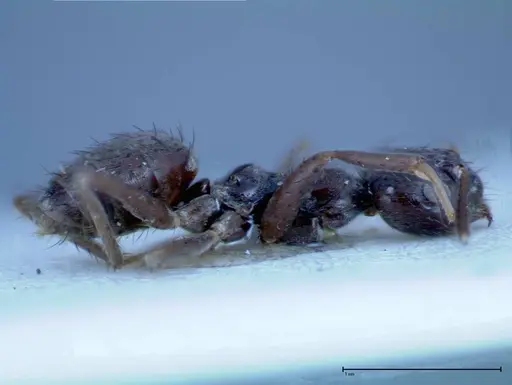
Nylanderia amia is a small to medium-sized ant native to Japan and Taiwan, commonly found in the Ogasawara and Nansei Islands. Workers are typically around 2-3mm and have the characteristic 'crazy ant' movement pattern, they scuttle quickly and erratically rather than walking in straight lines. The species has pale yellowish to brownish coloration and is known for its ability to thrive in disturbed urban environments. This ant is considered a tramp species, meaning it has spread through human commerce and is now found in port cities across Japan and increasingly in urban areas. It nests in leaf litter, rotting wood, and soil in dry to moderately damp habitats, often at forest margins or in grasslands. The species was originally described as a variety of Nylanderia bourbonica but was raised to full species status in 1999 [1].
Quick Summary
- Difficulty: Easy
- Origin & Habitat: Native to Japan and Taiwan, found commonly in the Ogasawara and Nansei Islands. In Japan, it's widespread across southern Kyushu, the Amami Islands, and Ryukyu Islands. Prefers dry habitats and nests in leaf litter, rotting wood, or soil in grasslands and at forest margins [1][2][3].
- Colony Type: Single-queen colonies (monogyne). This is a tramp species that can establish in disturbed urban areas and has spread through port cities [3][4].
- Colony: Monogyne
- Founding: Claustral
- Size & Growth:
- Queen: Estimated 4-5mm based on genus patterns
- Worker: Estimated 2-3mm based on genus patterns
- Colony: Likely several hundred workers based on typical tramp ant colony sizes
- Growth: Moderate, fast for a small species
- Development: Estimated 4-6 weeks at optimal temperature based on related Nylanderia species (Development time is estimated from genus-level data since species-specific development has not been documented)
- Antkeeping:
- Temperature: Keep at room temperature, around 20-26°C. This species tolerates a wide range as it's found across various Japanese climates from subtropical islands to mainland cities [5].
- Humidity: Moderate humidity around 50-70%. They prefer dry to moderately damp conditions and are found in relatively dry habitats [1].
- Diapause: Yes, based on Japanese distribution, they likely require a winter rest period of 2-3 months at cooler temperatures (around 10-15°C)
- Nesting: They nest in leaf litter, rotting wood, and soil. In captivity, a Y-tong (acrylic) nest or test tube setup works well. They prefer compact chambers over large open spaces. A small outworld for foraging is sufficient.
- Behavior: These ants are active foragers with the characteristic 'crazy ant' erratic movement. They are attracted to sweet foods (honeydew, sugar water) and are primarily sugar-feeding but will accept protein. They are not aggressive and rarely sting. Due to their small size, escape prevention is important, they can squeeze through tiny gaps. They are disturbance-associated and thrive in urban environments, which means they adapt well to captive conditions [5][6].
- Common Issues: escape prevention is critical due to their tiny size, use fine mesh barriers and tight-fitting lids, colonies can be slow to establish initially, don't overfeed during founding, they are a tramp species and should never be released outside their native range, test tube setups must have proper water reservoir management to avoid flooding the colony, wild-caught colonies may carry parasites that can cause colony collapse in captivity
Housing and Nest Setup
Nylanderia amia does well in standard ant keeping setups. A test tube setup works perfectly for founding colonies, use a small test tube with a cotton water reservoir. Once the colony reaches 30-50 workers, you can move them to a small formicarium or Y-tong nest. These ants prefer narrow chambers and tight spaces rather than large open areas. The nest material should be kept moderately humid but allow for some dry areas, they will self-regulate. An outworld (foraging area) of about 10x10cm is sufficient for colonies under a few hundred workers. Use a barrier like fluon around the edges of the outworld to prevent escapes, and cover any ventilation holes with fine mesh since these tiny ants can squeeze through standard mesh. Avoid using dirt-based naturalistic setups initially as they can be difficult to maintain and observe. [2][6]
Feeding and Diet
In the wild, Nylanderia amia is strongly attracted to sweet foods. Research shows they respond to honey baits and have been collected from Mallotus extrafloral nectaries, confirming they feed on honeydew and plant sugars [5][6]. In captivity, offer sugar water (1:4 ratio with water) or honey diluted with water at all times. For protein, they will accept small insects like fruit flies, pinhead crickets, or mealworm pieces. Feed protein 2-3 times per week, adjusting based on colony size. Remove any uneaten protein after 24 hours to prevent mold. Unlike some ants, they are not primarily predatory and don't require live prey, pre-killed insects work fine. The colony's appetite will increase as it grows, so monitor consumption and adjust feeding amounts accordingly.
Temperature and Seasonal Care
Keep your colony at room temperature, ideally between 20-26°C. This species tolerates a wide temperature range since it's found across various climates in Japan, from subtropical islands to mainland cities [5]. During summer months, no additional heating is typically needed. In winter, if your room temperature drops below 15°C, consider providing a slight heat source on one side of the nest to maintain activity, or allow the colony to enter a natural winter rest period. Based on their Japanese distribution, they likely experience seasonal cooling and may benefit from a 2-3 month winter rest at around 10-15°C. This rest period helps maintain natural colony cycles and may improve long-term colony health. Observe your colony's behavior, if workers become less active and cluster together, they're likely entering their rest period.
Behavior and Temperament
Nylanderia amia exhibits the classic 'crazy ant' behavior, they move quickly with erratic, darting movements rather than following pheromone trails in lines. They are active foragers and will quickly discover and exploit food sources. This species is not aggressive toward keepers and rarely attempts to sting, making them easy to handle. However, their small size and speed make them excellent escape artists. Always use excellent escape prevention: apply fluon barrier grease to the rim of the outworld, use tight-fitting lids, and cover any small openings with fine mesh. They are disturbance-tolerant and adapt well to urban environments, which translates to good adaptability in captivity. Colonies establish quickly once the first workers (nanitics) emerge, and growth is steady from there. [5][3][4]
Colony Development
A newly mated queen will seal herself in a small chamber and lay eggs within a few days. She feeds on her stored fat reserves (claustral founding) and does not forage during the founding stage. First workers, called nanitics, typically emerge 4-6 weeks after egg-laying, though this is estimated based on related species. These first workers are smaller than mature workers but immediately begin foraging to support the colony. Growth rate is moderate, expect the colony to reach 50 workers within 3-4 months under good conditions. The queen can live for several years, and colonies can eventually reach several hundred workers. Unlike some tramp species, Nylanderia amia maintains moderate colony sizes rather than forming supercolonies. Regular feeding and proper temperature will support steady growth. [2][3]
Legal and Ethical Considerations
This is an important point: Nylanderia amia is considered a tramp species and has been documented spreading through port cities in Japan [3]. While not as globally invasive as some related species like the Argentine ant (Linepithema humile), it has established in multiple ports in northern Kyushu and continues to expand its range. If you keep this species, never release any ants outside their native range of Japan and Taiwan. This is particularly important for antkeepers in other parts of the world, do not release these ants if you live outside Japan or Taiwan. Also avoid releasing in other parts of Japan if your colony originated from a different region. Responsible antkeeping means preventing any potential ecological impact from accidental releases.
Frequently Asked Questions
Can I keep Nylanderia amia in a test tube?
Yes, test tubes work perfectly for founding colonies. Use a small test tube with a cotton water reservoir. Once the colony reaches 30-50 workers, consider moving to a small formicarium or Y-tong nest for more space.
How long until first workers appear?
Expect first workers (nanitics) to emerge 4-6 weeks after the queen lays eggs, at optimal room temperature. This is estimated from related Nylanderia species since specific development data for N. amia is not available.
What do Nylanderia amia eat?
They are primarily sugar-feeding ants. Offer sugar water or diluted honey constantly. For protein, they accept small insects like fruit flies or mealworm pieces 2-3 times per week. They are strongly attracted to honey baits in the wild.
Are Nylanderia amia good for beginners?
Yes, they are easy to care for and adapt well to captive conditions. They tolerate a wide range of temperatures and are not aggressive. The main challenges are escape prevention due to their tiny size and ensuring you don't accidentally release them outside their native range.
Do Nylanderia amia need hibernation?
Based on their Japanese distribution, yes, they likely benefit from a winter rest period of 2-3 months at cooler temperatures (around 10-15°C). This mimics their natural seasonal cycle.
How big do Nylanderia amia colonies get?
Colonies typically reach several hundred workers. They are not known for forming supercolonies like some invasive tramp species.
Can I keep multiple queens together?
No, Nylanderia amia is monogyne (single queen). Multiple unrelated queens will fight. Only keep one queen per colony.
Why are my Nylanderia amia escaping?
Their small size makes them excellent escape artists. Use fine mesh on all ventilation holes, apply fluon barrier grease to outworld edges, and ensure all lids fit tightly. Check for any tiny gaps they could squeeze through.
When should I move them to a formicarium?
Move to a formicarium or larger nest when the colony reaches 30-50 workers and the test tube becomes crowded. A small Y-tong or acrylic nest works well. They prefer tight chambers over large spaces.
What temperature do Nylanderia amia need?
Room temperature of 20-26°C is ideal. They tolerate a wide range since they're found across various Japanese climates. No special heating is typically needed in most homes.
References

This caresheet is licensed under CC BY-SA 4.0 .
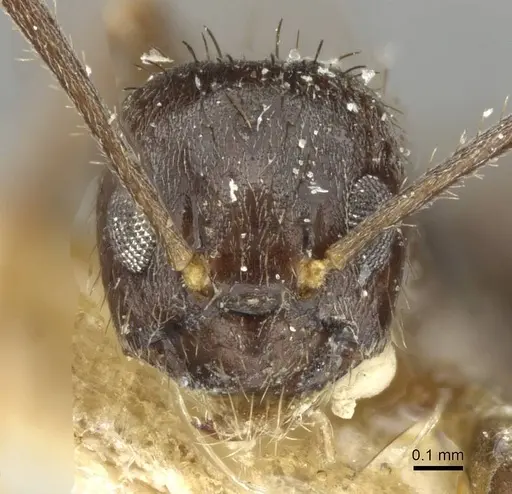
CASENT0188902
View on AntWeb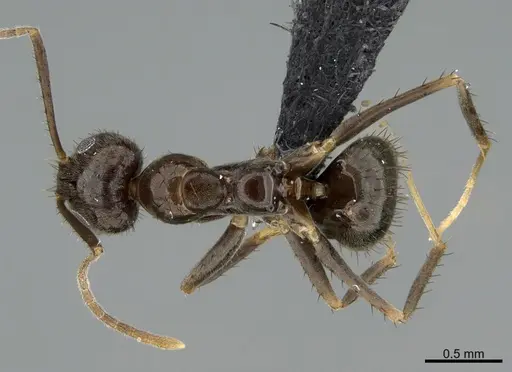
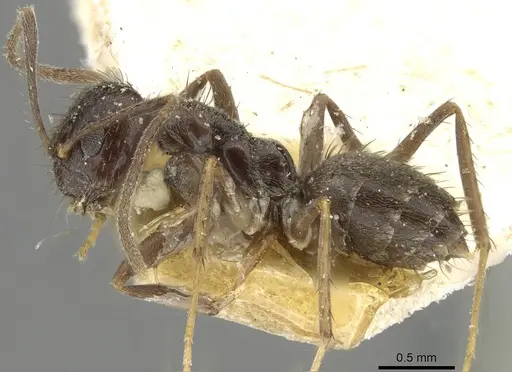
CASENT0910996
View on AntWeb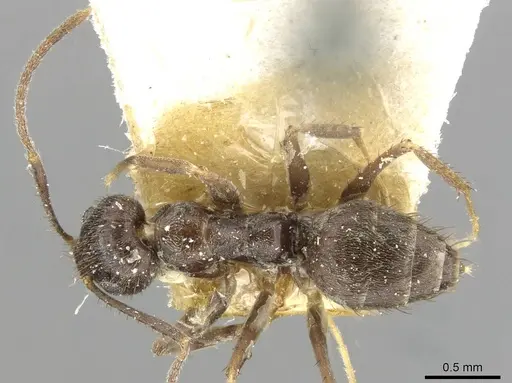
FOCOL0143
View on AntWeb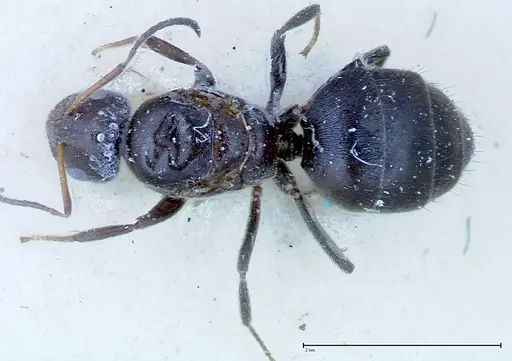
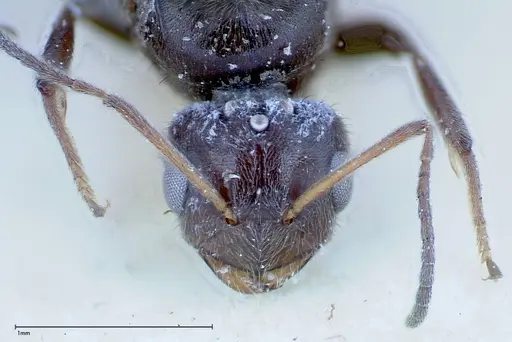
FOCOL0144
View on AntWeb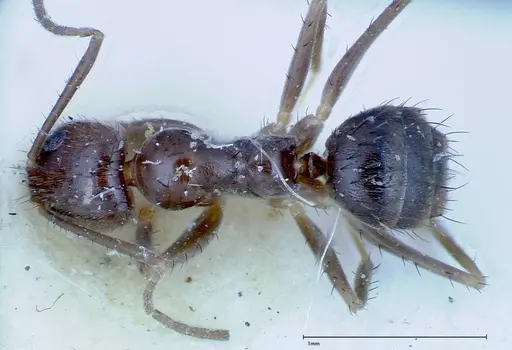
FOCOL0145
View on AntWeb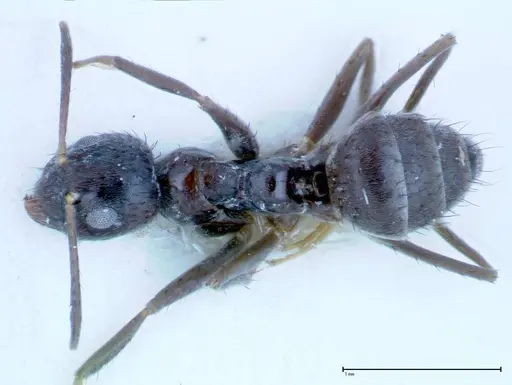
Literature
Loading...Loading products...