

Nylanderia dodo
- Scientific Name
- Nylanderia dodo
- Tribe
- Lasiini
- Subfamily
- Formicinae
- Author
- Donisthorpe, 1946
- Distribution
- Found in 1 countries
Nylanderia dodo Overview
Nylanderia dodo is an ant species of the genus Nylanderia. It is primarily documented in 1 countries , including Mauritius. Detailed taxonomic data and occurrence records can be further explored via authoritative databases such as AntWeb or the Global Biodiversity Information Facility (GBIF).
Nylanderia dodo
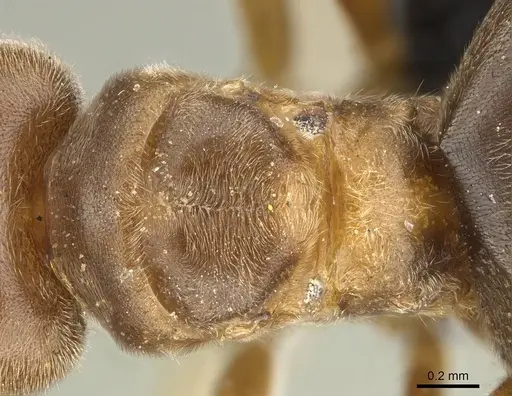
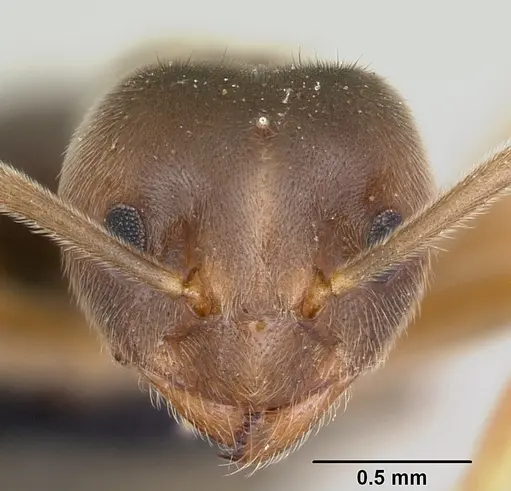
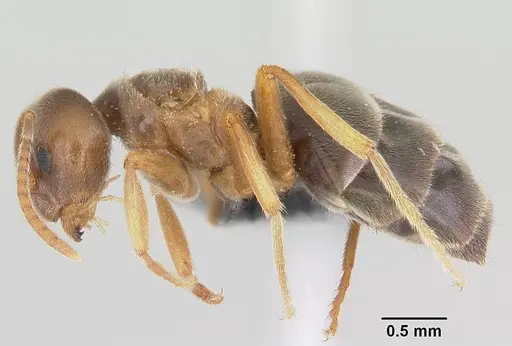
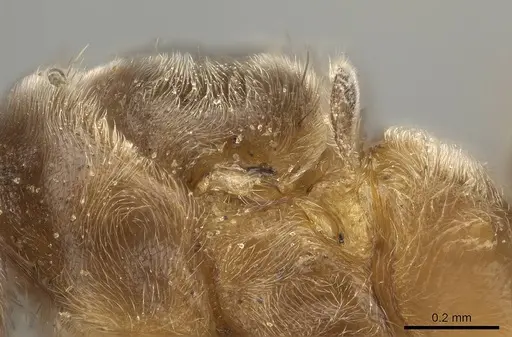
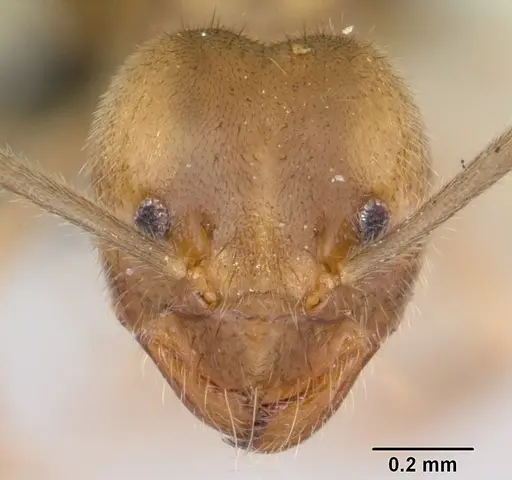
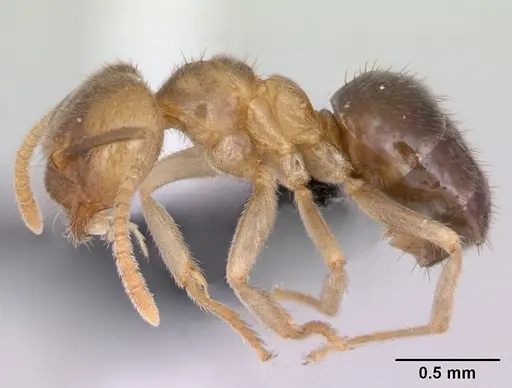
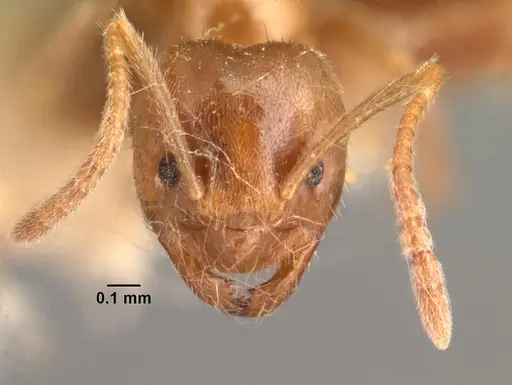
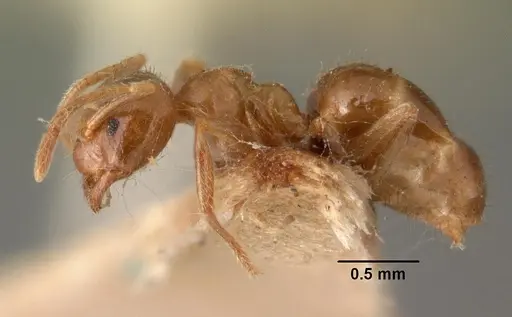
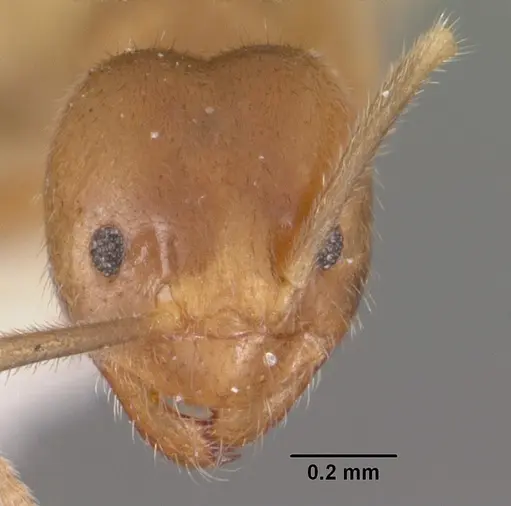
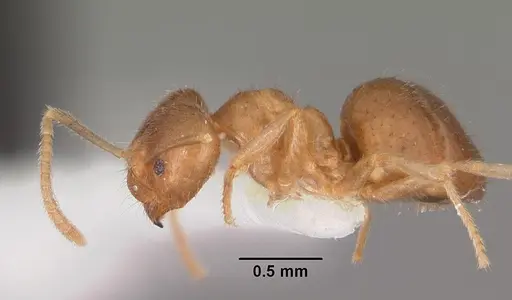
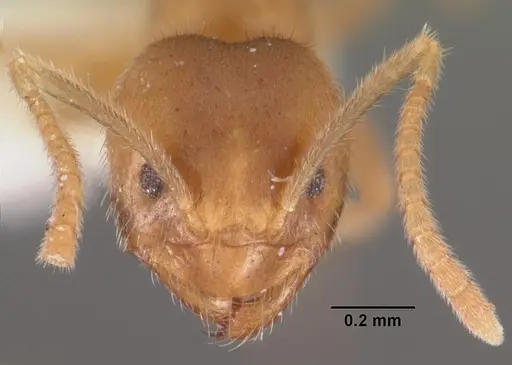
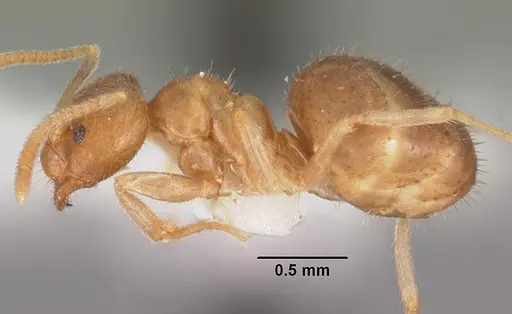
Nylanderia dodo is an extremely rare, tiny ant species endemic to the island of Mauritius. Workers measure just 2.6-2.9mm and are brownish-yellow with a distinctly darker gaster. They have 12-segmented antennae and an unusual reduced palpal formula of 5:3,which is unique within the genus Nylanderia. These ants lack a major worker caste, with only minor workers known. The most remarkable feature is that queens have reduced, vestigial wings (brachypterous), a trait associated with insular living and not seen in other Nylanderia species. They are litter-dwelling ants found only in the montane cloud forest atop Le Pouce Mountain.
Quick Summary
- Difficulty: Expert
- Origin & Habitat: Endemic to Mauritius, found only in remnant montane cloud forest atop Le Pouce Mountain in the Moka Range at 700-800m elevation [1]. Last collected in 1989 and considered probably endangered due to habitat destruction and competition from invasive ant species [1].
- Colony Type: Colony structure is unconfirmed. Queens have reduced, vestigial wings (brachypterous), a unique trait among Nylanderia [2]. No major workers exist, only minor workers have been documented [1].
- Size & Growth:
- Queen: Unknown, queens have reduced wings but full measurements not documented [2]
- Worker: 2.60-2.93mm [1]
- Colony: Unknown, no colony size data available
- Growth: Unknown, no development data available
- Development: Unknown, no direct development data exists for this species (Development timeline has not been studied. Related Nylanderia species typically develop from egg to worker in 4-8 weeks at warm temperatures, but this is an estimate only.)
- Antkeeping:
- Temperature: Based on their montane cloud forest origin, they likely prefer cooler, stable temperatures around 20-24°C. Avoid overheating. Start at room temperature (around 22°C) and observe colony behavior.
- Humidity: As litter-dwelling ants from cloud forest habitat, they need moderate to high humidity. Keep the nest substrate consistently moist but not waterlogged. Provide a humidity gradient so ants can choose their preferred zone.
- Diapause: Unknown, no studies on seasonal behavior. Being from a tropical island with mild climate, they may not require a true diapause, but may have reduced activity periods.
- Nesting: Natural nesting: litter dwelling in montane cloud forest. In captivity, a small test tube setup or small acrylic nest works well given their tiny size. Use moist substrate like sand/soil mix. Keep chambers small and appropriately scaled to their 2.6-3mm worker size.
- Behavior: These are tiny, cryptic ants that likely forage slowly through leaf litter. They are not aggressive and pose no threat to keepers. Their small size means excellent escape prevention is critical, they can squeeze through tiny gaps. Workers are brownish-yellow with darker gasters and have relatively large eyes (high eye index of 14-17), which may indicate adaptation to low-light forest floor conditions. They are probably shy and non-confrontational, avoiding competition with larger ants.
- Common Issues: extremely endangered species, wild colonies are nearly extinct and should not be collected, escape prevention is critical due to tiny 2.6mm worker size, no established captive breeding populations exist, this species is not available in the antkeeping hobby, lack of basic biological data makes captive care extremely challenging, potential competition from invasive ants if kept in same room, they are vulnerable
Species Overview and Conservation Status
Nylanderia dodo is one of the rarest ant species in the world, found only on the island of Mauritius. Originally described as Nylanderia dodo in 1946,it has been reclassified twice, first to Acropyga, then finally to Nylanderia based on molecular evidence [1][2]. The species is probably endangered due to severe habitat destruction and competition from invasive ant species [1]. The last known collection was in 1989,meaning wild populations have not been observed for over 35 years. This species should NOT be kept in captivity because no captive colonies exist, and removing any remaining wild ants would be ecologically devastating to a species on the brink of extinction.
Identification and Unique Features
Workers measure just 2.60-2.93mm, making them among the smaller ant species [1]. They are brownish-yellow with a distinctly darker gaster. The most unusual feature is their reduced palpal formula of 5:3 (maxillary:labial), which is unique within Nylanderia where the typical formula is 6:4 [1][3]. They lack a major worker caste entirely, only minor workers are known [1]. Queens have reduced, vestigial wings (brachypterous), a trait associated with insular living and not found in any other Nylanderia species [2]. Their high eye index (14-17) suggests adaptation to low-light conditions in the forest floor litter layer.
Why This Species Should Not Be Kept
This species is not appropriate for the antkeeping hobby for several critical reasons. First, it is probably endangered in the wild with last collection in 1989, removing any remaining wild colonies could push it to extinction. Second, no captive breeding populations exist, these ants are not available through any legal source. Third, there is virtually no biological data on their care, even expert entomologists would struggle to keep them alive without basic information on diet, temperature preferences, and colony structure. If you are interested in Nylanderia species, consider common species like Nylanderia fulva or Nylanderia pubens which are well-established in captivity and have documented care requirements. [1]
Natural History and Habitat
Nylanderia dodo is restricted to the remnant montane cloud forest atop Le Pouce Mountain in the Moka Range of Mauritius at elevations of 700-800m [1]. This is a very narrow geographic range, essentially a single mountain peak. As a litter-dwelling species, they live in the decomposing leaf litter on the forest floor, foraging slowly through the substrate. The montane cloud forest provides cool, humid conditions year-round. The high eye index (14-17) suggests they are adapted to low-light conditions under the forest canopy. They likely feed on small invertebrates, honeydew, and other litter-floor resources typical of small Formicine ants.
Frequently Asked Questions
Can I keep Nylanderia dodo as a pet ant?
No. This species should not be kept in captivity. It is probably endangered with last collection in 1989,and no captive breeding populations exist. Removing wild ants would be ecologically devastating to a species that may already be extinct in the wild.
Where does Nylanderia dodo live?
It is endemic to Mauritius, found only on Le Pouce Mountain in the Moka Range at 700-800m elevation in montane cloud forest. This is one of the most restricted ant distributions in the world.
How big are Nylanderia dodo ants?
Workers are tiny at 2.60-2.93mm. Queen size is not fully documented but queens have reduced, vestigial wings (brachypterous).
What makes Nylanderia dodo unique?
Several features make this species unique: it has a reduced palpal formula of 5:3 (unique in Nylanderia), queens have reduced vestigial wings (brachypterous) not seen in other Nylanderia, and it lacks a major worker caste entirely. It is also one of the rarest ant species with last collection in 1989.
Is Nylanderia dodo invasive?
No. It is the opposite, this species is probably endangered and may already be extinct in the wild. It is endemic to a single mountain on Mauritius and has never been documented as invasive anywhere.
What do Nylanderia dodo ants eat?
This has not been studied. As litter-dwelling ants, they likely eat small invertebrates and honeydew from sap-feeding insects, similar to other small Formicine ants. However, since this species should not be kept, this information is academic only.
Are Nylanderia dodo ants good for beginners?
No. This species is not available in the antkeeping hobby and should not be kept under any circumstances due to its endangered conservation status. If you want to keep Nylanderia, look for common species with established care guides.
References

This caresheet is licensed under CC BY-SA 4.0 .
CASENT0055780
View on AntWeb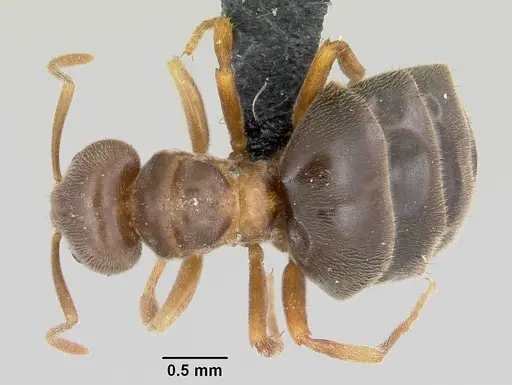
CASENT0059506
View on AntWeb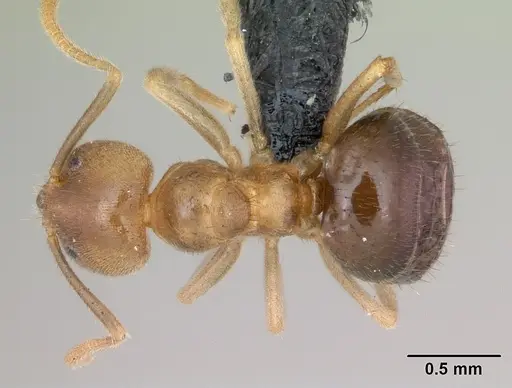
CASENT0101499
View on AntWeb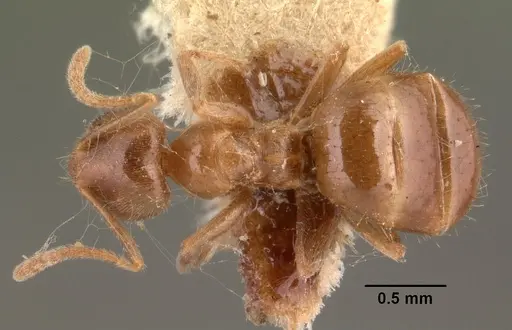
CASENT0102299
View on AntWeb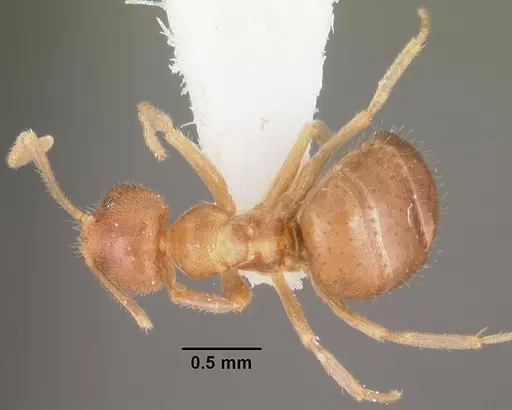
CASENT0102300
View on AntWeb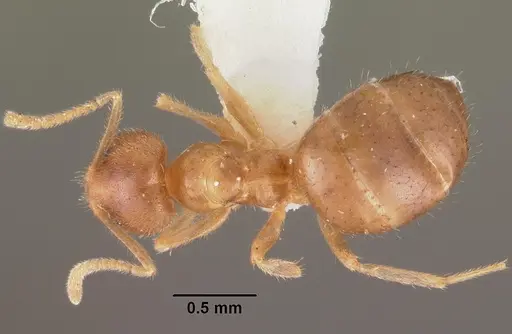
Literature
Loading...Loading products...