

Nylanderia consuta
- Scientific Name
- Nylanderia consuta
- Tribe
- Lasiini
- Subfamily
- Formicinae
- Author
- Wheeler, 1935
- Distribution
- Found in 1 countries
Nylanderia consuta Overview
Nylanderia consuta is an ant species of the genus Nylanderia. It is primarily documented in 1 countries , including Solomon Islands. Detailed taxonomic data and occurrence records can be further explored via authoritative databases such as AntWeb or the Global Biodiversity Information Facility (GBIF).
Nylanderia consuta
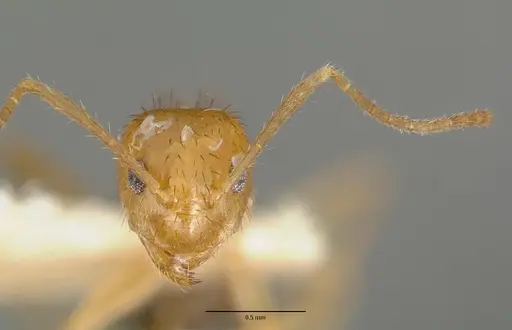
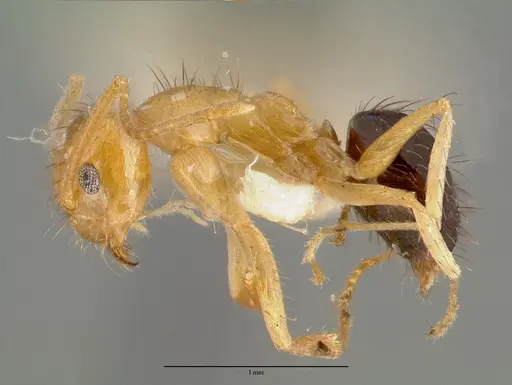
Nylanderia consuta is a small ant species native to the Solomon Islands in the Pacific. Workers measure approximately 2.7mm and have a distinctive appearance: a yellow body with a jet black gaster (abdomen) and reddish anal segment. They are smooth and shining with long, coarse erect hairs. This species was originally described in 1934 as Nylanderia consuta but had to be renamed in 1935 because the name was already in use. [1][2]
This is a poorly documented tropical species with limited research available. Like other Nylanderia ants, they are likely active foragers that nest in soil or rotting wood in the Solomon Islands' humid forest environments. Their small size and coloration are typical of the genus.
Quick Summary
- Difficulty: Unknown, limited data available
- Origin & Habitat: Solomon Islands (Guadalcanal, Makira, Santa Cruz), tropical island environment with high humidity [1][3]
- Colony Type: Colony structure unconfirmed, likely single-queen (monogyne) based on genus patterns, but not directly studied
- Size & Growth:
- Queen: Unknown, not described in available literature
- Worker: 2.7mm [2]
- Colony: Unknown, no colony size data available
- Growth: Unknown, no development data available
- Development: Unknown, no direct measurements. Based on related tropical Nylanderia species, estimate 4-8 weeks at warm temperatures. (Development timeline is unconfirmed. Tropical Formicinae typically develop faster than temperate species.)
- Antkeeping:
- Temperature: Keep warm, roughly 24-28°C, matching Solomon Islands tropical conditions. A gentle gradient allows ants to regulate temperature.
- Humidity: High humidity preferred, think damp tropical forest. Keep substrate consistently moist but not waterlogged. Provide a water source.
- Diapause: Unlikely, being a tropical species from the Solomon Islands, they probably do not require a hibernation period. Maintain warm conditions year-round.
- Nesting: Natural nesting unconfirmed, but related Nylanderia species typically nest in soil, under stones, or in rotting wood. A naturalistic setup with moist substrate or a Y-tong/plaster nest works well.
- Behavior: Behavior is unconfirmed for this specific species. Based on genus patterns, they are likely active foragers that scavenge for honeydew and small insects. Their small size (2.7mm) means escape prevention is important, use fine mesh barriers. They are not known to be particularly aggressive. Temperament is likely similar to other Nylanderia: generally peaceful but capable of defending the colony.
- Common Issues: limited data makes care recommendations uncertain, proceed with caution, small size means escapes are possible without fine mesh barriers, tropical species may be sensitive to temperature drops, humidity requirements may be higher than typical, monitor for drying, no documented captive breeding success to reference
Species Background and Identification
Nylanderia consuta is a rare ant species endemic to the Solomon Islands, a group of islands in the Pacific Ocean near Papua New Guinea. The species was first collected in 1934 from Guadalcanal Island and was originally described as Nylanderia consuta. However, the name had to be changed in 1935 because another ant species already held that name, making N. consuta the valid current name. [1][3]
Workers are tiny at just 2.7mm, making them one of the smaller ant species kept in captivity. They have a striking appearance with a yellow body and jet black gaster (the rear segment of the abdomen), plus a reddish tip. Their body is smooth and shining with long, coarse hairs standing upright. They closely resemble Nylanderia rosae from Australia but have a distinctly different color pattern. [2]
Natural Habitat and Distribution
This species is known only from the Solomon Islands: Guadalcanal, Makira, and Santa Cruz islands. The Solomon Islands have a tropical climate with high year-round humidity and warm temperatures. The type specimen was collected from the Kau Kau Plantation on Guadalcanal Island in 1933. [1][3]
In their natural habitat, Nylanderia species typically nest in soil, under stones, or in rotting wood in forested areas. They are often found in damp, shaded microhabitats. For captive care, replicate these conditions with a moist naturalistic setup or a well-humidified artificial nest.
Housing and Nesting
Because this species is small (2.7mm) and likely requires high humidity, a naturalistic setup with moist substrate works well. You can use a mix of soil and sand in a shallow container with pieces of flat stone or bark to provide hiding spots. Alternatively, a Y-tong (acrylic) nest with narrow chambers and a water reservoir works for species that tolerate drier conditions, but monitor humidity closely.
Ensure escape prevention is solid, these tiny ants can squeeze through surprisingly small gaps. Use fine mesh on any ventilation holes and check that all connections are tight. A water test to confirm no leaks is essential before adding your colony.
Feeding and Diet
The specific diet of N. consuta is unstudied, but Nylanderia species are generalist foragers that typically consume honeydew from aphids and scale insects, plus small insects and arthropods. In captivity, offer sugar water or honey as an energy source, and provide small live prey like fruit flies, pinhead crickets, or other tiny insects for protein.
Feed sugar sources constantly and offer protein prey 2-3 times per week. Remove uneaten prey after 24 hours to prevent mold. Since this species is so small, prey items should be appropriately sized, anything larger than their head is likely too big to handle.
Temperature and Humidity Requirements
As a tropical species from the Solomon Islands, N. consuta needs warm, humid conditions. Aim for temperatures in the range of 24-28°C (75-82°F). A heating cable on one side of the nest creates a gentle gradient so ants can move to their preferred temperature. Avoid temperatures below 22°C as prolonged cool conditions may stress them.
Humidity should be high, think damp forest floor. Keep the substrate consistently moist but not waterlogged. If using a test tube setup, ensure the water reservoir is adequate but not so large that flooding becomes a risk. A shallow water dish in the outworld provides drinking access.
Colony Development and Growth
No specific data exists for this species' development timeline. Based on related tropical Nylanderia species and general Formicinae patterns, expect eggs to develop into workers in approximately 4-8 weeks at optimal warm temperatures. The first workers (nanitics) will be smaller than mature workers.
Colony size in the wild is unknown, but Nylanderia colonies are typically moderate, likely under a few hundred workers. Growth rate depends on successful feeding and proper temperature. Be patient with this species, as small colonies develop slowly and may take months to reach double-digit worker counts.
Frequently Asked Questions
How long does it take for Nylanderia consuta to produce first workers?
The egg-to-worker timeline is unconfirmed for this species. Based on related tropical Nylanderia species, estimate 4-8 weeks at warm temperatures (around 26°C). Actual times may vary based on temperature and feeding success.
What do Nylanderia consuta ants eat?
Like other Nylanderia species, they likely eat honeydew and small insects. In captivity, offer sugar water or honey for energy and small live prey like fruit flies or pinhead crickets for protein. Feed sugar sources constantly and protein prey 2-3 times weekly.
Do Nylanderia consuta ants need hibernation?
No, being a tropical Solomon Islands species, they do not require hibernation. Keep them warm year-round at 24-28°C. Prolonged cool temperatures may stress the colony.
Are Nylanderia consuta good for beginners?
This species is not recommended for beginners due to limited available care information. The difficulty level is uncertain. If you have experience with other small tropical ants, you may experiment, but proceed with caution and monitor conditions closely.
How big do Nylanderia consuta colonies get?
Colony size is unknown, no wild colony data exists for this species. Based on typical Nylanderia patterns, colonies likely reach a few hundred workers at most. Expect slow growth over many months.
What temperature should I keep Nylanderia consuta at?
Keep them warm at 24-28°C (75-82°F). A gentle temperature gradient allows ants to self-regulate. Avoid temperatures below 22°C. A heating cable on part of the nest can maintain warmth.
Can I keep multiple Nylanderia consuta queens together?
Colony structure is unconfirmed for this species. Combining unrelated queens has not been documented and is not recommended. Most Nylanderia are single-queen species. If you have multiple foundress queens, house them separately.
Why are my Nylanderia consuta dying?
Without documented captive issues, we can only speculate. Common problems for poorly known tropical species include: temperature stress from being too cold, humidity issues (too dry or too wet), inadequate prey size, or escape-related losses. Review temperature, humidity, and feeding before assuming other causes.
What size nest do Nylanderia consuta need?
Use small, tight chambers scaled to their tiny 2.7mm size. Avoid tall, open spaces. A naturalistic setup with moist substrate or a Y-tong/plaster nest with narrow passages works well. Ensure excellent escape prevention with fine mesh.
References

This caresheet is licensed under CC BY-SA 4.0 .
CASTYPE05029
View on AntWeb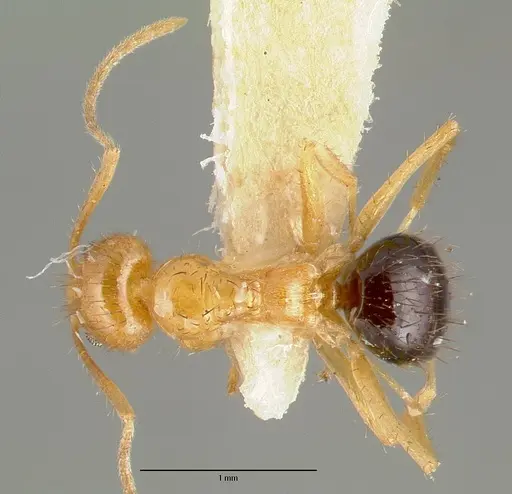
Literature
Loading...Loading products...