

Nylanderia rosae
- Scientific Name
- Nylanderia rosae
- Tribe
- Lasiini
- Subfamily
- Formicinae
- Author
- Forel, 1902
- Distribution
- Found in 1 countries
Nylanderia rosae Overview
Nylanderia rosae is an ant species of the genus Nylanderia. It is primarily documented in 1 countries , including Australia. Detailed taxonomic data and occurrence records can be further explored via authoritative databases such as AntWeb or the Global Biodiversity Information Facility (GBIF).
Nylanderia rosae
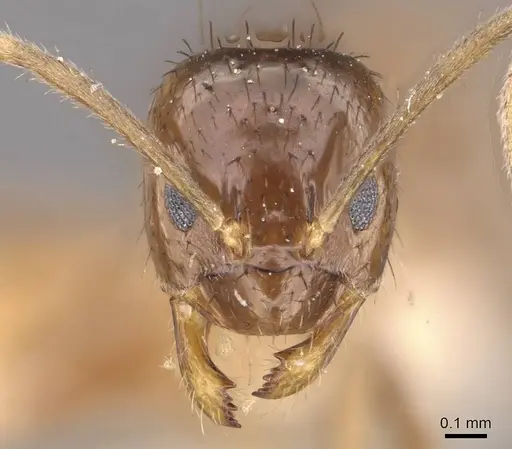
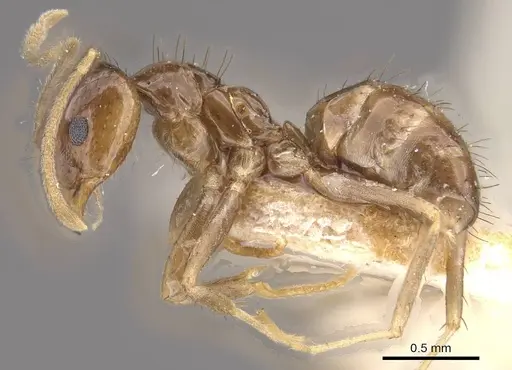
Nylanderia rosae is a small ant species native to Australia, belonging to the Formicinae subfamily. Workers are tiny at around 2-3mm, with the characteristic long legs and antennae typical of Nylanderia ants. They have a dark brown to black coloration. This species is found throughout Australia, particularly in urban green spaces and modified habitats. The genus Nylanderia was separated from Paratrechina in 2010,and these ants are known for their quick, erratic movements, earning them the nickname 'crazy ants' in some contexts [1].
What makes N. rosae interesting is its preference for simpler habitats with less vegetation complexity. Research shows they thrive in areas with only a herb layer, making them well-adapted to mowed grass areas like golf course fairways. They are day-active predators and scavengers, attracted to protein sources like minced meat baits, a unusual feeding trait compared to many ant species that prefer sugar [2].
Quick Summary
- Difficulty: Easy
- Origin & Habitat: Australia, found throughout the continent in urban green spaces, particularly in low-complexity habitats like golf course fairways and areas with only herb layer vegetation [2][3].
- Colony Type: Likely monogyne (single queen colonies) based on typical Nylanderia patterns. Colony size is unknown but likely moderate, similar Nylanderia species typically reach a few hundred workers.
- Colony: Monogyne
- Founding: Claustral
- Size & Growth:
- Queen: Unknown, not directly measured in available literature. Estimated 4-5mm based on genus patterns.
- Worker: Approximately 2-3mm based on typical Nylanderia worker size [1].
- Colony: Unknown, no colony size data available. Related species typically reach several hundred workers.
- Growth: Unknown, no development data available. Estimated moderate based on genus.
- Development: Unknown, no direct development data. Estimated 6-8 weeks based on related Formicinae species at optimal temperature. (Development timeline unconfirmed. Related Nylanderia species in the genus suggest moderate development speed.)
- Antkeeping:
- Temperature: Keep at room temperature, roughly 20-26°C. Australian species can tolerate a range from cooler room temperature up to warm conditions. Start at 22-24°C and observe colony activity.
- Humidity: Standard household humidity is suitable. These are adaptable ants from variable Australian conditions. Keep nest substrate moderately moist but not wet.
- Diapause: Likely required, Australian temperate ants typically need a winter rest period. Provide 2-3 months at 10-15°C during austral winter (roughly November-February in the Southern Hemisphere).
- Nesting: Accepts various nest types. In nature they nest in soil, under stones, and in rotting wood. Test tubes work well for founding colonies, larger colonies can move to Y-tong or naturalistic setups. Provide moist substrate.
- Behavior: Day-active ants with erratic, quick movement patterns typical of Nylanderia. They are active foragers attracted to protein sources. Workers are small but can be aggressive when defending the colony. Escape prevention is important due to their tiny size, they can squeeze through small gaps. They are attracted to protein baits, making feeding straightforward. They may be less interested in sugar water than some ant species.
- Common Issues: tiny size means escapes are likely without fine mesh barriers, protein-focused diet may require more varied feeding than sugar-water-only species, slow colony growth can test keeper patience, winter dormancy requirements may be unfamiliar to keepers used to tropical species, limited available information means some care aspects are estimates rather than confirmed
Nest Preferences and Housing
In the wild, Nylanderia rosae nests in soil, under stones, and in rotting wood, typical nesting sites for ground-dwelling ants. For captive care, test tubes work excellently for founding colonies. The queen seals herself in a claustral chamber and raises her first workers without leaving. Once the colony reaches 20-30 workers, you can consider moving them to a Y-tong or naturalistic formicarium. They do well with moist substrate but avoid waterlogging, a damp cotton ball in the test tube provides adequate humidity. Because they are tiny, ensure any formicarium has tight-fitting connections and fine mesh barriers on any ventilation. They prefer narrow chambers over large open spaces. [2][1]
Feeding and Diet
Research shows N. rosae is strongly attracted to protein sources, they were collected via minced meat baits, indicating they belong to predator/scavenger feeding guilds [2]. This makes protein-rich foods essential: offer small insects like fruit flies, pinhead crickets, or mealworms. Unlike many ants that prefer sugar, this species seems more focused on protein. However, offering sugar water occasionally is still worthwhile, some keepers report acceptance. Feed protein prey 2-3 times per week, removing any uneaten prey after 24 hours. Sugar water can be offered weekly. Their small size means prey items should be appropriately sized, very small insects or pre-killed pieces work well.
Temperature and Seasonal Care
As an Australian species, N. rosae experiences seasonal temperature variations and likely requires a winter dormancy period. Keep the colony at 22-26°C during the active season (roughly October through April in the Southern Hemisphere). During the austral winter (May-August), reduce temperatures to 10-15°C to simulate natural conditions. This diapause period is important for colony health and may trigger reproductive behavior in spring. Room temperature in most homes is suitable, around 20-24°C works well. Avoid temperatures above 30°C or below 15°C for extended periods. A heating cable on one side of the nest creates a gradient allowing workers to self-regulate.
Behavior and Colony Dynamics
Nylanderia ants are known for their quick, erratic movement, sometimes called 'crazy ants' for this behavior. Workers forage individually rather than in trails, exploring their territory in a scattered pattern. They are day-active, with peak foraging during daylight hours [2]. The colony will establish a central nest site and send workers out to forage. Workers are small but can deliver a mild bite if threatened. Colonies grow gradually, expect the first nanitic workers (smaller than normal) to emerge 6-8 weeks after founding, with moderate growth thereafter. The queen is long-lived and will continue producing workers for years.
Frequently Asked Questions
How long does it take for Nylanderia rosae to produce first workers?
The exact timeline is unconfirmed for this species, but based on related Formicinae ants, expect first workers (nanitics) around 6-8 weeks after the queen lays eggs. This depends on temperature, warmer conditions (around 24°C) speed development, while cooler temperatures slow it.
What do Nylanderia rosae ants eat?
They are protein-focused scavengers and predators. Offer small insects like fruit flies, pinhead crickets, or small mealworms 2-3 times per week. They may accept sugar water occasionally but protein is more important. Remove uneaten prey within 24 hours.
Do Nylanderia rosae ants need hibernation?
Yes, as an Australian species they likely need a winter rest period. Provide 2-3 months at 10-15°C during the austral winter (roughly May-August in the Southern Hemisphere). This mimics their natural seasonal cycle.
Are Nylanderia rosae good for beginners?
Yes, they are considered easy to keep. They are adaptable, accept standard housing, and are not aggressive. The main challenges are their tiny size (escape prevention is critical) and the need for winter dormancy. Their protein-focused diet is also slightly different from typical ant care.
Can I keep multiple Nylanderia rosae queens together?
This species is likely monogyne (single queen). Combining unrelated queens is not recommended as they would likely fight. If you capture a colony with multiple queens, they may eventually sort out dominance or the extra queens may be rejected.
How big do Nylanderia rosae colonies get?
Colony size is unconfirmed for this specific species. Based on related Nylanderia species, expect several hundred workers at maturity. Growth is gradual, colonies take a year or more to reach significant numbers.
When should I move Nylanderia rosae to a formicarium?
Keep them in a test tube until the colony reaches 20-30 workers. At this point, they benefit from more space and a formicarium with chambers and tunnels. A Y-tong or acrylic nest with appropriate-sized chambers works well.
Why are my Nylanderia rosae escaping?
Their tiny 2-3mm size means they can squeeze through remarkably small gaps. Use fine mesh (at least 0.5mm), ensure all lids fit tightly, and apply fluon or barrier gel around any openings. Check all connections and ventilation holes.
What temperature is best for Nylanderia rosae?
Keep them at 22-26°C during the active season. Room temperature (around 20-24°C) is usually suitable. Avoid temperatures above 30°C. A gentle gradient allowing them to choose their preferred temperature is ideal.
References

This caresheet is licensed under CC BY-SA 4.0 .
CASENT0911022
View on AntWeb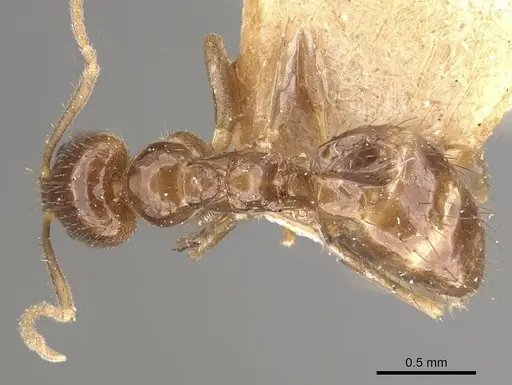
Literature
Loading...Loading products...