

Nylanderia arenivaga
- Scientific Name
- Nylanderia arenivaga
- Tribe
- Lasiini
- Subfamily
- Formicinae
- Author
- Wheeler, 1905
- Common Name
- Sand-Loving Crazy Ant
- Distribution
- Found in 2 countries
Nylanderia arenivaga Overview
Nylanderia arenivaga (commonly known as the Sand-Loving Crazy Ant) is an ant species of the genus Nylanderia. It is primarily documented in 2 countries , including Mexico, United States of America. Detailed taxonomic data and occurrence records can be further explored via authoritative databases such as AntWeb or the Global Biodiversity Information Facility (GBIF).
Nylanderia arenivaga - "Sand-Loving Crazy Ant"
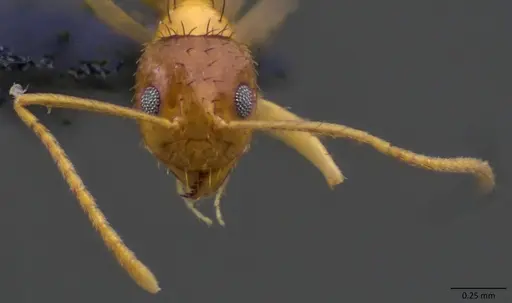
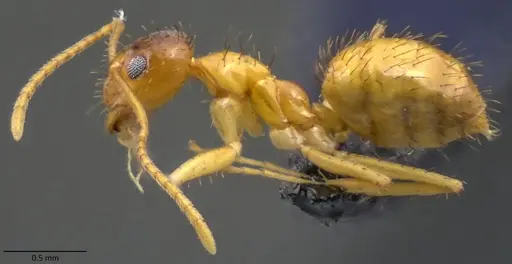
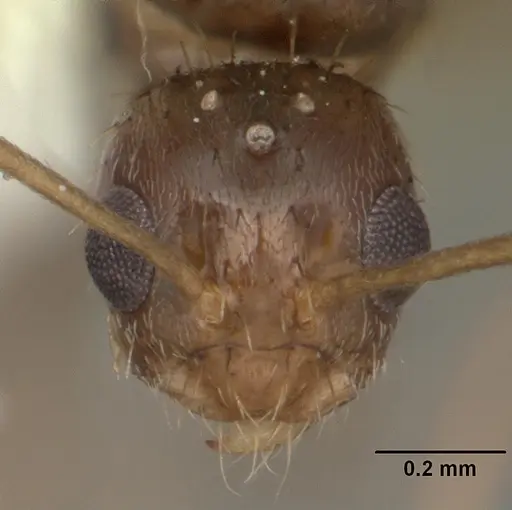
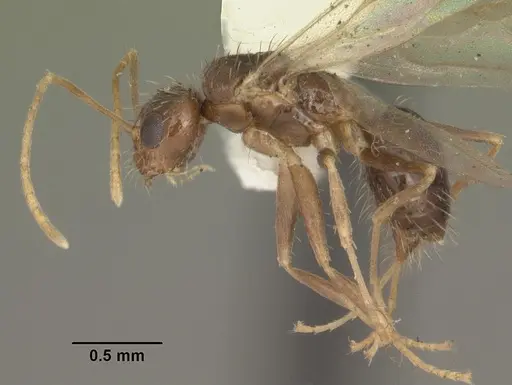
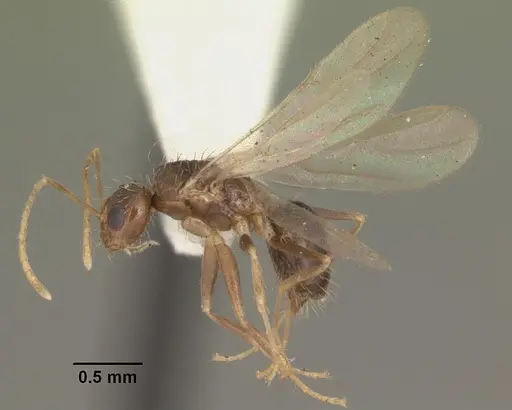
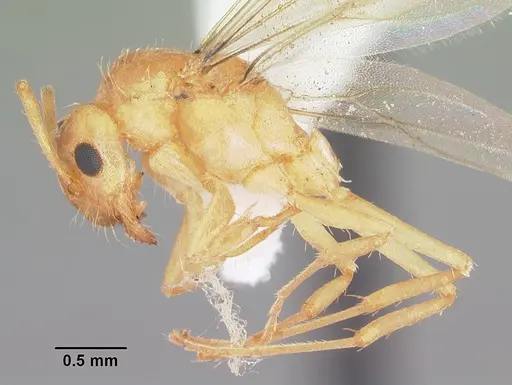
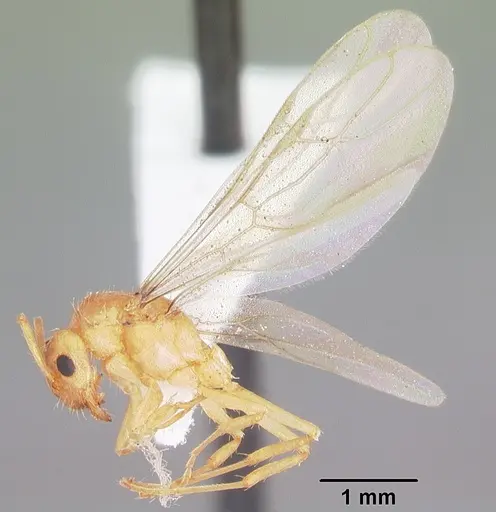
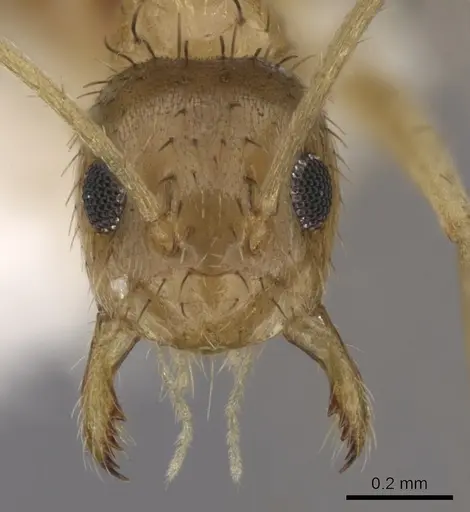
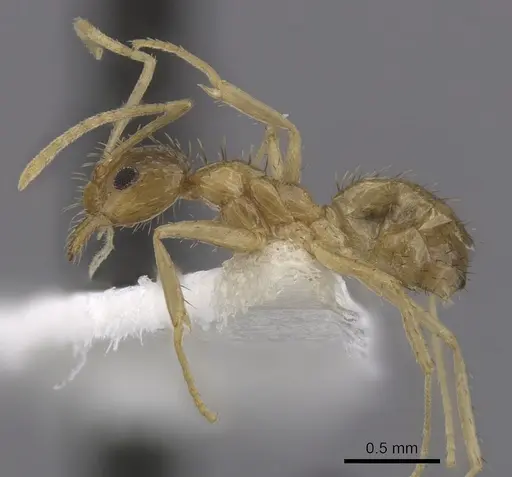
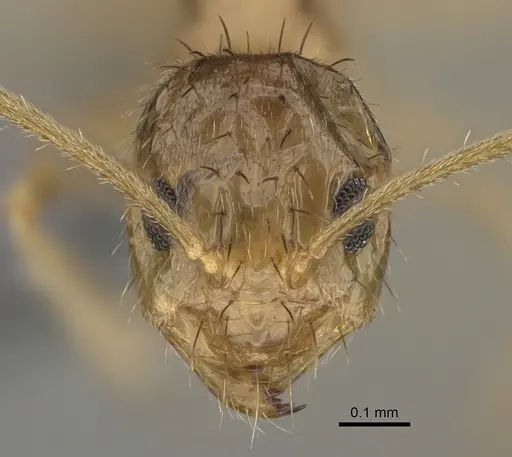
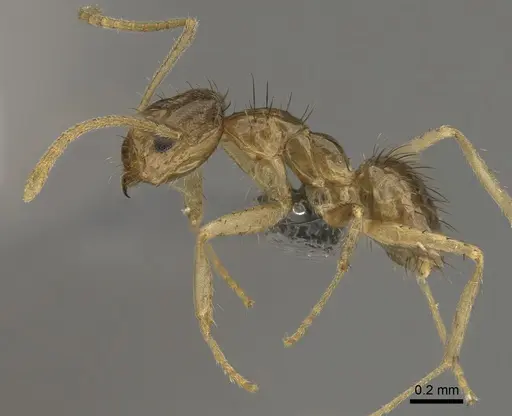
Nylanderia arenivaga is a small, pale yellow ant native to the eastern United States. Workers measure 1.84-2.63 mm and have a distinctive yellow body with a brownish tip on the gaster (abdomen). This species is a sand specialist, almost exclusively found in deep sandy deposits from Massachusetts to Florida and west along the Gulf States [1]. Queens are significantly larger at 4.20-4.67 mm and share the yellowish coloration with darker brownish portions on the mesosoma and gaster [1]. Unlike many ants, this species is strictly nocturnal, foraging at night to avoid heat and competition [2]. They create distinctive crater-shaped nest entrances in open sandy areas, with nests extending over 20-30 cm deep underground [1].
Quick Summary
- Difficulty: Medium
- Origin & Habitat: Eastern United States from Massachusetts to Florida, with populations west along Gulf States to Texas. Also found in northeastern Mexico. Inhabits open, well-drained sandy areas including sandhills, dunes, and longleaf pine ecosystems [1][3].
- Colony Type: Monogyne (single queen) colonies with monomorphic workers. Nests often show polydomous behavior, multiple crater entrances clustered together may represent one colony with several nest entrances or multiple neighboring colonies [1][4].
- Colony: Monogyne
- Founding: Claustral
- Size & Growth:
- Queen: 4.20-4.67 mm [1]
- Worker: 1.84-2.63 mm [1]
- Colony: Estimated several hundred workers based on related Nylanderia species, colonies are relatively small [1]
- Growth: Moderate, estimated 6-10 weeks from egg to first worker based on genus patterns
- Development: 6-10 weeks (estimated based on related Nylanderia species and typical Formicinae development) (Development time is inferred from genus patterns, direct measurements for this species are not available. Temperature will significantly affect development speed.)
- Antkeeping:
- Temperature: Keep at room temperature, roughly 20-25°C. This species tolerates a range and is found in temperate to warm regions of the US [1]. A gentle gradient is beneficial but not required.
- Humidity: Low to moderate. As a sand-dwelling species from open, well-drained areas, they prefer drier conditions than most ants. Allow the nest substrate to dry between waterings, think sandy soil that drains quickly, not damp moss.
- Diapause: Partial or minimal. Workers forage all winter in southern portions of their range [1]. A slight cool period (15-18°C) for 2-3 months may benefit colonies but is not strictly required.
- Nesting: Deep, sandy nests are essential. In captivity, provide a deep test tube setup (15+ cm) or a naturalistic setup with deep sand substrate. They nest 20-30 cm deep in the wild, so deeper is better. Multiple entrance holes may be used, this matches their natural polydomous tendency.
- Behavior: Nocturnal and relatively docile. Workers forage at night, primarily collecting honeydew and small insects [5]. They are opportunistic foragers and will also remove seeds [6]. Colonies are not aggressive and workers are small enough that escape prevention is moderate concern, they can fit through small gaps but are not extreme escape artists like some Nylanderia species. They may form competitive interactions with other ant species, one study observed them raiding Pheidole pilifera nests for seeds and attacking workers with formic acid [5].
- Common Issues: deep nesting requirement means standard test tubes may be too shallow, provide deep setups or multiple connected tubes, nocturnal foraging means you may not see activity during daylight hours, this is normal, not a problem, dry habitat needs can conflict with keeping other ant species, they prefer sandy, well-drained conditions not damp nests, small colony sizes mean slow growth, patience is required during founding phase, polydomous nesting behavior may cause keepers to mistake multiple nest entrances for multiple colonies
Housing and Nest Setup
Nylanderia arenivaga requires deeper nesting setups than most small ants. In the wild, their nests extend 20-30 cm below the surface with multiple crater-style entrances measuring 4-7 cm in diameter [1]. For captivity, provide a deep test tube setup (at least 15-20 cm long) or a naturalistic formicarium filled with coarse, sandy soil. The substrate should be well-draining, mix play sand with some clay or soil to allow for tunnel construction while preventing waterlogging. Multiple entrance holes can be provided to accommodate their natural polydomous tendency, where one colony may have up to 20 entrances in the wild [1]. A Y-tong or acrylic nest with narrow chambers also works well, but ensure the chambers are not too humid, these ants prefer drier conditions.
Feeding and Diet
In the wild, workers forage nocturnally for honeydew from aphids and scale insects, as well as small insect carcasses [5]. They are also known to remove and collect seeds, making them seed dispersers in their ecosystem [6]. In captivity, offer a mix of sugar water or honey as a constant energy source, and protein sources like small crickets, mealworms, or fruit flies every few days. Because they are nocturnal, place food in the outworld in the evening and check the next morning. They are opportunistic foragers and generally accept a wide variety of foods, similar to other Nylanderia species. Avoid overfeeding, small portions that can be consumed overnight are better than large food masses left to decompose.
Temperature and Seasonal Care
This species tolerates a range of temperatures from roughly 18-28°C, reflecting its wide distribution across the eastern US [1]. Room temperature (20-25°C) is typically suitable. Unlike some ants that require strict heating, they do well at standard indoor temperatures. In the wild, workers forage throughout winter in southern portions of their range [1], so they do not require a true hibernation. However, a slight cool period (15-18°C) for 2-3 months during winter months may simulate their natural cycle and promote colony health. Avoid keeping them too warm (above 30°C) or in consistently humid conditions, they are adapted to open, well-drained sandy habitats where conditions are drier.
Behavior and Colony Dynamics
Nylanderia arenivaga is a nocturnal species that has evolved to forage at night when temperatures are cooler and competition from other ants is reduced [2]. Workers are relatively docile and do not possess a painful sting, though they may spray formic acid defensively if threatened [5]. Colonies appear to exhibit polydomous behavior in the wild, multiple crater entrances clustered together may represent one large colony with several nest entrances [1]. This means your colony may create multiple holes in a naturalistic setup, which is normal behavior rather than indicating multiple colonies. Growth is moderate, expect several months from founding to first workers, and a year or more to reach moderate colony sizes. They are considered an opportunist species in ecological studies, meaning they can adapt to various conditions but prefer undisturbed sandy habitats.
Frequently Asked Questions
How long does it take for Nylanderia arenivaga to produce first workers?
Expect 6-10 weeks from egg to first worker at room temperature (20-25°C). This is an estimate based on related Nylanderia species since specific development data for N. arenivaga is not available. The first workers (nanitics) will be smaller than mature workers.
Can I keep Nylanderia arenivaga in a test tube?
Yes, but use a deep test tube (at least 15-20 cm). These ants nest 20-30 cm deep in the wild, so shallow tubes are inadequate. A standard test tube setup works for founding, but consider moving to a deeper naturalistic setup as the colony grows.
Why don't I see my Nylanderia arenivaga workers during the day?
This is normal, N. arenivaga is a strictly nocturnal species. They forage at night to avoid heat and competition. Place food in the outworld in the evening and check the next morning to see what they've consumed.
Do Nylanderia arenivaga need hibernation?
Not strictly. In the wild, workers forage throughout winter in southern portions of their range. A slight cool period (15-18°C) for 2-3 months may benefit the colony but is not required. They are adapted to temperate conditions and can handle normal indoor temperature fluctuations.
How big do Nylanderia arenivaga colonies get?
Colonies remain relatively small compared to many ants. Based on related species and their nesting behavior (polydomous with multiple entrances), colonies likely reach several hundred workers at maximum. Growth is moderate and colonies do not become massive.
What makes Nylanderia arenivaga different from other Nylanderia?
N. arenivaga is a sand specialist found almost exclusively in deep sandy deposits, while many other Nylanderia are generalists. They are strictly nocturnal (some related species are diurnal), nest much deeper (20-30 cm), and have distinctive crater-shaped nest entrances. Their yellow coloration with brown-tipped gaster helps identify them.
Can I keep multiple queens together?
No. This species is monogyne, colonies have a single queen [4]. Unlike some ants that can form multi-queen colonies, N. arenivaga does not tolerate multiple queens. Only one queen per colony.
What humidity level do Nylanderia arenivaga need?
Low to moderate. As a sand-dwelling species from open, well-drained areas, they prefer drier conditions. Allow the nest substrate to dry between waterings. The substrate should feel dry on the surface with some moisture retained deeper, avoid the damp conditions that work for tropical species.
Are Nylanderia arenivaga good for beginners?
They are moderate difficulty. The main challenges are providing deep nesting space and understanding their nocturnal foraging pattern. They are docile and don't require heating, which makes them easier than some species. However, their specific sand-dwelling habitat needs and slow founding phase require some patience.
References

This caresheet is licensed under CC BY-SA 4.0 .
ANTWEB1060096
View on AntWeb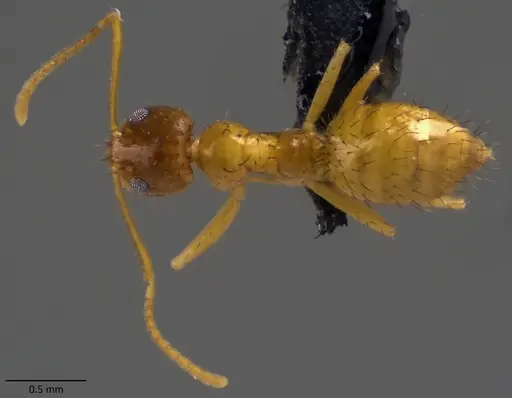
CASENT0104192
View on AntWeb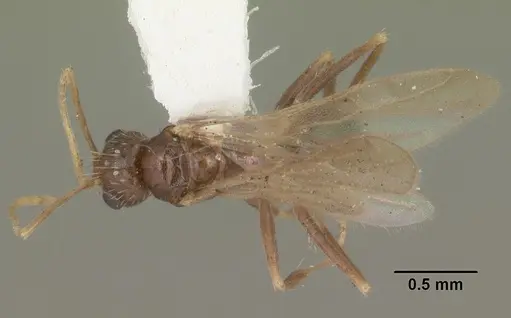
CASENT0104195
View on AntWeb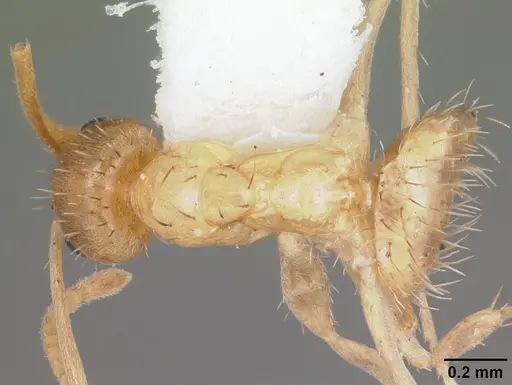
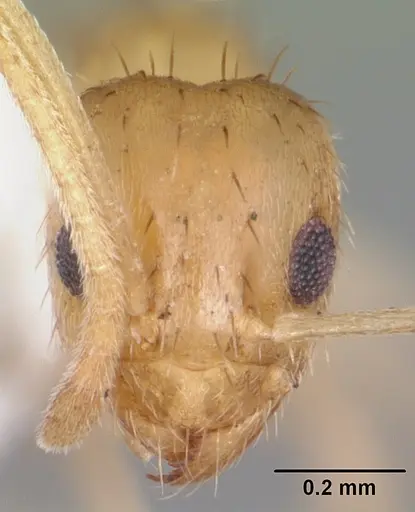
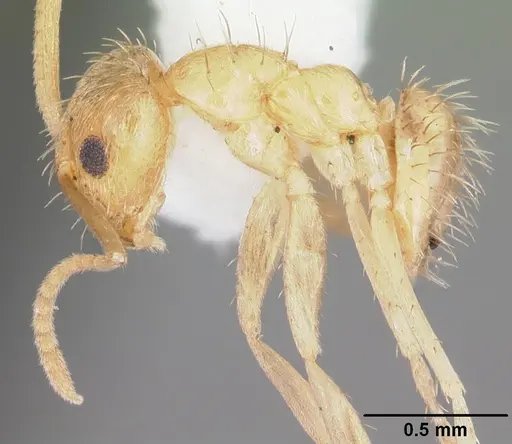
CASENT0104196
View on AntWeb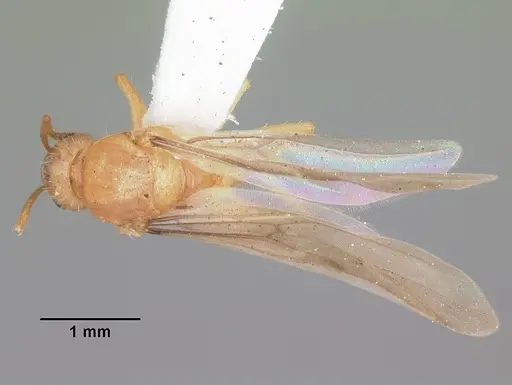
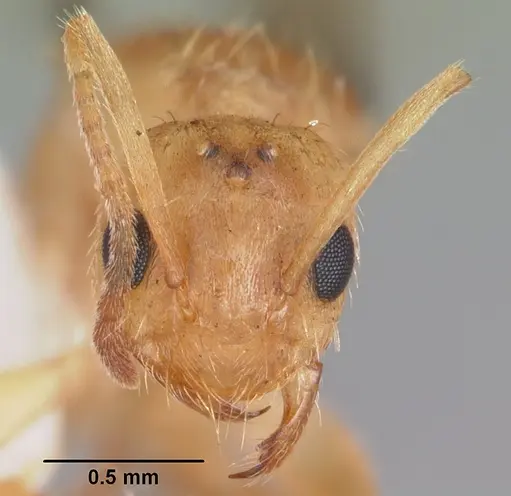
CASENT0280573
View on AntWeb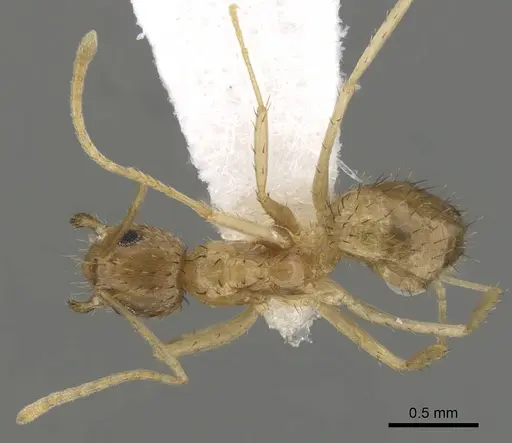
CASENT0923370
View on AntWeb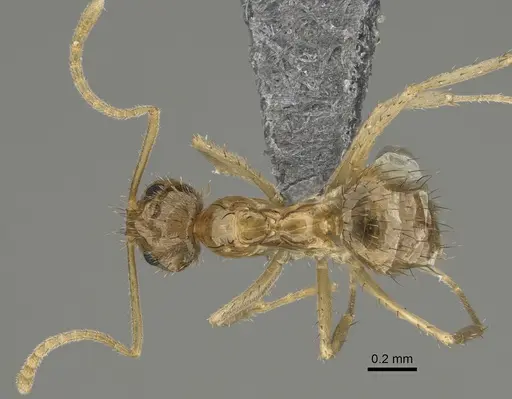
Literature
Loading...Loading products...