

Nothomyrmecia macrops
- Scientific Name
- Nothomyrmecia macrops
- Tribe
- Prionomyrmecini
- Subfamily
- Myrmeciinae
- Author
- Clark, 1934
- Common Name
- Australian Ant
- Distribution
- Found in 1 countries
Nothomyrmecia macrops Overview
Nothomyrmecia macrops (commonly known as the Australian Ant) is an ant species of the genus Nothomyrmecia. It is primarily documented in 1 countries , including Australia. Detailed taxonomic data and occurrence records can be further explored via authoritative databases such as AntWeb or the Global Biodiversity Information Facility (GBIF).
Nothomyrmecia macrops - "Australian Ant"
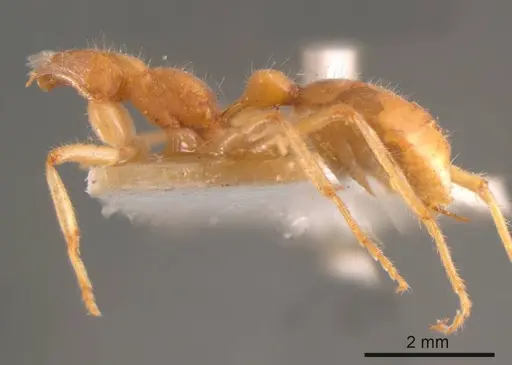
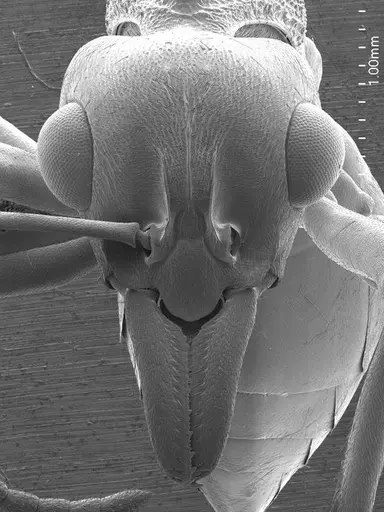
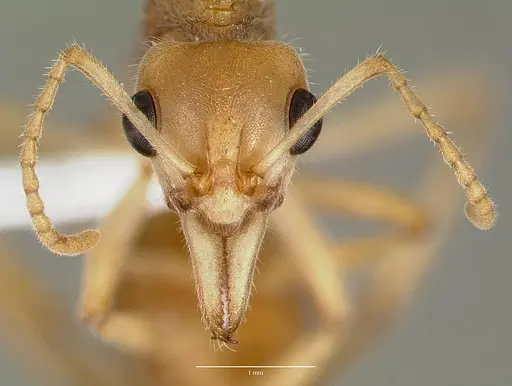
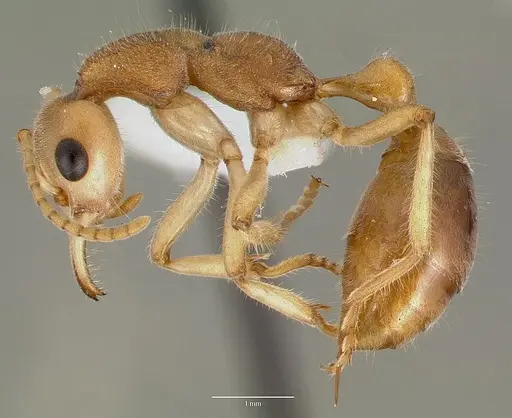
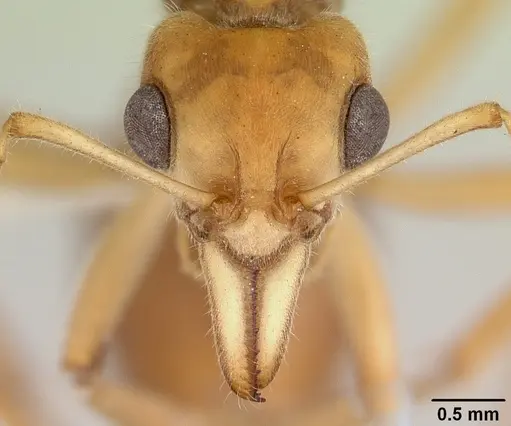
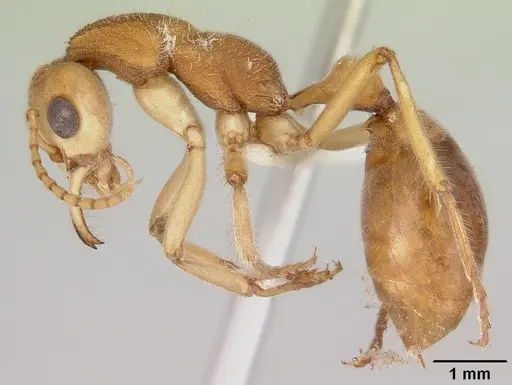
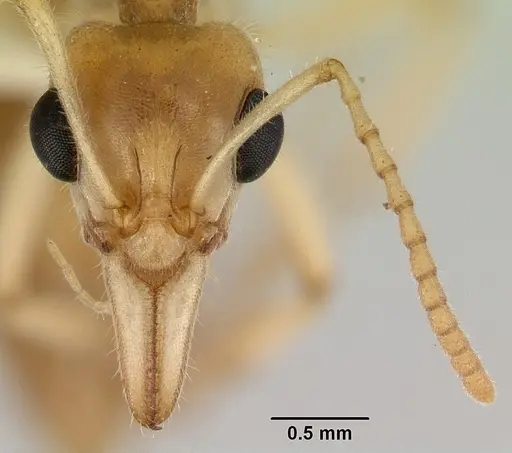
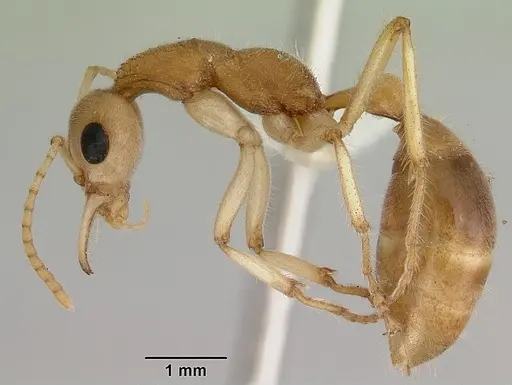
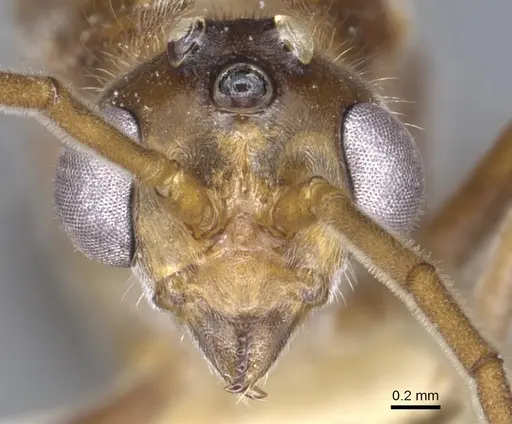
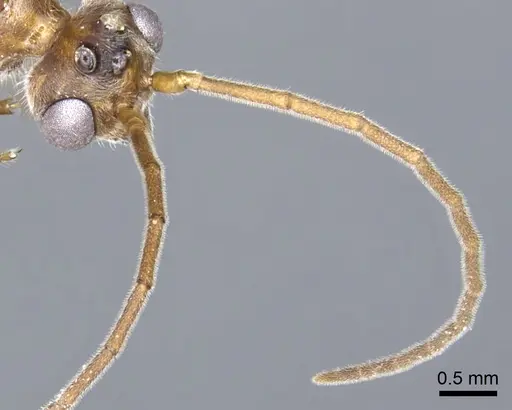
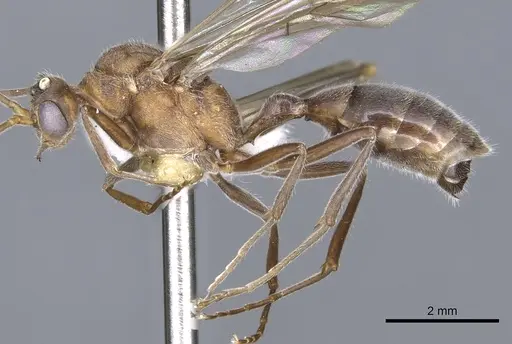
Nothomyrmecia macrops is one of the world's most primitive living ants, earning its nickname as a 'living fossil.' Workers are large (9.7-11mm), pale yellowish-brown ants with remarkably large eyes adapted for nocturnal vision [1]. Unlike most ants, they have a single waist node without a postpetiole, and they possess a prominent sting that delivers moderately painful venom [2]. This species is endemic to southern Australia, specifically the Eyre Peninsula in South Australia, where it inhabits mallee eucalypt woodland [3]. The most remarkable aspect of this species is its strictly nocturnal foraging behavior, workers emerge at dusk in dramatic 'explosive departures' and navigate using the tree canopy silhouetted against the night sky [1]. Unlike most ants, they forage alone without recruiting nestmates and show no division of labor among workers [4].
Quick Summary
- Difficulty: Expert
- Origin & Habitat: Endemic to the Eyre Peninsula in southern South Australia, specifically in mallee eucalypt woodland between Penong and Lake Gilles Conservation Park [3]. The species was originally described from Western Australia (Russell Range near Israelite Bay) in 1931 but was lost to science until rediscovered in 1977 [2].
- Colony Type: Monogynous (single queen per colony). Small colonies contain 50-70 workers [3]. Queens are brachypterous (short-winged) and cannot fly, but can be adopted back into their natal colony as replacement queens, a system called colony inheritance by daughters [4]. Workers are monomorphic and all participate in foraging, with no behavioral subcastes [4].
- Colony: Monogyne
- Founding: Semi-claustral, Pleometrosis
- Size & Growth:
- Queen: Slightly larger than workers, brachypterous (wings barely longer than mesosoma) [1]
- Worker: 9.7-11mm, averaging about 10mm [2]
- Colony: Fewer than 100 workers, typically 50-70 [3]
- Growth: Slow
- Development: Approximately 6-8 months, this species is univoltine (one generation per year). Eggs laid in autumn overwinter as larvae, pupate in late summer, and workers emerge from late December [4]. (This species produces one annual brood. Larvae develop through winter and pupate in late summer. Workers emerge from late December, males from mid-January, and new queens from late January [4].)
- Antkeeping:
- Temperature: Keep cool, these ants forage at low temperatures (5-10°C) on cold nights to avoid competition with other ants [5]. Room temperature (18-22°C) is likely suitable for keeping, but provide a thermal gradient so the colony can self-regulate.
- Humidity: Moderate humidity. In the wild, nests are found 18-43cm below ground in soil [2]. Keep substrate moderately moist but not waterlogged.
- Diapause: Yes, this species is univoltine with no brood present during winter (roughly late April to early September). Colonies likely reduce foraging and may seal nests during this period, similar to Myrmecia tarsata [2]. Provide a cool winter rest period around 10-15°C.
- Nesting: Soil-nesting species. In captivity, use a naturalistic setup with deep (15-20cm) soil chambers or a Y-tong/plaster nest with adequate depth. Nest entrances are small (4-6mm) and inconspicuous in the wild.
- Behavior: Strictly nocturnal, workers only forage at night and cannot be found during daytime searches [2]. They are solitary foragers that hunt individually and do not recruit nestmates to food sources [6]. Unlike their relatives the bulldog ants (Myrmecia), they are non-aggressive and generally non-territorial, workers transferred to foreign colonies show little aggression [2]. They navigate visually using the overhead tree canopy against the night sky rather than chemical trails [1]. When disturbed, they drop to the ground and feign death in a cryptic, motionless posture [2]. They possess a prominent sting with moderately painful delivery [2]. Escape risk is moderate, they are large ants but can climb well.
- Common Issues: very small colony size makes them vulnerable to stress and population loss, strictly nocturnal behavior means you may rarely see activity, cold-temperature foraging requirements may be difficult to replicate, brachypterous queens cannot fly, colony establishment differs from typical ants, limited distribution makes wild collection difficult and captive colonies rare, no division of labor means all workers forage, colony may appear inactive during day
Housing and Nest Setup
Nothomyrmecia macrops requires a naturalistic setup with deep soil chambers. In the wild, nests consist of a single gallery (4-5mm diameter) descending steeply at about 60° to a terminal chamber 3-5cm in diameter, located 18-43cm below ground [2]. For captivity, use a formicarium with soil-filled chambers at least 15-20cm deep or a Y-tong nest with deep chambers. The nest entrance should be small (4-6mm) and inconspicuous. Provide a water tube and keep the substrate moderately moist. Because they are strictly nocturnal, place the nest in a dark location or cover it to encourage natural foraging behavior. A foraging area with Eucalyptus bark or similar climbing surfaces will allow natural arboreal foraging behavior [2].
Feeding and Diet
In the wild, adult Nothomyrmecia are primarily nectarivorous but also drink hemolymph (the fluid inside insects) from prey they catch [2]. Workers feed avidly from honey baits on tree trunks, often for 30 minutes or more, with their gasters visibly expanding [2]. They hunt small arthropods including spiderlings and small moths. For captive feeding, offer sugar water or honey regularly, along with small live insects (fruit flies, small crickets, mealworm pieces) as protein. Larvae can move independently toward food and cannibalism is rare [2]. Unlike most ants, they do not use chemical recruitment trails, each forager works alone. Feed sugar sources 2-3 times per week and protein every 5-7 days. Queens in laboratory colonies have been observed collecting and feeding on insect prey themselves [4].
Temperature and Seasonal Care
This is perhaps the most critical aspect of keeping Nothomyrmecia. They are strictly nocturnal foragers that specifically seek out cold nights (5-10°C) to avoid competition with other ants [5]. This cold-temperature foraging is a key behavioral adaptation. Keep the colony at room temperature (18-22°C) as a baseline, but provide a thermal gradient so ants can choose their preferred temperature. During winter (Australian autumn/winter, roughly April to September), colonies enter a rest period with no brood present, this is their annual diapause [2]. Reduce temperatures to 10-15°C during this period and reduce feeding. The colony should not be disturbed during hibernation. In summer, ensure the nest does not overheat, they naturally inhabit cool nocturnal environments.
Colony Dynamics and Reproduction
Nothomyrmecia has fascinating colony dynamics unique among ants. Colonies are small (50-70 workers) with a single queen [3]. The most unusual feature is colony inheritance by daughters, when a queen dies, one of her daughters may take over as the new queen rather than the colony dying out [4]. Queens are brachypterous (short-winged) and cannot fly, they may flutter from vegetation after mating but long-range dispersal is impossible [3]. Males have full wings and do the dispersal. New queens can either found colonies independently or be adopted back into their natal colony. Workers are monomorphic with no division of labor, every worker forages, apart from one or two temporary nest entrance guards [4]. Worker reproduction occurs in queenright colonies (they lay trophic eggs fed to larvae and other adults), but these are not reproductive, workers appear incapable of producing males [4].
Behavior and Observation
Observing Nothomyrmecia is a unique experience because of their strictly nocturnal habits. Workers depart nests at dusk in what researchers describe as an 'explosive exodus', a dramatic mass emergence [1]. They forage singly on tree trunks, searching for sweet substances and hunting small arthropods. Unlike most ants, they do not use chemical trails to recruit nestmates [2]. Navigation is visual, they use the pattern of tree canopy against the night sky to find their way [1]. When disturbed, workers drop to the ground and feign death in a cryptic pupal posture [2]. They are remarkably non-aggressive compared to bulldog ants (Myrmecia), and show no territorial behavior, workers transferred to foreign colonies are accepted without aggression [2]. The best time to observe activity is in the evening hours with dim red light, as bright light will cause them to retreat.
Unique Biological Features
Nothomyrmecia holds several records and unique features among ants. It has the highest chromosome number known in Hymenoptera, diploid number of 92-94 [7]. It possesses a unique ventral stridulatory organ (other ants have dorsal stridulatory organs) [2]. The sting bulb gland is unique to Nothomyrmecia and its sister genus Myrmecia [8]. Workers have vestigial ocelli (simple eyes) despite having well-developed compound eyes, a derived feature [9]. The species is univoltine, producing one generation per year, with larvae overwintering and pupating in late summer [4]. Queens have only slightly more ovarioles than workers (8-10 vs 4-6), showing minimal caste divergence [2]. These features make Nothomyrmecia invaluable for studying ant evolution, it represents the most primitive extant ant lineage.
Frequently Asked Questions
How long does it take for Nothomyrmecia macrops to produce first workers?
This is a slow-growing species taking approximately 6-8 months from egg to worker. Nothomyrmecia is univoltine, it produces one generation per year. Eggs laid in autumn develop through winter as larvae, pupate in late summer, and workers emerge from late December [4].
Can I keep Nothomyrmecia macrops in a test tube?
Test tubes are not ideal for this species. Nothomyrmecia nests in the wild have chambers 18-43cm below ground with specific architecture (steeply descending gallery to terminal chamber). A naturalistic setup with deep soil chambers or a Y-tong nest with adequate depth is more appropriate.
Are Nothomyrmecia good for beginners?
No, this is an expert-level species. They have very specific requirements: strictly nocturnal foraging at cold temperatures (5-10°C), unusual colony dynamics with daughter inheritance, small colony sizes, and they are extremely rare in the antkeeping hobby. They are best suited for experienced keepers interested in primitive ant behavior.
How big do Nothomyrmecia colonies get?
Colonies are small, typically 50-70 workers, with a maximum of around 100 workers [3]. This is much smaller than most Myrmecia colonies and reflects their primitive social organization.
Do Nothomyrmecia need hibernation?
Yes, they require a winter rest period. This species is univoltine with no brood present during winter (late April to early September). Foraging is reduced and nests may be sealed, similar to Myrmecia tarsata. Provide a cool period around 10-15°C during the Southern Hemisphere winter (roughly June-August in the Southern Hemisphere, or adjust to match natural cycle).
Can I keep multiple Nothomyrmecia queens together?
Not recommended. Nothomyrmecia is monogynous (single queen per colony). One documented nest contained two dealate queens, but this appears to be temporary pleometrosis with eventual reduction to single queen (secondary monogyny) [2]. Combining unrelated queens has not been documented and would likely result in aggression.
What makes Nothomyrmecia macrops special?
Nothomyrmecia is considered the world's most primitive living ant, a 'living fossil.' It was known only from two specimens collected in 1931 and was rediscovered in 1977 after decades of searching. It has the highest chromosome number in Hymenoptera (2n=92-94), unique ventral stridulatory organs, and exhibits primitive behaviors like solitary foraging without recruitment. It is the sole extant species in its genus and represents an entire lineage of ant evolution.
Why are Nothomyrmecia only active at night?
They are strictly nocturnal as a strategy to avoid competition with other ants. They specifically forage on cold nights (5-10°C) when diurnal ant species are inactive [5]. Their large eyes are an adaptation for low-light vision. During the day, they remain in nests and are impossible to find in the field [2].
When will my Nothomyrmecia produce alates?
In established colonies, alates (males and new queens) emerge in summer. Workers begin emerging from late December, males from mid-January (around 16 January), and new queens from late January (around 20 January) [2]. This is the opposite timing of Northern Hemisphere species since they are in the Southern Hemisphere.
References

This caresheet is licensed under CC BY-SA 4.0 .
ANTWEB1008214
View on AntWeb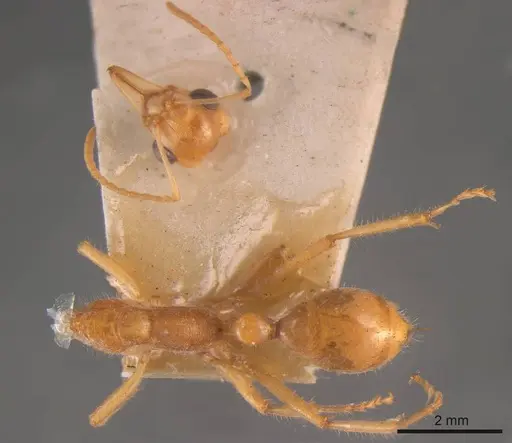
ANTWEB1008555
View on AntWeb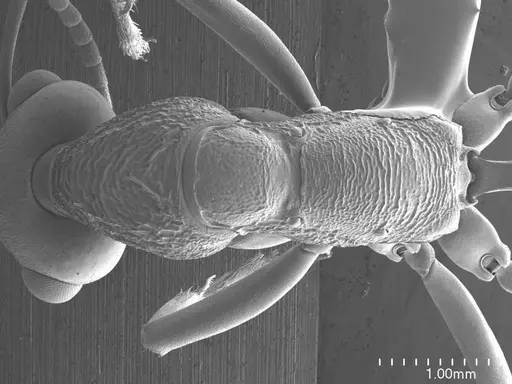
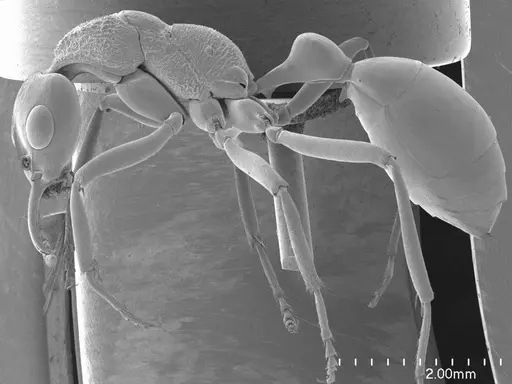
ANTWEB1008556
View on AntWeb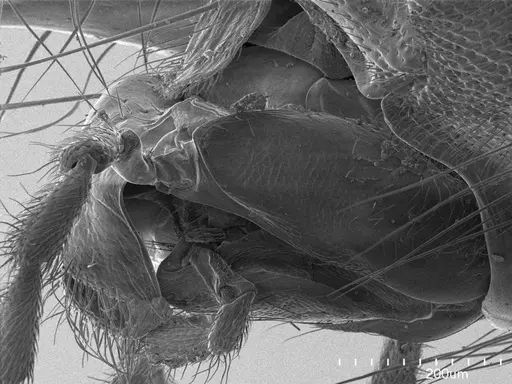
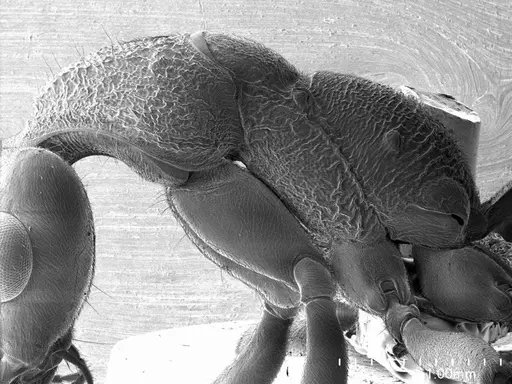
CASENT0003155
View on AntWeb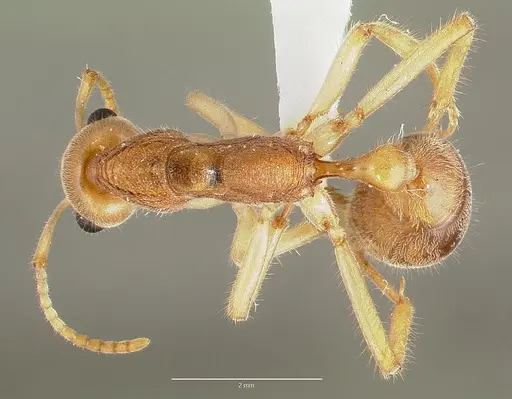
CASENT0172002
View on AntWeb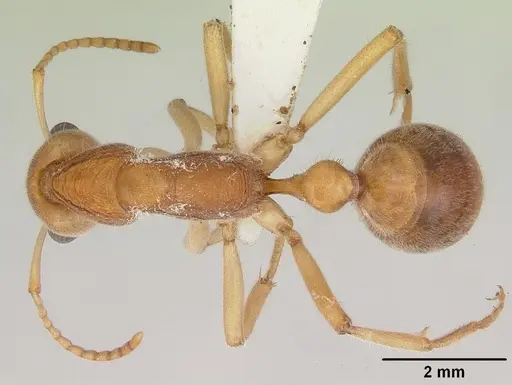
CASENT0172003
View on AntWeb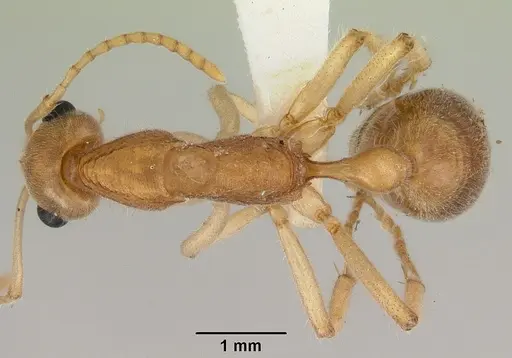
CASENT0902784
View on AntWeb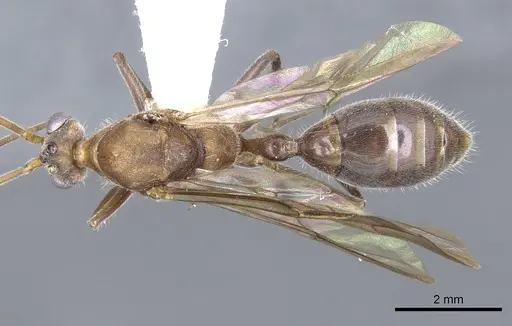
Literature
Loading...Loading products...