

Nesomyrmex devius
- Scientific Name
- Nesomyrmex devius
- Tribe
- Crematogastrini
- Subfamily
- Myrmicinae
- Author
- Csősz & Fisher, 2016
- Distribution
- Found in 1 countries
Nesomyrmex devius Overview
Nesomyrmex devius is an ant species of the genus Nesomyrmex. It is primarily documented in 1 countries , including Madagascar. Detailed taxonomic data and occurrence records can be further explored via authoritative databases such as AntWeb or the Global Biodiversity Information Facility (GBIF).
Nesomyrmex devius
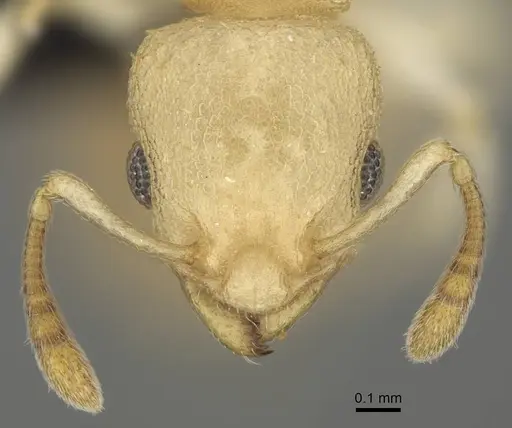
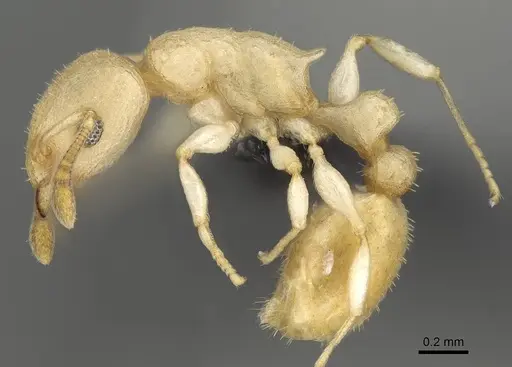
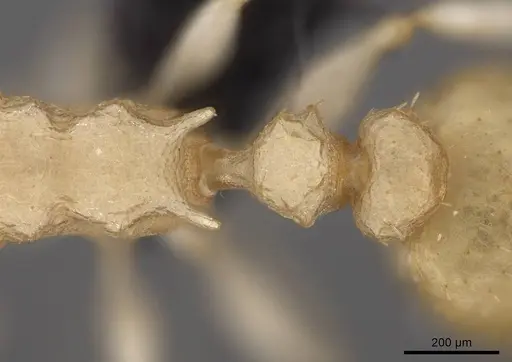
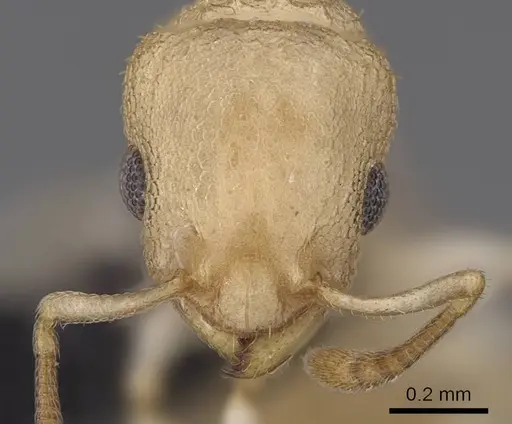
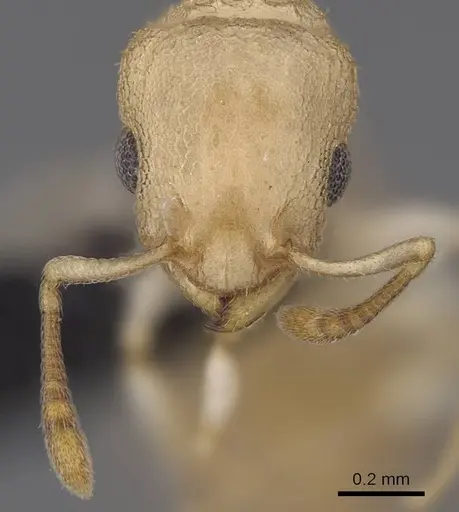
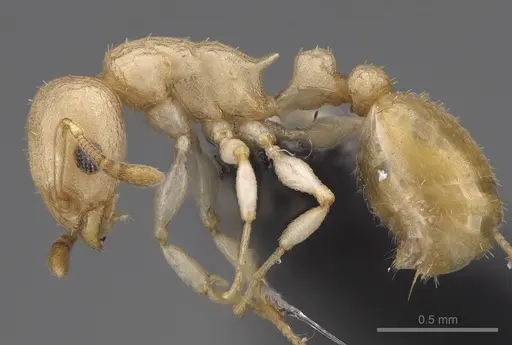
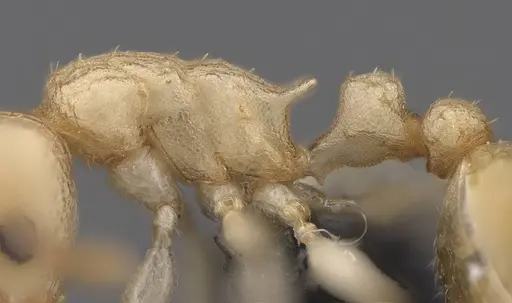
Nesomyrmex devius is an exceptionally tiny ant species endemic to the southwestern sub-arid regions of Madagascar. Workers measure just under 1mm in head width, making them one of the smaller ant species kept in captivity. They belong to the Nesomyrmex angulatus species group and display a yellow to brown coloration. This species was formally described in 2016 and is notable for being a cryptic species, it looks nearly identical to its close relative Nesomyrmex hirtellus, with the two only separable through complex statistical analysis of multiple measurements. In the wild, they inhabit rupicolous (rock-dwelling) vegetation on granite outcrops and the distinctive spiny forests of southern Madagascar [1][2].
Quick Summary
- Difficulty: Medium
- Origin & Habitat: Endemic to the southwestern sub-arid regions of Madagascar, specifically found in rupicolous vegetation on granite outcrops and spiny forests at elevations around 80m [1][2].
- Colony Type: Colony structure is unconfirmed. No data exists on whether they are monogyne (single queen) or polygyne (multiple queens).
- Size & Growth:
- Queen: Unconfirmed, queens have been described but exact measurements not available in accessible sources
- Worker: Workers are extremely small with an absolute cephalic size of 0.593mm (593 µm) ranging from 0.562-0.620mm [1]
- Colony: Unknown, no colony size data available
- Growth: Unknown, no development data available for this species
- Development: Unknown, no direct development studies exist. Based on typical Myrmicinae patterns and their small size, estimate 6-10 weeks at optimal temperature, but this is a rough guess. (No published data on egg-to-worker development time exists. Related Nesomyrmex species in Madagascar may provide indirect estimates, but none have been documented.)
- Antkeeping:
- Temperature: No direct thermal data exists for this species. As a Madagascar ant from the sub-arid south, they likely prefer warm conditions in the range of 24-28°C. Start at room temperature (22-25°C) and observe colony activity, if workers are active and foraging, the temperature is suitable. A gentle heat gradient with a heating cable on one side of the nest allows them to regulate their temperature preference.
- Humidity: Based on their sub-arid natural habitat (dry spiny forests and granite outcrops), they likely prefer drier conditions than typical rainforest ants. Aim for 50-60% humidity with a gradient, some drier areas and a slightly moister section. Avoid overly damp conditions that could cause mold. The nest substrate should be allowed to dry between waterings.
- Diapause: Unknown, no data on overwintering requirements. Madagascar generally lacks cold winters, so they may not require a true diapause. However, a slight reduction in temperature during winter months (a cool-down period to around 18-20°C) may be beneficial if mimicking natural seasonal cycles.
- Nesting: In the wild they nest in rupicolous habitats on granite outcrops, suggesting they prefer rocky substrates and tight spaces. For captivity, a small Y-tong (AAC) nest or plaster nest with narrow chambers works well. Their tiny size means chambers should be scaled accordingly, avoid large, open spaces. A small test tube setup can work for founding colonies, but monitor humidity carefully as small setups dry out faster.
- Behavior: No specific behavioral studies exist for this species. Based on their tiny size and genus typical behavior, they are likely shy and non-aggressive. They probably forage individually or in small groups rather than forming large raiding parties. Their extreme small size means escape prevention is critical, they can squeeze through gaps that larger ants cannot. Use fine mesh barriers and ensure all openings are sealed. They are unlikely to sting and pose no danger to keepers.
- Common Issues: escape prevention is critical due to their extremely small size, they can escape through standard mesh that works for larger ants, no published care information exists, you are essentially pioneering captive husbandry for this species, humidity balance is tricky, they likely need drier conditions but small nests dry out very quickly, colony growth may be slow, small ants often have longer development times and smaller colony sizes, no confirmed diet preferences, you will need to experiment with what they accept
Housing and Nest Setup
Because Nesomyrmex devius is an extremely small ant species, housing requires careful consideration. Their natural habitat consists of granite outcrops and rocky areas, so they likely prefer tight, enclosed spaces rather than open foraging areas. A small Y-tong (acrylic) nest with narrow chambers scaled to their tiny size works well. Alternatively, a small plaster nest can provide the rocky feel they prefer. For the outworld, keep it minimal, these ants are tiny and don't need large spaces. Test tube setups can work for founding colonies, but monitor humidity closely as small water reservoirs evaporate quickly. Escape prevention is absolutely critical, standard mesh may be too coarse for these tiny ants. Use fine mesh (at least 0.5mm or finer) or apply fluon to barrier edges. Check all seams and lid edges regularly. [1][2]
Feeding and Diet
No specific dietary studies exist for Nesomyrmex devius. Based on typical Nesomyrmex ecology and their small size, they likely function as generalist foragers, consuming small insects, honeydew, and possibly nectar. In captivity, offer a variety of small foods to determine preferences. Sugar water or honey water is often accepted by Myrmicinae, start with a small droplet and observe. For protein, offer very small prey items: fruit flies, pinhead crickets (appropriately sized), small mealworms, or other tiny arthropods. Because of their small size, prey items should be no larger than their own body size. Observe carefully, what gets consumed and what gets ignored will guide your feeding schedule. Remove uneaten prey after 24-48 hours to prevent mold.
Temperature and Seasonal Care
No thermal tolerance data exists for this species. As an endemic of southwestern Madagascar, they come from a warm, sub-arid region that experiences mild temperatures year-round. Begin care at room temperature (22-25°C) and adjust based on colony behavior. If workers are active and foraging readily, the temperature is suitable. If they seem sluggish, try slightly warmer conditions (up to 28°C). A heating cable placed on one side of the nest can create a temperature gradient, allowing the ants to self-regulate. Place the heating on top of the nest, not underneath, to avoid excessive drying. Regarding seasonal cycles, no data exists on diapause requirements. A conservative approach would be to provide a slight cool-down in winter (around 18-20°C) while maintaining some activity, rather than a full hibernation. Monitor your colony, if they naturally slow down in winter, follow their lead. [1]
Understanding Their Tiny Size
The most important thing to understand about keeping Nesomyrmex devius is just how small they are. With workers measuring less than 1mm in head width, they are among the smallest ants commonly kept. This has several practical implications. First, escape prevention becomes exponentially more difficult, they can slip through gaps that seem impossibly small. Second, prey items must be tiny, even a fruit fly is large relative to their body. Third, nest chambers and passages must be scaled down appropriately. Fourth, they are easily overlooked and can be accidentally crushed during nest maintenance. When working with them, use fine tools, move slowly, and check all boundaries multiple times. Their small size also means they dry out faster, so humidity management in small nests requires attention. Despite these challenges, their tiny size also makes them fascinating to observe, you can watch individual behaviors that are impossible with larger species. [1]
Pioneering Species Status
Nesomyrmex devius represents a genuine pioneering species in antkeeping, there is essentially no captive care information available beyond basic taxonomic descriptions. This means you are contributing to knowledge when you keep this species. Document your observations carefully: what foods do they accept, at what temperature are they most active, how quickly does the colony grow, do they prefer certain nest materials, how many workers do they have after one year? This information, while anecdotal, helps build the knowledge base for this species. The lack of published care guides also means there are no established best practices, you have freedom to experiment with different setups and diets. However, this also means there is no safety net of experienced keepers to turn to if problems arise. Start with conservative setups, document everything, and be prepared to adjust based on what works for your specific colony.
Frequently Asked Questions
How long does it take for Nesomyrmex devius to produce first workers?
The egg-to-worker development time is unknown, no published studies exist on their development. Based on typical Myrmicinae patterns and their very small size, estimate 6-10 weeks at optimal temperature, but this is a rough guess. Actual times may vary significantly.
Can I keep Nesomyrmex devius in a test tube setup?
Yes, a test tube setup can work for founding colonies, but you must monitor humidity carefully. Small test tube setups dry out quickly, so check water levels regularly. The tiny size of these ants also means escape prevention through the cotton plug must be excellent, consider using additional barriers.
What do Nesomyrmex devius eat?
Specific dietary preferences are unconfirmed. Based on typical Nesomyrmex behavior, they likely accept small insects, honeydew, and sugar sources. Offer sugar water or honey water, and small prey like fruit flies or tiny crickets. Remove uneaten food after 24-48 hours to prevent mold.
Do Nesomyrmex devius ants sting?
No specific data exists, but given their extremely small size, any sting would be negligible to humans. They are not considered dangerous and pose no threat to keepers.
How big do Nesomyrmex devius colonies get?
Maximum colony size is unknown, no colony size data has been published. Based on their tiny worker size, colonies are likely smaller than many common ant species, possibly reaching dozens to low hundreds of workers rather than thousands.
What temperature is best for Nesomyrmex devius?
No specific thermal data exists. As a Madagascar species from the sub-arid south, start at room temperature (22-25°C) and adjust based on colony activity. A range of 22-28°C is likely suitable. If workers are active and foraging, your temperature is appropriate.
Do Nesomyrmex devius need hibernation?
Diapause requirements are unknown. Madagascar lacks cold winters, so a true hibernation may not be necessary. A slight cool-down to 18-20°C during winter months may be beneficial, but monitor your colony, if they remain active, maintaining stable temperatures year-round is acceptable.
Why are my Nesomyrmex devius escaping?
Escape prevention is critical with this species due to their extremely small size. They can squeeze through gaps that larger ants cannot. Use fine mesh (0.5mm or finer), apply fluon to barrier edges, and check all seams and lid connections. Even standard ant-keeping mesh may be too coarse, consider double-layering or using fabric mesh.
Are Nesomyrmex devius good for beginners?
This species is not ideal for beginners primarily because no established care information exists, you are essentially pioneering captive husbandry. Additionally, their tiny size makes escape prevention challenging. However, if you are experienced with small ant species and comfortable with experimental care, they can be rewarding.
Can I keep multiple Nesomyrmex devius queens together?
Colony structure (monogyne vs polygyne) is unconfirmed for this species. No data exists on whether they tolerate multiple queens. Without established information, combining unrelated queens is not recommended.
References

This caresheet is licensed under CC BY-SA 4.0 .
CASENT0448820
View on AntWeb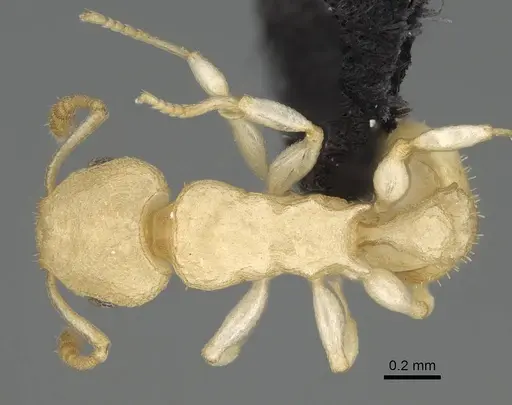
CASENT0448825
View on AntWeb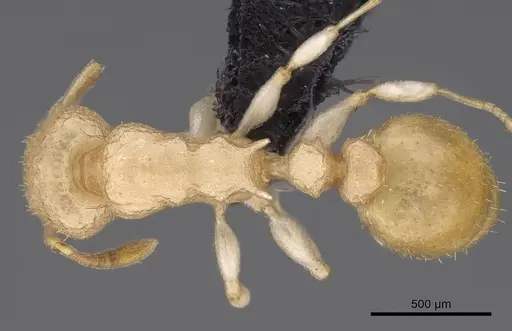
Literature
Loading...Loading products...