

Neoponera theresiae
- Scientific Name
- Neoponera theresiae
- Tribe
- Ponerini
- Subfamily
- Ponerinae
- Author
- Forel, 1899
- Distribution
- Found in 2 countries
Neoponera theresiae Overview
Neoponera theresiae is an ant species of the genus Neoponera. It is primarily documented in 2 countries , including Colombia, Costa Rica. Detailed taxonomic data and occurrence records can be further explored via authoritative databases such as AntWeb or the Global Biodiversity Information Facility (GBIF).
Neoponera theresiae
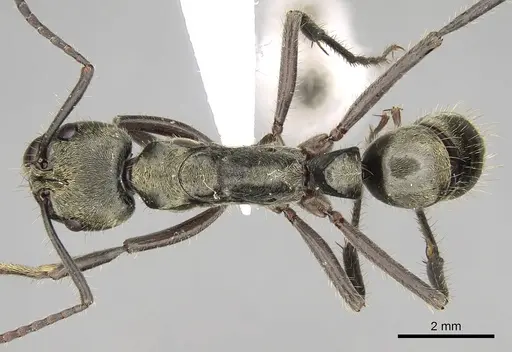
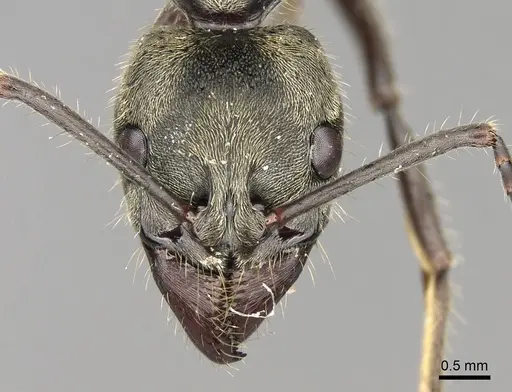
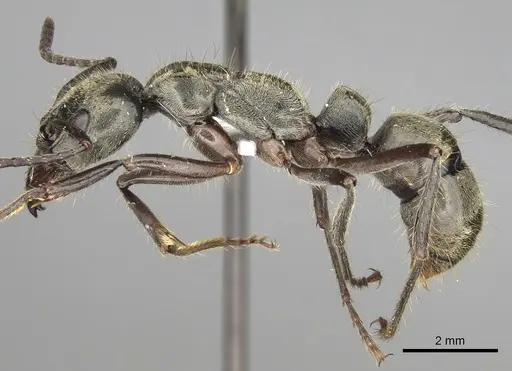
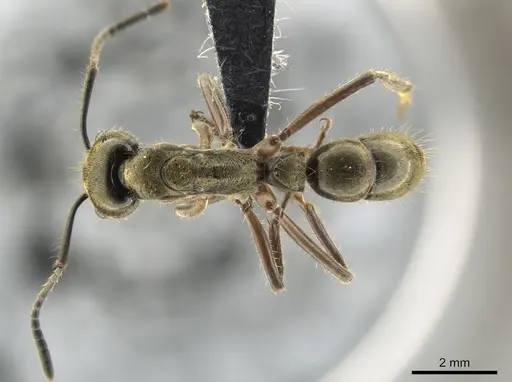
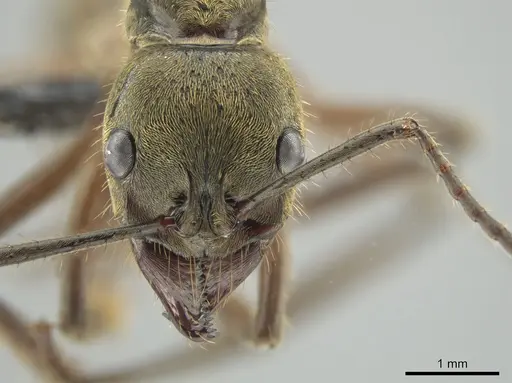
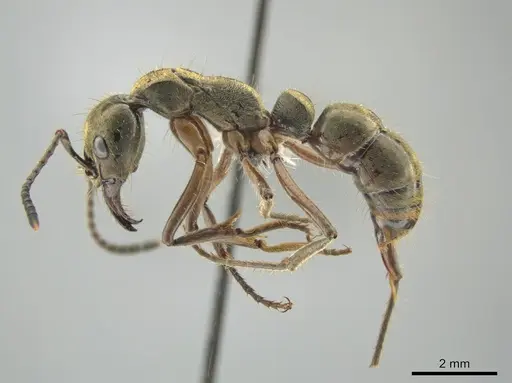
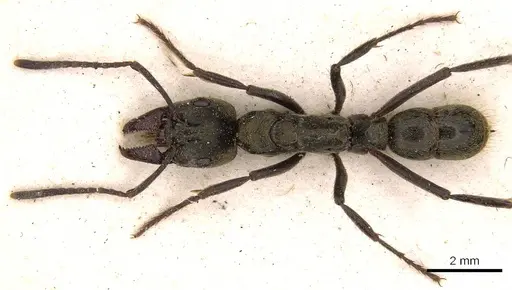
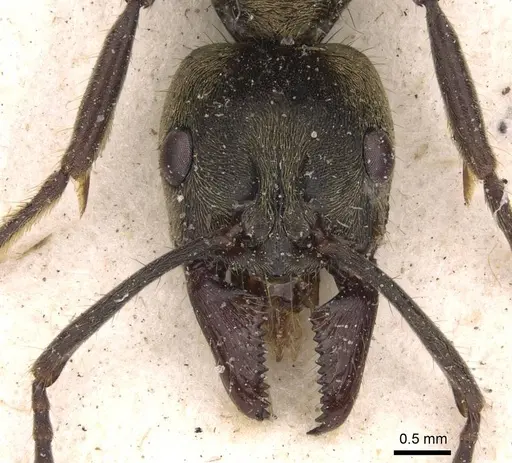
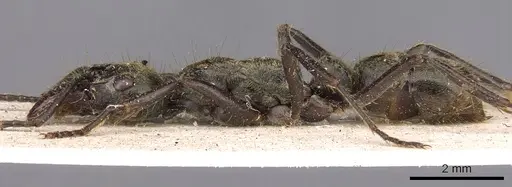
Neoponera theresiae is a moderately large ponerine ant native to the Neotropics, reaching about 10mm in total length. Workers are dark reddish-black with reddish-brown mandibles and dark brown legs. They can be identified by the fine horizontal striae on the lower half of the petiole's front and back faces, as well as the sides. This species is closely related to Neoponera foetida and Neoponera villosa but is notably smaller than both of those species. Workers forage in the low arboreal zone and have been documented visiting extrafloral nectaries of Passiflora plants. The species was named in honor of princess Thérèse de Bavière. Queens and males remain unknown, and colony structure has not been documented in the scientific literature.
Quick Summary
- Difficulty: Medium
- Origin & Habitat: Neotropical region, Costa Rica, Panama, Peru, and Brazil (Amazonas). Found in wet forest habitats at low elevations, typically below 300 meters altitude. Workers forage in the low arboreal zone of forested areas [1][2][3].
- Colony Type: Unconfirmed, queen and male castes are unknown, colony structure has not been documented in scientific literature.
- Size & Growth:
- Queen: Unknown, queen caste has not been described [1]
- Worker: About 10mm total length [3]
- Colony: Unknown, colony size has not been documented
- Growth: Unknown, no development data available
- Development: Unknown, no direct development data exists for this species. Based on related Neoponera species, expect 6-10 weeks at warm temperatures. (Development timeline is unconfirmed. Related Neotropical ponerines typically develop in 6-10 weeks at optimal temperatures.)
- Antkeeping:
- Temperature: Keep at 24-28°C. As a Neotropical wet forest species, they require warm, stable temperatures. A heating cable on one side of the nest can create a gentle gradient if room temperature is below this range.
- Humidity: High humidity required, think damp rainforest floor. Keep the nest substrate consistently moist but not waterlogged. Provide a water source in the outworld. Good ventilation is essential to prevent mold while maintaining humidity.
- Diapause: Unlikely, as a Neotropical species from lowland wet forests, they do not experience cold winters and likely do not require a diapause period. Maintain warm temperatures year-round.
- Nesting: Natural nesting habits are undocumented. Based on wet forest habitat, a naturalistic setup with moist substrate or a Y-tong/plaster nest works well. Provide chambers scaled to their 10mm size.
- Behavior: Workers forage in the low arboreal zone, meaning they are active climbers that search for food in vegetation above ground level. They have been documented visiting extrafloral nectaries, suggesting they will accept sugar sources. As a ponerine ant, they likely have a functional stinger for defense and prey capture. Escape risk is moderate, their 10mm size makes them easy to contain with standard barriers, but ensure enclosures are secure.
- Common Issues: queen and colony structure unconfirmed makes captive breeding challenging, you may only be able to keep wild-caught colonies, high humidity requirements can lead to mold problems if ventilation is inadequate, limited scientific data means care requirements are partially inferred from related species, foraging in the arboreal zone suggests they need vertical space in their enclosure, temperature sensitivity, sudden drops or cold conditions could stress or kill the colony
Appearance and Identification
Neoponera theresiae workers are moderately large ants measuring approximately 10mm in total length. They have a distinctive dark reddish-black body with reddish-brown mandibles and dark brown legs. The most reliable identification feature is the fine horizontal striae (grooves) on the lower half of the petiole's front face, back face, and sides. This distinguishes them from the similar Neoponera bugabensis, which lacks these striations. The body is covered with erect hairs, and the dorsum has abundant appressed golden pubescence. The pronotal carina is well-developed and sharp, and the anterior face of the petiole meets the rounded posterior face at nearly a right angle. Workers are the only known caste, queens and males have not yet been described in scientific literature. [3][1]
Natural History and Distribution
This species is found across the Neotropical region including Costa Rica, Panama, Peru, and Brazil (specifically the Amazonas region). They inhabit wet forest habitats at low elevations, typically below 300 meters altitude. Workers forage in the low arboreal zone, meaning they are active climbers that search for food in vegetation rather than solely on the ground. Notably, they have been documented feeding at the extrafloral nectaries of Passiflora plants (Passifloraceae), indicating they will visit and likely feed on sugar sources from flowers. This arboreal foraging behavior is distinctive among Neoponera species and should be considered when setting up their enclosure. [1][2][3]
Housing and Enclosure Setup
Because workers forage in the low arboreal zone, provide an enclosure that allows for vertical exploration. A naturalistic setup with live plants or branches works well, or you can use a Y-tong/plaster nest with an outworld that includes climbing structures. Since their natural nesting sites are undocumented but they inhabit wet forests, keep the nest substrate consistently moist. Use a water tube or small water dish in the outworld to ensure they have access to drinking water. Escape prevention is straightforward given their 10mm size, standard barriers like fluon on test tube rims or formicarium lids work well. [3]
Feeding and Diet
Based on field observations of workers visiting extrafloral nectaries of Passiflora, Neoponera theresiae will accept sugar sources. Offer sugar water, honey, or diluted nectar regularly. As a ponerine ant, they are likely predatory and will hunt small invertebrates. Offer small live prey such as fruit flies, small crickets, mealworms, or other appropriately-sized insects. Feed protein prey 2-3 times per week and provide a constant sugar source. Remove uneaten prey after 24-48 hours to prevent mold. [1][3]
Temperature and Humidity Requirements
As a Neotropical species from wet lowland forests, Neoponera theresiae requires warm and humid conditions. Maintain temperatures between 24-28°C. A heating cable placed on one side of the nest can create a gentle thermal gradient, but avoid direct heat that could dry out the nest. Humidity should be high, the nest substrate should feel consistently moist but never waterlogged. Good ventilation is essential to prevent mold while maintaining humidity. If you see excessive condensation or mold, improve airflow while keeping the substrate moist. [1][2]
Colony Establishment and Challenges
A significant challenge for keepers is that the queen caste has not been described, meaning colony foundation behavior is completely unknown. You will likely only be able to obtain wild-caught colonies. Additionally, no scientific data exists on colony size, development timeline, or social structure. This makes the species more suitable for experienced keepers who can adapt to an unstudied species. Monitor colony behavior closely and adjust care based on their response. If workers appear sluggish, check temperature. If they avoid certain areas of the nest, adjust humidity gradients. [1]
Frequently Asked Questions
How long does it take for Neoponera theresiae to go from egg to worker?
The development timeline has not been scientifically documented for this species. Based on related Neotropical ponerine ants, expect approximately 6-10 weeks from egg to first worker at optimal warm temperatures (24-28°C).
Can I keep multiple Neoponera theresiae queens together?
This is unknown. The colony structure of this species has not been documented, queens have never been described in scientific literature. Do not attempt to combine unrelated foundress queens without documented evidence they can coexist.
What do Neoponera theresiae ants eat?
Based on field observations, they visit extrafloral nectaries so they accept sugar sources. They are also predatory and will hunt small insects. Feed them small live prey (fruit flies, small crickets, mealworms) 2-3 times per week and provide constant access to sugar water or honey.
Are Neoponera theresiae good for beginners?
This species is not ideal for beginners. Limited scientific data exists on their colony structure, development, and exact care requirements. They require high humidity and warm temperatures, which can be challenging to maintain. Additionally, wild-caught colonies may be the only option since queens have not been described.
What temperature should I keep Neoponera theresiae at?
Keep them at 24-28°C. As a Neotropical wet forest species, they need warm, stable temperatures. A heating cable on one side of the nest can help maintain warmth if your room temperature is below this range.
Do Neoponera theresiae need hibernation or diapause?
No, they do not require hibernation. As a Neotropical species from lowland wet forests in Costa Rica, Panama, Peru, and Brazil, they do not experience cold winters. Maintain warm temperatures year-round.
How big do Neoponera theresiae colonies get?
The maximum colony size is unknown, no scientific data exists on colony size for this species. Related Neoponera species typically reach several hundred workers.
When will Neoponera theresiae first workers appear?
Since founding behavior and colony structure are unconfirmed, this is difficult to determine. If you obtain a wild colony with workers, expect normal worker development once you have a laying queen. For wild-caught colonies, workers should already be present.
What size enclosure do Neoponera theresiae need?
Since workers forage in the low arboreal zone, provide an enclosure with vertical space for climbing. A Y-tong or plaster nest with an outworld that includes branches, plants, or other climbing structures works well. The nest chambers should be appropriately sized for 10mm ants.
Why are my Neoponera theresiae dying?
Common causes include: low temperatures (below 24°C), improper humidity (too dry or waterlogged), poor ventilation leading to mold, or stress from wild-caught capture. Ensure warm, humid conditions with good airflow. Wild-caught colonies may also carry parasites.
References

This caresheet is licensed under CC BY-SA 4.0 .
Literature
Loading...Loading products...