

Neoponera bugabensis
- Scientific Name
- Neoponera bugabensis
- Tribe
- Ponerini
- Subfamily
- Ponerinae
- Author
- Forel, 1899
- Distribution
- Found in 6 countries
Neoponera bugabensis Overview
Neoponera bugabensis is an ant species of the genus Neoponera. It is primarily documented in 6 countries , including Colombia, Costa Rica, Ecuador. Detailed taxonomic data and occurrence records can be further explored via authoritative databases such as AntWeb or the Global Biodiversity Information Facility (GBIF).
Neoponera bugabensis
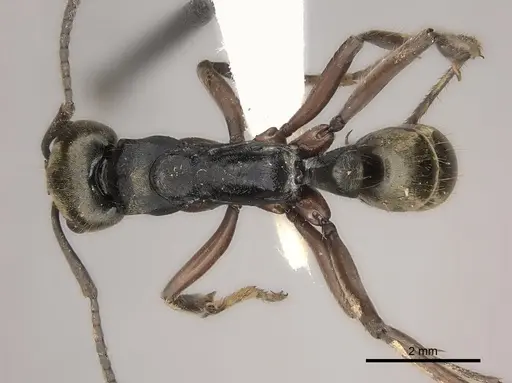
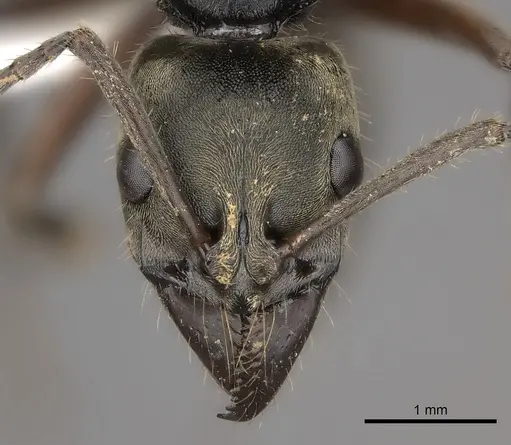
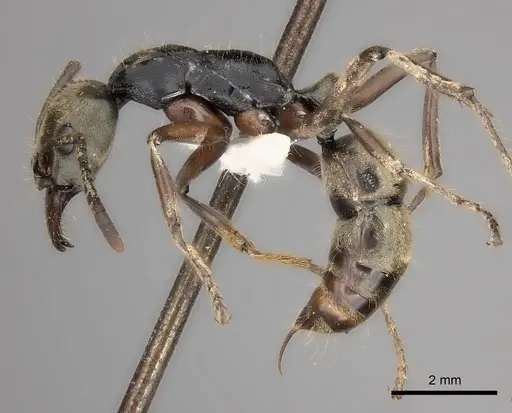
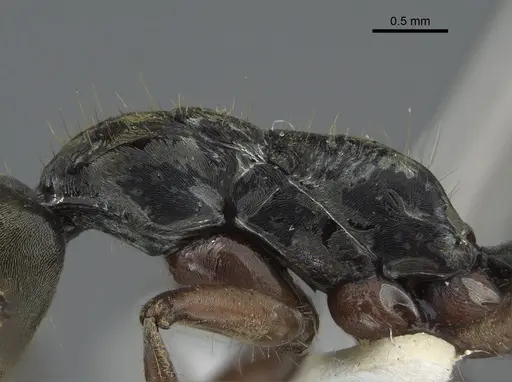
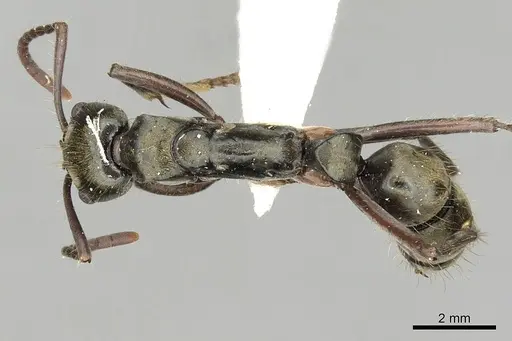
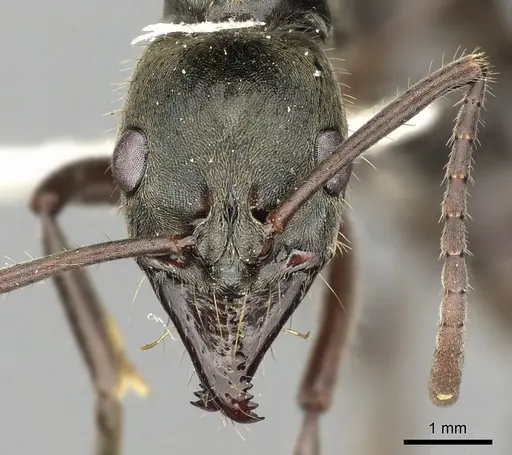
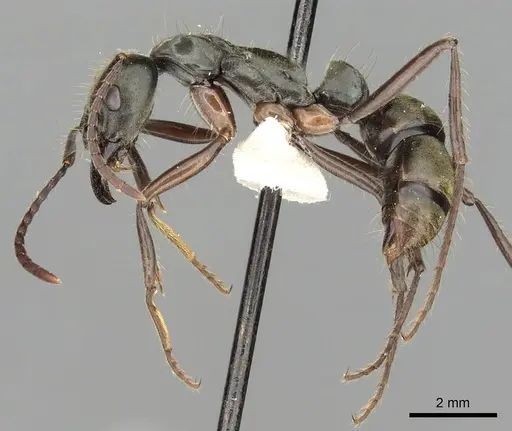
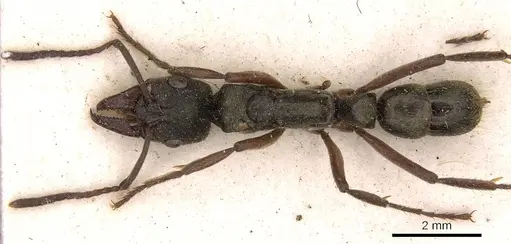
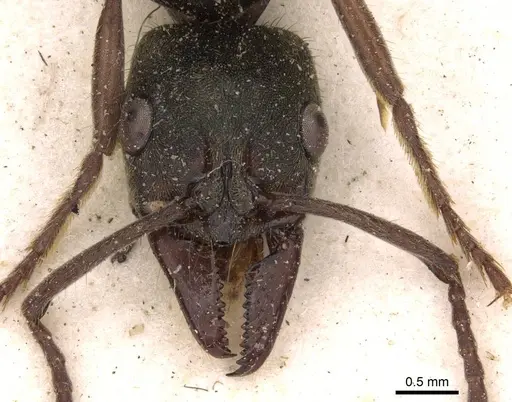
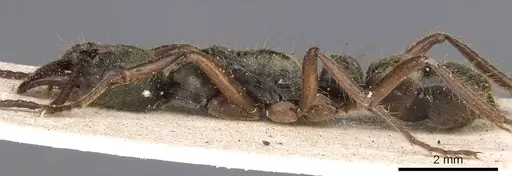
Neoponera bugabensis is a medium-sized predatory ant belonging to the subfamily Ponerinae, found across Central and South America from Nicaragua to Bolivia [1]. Workers have a head width under 2.2mm and pronotum width under 1.55mm, typical of the genus [2]. This species inhabits lowland forested zones at elevations between 223-286 meters, indicating preference for warm, humid tropical environments [2][1]. As a Ponerine ant, they are active hunters with a potent sting, making them fascinating but challenging pets for experienced antkeepers.
Quick Summary
- Difficulty: Medium
- Origin & Habitat: Lowland tropical forests of Central and South America (Nicaragua to Bolivia), specifically documented in Colombia's Pacific region (Cauca, Chocó, Nariño, Risaralda, Valle del Cauca) at 223-286m elevation [2][1][3].
- Colony Type: Colony structure is unconfirmed. Based on typical Neoponera patterns, likely single-queen colonies with claustral or semi-claustral founding.
- Size & Growth:
- Queen: Estimated 10-14mm based on genus Neoponera morphology patterns
- Worker: Head width
- Colony: Unknown for this species, likely several hundred workers based on genus patterns
- Growth: Moderate, Ponerine ants typically develop slower than Myrmicines
- Development: Estimated 8-12 weeks at optimal tropical temperatures based on related Ponerinae species (Ponerine brood development is generally slower than many common ant genera. Temperature-dependent, warmer conditions accelerate development.)
- Antkeeping:
- Temperature: Keep at 24-28°C, this is a lowland tropical species requiring warm, stable conditions [2]. A heating cable on one side of the nest creates a gentle gradient.
- Humidity: High humidity required, aim for 70-85%. These forest-dwelling ants need consistently moist substrate. Keep the nest area damp but not waterlogged.
- Diapause: Unlikely, as a tropical species, they probably do not require a true hibernation period. However, they may slow down during cooler periods.
- Nesting: In nature they likely nest in soil or rotting wood in forested areas. In captivity, a Y-tong (AAC) nest or naturalistic setup with moist substrate works well. Provide a dark nesting area.
- Behavior: Active and aggressive hunters. Workers are predatory, hunting small invertebrates. They have a functional stinger and will use it defensively, expect painful stings. They are not escape artists but standard escape prevention (Fluon barriers) should still be used. Foraging occurs both on the ground and potentially low vegetation.
- Common Issues: tropical temperature requirements mean colonies can struggle in cool rooms, slow development compared to common ant species may frustrate beginners, potent sting makes handling risky, use caution when servicing the colony, limited species-specific information makes care more challenging, high humidity needs can lead to mold if ventilation is poor
Housing and Nest Setup
Neoponera bugabensis requires a warm, humid environment that mimics their natural lowland forest habitat. A Y-tong (AAC) nest works well for this species, providing dark chambers that these secretive ants prefer. Alternatively, a naturalistic setup with moist soil and hiding spots can replicate their natural conditions. The outworld should be simple but functional, a plastic container with smooth walls treated with Fluon to prevent escapes. Since workers are around 2mm in head width, standard escape prevention measures are adequate, though these are not particularly small ants. Provide a water tube at all times and mist the nest area regularly to maintain humidity.
Feeding and Diet
As predatory Ponerine ants, Neoponera bugabensis primarily hunts small invertebrates. In captivity, offer live prey such as small crickets, mealworms, fruit flies, and other small insects. They are active hunters that will chase and subdue prey. Some keepers report that Ponerines occasionally accept protein-based liquids or pre-killed prey, but live prey is ideal for stimulating natural hunting behavior. Feed every 2-3 days, adjusting based on colony size and consumption. Remove uneaten prey after 24 hours to prevent mold. Sugar sources like honey or sugar water are typically not a significant part of their diet, though offering occasionally is worth experimenting with.
Temperature and Heating
This species requires warm conditions year-round. Maintain temperatures between 24-28°C in the nest area. A heating cable placed on top of the nest (never underneath, as this can dry out the substrate too quickly) helps create a temperature gradient. Room temperature alone is likely insufficient unless you live in a consistently warm climate. Monitor with a thermometer placed near the nest. These ants are adapted to stable tropical conditions, avoid drafts and sudden temperature fluctuations. During cooler months, additional heating becomes critical. [2]
Behavior and Temperament
Neoponera bugabensis is an aggressive, active-hunting species. Workers patrol the outworld searching for prey and will readily attack suitable targets. They possess a functional stinger capable of delivering a painful sting, this is their primary defense. When threatened, they will raise their gaster and attempt to sting. Handle with extreme caution. Unlike many ants that flee or hide, these bold hunters may stand their ground. Colonies are typically not large but workers are persistent foragers. They do not exhibit extreme escape behavior but standard precautions should still be taken.
Colony Development
Colony growth is slower than many common ant species. Ponerine ants typically take 2-3 months from egg to first worker, and subsequent growth is gradual. A mature colony may reach several hundred workers over several years. The queen is likely long-lived, as is common in Ponerinae. Colonies are probably single-queen based on typical genus patterns. Be patient, these ants reward dedicated keepers with fascinating hunting behavior and long-term colony stability.
Frequently Asked Questions
How long does it take for Neoponera bugabensis to produce first workers?
Expect 8-12 weeks from egg to first worker at optimal temperatures (24-28°C). Ponerine ants develop slower than many common ant genera, so patience is required during the founding stage.
Do Neoponera bugabensis ants sting?
Yes, they have a functional stinger and will use it defensively. The sting is reportedly painful, handle with extreme caution and avoid provoking the ants.
What do Neoponera bugabensis eat?
They are predatory hunters that need live invertebrate prey. Offer small crickets, mealworms, fruit flies, and other small insects. Feed every 2-3 days, removing uneaten prey promptly.
Are Neoponera bugabensis good for beginners?
No, this species is recommended for intermediate to experienced antkeepers. Their tropical temperature requirements, slow development, potent sting, and need for live prey make them challenging for beginners.
What temperature do Neoponera bugabensis need?
Keep them warm at 24-28°C. This lowland tropical species requires consistent heat. A heating cable on the nest helps maintain proper temperatures.
Do Neoponera bugabensis need hibernation?
Probably not, as a tropical species from lowland forests, they likely do not require a true hibernation period. They may slow down slightly during cooler periods but should be kept warm year-round.
How big do Neoponera bugabensis colonies get?
Colony size is not well documented for this species, but based on genus patterns, expect several hundred workers at maturity over several years.
Can I keep multiple Neoponera bugabensis queens together?
Not recommended without specific documentation. Combining unrelated queens of this species has not been studied. Most Neoponera species appear to be single-queen colonies.
What humidity do Neoponera bugabensis need?
High humidity, aim for 70-85%. These forest-dwelling ants need consistently moist substrate. Mist regularly and keep the nest area damp but not waterlogged.
When should I move Neoponera bugabensis to a formicarium?
Wait until the colony has at least 20-30 workers and is actively foraging. Ponerines often do well staying in test tube setups longer than other genera. A small formicarium or Y-tong works well once the colony is established.
References

This caresheet is licensed under CC BY-SA 4.0 .
Literature
Loading...Loading products...