

Neoponera insignis
- Scientific Name
- Neoponera insignis
- Tribe
- Ponerini
- Subfamily
- Ponerinae
- Author
- MacKay & MacKay, 2010
- Distribution
- Found in 2 countries
Neoponera insignis Overview
Neoponera insignis is an ant species of the genus Neoponera. It is primarily documented in 2 countries , including Costa Rica, Nicaragua. Detailed taxonomic data and occurrence records can be further explored via authoritative databases such as AntWeb or the Global Biodiversity Information Facility (GBIF).
Neoponera insignis
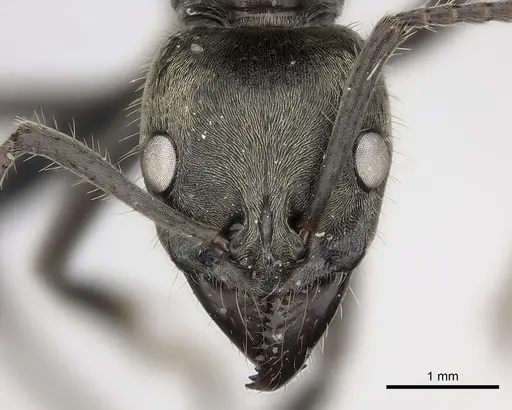
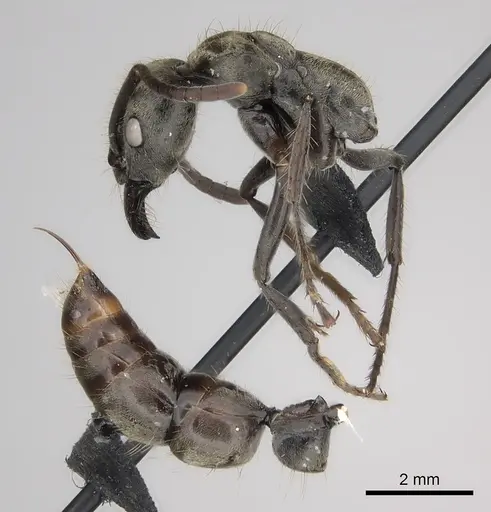
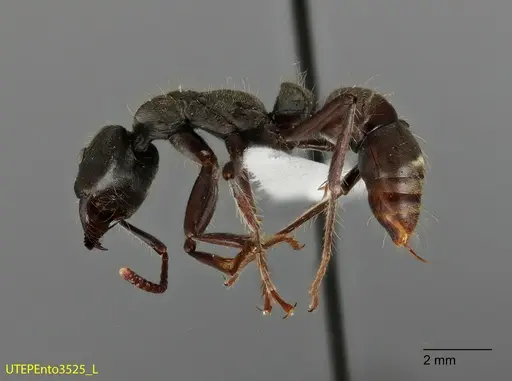
Neoponera insignis is a moderately large ponerine ant native to Costa Rica's cloud forests. Workers reach about 11mm in total length, while queens are considerably larger at 18mm. These ants have a distinctive appearance with dark reddish-black coloration and a notable feature: horizontal striae (grooves) on the middle of the clypeus (the plate above their mandibles). This species is remarkable because it is an obligate Cecropia ant, it has never been found nesting anywhere except inside Cecropia saplings, making it a specialized symbiont of these tropical trees.
Quick Summary
- Difficulty: Medium
- Origin & Habitat: Neoponera insignis is found only in Costa Rica, specifically in wet cloud forests at elevations of 700-800 meters. They inhabit the Monteverde Cloud Forest Reserve area and are obligate inhabitants of Cecropia trees, which are pioneer trees common in forest gaps [1].
- Colony Type: Small colonies with single queen structure. Colonies are small and short-lived, with larger colonies never found in mature Cecropia trees. The colony structure appears to be monogyne (single queen), though this is inferred from observation of single queen colonies in the wild [1].
- Colony: Monogyne
- Size & Growth:
- Queen: 18mm total length [1]
- Worker: 11mm total length [1]
- Colony: Small colonies, maximum size appears limited by their Cecropia host cavity [1]
- Growth: Moderate, inferred from typical Ponerinae development patterns
- Development: Estimated 6-10 weeks based on typical Ponerinae development at warm temperatures (Development timeline is not directly studied for this species, estimate based on related Ponerinae genera)
- Antkeeping:
- Temperature: Keep at 22-26°C. As a tropical cloud forest species from Costa Rica, they need warm and stable temperatures with moderate humidity [1].
- Humidity: High humidity is essential, these ants come from wet cloud forest habitats. Keep nest substrate consistently moist but not waterlogged, with some drier areas available.
- Diapause: No, as a tropical species from Costa Rica, they do not require hibernation. Maintain warm conditions year-round [1].
- Nesting: This species is an obligate Cecropia nester in the wild. In captivity, they do well in naturalistic setups that mimic their natural cavity nesting. Y-tong (AAC) nests or plaster nests with tight chambers work well. The key is providing a dark, humid cavity similar to a Cecropia stem internode [1].
- Behavior: Workers are timid and defensive, when their host plant is disturbed, they immediately flee inside or hide. They are not aggressive toward keepers but will retreat rather than confront. They are relatively inactive compared to some ponerines. Workers harvest Müllerian bodies (specialized food bodies produced by Cecropia trees) and likely supplement with small prey. Escape prevention should be moderate, these are medium-sized ants but they are not particularly escape-prone [1].
- Common Issues: small colony size means colonies are fragile and slow to establish, timid workers may be stressed by excessive disturbance or observation, humidity must be maintained, drying out can be fatal, tropical species requires consistent warmth year-round, wild-caught colonies may have parasites or be already stressed from collection
Nest Preferences and Housing
Neoponera insignis is an obligate Cecropia ant, meaning in the wild they exclusively nest inside Cecropia tree saplings. The queens and workers enter through natural openings called prostomata in the stem wall, creating distinctive large circular entrance holes that are much larger than those made by other Cecropia-inhabiting ants like Azteca species. In captivity, you should replicate these conditions with a naturalistic setup featuring a cavity nest. Y-tong (AAC) nests work well because they provide the dark, enclosed spaces these ants prefer. Plaster nests can also work if kept consistently moist. The key is providing a tight, humid chamber rather than open spaces, these ants are not arboreal foragers but true cavity nesters. Avoid test tube setups as they prefer the enclosed nature of their natural Cecropia homes [1].
Feeding and Diet
In their natural Cecropia homes, workers harvest Müllerian bodies, these are specialized food bodies produced by Cecropia trees as a reward for ant protection. The workers collect these nutrient-rich bodies and cache them inside the nest. For captive feeding, offer small protein sources like fruit flies, small crickets, and other tiny arthropods. As a Ponerine predator, they likely accept small live prey. Sugar sources may be accepted but are not a primary part of their natural diet. Feed protein 2-3 times per week and remove any uneaten prey within 24 hours to prevent mold. The small colony sizes suggest they are not heavy feeders, offer modest amounts appropriate to your colony size [1].
Temperature and Seasonal Care
As a species from Costa Rica's wet cloud forests at 700-800m elevation, Neoponera insignis needs warm and humid conditions year-round. Maintain temperatures in the 22-26°C range, this matches their natural cloud forest environment. Unlike temperate species, they do not require diapause or hibernation. Keep them away from cold drafts and air conditioning. A heating cable on one side of the nest can help maintain stable temperatures if your room temperature runs cool. The humidity should be high, think damp forest floor conditions. Use a water reservoir or mist regularly to keep the nest substrate moist. Stable conditions are important since wild colonies live in the relatively constant environment inside Cecropia stems [1].
Behavior and Colony Dynamics
The behavior of Neoponera insignis is notably timid compared to many other ponerine ants. When their host Cecropia plant is disturbed, workers immediately flee inside or hide rather than confronting the threat. This defensive retreat behavior is characteristic of the species. Colonies remain small, researchers have never found large colonies in mature Cecropia trees, suggesting the colonies are relatively short-lived or limited by the cavity space inside the stems. The species appears to be a local endemic, possibly arising through evolutionary separation from related species like Neoponera villosa and Neoponera bugabensis. In captivity, respect this timid nature by minimizing disturbances to the nest and providing dark, secure housing [1].
Frequently Asked Questions
Can I keep Neoponera insignis in a test tube?
Test tubes are not ideal for this species. They are obligate cavity nesters that prefer enclosed dark spaces like those inside Cecropia stems. A Y-tong (AAC) nest or naturalistic setup with tight chambers works better. If you must use a test tube, provide a dark cover and ensure high humidity, but expect them to be less comfortable than in a proper cavity nest.
How long does it take for Neoponera insignis to produce first workers?
The exact timeline is not documented, but based on typical Ponerinae development, expect 6-10 weeks from egg to worker at optimal warm temperatures (24-26°C). Growth is moderate and colonies remain small even when established.
Are Neoponera insignis good for beginners?
This species is rated as medium difficulty. While not extremely demanding, they require specific conditions (high humidity, warm temperatures, cavity nesting) and small colonies can be fragile. They are not the best choice for a first ant, but experienced beginners should do well with them.
What do Neoponera insignis eat?
They primarily harvest Müllerian bodies (specialized food bodies from Cecropia trees) in the wild. In captivity, offer small protein sources like fruit flies, small crickets, and other tiny arthropods. They may accept sugar water occasionally but protein should be their main food.
Can I keep multiple queens together?
No. This species appears to have single-queen colonies (monogyne). Multiple unrelated queens would likely fight. Only keep one queen per colony.
Do Neoponera insignis need hibernation?
No. As a tropical species from Costa Rica's cloud forests, they do not require hibernation or diapause. Keep them warm year-round at 22-26°C.
Why are my Neoponera insignis dying?
Common causes include: drying out (they need high humidity), temperatures too cold (they need warmth), excessive disturbance (they are timid and stress easily), or poor initial colony health. Wild-caught colonies may also carry parasites. Ensure stable, humid, warm conditions and minimize nest disturbances.
When should I move them to a formicarium?
Wait until the colony is well-established with at least 15-20 workers. For this species that prefer cavity nesting, a Y-tong or naturalistic setup works best from the start. If starting with a founding queen in a test tube, transfer to a proper nest once workers emerge.
How big do Neoponera insignis colonies get?
Colonies remain small, likely under 100 workers. In the wild, large colonies have never been found in mature Cecropia trees, suggesting the cavity space inside Cecropia stems naturally limits colony size. Do not expect the massive colonies some other ant species produce.
References

This caresheet is licensed under CC BY-SA 4.0 .
CASENT0007074
View on AntWeb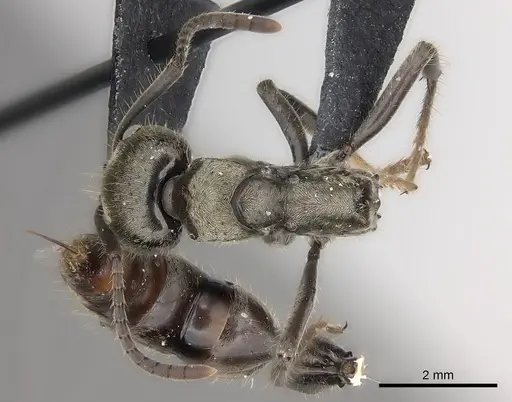
UTEPENTO3525
View on AntWeb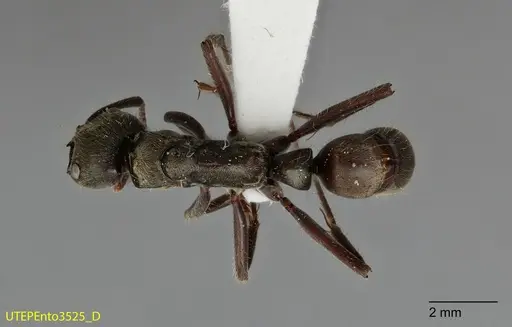
Literature
Loading...Loading products...