Neoponera agilis - "Agile Ponerine Ant"
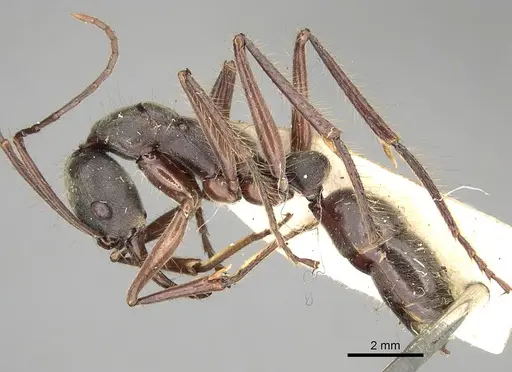
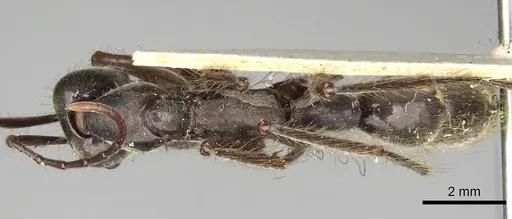
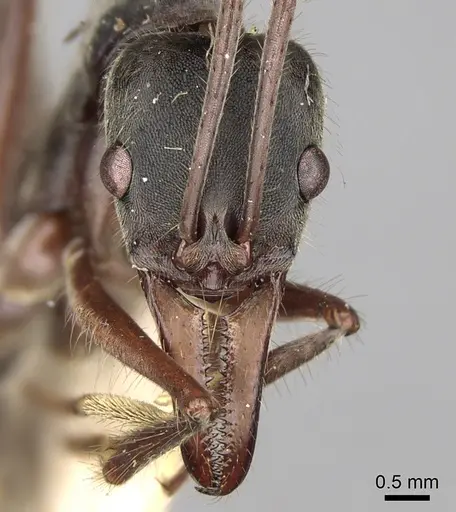
Neoponera agilis is a moderately large, dark ant species with a distinctive appearance. Workers are noted for their extremely long mandibles, which feature 18 alternating large and small teeth. They are covered with fine yellowish pubescence, giving them a satiny, dark body with reddish-brown mesosoma, gaster, antennae, and legs. While the queen is less documented, species in the genus Neoponera generally have queens similar to workers but larger and winged. This species is rarely collected, indicating it might be somewhat elusive in its natural habitat.
- Difficulty: Medium
- Origin & Habitat: Neotropical Region, specifically South America (Argentina, Brazil, Paraguay, Colombia). in Known to inhabit tropical rainforests and cerrado (dense scrub vegetation), found both in forested areas and along paths..
- Colony Type: Monogyne, semi-claustral (with feeding) founding.
- Size & Growth:
- Queen: Not specified
- Worker: 10.5-13.0mm
- Colony: Small (typically fewer than 200 workers, though some Neoponera species can reach hundreds or even thousands).. Slow growth.
- Antkeeping:
- Temperature: Aim for a nest temperature between 25-28°C. The outworld can be slightly cooler, around 22-28°C..
- Humidity: Maintain a humidity of 50-70% in the nest area and 30-50% in the outworld..
- Diapause: Not required. Not specified at Not specified.
- Nesting: These ants prefer nesting in soil, under rotten wood, or in ant-gardens in their natural environment..
- Behavior: Medium (towards prey, defensive towards handler) aggressiveness.
- Common Issues: Humidity fluctuations, Overfeeding leading to waste, Stress from vibrations/light.
Keeping Neoponera agilis can be a rewarding experience for antkeepers who appreciate species with unique behaviors and striking appearances. Their elongated mandibles are not just for show; they are crucial tools for hunting and defense. Observing these ants in a formicarium requires patience and a keen eye, as their movements are often swift, especially when foraging. Providing a diverse outworld with climbing opportunities and a substrate that mimics their natural habitat will encourage more natural behaviors and allow for better observation of their hunting prowess.
As with many Ponerine ants, Neoponera agilis is known for its potent sting. While specific details on the pain level for N. agilis are limited, other Neoponera species like N. villosa are known to inflict a painful sting, comparable to a bullet ant sting in initial pain. Therefore, caution is paramount when handling these ants or performing maintenance on their setup. Always use appropriate tools and ensure your setup is escape-proof to prevent accidental encounters. Their venom can be used for both defense and predation, highlighting their effectiveness as hunters.
Colony sizes for Neoponera species are generally smaller compared to some other ant genera, typically consisting of fewer than 200 workers. This makes them a fascinating choice for keepers who prefer to manage smaller, more intimate colonies. The growth rate is considered slow, so patience is key when watching your colony develop. Providing a consistent protein source is vital for their development, as they are primarily predatory ants.
These ants are semi-claustral, meaning the queen requires food during the founding stage. This distinguishes them from fully claustral species where the queen relies solely on her fat reserves. Keepers should be prepared to offer small insects or sugary liquids to the founding queen to ensure the success of the colony. Monitoring the humidity levels in the nest is also critical, as high humidity is preferred but can lead to mold if not managed properly.
User blogs will be displayed here.