

Neivamyrmex tristis
- Scientific Name
- Neivamyrmex tristis
- Subfamily
- Dorylinae
- Author
- Forel, 1901
- Distribution
- Found in 1 countries
Neivamyrmex tristis Overview
Neivamyrmex tristis is an ant species of the genus Neivamyrmex. It is primarily documented in 1 countries , including Mexico. Detailed taxonomic data and occurrence records can be further explored via authoritative databases such as AntWeb or the Global Biodiversity Information Facility (GBIF).
Neivamyrmex tristis
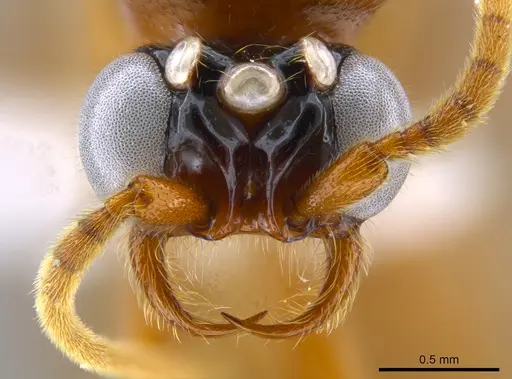
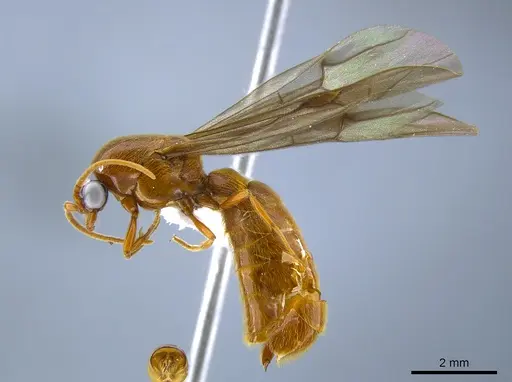
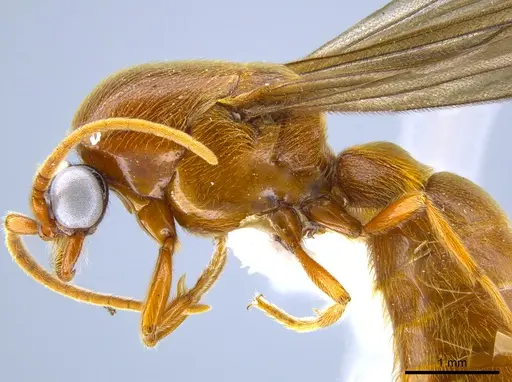
Neivamyrmex tristis is a small army ant species native to Mexico and Central America. Workers are small and reddish-brown, typical of the genus Neivamyrmex. Males reach approximately 6-7mm and were originally described from specimens collected in Chiapas, Mexico at 1120m elevation [1]. This species belongs to the subfamily Ecitoninae, the army ants, known for their nomadic predatory lifestyle and raiding behavior. The species was originally described in 1901 as a subspecies of Neivamyrmex spoliator before being elevated to full species status by Borgmeier in 1953 [1]. Very little is documented about this specific species' biology, but it shares the general traits of Neivamyrmex: colonial reproduction, raiding behavior, and nomadism.
Quick Summary
- Difficulty: Expert
- Origin & Habitat: Mexico (Chiapas, Hidalgo, San Luis Potosí, Veracruz) and Guatemala, Belize, found in tropical and subtropical regions at elevations around 1000-1200m [2][3]
- Colony Type: Unknown colony structure, army ants typically have single-queen colonies with massive worker populations
- Founding: Semi-claustral
- Size & Growth:
- Queen: Unknown, estimated 8-12mm based on genus patterns for Neivamyrmex
- Worker: Estimated 2-4mm based on genus patterns
- Colony: Likely large (tens of thousands) based on typical army ant colony sizes
- Growth: Fast, army ant colonies grow rapidly once established
- Development: Unknown, estimated 4-6 weeks based on related Ecitoninae (No species-specific data available, estimate based on genus-level patterns for tropical army ants)
- Antkeeping:
- Temperature: Keep at 24-28°C, army ants are tropical and need warmth
- Humidity: High humidity (70-80%), maintain moist substrate conditions typical of tropical forest floor
- Diapause: Likely minimal or none, tropical species with year-round activity expected
- Nesting: Requires a naturalistic setup with space for bivouac formation. Test tubes alone are inadequate, they need a formicarium with chambers that can accommodate colony movement and raiding exploration
- Behavior: Army ants are highly aggressive predators that raid other ant colonies and arthropods. They are nocturnal or crepuscular raiders. Workers are small but numerous, and colonies can produce massive raiding swarms. Escape prevention is critical, their small size and determined nature mean they will exploit any gap. They do not construct permanent nests but move between bivouac sites.
- Common Issues: no species-specific care information exists, all guidance is inferred from genus patterns, colonies may fail if kept in inadequate housing, army ants need space to raid and form bivouacs, prey acquisition is challenging, they require constant access to live insect prey, tropical humidity needs can cause mold problems if ventilation is poor, wild-caught colonies may contain parasites that are difficult to treat
Species Background and Distribution
Neivamyrmex tristis is a poorly documented army ant species found across southern Mexico (particularly Chiapas, Hidalgo, San Luis Potosí, and Veracruz states) through Guatemala and into Belize [2][3]. The type specimens were collected from Soconusco, Chiapas, Mexico at approximately 1120 meters elevation in July 1900 [1]. The species was originally described by Forel in 1901 as a subspecies of Neivamyrmex spoliator before being raised to full species status by Borgmeier in 1953 [1]. Despite being known for over a century, there is remarkably little published biological data on this specific species. All current knowledge about its care must be inferred from what we know about other Neivamyrmex species and general army ant biology.
Housing and Nest Requirements
Army ants like Neivamyrmex tristis cannot be kept in standard test tube setups, they require specialized housing that accommodates their nomadic lifestyle. In the wild, army ants do not build permanent nests but form temporary bivouacs (clusters of ants hanging from vegetation or structures). In captivity, you will need a naturalistic or semi-naturalistic setup with multiple connected chambers that allows the colony to move between areas. A formicarium with a large outworld connected to a nest area works well. The colony should have space to form their characteristic bivouac cluster. Provide a water reservoir and keep the substrate consistently moist but not waterlogged. Multiple feeding stations in the outworld will help simulate their raiding behavior. Escape prevention is absolutely critical, these small ants will find any gap or seam in the setup.
Feeding and Diet
Neivamyrmex tristis is a predatory army ant, in nature, they survive entirely by raiding other ant colonies, springtails, and small arthropods. In captivity, you must provide a constant supply of live prey. Suitable prey includes fruit flies, small crickets, mealworms, and other small insects. Some colonies may accept pre-killed prey, but live prey is preferred to trigger their natural raiding response. Feed small prey items daily or every other day, adjusting based on colony size and consumption rate. Remove uneaten prey after 24-48 hours to prevent mold. Army ant colonies can consume enormous numbers of insects as they grow, so be prepared for significant prey requirements. Sugar sources are generally not accepted by army ants, they are obligate predators.
Temperature and Humidity
As a tropical species from southern Mexico and Central America, Neivamyrmex tristis requires warm, humid conditions. Maintain temperatures between 24-28°C with minimal fluctuations. A heating cable or mat on one side of the nest can create a gentle gradient. High humidity is essential, aim for 70-80% relative humidity. Keep the nest substrate consistently moist, similar to tropical forest floor conditions. However, balance humidity with adequate ventilation to prevent mold growth. If you see excessive condensation or mold, improve ventilation while maintaining moisture. These conditions also benefit any live prey you are culturing. Avoid temperatures below 22°C for extended periods as this can stress the colony and slow development.
Colony Development and Growth
Army ant colonies are characterized by their ability to grow to massive sizes. While specific data for N. tristis does not exist, related Neivamyrmex species can produce colonies with tens of thousands of workers. The queen produces eggs in batches during the nomadic phase, and development from egg to worker takes approximately 4-6 weeks under optimal conditions. Colonies are most active at night, conducting raids during darker hours. As the colony grows, raiding swarms become more impressive and can overwhelm prey colonies quickly. A healthy established colony will have constant activity with workers moving between the bivouac area and foraging zones. The colony's growth rate depends heavily on consistent access to prey and appropriate temperature.
Important Considerations for Keeping This Species
Neivamyrmex tristis is not a species for beginners. There is essentially no species-specific care information available, so you must rely on general army ant husbandry knowledge. This species should only be attempted by experienced antkeepers who are comfortable with predatory species and can provide the specialized conditions they require. Wild-caught colonies may contain parasites or diseases that can decimate the colony in captivity. Quarantine and observe any new colony carefully before introducing them to any established colonies. Due to their predatory nature and raiding behavior, they should never be kept near other ant colonies. Always use excellent escape prevention, their small size means they can squeeze through gaps that larger ants cannot.
Frequently Asked Questions
How long does it take for Neivamyrmex tristis to produce first workers?
The exact timeline for this species is unknown. Based on related army ant species, expect 4-6 weeks from founding to first workers under optimal warm conditions with adequate prey. Army ant queens are semi-claustral and must hunt during founding, so they need access to prey from the start.
Can I keep Neivamyrmex tristis in a test tube?
No, test tubes are completely inadequate for army ants. They need space to form bivouacs and conduct raids. Use a naturalistic setup or formicarium with multiple chambers connected to an outworld. The colony needs room to move between areas as they would in the wild.
What do Neivamyrmex tristis ants eat?
They are obligate predators. Feed live insects such as fruit flies, small crickets, mealworms, and other small arthropods. Army ants do not typically accept sugar water or honey, they are strict carnivores. Provide prey daily or every other day, adjusting for colony size.
Are Neivamyrmex tristis good for beginners?
No, this species is not recommended for beginners. There is almost no species-specific care information available, and army ants have specialized requirements that make them challenging even for experienced antkeepers. They require constant access to live prey, specific humidity and temperature conditions, and specialized housing.
How big do Neivamyrmex tristis colonies get?
Specific colony size data is not available for this species. However, based on typical army ant biology, colonies likely reach tens of thousands of workers. A mature colony will produce impressive raiding swarms, particularly at night when they are most active.
Do Neivamyrmex tristis need hibernation?
No, as a tropical species from Mexico and Central America, they do not require hibernation. Maintain warm temperatures (24-28°C) year-round. Army ants are active throughout the year in their native range.
Why is my Neivamyrmex tristis colony dying?
Common causes include: inadequate prey (they need constant live insect food), incorrect humidity (too dry or too wet causing mold), temperature stress (below 22°C), or parasites from wild-caught colonies. Army ants are fragile despite their aggressive nature, they require very specific conditions. Review all aspects of care and consider consulting experienced army ant keepers.
When should I move my colony to a formicarium?
Army ants should be moved to appropriate housing from the start, they do not thrive in test tubes. Use a naturalistic setup or formicarium from the moment you acquire a colony. The setup should have multiple chambers connected to an outworld to allow for bivouac formation and raiding behavior.
Can I keep multiple queens together in a Neivamyrmex tristis colony?
Army ants typically have single-queen colonies. While specific data for N. tristis does not exist, combining unrelated queens is not recommended and could result in fighting. If you acquire a colony, assume it is single-queen and house accordingly.
References

This caresheet is licensed under CC BY-SA 4.0 .
CASENT0631871
View on AntWeb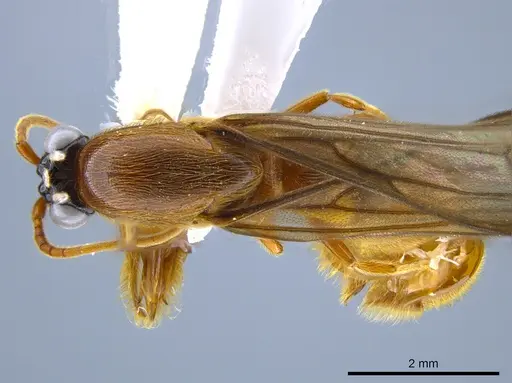
Literature
Loading...Loading products...