

Neivamyrmex opacithorax
- Scientific Name
- Neivamyrmex opacithorax
- Subfamily
- Dorylinae
- Author
- Emery, 1894
- Distribution
- Found in 2 countries
Neivamyrmex opacithorax Overview
Neivamyrmex opacithorax is an ant species of the genus Neivamyrmex. It is primarily documented in 2 countries , including Mexico, United States of America. Detailed taxonomic data and occurrence records can be further explored via authoritative databases such as AntWeb or the Global Biodiversity Information Facility (GBIF).
Neivamyrmex opacithorax
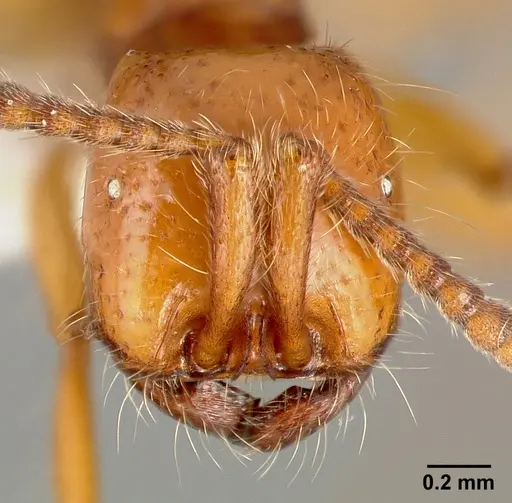
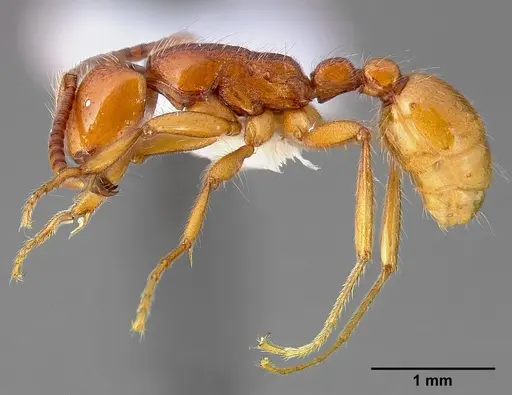
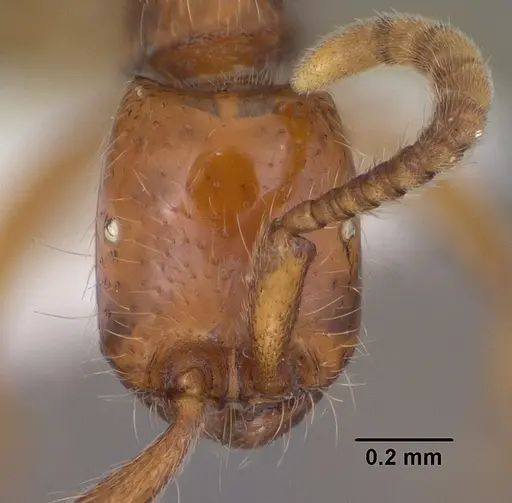
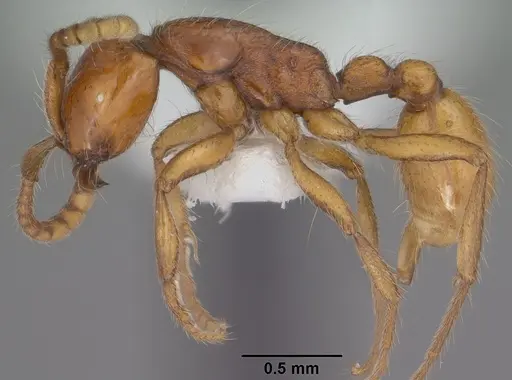
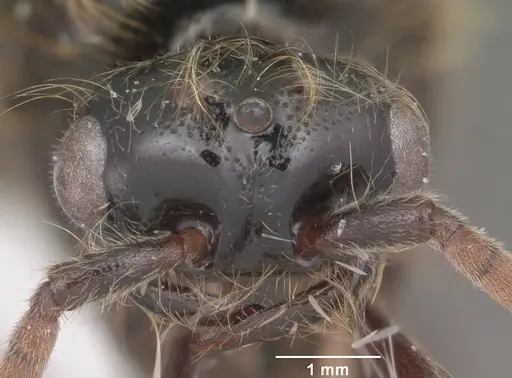
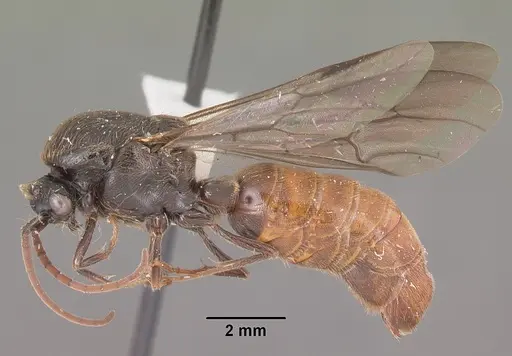
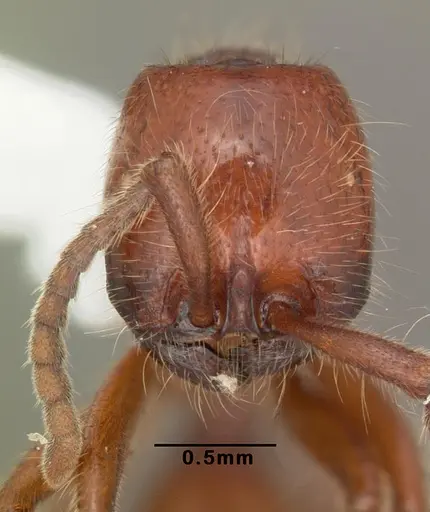
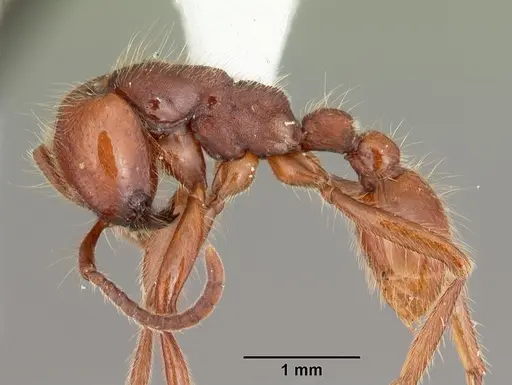
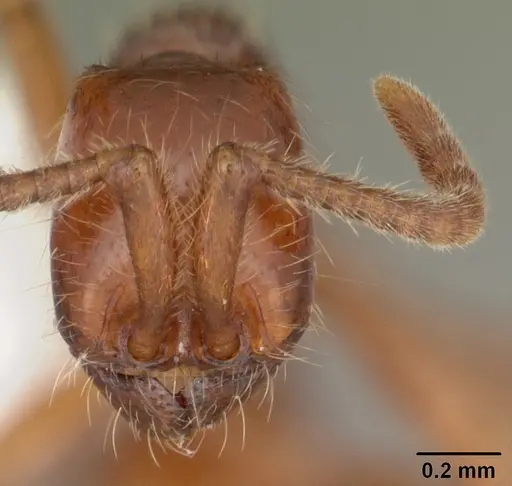
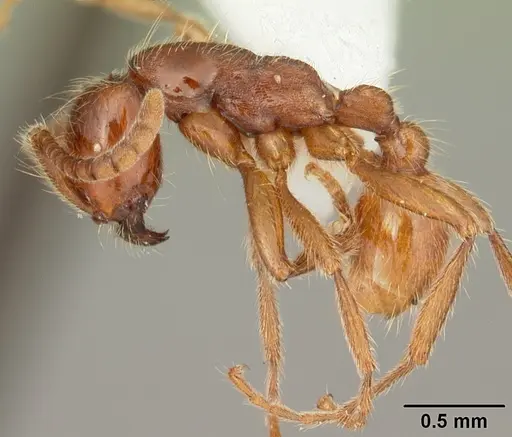
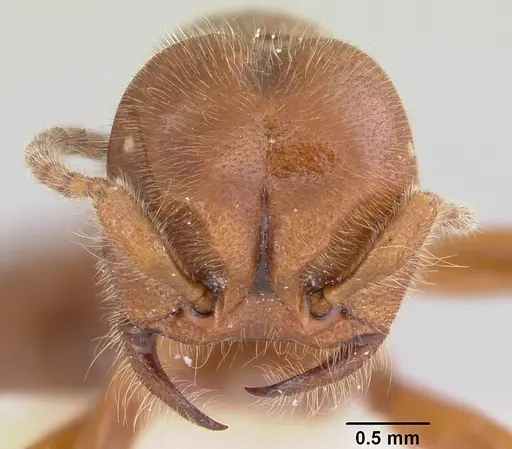
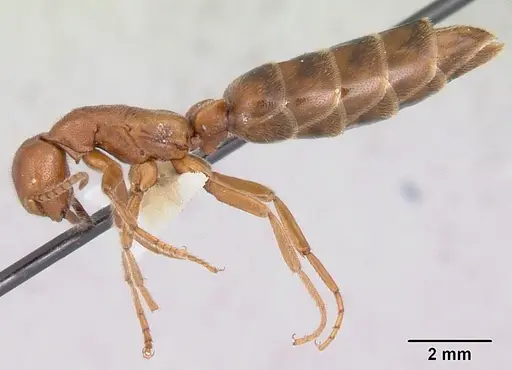
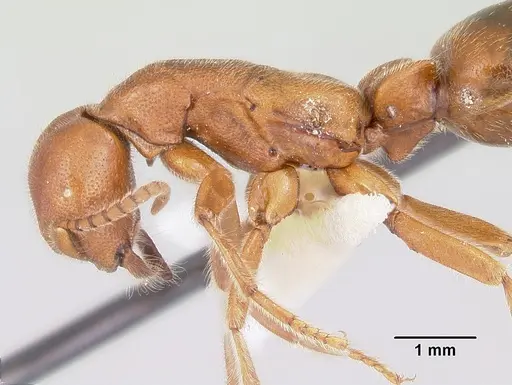
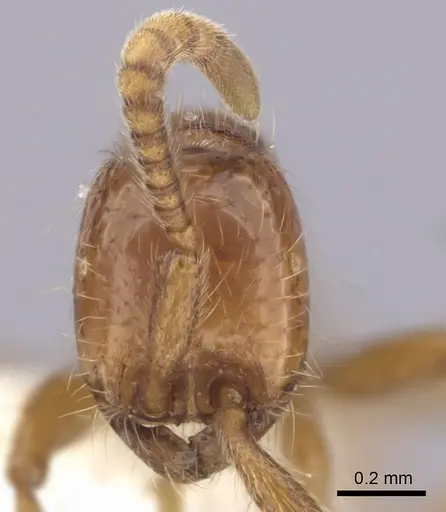
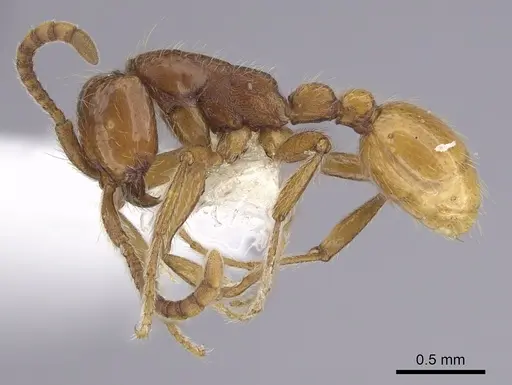
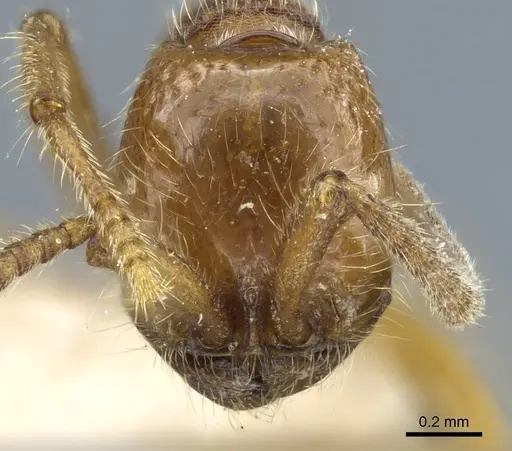
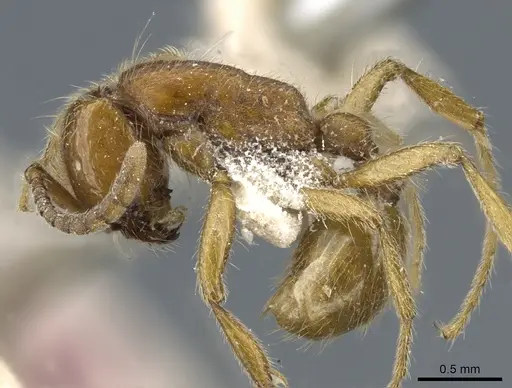
Neivamyrmex opacithorax is a predatory army ant native to the southern United States, Mexico, and Central America. Workers are 4-5mm with a distinctive shiny head and a sharp tooth or angle where the mandible meets the chewing margin, this helps tell them apart from the similar and more common N. nigrescens [1]. Their coloration ranges from light yellowish-brown to reddish-brown, with the thorax typically darker than the head and gaster [2]. Queens are large at 15mm and can lay an astonishing 9,500 eggs in just 42 hours when fully physogastric [2]. This species is a specialized predator that raids other ant colonies for food, making it a fascinating but challenging species to keep.
Quick Summary
- Difficulty: Expert
- Origin & Habitat: Southern United States from Virginia and Tennessee south to Florida, west to California, also Mexico, Guatemala, and Costa Rica. Found in open fields and park-like areas in cities, preferring drier habitats than the related N. nigrescens which lives in moist wooded areas [1][2].
- Colony Type: Monogyne, colonies have a single queen. Workers are monomorphic (all the same size) [3]. Colonies can reach many tens of thousands of individuals [2].
- Colony: Monogyne
- Size & Growth:
- Queen: 15mm [2]
- Worker: 4-5mm major workers [2]
- Colony: Many tens of thousands of workers [2]
- Growth: Fast
- Development: Unknown, likely similar to related army ants at 3-4 weeks at warm temperatures (Queens lay eggs at approximately 300 per hour in active colonies, producing broods of 36,000+ eggs [2])
- Antkeeping:
- Temperature: Room temperature (20-25°C) is suitable. In the wild they raid throughout the night and early morning, avoiding direct sunlight [2].
- Humidity: Moderate, they prefer drier areas compared to other army ants. Keep substrate slightly moist but not wet.
- Diapause: Likely, based on seasonal activity patterns in temperate regions. Brood is not produced during winter, with raids beginning around mid-April in Kansas [2].
- Nesting: This is a subterranean army ant that forms temporary bivouacs underground. They occasionally rest under stones during the day. In captivity, they need a large, deep enclosure with substrate they can tunnel through, plus an outworld for raiding. Standard test tubes and formicaria are NOT suitable for this species.
- Behavior: Nocturnal and highly predatory. Workers raid in columns during evening, night, and early morning hours. They almost exclusively target other ant species and carabid beetles, they show little interest in nuts or other non-ant prey [2]. Colonies do not maintain a permanent nest but move to new locations periodically, forming temporary bivouacs. They are aggressive raiders but will retreat from fire ants (Solenopsis invicta) about 66% of the time [4]. Workers can run significantly faster than the queen on level surfaces. Escape prevention is critical given their persistence and ability to find tiny gaps.
- Common Issues: requires live ant prey, cannot survive on standard ant foods, needs very large colony space as colonies reach tens of thousands, no permanent nest means they constantly migrate within the enclosure, difficult to establish in captivity, wild colonies are hard to collect and adapt, subterranean lifestyle makes them less visible than surface-dwelling ants, temperature sensitive in temperate regions, needs proper seasonal cycling
Understanding Army Ant Biology
Neivamyrmex opacithorax is a true army ant, meaning it belongs to a group of ants that has abandoned the idea of a permanent nest. Instead, colonies form temporary bivouacs, clusters of tens of thousands of workers that shelter in underground cavities or occasionally under stones [2]. Every few weeks, the colony emigrates to a new location, with the queen walking along the emigration column while workers carry brood and booty. This nomadic lifestyle is driven by the need to constantly find new prey colonies to raid. The queen is permanently physogastric (her abdomen swells dramatically with eggs) and can lay around 300 eggs per hour in an active colony, producing broods of 36,000+ eggs [2]. Unlike many ants, the queen is highly mobile and runs along emigration columns alongside her workers.
Feeding and Diet
This species is an obligate predator that feeds almost exclusively on other ants and carabid beetles [2]. Laboratory observations showed workers ignored pecans, walnuts, and peanuts entirely. In the wild, they raid other ant colonies, capturing larvae and adult ants. The raid columns primarily operate in the evening, night, and early morning. Each returning worker typically carries a piece of booty, they appear more efficient than some Eciton army ants, with fewer workers returning empty-handed. For captive care, you would need to maintain cultures of feeder ant species (like Tetramorium, Paratrechina, or other small ants) or provide regular live ant brood. This makes them one of the most difficult ant species to feed in captivity.
Housing and Space Requirements
Army ants cannot be kept in standard formicaria or test tubes. They need a large, deep enclosure filled with substrate they can tunnel through, plus a spacious outworld where raiding columns can form. Since colonies reach tens of thousands of workers and regularly emigrate, you need to plan for a colony that will outgrow any initial setup. The bivouac area should be dark and humid, connected to an outworld where raids can occur. Many keepers use large plastic bins with soil substrate or custom-built naturalistic setups. You must also provide a secondary enclosure for when the colony emigrates. Escape prevention is critical, army ants are incredibly persistent and will find any gap or weakness in your setup. [2]
Seasonal Care and Activity Patterns
In temperate regions like Kansas, colonies are active from at least mid-April through October. They do not produce brood during winter months [2]. Raids occur primarily at night, evening, night, and early morning, but can extend throughout cloudy days. They rarely raid in direct sunlight. If you keep this species in a temperate climate, you would need to simulate seasonal conditions, allowing the colony to slow down or become less active during winter. The colony should be kept at room temperature (roughly 20-25°C) with a temperature gradient so they can choose their preferred conditions.
Distinguishing from Similar Species
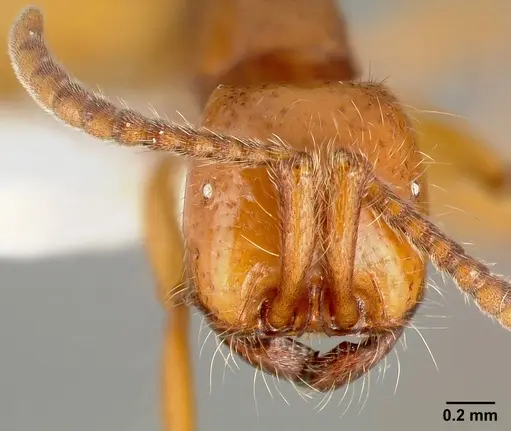
Workers of N. opacithorax are most easily confused with the more common N. nigrescens. Key differences: opacithorax has a lighter overall color, a distinctly shiny head (nigrescens has an opaque head, thorax, and petiole), a less distinct eye, a straight rather than convex margin on the mandible, and less noticeably curved posterior corners of the head [2]. The mandible also has a distinctive angular tooth at the juncture with the masticatory margin that helps separate it from related species [1]. Queens are very similar between the two species but opacithorax queens lack the prominent tuberculate posterior corners of the head that nigrescens has.
Frequently Asked Questions
Can I keep Neivamyrmex opacithorax in a standard formicarium?
No. This species requires a large, deep enclosure with substrate for tunneling and an outworld for raiding. Standard formicaria are far too small. Army ant colonies reach tens of thousands of workers and need space to form raiding columns and emigrations.
What do Neivamyrmex opacithorax eat?
They are obligate predators that feed almost exclusively on other ant species and carabid beetles. They show no interest in sugar sources, seeds, or most standard ant foods. You would need to provide live ant colonies or ant brood regularly.
Are Neivamyrmex opacithorax good for beginners?
No. This is an expert-level species. They require live prey (other ants), very large enclosures, and specialized care. Most antkeepers should start with easier species like Lasius, Camponotus, or Tetramorium.
How big do Neivamyrmex opacithorax colonies get?
Colonies can reach many tens of thousands of workers, potentially 100,000+ in mature colonies. This makes them one of the largest ant species in North America in terms of colony size.
Do Neivamyrmex opacithorax need hibernation?
Based on their activity patterns in temperate regions, they likely require a winter rest period. In Kansas, colonies are active from mid-April through October, with no brood produced during winter [2].
When do Neivamyrmex opacithorax raid?
They raid primarily during evening, night, and early morning hours. On cloudy days, raids may extend throughout the day, but they rarely raid in direct sunlight. They use column raids, not swarm raids [2].
How do I start a Neivamyrmex opacithorax colony?
Starting a colony is extremely difficult. You would need to locate a wild colony (typically found under stones or in underground bivouacs), collect the queen and as many workers as possible, then maintain them with live ant prey. Most colonies available in the hobby are wild-caught.
Can I keep multiple queens together?
No. This species is monogyne, colonies have a single queen. Multiple queens would fight. The colony structure has been confirmed as single-queen [3].
How fast do Neivamyrmex opacithorax queens lay eggs?
Queens are extremely prolific, laying approximately 300 eggs per hour in active colonies. In laboratory conditions, one queen laid 9,500 eggs in 42 hours, the rate in wild colonies is likely even higher [2].
What's the difference between Neivamyrmex opacithorax and Neivamyrmex nigrescens?
N. opacithorax has a lighter color and distinctly shiny head, while N. nigrescens has an opaque head, thorax, and petiole. N. opacithorax also prefers drier, more open habitats while N. nigrescens prefers moist wooded areas [2].
References

This caresheet is licensed under CC BY-SA 4.0 .
CASENT0005334
View on AntWeb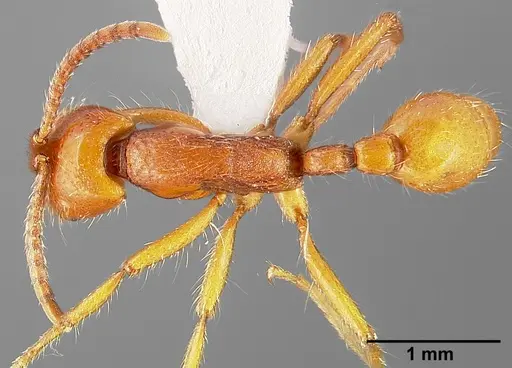
CASENT0102767
View on AntWeb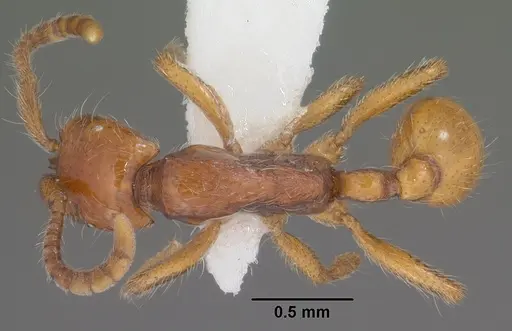
CASENT0104138
View on AntWeb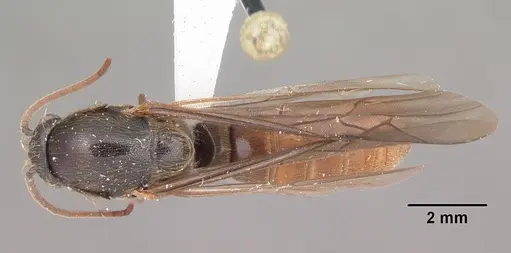
CASENT0104139
View on AntWeb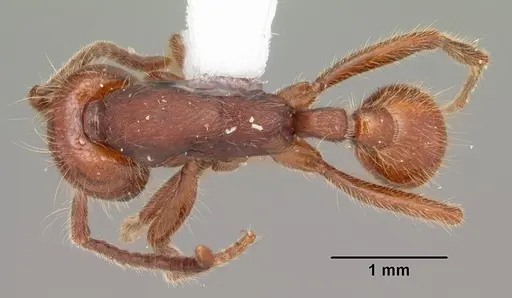
CASENT0104142
View on AntWeb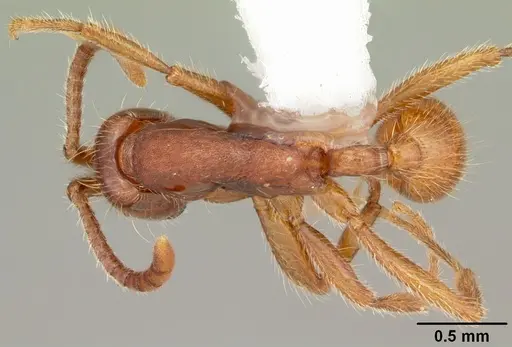
CASENT0104855
View on AntWeb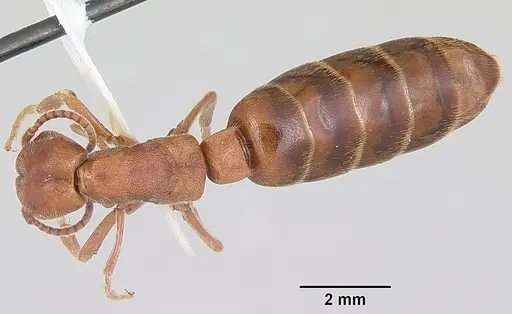
CASENT0249497
View on AntWeb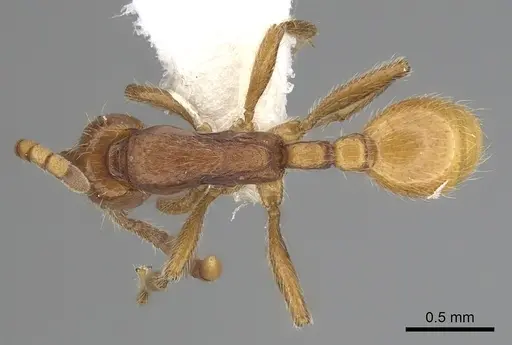
CASENT0903735
View on AntWeb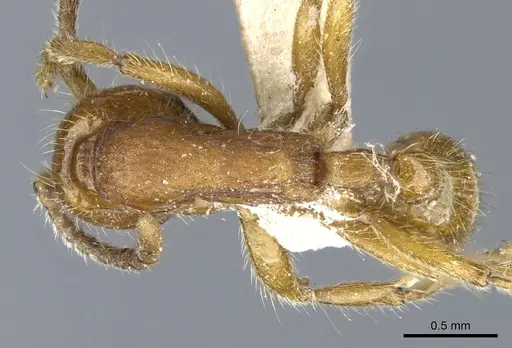
Literature
Loading...Loading products...