

Neivamyrmex minor
- Scientific Name
- Neivamyrmex minor
- Subfamily
- Dorylinae
- Author
- Cresson, 1872
- Distribution
- Found in 2 countries
Neivamyrmex minor Overview
Neivamyrmex minor is an ant species of the genus Neivamyrmex. It is primarily documented in 2 countries , including Mexico, United States of America. Detailed taxonomic data and occurrence records can be further explored via authoritative databases such as AntWeb or the Global Biodiversity Information Facility (GBIF).
Neivamyrmex minor
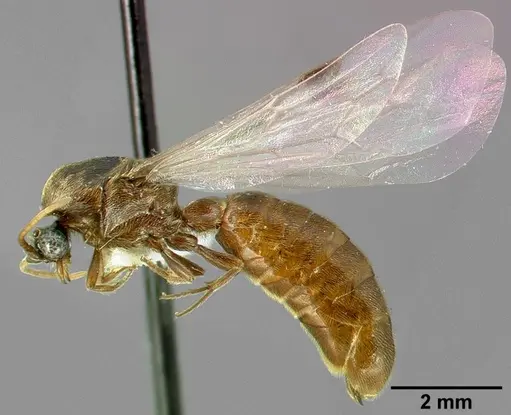
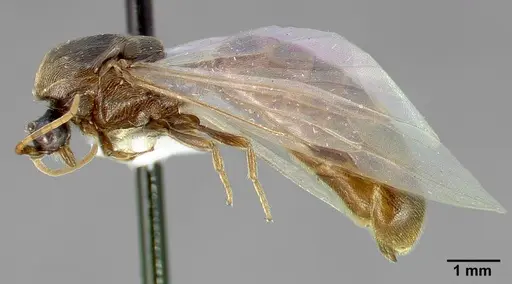
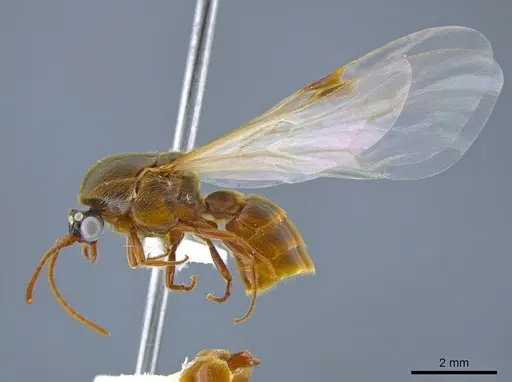
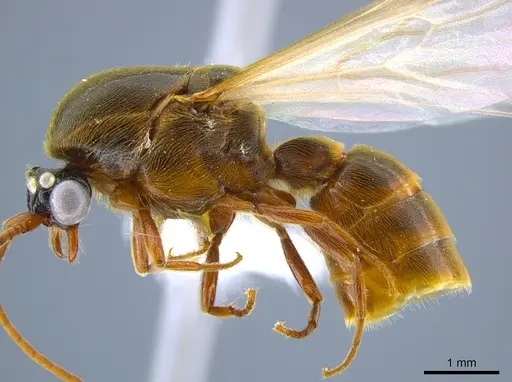
Neivamyrmex minor is a species of army ant in the subfamily Dorylinae, found across the southwestern United States and northern Mexico. Only the male caste has been scientifically described, workers and queens remain unknown to science. Males are approximately 8.75mm in length with a slender, brown body and pale, semi-transparent wings. This is one of the most frequently encountered Neivamyrmex species in its range, commonly collected using light traps. The species occupies a wide variety of habitats from near sea level to about 7000 feet elevation, though it is rarely found in desert areas. The unknown worker caste is hypothesized to be Neivamyrmex leonardi based on geographic range overlap [1].
Quick Summary
- Difficulty: Expert
- Origin & Habitat: Southwestern United States (Texas to Kansas, west to southern Nevada and California) and northern Mexico (Baja California, Baja California Sur, Coahuila). Found in a wide variety of habitats from sea level to 7000 feet elevation, but rarely in desert areas [1][2].
- Colony Type: Unknown, only the male caste has been described. Workers and queens are unknown to science. The species is only known from male specimens collected at light [1].
- Size & Growth:
- Queen: Unknown, queens have not been described [1]
- Worker: Unknown, workers have not been described [1]
- Colony: Unknown, colony structure and size are unstudied
- Growth: Unknown
- Development: Unknown, no data on colony development exists (This species cannot be kept in captivity. Only males have been scientifically described, workers and queens are unknown.)
- Antkeeping:
- Temperature: Unknown, no captive studies exist
- Humidity: Unknown, no captive studies exist
- Diapause: Unknown, no biological studies on this species
- Nesting: Unknown, nesting behavior is unstudied. In captivity, no recommended setup can be provided.
- Behavior: Unknown, the male is attracted to light but worker behavior, foraging patterns, and temperament are unstudied. Army ants are typically predatory, but this cannot be confirmed for N. minor without worker observations [1].
- Common Issues: This species cannot be kept in captivity, only males have been described and no worker or queen information exists, No captive husbandry information is available in scientific literature, The worker caste is hypothesized but not confirmed, making any care speculation unfounded
Why This Species Cannot Be Kept
Neivamyrmex minor presents a unique challenge for antkeepers: only the male caste has been scientifically described. Workers and queens are unknown to science, meaning we have no information about their size, behavior, diet, nesting preferences, or any of the basic requirements needed to keep this species. While this is one of the more frequently encountered Neivamyrmex species in the wild (with 64 records from the United States), all specimens are males collected at light traps [1]. Without workers or queens, there is no basis for establishing a captive colony. The hypothesized worker (N. leonardi) remains unconfirmed and even if correct, would lack any captive care research. This species is best appreciated through observation of wild males, which are sometimes attracted to lights during summer months [1].
Distribution and Habitat
Neivamyrmex minor occupies a broad range across the southwestern United States and northern Mexico. In the United States, it is found from Texas east to Kansas, and west to southern Nevada and California. In Mexico, it occurs in Baja California, Baja California Sur, and Coahuila [1]. The species has been recorded at elevations from near sea level up to approximately 7000 feet. Unlike many army ants, N. minor is rarely collected in desert areas of the western United States, suggesting it prefers more moderate or humid habitats. Males have been collected from April through August, with the highest frequency in July and August [1].
Identification and Description
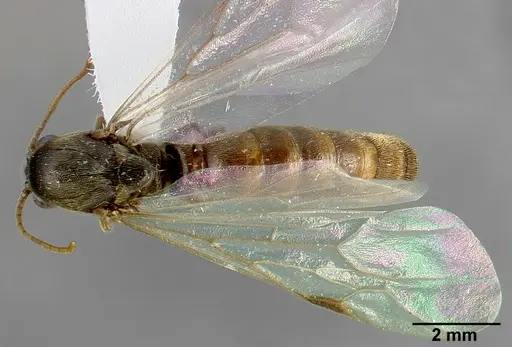
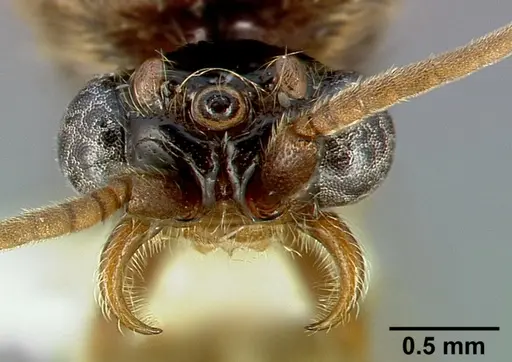
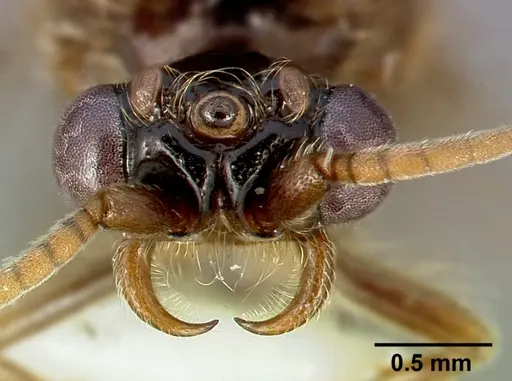
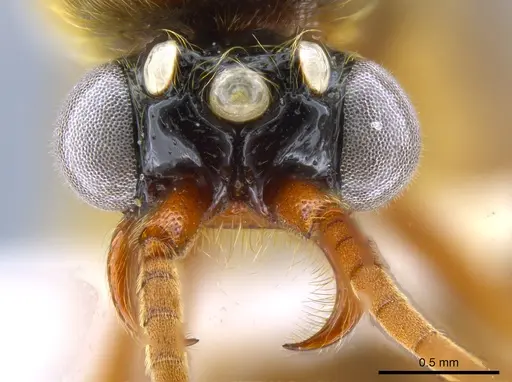
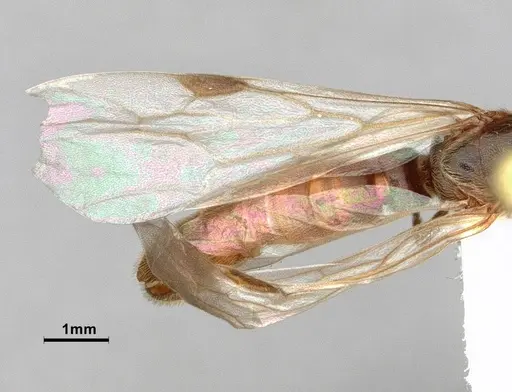
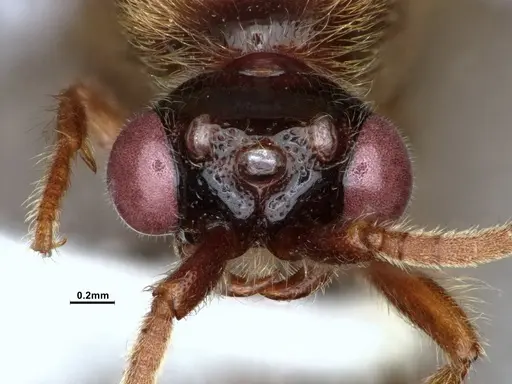
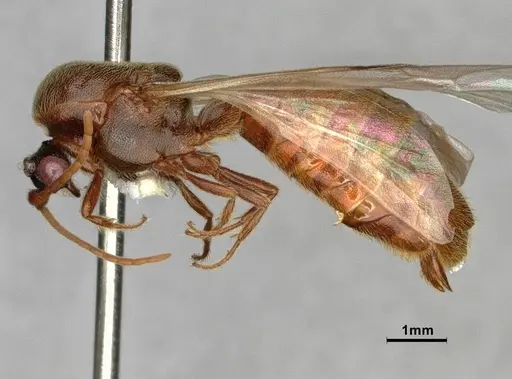
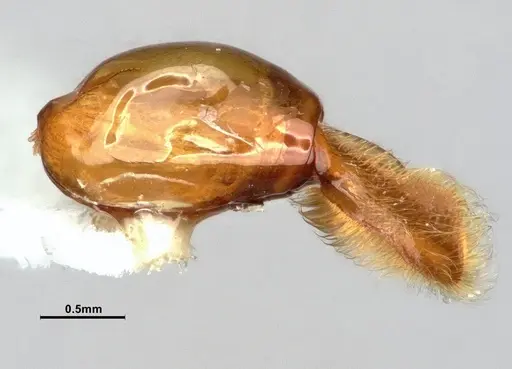
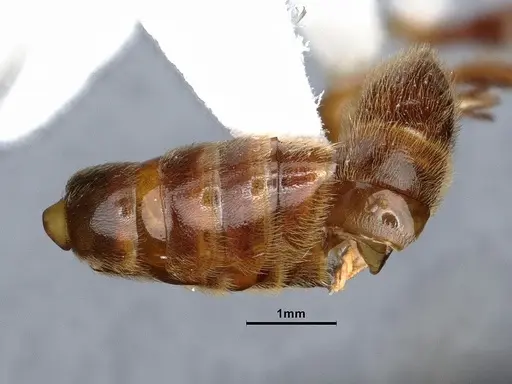
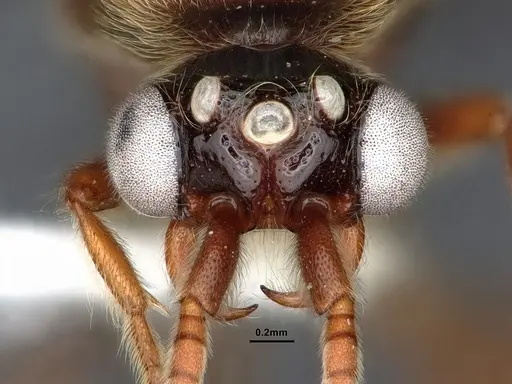
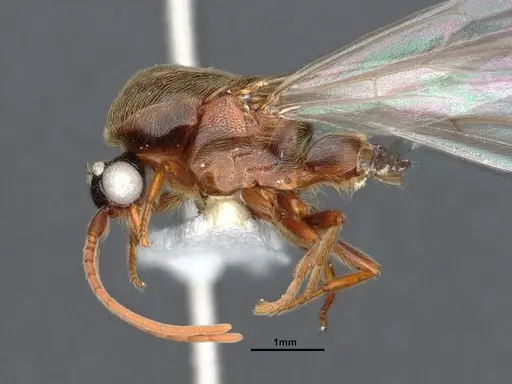
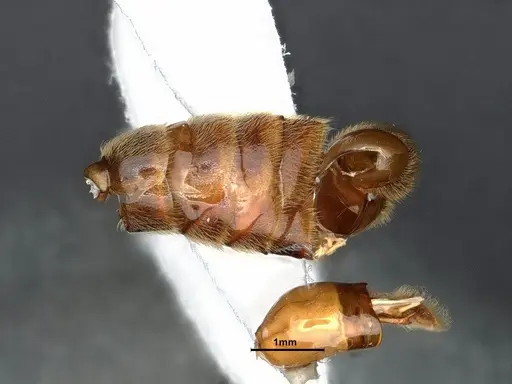
The male of Neivamyrmex minor is approximately 8.75mm in length with a slender, brown body. The head is roughly 1.7 times broader than long, with large, convex, protuberant eyes and relatively large ocelli placed on a protuberance above the general head surface. The antennal scape is robust and longer than the combined length of the first three funicular segments. The mandibles are moderately long, curved, and taper to an acute, incurved point. The body is brown with the head being darkest, thorax less dark, and gaster lightest. Wings are very pale and semi-transparent with light veins and a distinct brown stigma. The species can be distinguished from related species by its small size, slender form, lack of strongly protuberant posterior corners of the head, and the pale, semi-transparent wings [1].
Frequently Asked Questions
Can I keep Neivamyrmex minor as a pet ant?
No. This species cannot be kept in captivity. Only the male caste has been scientifically described, workers and queens are completely unknown to science. Without workers or queens, it is impossible to establish a captive colony. Even if workers were discovered, no research exists on their care requirements.
Why are only males known for Neivamyrmex minor?
Army ant colonies are highly mobile and nest underground, making worker and queen discovery difficult. Males are more commonly collected because they are attracted to light traps, while the subterranean workers and queens remain elusive. For N. minor specifically, the species appears to have very low colony density or cryptic nesting habits that have prevented worker collection [1].
What do Neivamyrmex minor workers eat?
Unknown. Workers have never been described or observed, so their diet is unstudied. Other Neivamyrmex species are predatory army ants that raid other ant colonies and capture brood, but this cannot be confirmed for N. minor without worker observations.
Are Neivamyrmex minor ants dangerous?
Unknown. Worker behavior and morphology are unstudied. Other Neivamyrmex army ants have functional stingers, but without worker specimens, sting capability cannot be determined for this species.
What is the best nest type for Neivamyrmex minor?
No recommendation can be made. This species cannot be kept in captivity. No information exists about natural nesting behavior, chamber preferences, or humidity requirements for workers or queens.
How long do Neivamyrmex minor colonies live?
Unknown. Colony lifespan is unstudied since workers and queens have never been documented.
Do Neivamyrmex minor ants need hibernation?
Unknown. Diapause requirements are unstudied. The species occurs in temperate to subtropical regions, but specific overwintering behavior is unknown.
Can I start a Neivamyrmex minor colony from a queen?
No. Queens of this species have never been discovered or described. Without a queen, colony founding is impossible.
References

This caresheet is licensed under CC BY-SA 4.0 .
CASENT0005331
View on AntWeb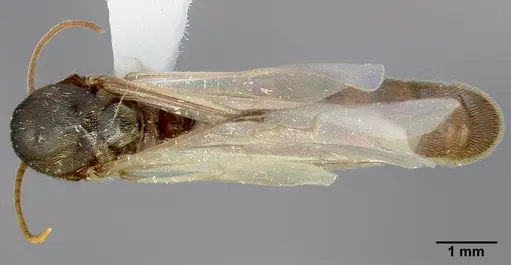
CASENT0637420
View on AntWeb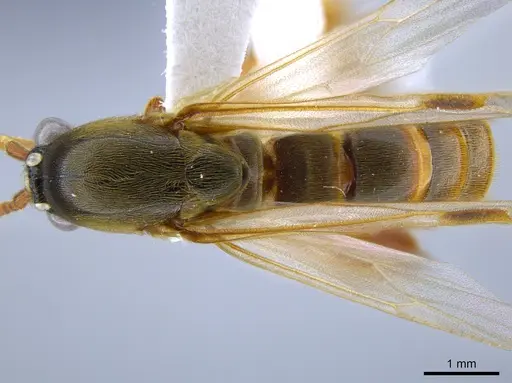
CASENT0883148
View on AntWeb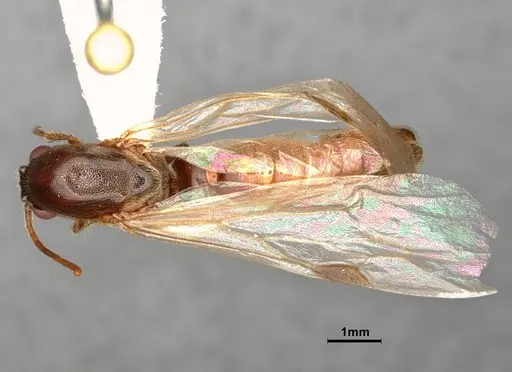
CASENT0884271
View on AntWeb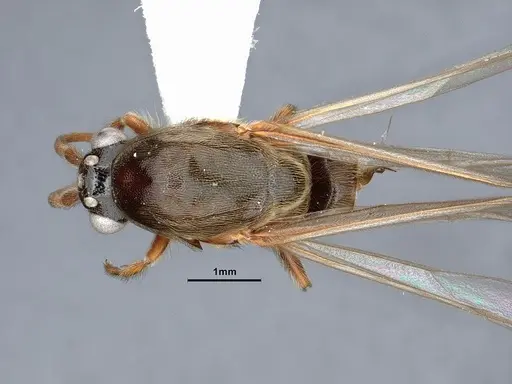
Literature
Loading...Loading products...