

Neivamyrmex melanocephalus
- Scientific Name
- Neivamyrmex melanocephalus
- Subfamily
- Dorylinae
- Author
- Emery, 1895
- Distribution
- Found in 2 countries
Neivamyrmex melanocephalus Overview
Neivamyrmex melanocephalus is an ant species of the genus Neivamyrmex. It is primarily documented in 2 countries , including Mexico, United States of America. Detailed taxonomic data and occurrence records can be further explored via authoritative databases such as AntWeb or the Global Biodiversity Information Facility (GBIF).
Neivamyrmex melanocephalus
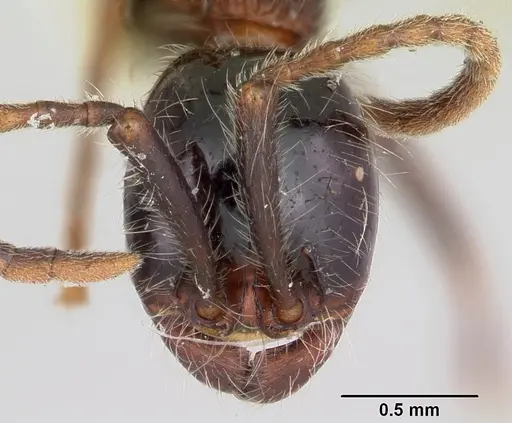
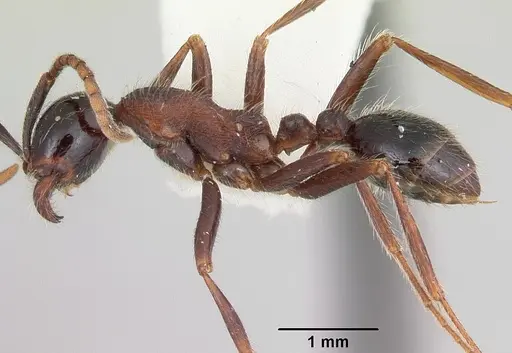
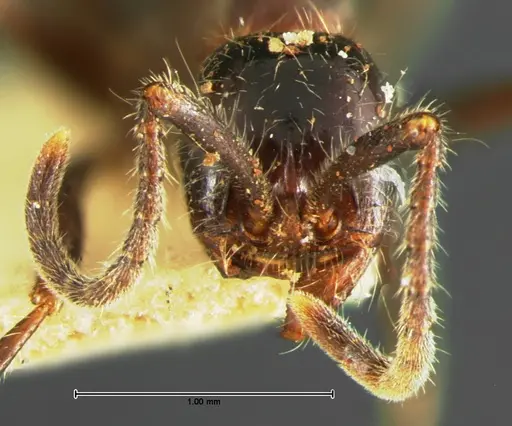
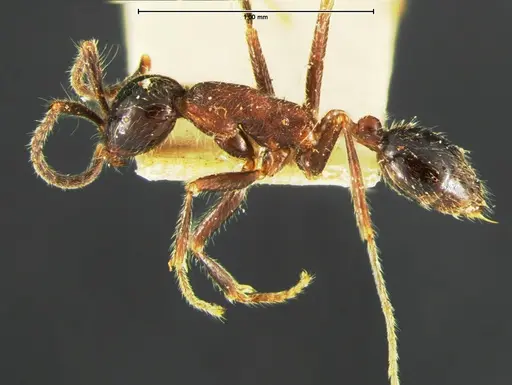
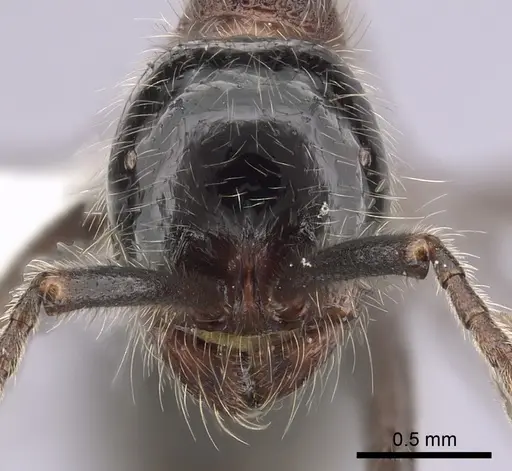
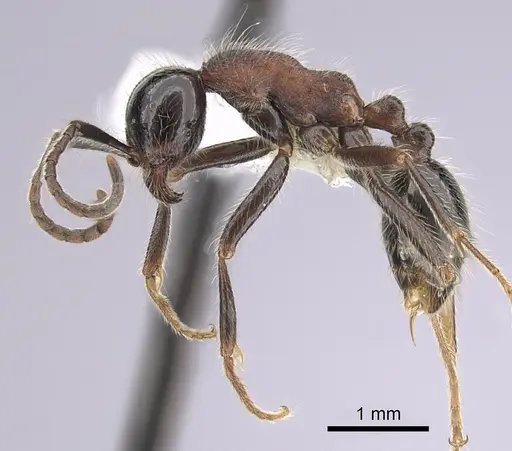
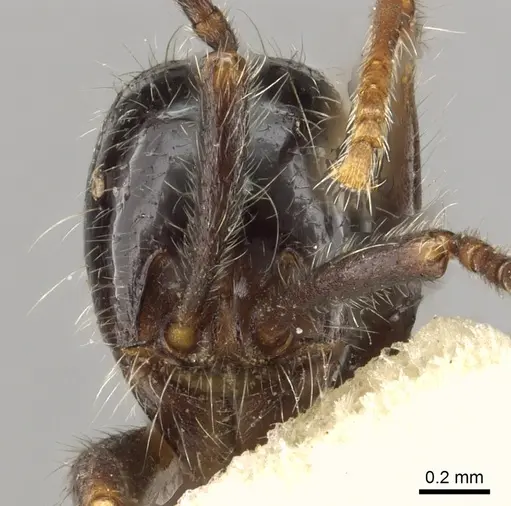
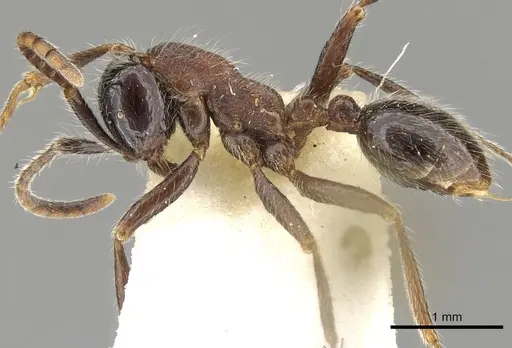
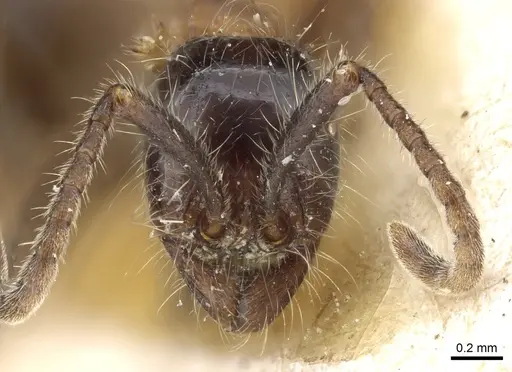
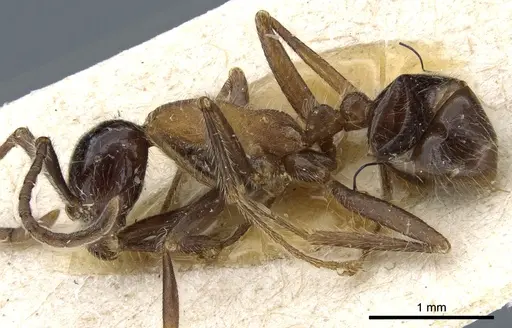
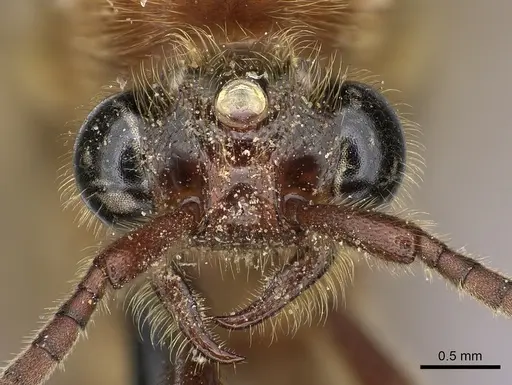
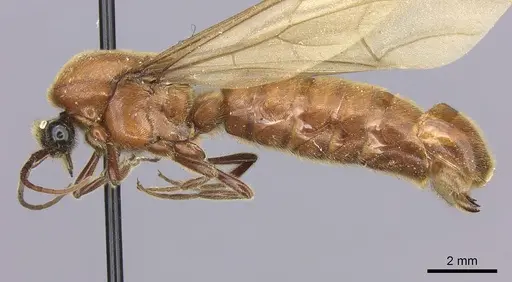
Neivamyrmex melanocephalus is a large army ant species native to Mexico and Central America, with occasional sightings in southern Arizona. Major workers measure 4.5-5.5mm and display striking coloration: the head and gaster are nearly black while the thorax and legs are reddish-brown, though color varies considerably from light yellowish-brown to almost black [1]. The head is smooth and shiny with distinctive convex eyes, and the mandibles are large and well-developed for their predatory lifestyle [2]. This species is rarely encountered in the United States and is more commonly found across central and southern Mexico, Guatemala, and Honduras [2][1].
As an army ant, N. melanocephalus exhibits classic raiding behavior, workers form columns on the ground and launch coordinated attacks on the nests of other small arthropods. One documented raid occurred in broad daylight, with workers capturing various small arthropods [1]. They are known predators of wasp larvae (Polibia genus), chrysomelid beetles, and lepidopteran larvae [2]. This predatory, nomadic lifestyle makes them fascinating but exceptionally challenging to keep in captivity.
Quick Summary
- Difficulty: Expert
- Origin & Habitat: Central Mexico through Guatemala and Honduras, with rare sightings in Arizona. Found in tropical deciduous forest, oak forest, pine-oak forest, and thorn scrub at elevations between 900-1850 meters [2][3].
- Colony Type: Colony structure is unconfirmed, only known from worker caste. As a Dorylinae army ant, colonies are expected to be large with a single queen, but this has not been directly documented for this specific species.
- Size & Growth:
- Queen: Undescribed, queen caste has not been documented [2]
- Worker: Major workers: 4.5-5.5mm [2]
- Colony: Unknown, likely hundreds to thousands like other army ants
- Growth: Unknown, likely fast during optimal conditions
- Development: Unconfirmed, typical Dorylinae development is 2-4 weeks at optimal temperature but this has not been studied for this species (Army ant development is generally rapid compared to many ant species, but specific data for N. melanocephalus is unavailable)
- Antkeeping:
- Temperature: Likely 22-28°C based on tropical/subtropical range and related species, no specific data available. Provide a warm gradient and monitor colony activity.
- Humidity: Moderate to high, found in tropical deciduous forest and oak forest habitats. Keep nest area moderately humid with some drier areas for escape.
- Diapause: Unknown, tropical species may have reduced activity periods rather than true hibernation
- Nesting: No captive nesting data exists. In nature, army ants are nomadic and don't maintain permanent nests, they bivouac in temporary shelters. Captive colonies would need large foraging spaces and minimal nest structures.
- Behavior: Highly predatory army ant, forms raiding columns and attacks other arthropod colonies. Workers are aggressive predators but pose minimal danger to humans due to their small size. Escape prevention is critical, they are active runners and will rapidly exploit any gaps. Their nomadic nature means they constantly move within the colony, making static nests unsuitable. They are primarily nocturnal or diurnal raiders (one documented daylight raid) [1].
- Common Issues: Army ants are extremely difficult to keep in captivity, they require massive colony sizes and constant movement to survive, Predatory diet makes feeding challenging, need constant supply of live prey (insect larvae, small arthropods), Colony collapse is common when kept in static nests, they need space to raid and bivouac, No established captive breeding protocols exist for this species, Wild-caught colonies likely have high mortality due to stress and improper conditions
Why This Species Is Expert-Only
Neivamyrmex melanocephalus and other army ants represent one of the most challenging groups to keep in captivity. Unlike most ant species that adapt well to test tubes and formicariums, army ants have a fundamentally different lifestyle that makes captive care extremely difficult. They are nomadic by nature, colonies constantly move between bivouac sites rather than establishing permanent nests. They require massive numbers of workers to function properly, with raids needing hundreds of foragers to be successful. The stress of captivity often causes colony collapse within weeks or months. Unless you have extensive experience with difficult exotic ants and can provide large, specialized setups, this species is not recommended for captivity. Observing them in the wild (where they occur in Mexico and occasionally Arizona) is a better option for most ant enthusiasts. [1][2]
Feeding and Diet
N. melanocephalus is a specialized predator. In the wild, workers have been observed raiding wasp nests (Polibia genus) to steal larvae, and they also prey on chrysomelid beetles and lepidopteran larvae [2]. One documented foraging raid in daylight showed workers capturing various small arthropods [1]. In captivity, you would need to provide a constant supply of live prey, this is not a species that accepts sugar water or dead insects. Suitable prey would include small caterpillars, beetle larvae, fly larvae, and other soft-bodied arthropods. The feeding challenge alone makes this species unsuitable for most keepers. Do not attempt to keep this species unless you can provide regular live prey multiple times per week.
Natural History and Distribution
This species ranges from Arizona (rare) through central and southern Mexico to Guatemala and Honduras [2][4]. In Mexico, it has been recorded in multiple states including Hidalgo, Jalisco, Michoacán, Morelos, Nayarit, Oaxaca, Nuevo León, and Sonora [5]. The principal range lies in Mexico and Guatemala, with the US sightings being exceptional [1]. They inhabit tropical deciduous forest, oak forest, pine-oak forest, and thorn scrub at elevations between 900-1850 meters [2]. Workers are captured moving in columns on the ground, in interception traps, and foraging on vegetation [2]. The species is known only from the worker caste, males have not been described and are not attracted to light [2].
Comparison to Other Army Ants
Neivamyrmex is the primary army ant genus in North and Central America, with N. melanocephalus being one of the larger and more distinctive species in the genus [1]. Unlike the famous Eciton burchellii (which forms massive swarm raids visible to the eye), Neivamyrmex species typically form column raids that are somewhat less spectacular but still highly effective. The genus is characterized by their predatory lifestyle, nomadic colonies, and the absence of a permanent nest. The smooth, shiny head and distinctive eye morphology help distinguish N. melanocephalus from related species like N. pilosum [2]. The color variation in this species is notable, thorax color ranges from light yellowish-brown through reddish-brown to almost black, with more variation in smaller workers [2].
Frequently Asked Questions
Can I keep Neivamyrmex melanocephalus in a test tube?
No. Army ants are not suitable for test tube or standard formicarium setups. They are nomadic and require space to form raiding columns and bivouacs. Keeping them in static nests typically results in colony collapse. This species should only be considered by expert keepers with specialized large setups, and even then, success is unlikely.
How long does it take for first workers?
This has not been documented for N. melanocephalus specifically. Army ant development is generally faster than most ant species, but without specific data, no timeline can be reliably provided. The queen caste has never been described, so even basic founding behavior is unknown.
Do Neivamyrmex melanocephalus ants sting?
Army ants have stingers but due to their small size (4.5-5.5mm), they pose minimal danger to humans. Their primary defense is their aggressive predatory behavior and numbers rather than stinging. The main concern with this species is their ability to escape and establish raids on other arthropods in your collection.
Are Neivamyrmex melanocephalus good for beginners?
Absolutely not. This species is rated Expert difficulty and is one of the most challenging ants to keep in captivity. Even experienced ant keepers struggle with army ants. If you're interested in army ant behavior, consider observing them in their natural range in Mexico or Arizona instead of attempting captive husbandry.
What do Neivamyrmex melanocephalus eat?
They are strict predators. Workers raid the nests of other arthropods, particularly wasp larvae, beetle larvae, and caterpillars [2]. In captivity, you would need to provide constant live prey. They do not accept sugar water, honey, or dead insects as primary food sources. This predatory diet makes them extremely difficult to maintain.
Do Neivamyrmex melanocephalus need hibernation?
Unknown. As a species from tropical and subtropical Mexico and Central America, they likely do not require true hibernation. They may have reduced activity during cooler periods, but this has not been studied. Given their natural range rarely experiences cold winters, a cooling period is probably not necessary.
Can I keep multiple queens together?
This has not been documented. The colony structure of N. melanocephalus is unconfirmed, only workers have been described and the queen caste is unknown [2]. Based on related army ant species, colonies likely have a single queen, but this is an inference rather than confirmed data. Combining unrelated queens is not recommended given how little we know about this species.
Why are my Neivamyrmex melanocephalus dying?
Without established captive protocols, colony failure is nearly guaranteed for this species. The most likely causes are: stress from improper housing (static nests vs. nomadic lifestyle), starvation (inability to provide enough live prey), and escape/colonies simply walking away. Army ants are not suited to typical ant-keeping equipment. If you obtained a colony, expect high mortality and do not be surprised if the colony collapses.
Where does Neivamyrmex melanocephalus live?
In the wild, they range from Arizona through Mexico to Guatemala and Honduras. They inhabit tropical deciduous forest, oak forest, pine-oak forest, and thorn scrub at elevations of 900-1850 meters [2]. They are rarely encountered in the US, Arizona sightings are exceptional. The principal population is in central and southern Mexico.
When do Neivamyrmex melanocephalus have nuptial flights?
This is unconfirmed. Males have never been described and are not attracted to light, which is unusual for army ants [2]. The reproductive behavior and timing of nuptial flights for this species has not been documented in the scientific literature.
References

This caresheet is licensed under CC BY-SA 4.0 .
CASENT0103136
View on AntWeb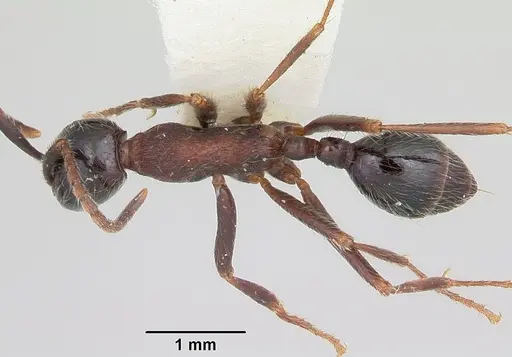
CASENT0105643
View on AntWeb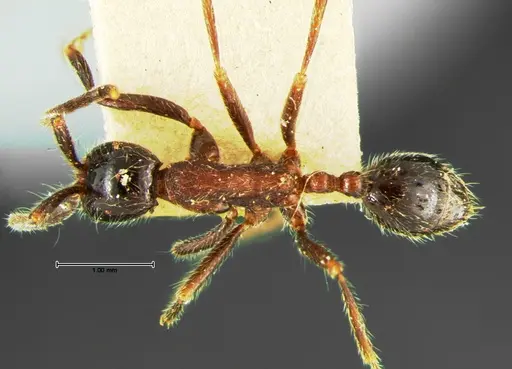
CASENT0249491
View on AntWeb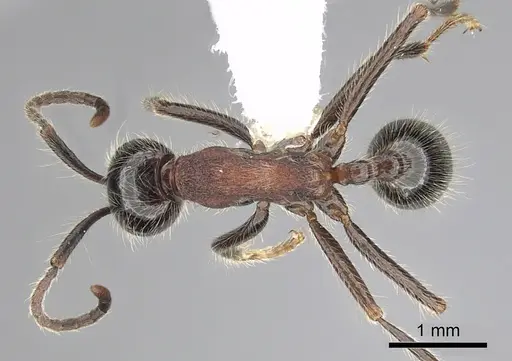
CASENT0902638
View on AntWeb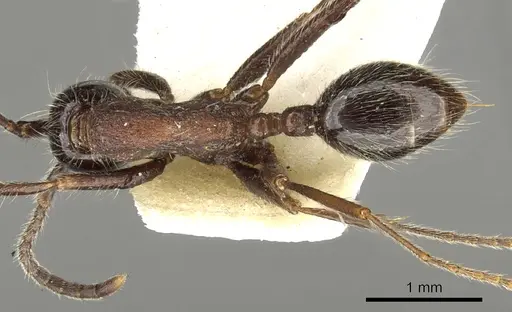
CASENT0903725
View on AntWeb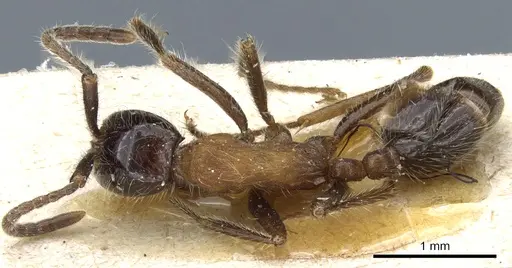
JTLC000002540
View on AntWeb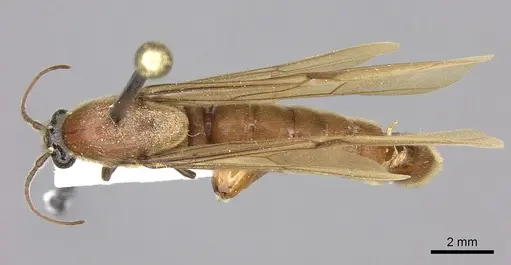
Literature
Loading...Loading products...