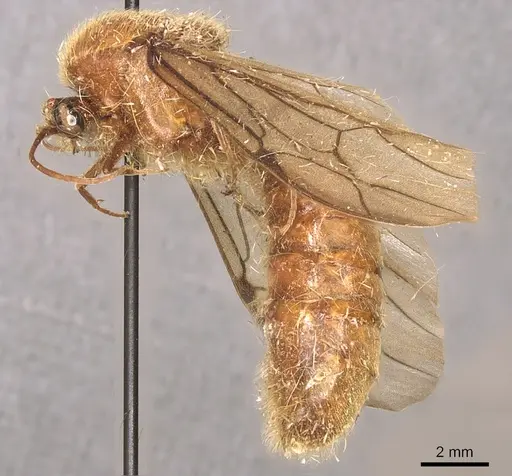
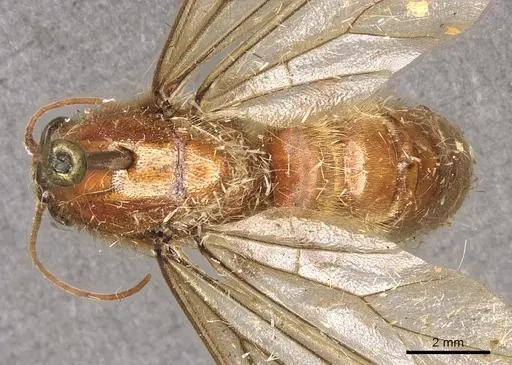
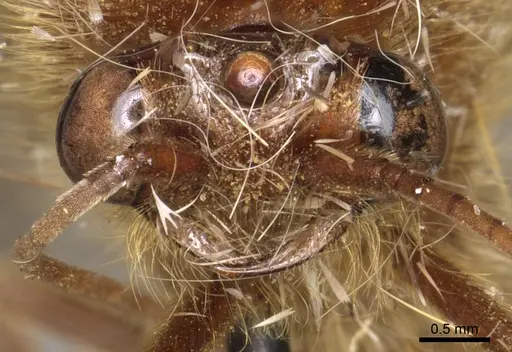
Neivamyrmex jerrmanni - "Jerrmann's Army Ant"
Neivamyrmex jerrmanni is a fascinating species of army ant belonging to the Dorylinae subfamily, renowned for its nomadic lifestyle. Unlike many other ant species, these ants do not construct permanent nests. Instead, they form temporary living masses called bivouacs, which they relocate frequently. These ants are primarily subterranean, often foraging under the ground, but they will occasionally venture above ground, especially at night or on overcast days. Their diet consists almost exclusively of the larvae and pupae of other ant species, making them specialized predators. The workers are polymorphic, meaning they vary in size, while the queens are flightless. The winged males, however, are quite distinctive and often mistaken for small wasps due to their appearance. This species is native to the Neotropical region.
- Difficulty: Expert
- Origin & Habitat: Neotropical Region, specifically found in Argentina, Bolivia, Brazil, Paraguay (its type locality), and Uruguay. in Predominantly subterranean, living in temporary bivouacs within soil, often in forest or grassland environments. They adapt to various conditions within their broad South American range..
- Colony Type: Monogyne (single queen per colony), though some species within the Neivamyrmex genus are known to be polygynous., colony fission (new queens leave their natal colony alongside a large number of workers to establish a new colony, a process distinct from typical founding where a single queen starts alone). founding.
- Size & Growth:
- Queen: 8-12mm
- Worker: 2-6mm
- Colony: Large (Tens of thousands to over a hundred thousand workers; estimates for the genus range from 10,000 to 140,000 workers).. Fast, characterized by rapid brood development and nomadic cycles to sustain their large, predatory colonies. growth.
- Antkeeping:
- Temperature: Maintain a warm environment, ideally between 25-30°C (77-86°F), consistent with their tropical and subtropical origins. Fluctuations should be minimized..
- Humidity: High humidity is crucial, especially within their nesting area, around 70-90%. This mimics the subterranean conditions of their bivouacs and is vital for brood development..
- Diapause: Not required. Not specified at Not specified.
- Nesting: Due to their nomadic nature, Neivamyrmex jerrmanni do not use traditional fixed nests. They require a dynamic setup that allows for movement and the formation of temporary bivouacs. A large, deep substrate-filled outworld with multiple potential burrowing sites, or a custom-built nomadic formicarium allowing for colony relocation, is essential..
- Behavior: High (towards other ant species as prey), Low (towards handler if not provoked) aggressiveness.
- Common Issues: Maintaining nomadic cycles in captivity, Consistent supply of live ant brood as food, Colony stalling due to inadequate diet or environment, Escaping due to their nomadic and often subterranean movements, Humidity fluctuations impacting subterranean bivouacs, Lack of suitable nesting space as they grow and move.
Keeping Neivamyrmex jerrmanni presents a significant challenge even for seasoned antkeepers due to their highly specialized nomadic behavior. Unlike most ants that settle in a permanent formicarium, these army ants are constantly on the move, forming temporary bivouacs and then relocating. This means a static setup simply won't suffice; you'll need to provide an expansive and dynamic environment that encourages their natural emigration cycles and allows them to move their entire colony, including their precious brood and the queen, to new temporary nesting sites. Maintaining this nomadic lifestyle in captivity is arguably the most complex aspect of their care, requiring creative and flexible enclosure designs.
Their dietary needs are equally demanding, as Neivamyrmex jerrmanni are obligate predators of other ant species' brood. This isn't a species that will thrive on sugary solutions or common feeder insects alone. Providing a consistent and sufficient supply of live ant larvae and pupae from other colonies is absolutely essential for their survival and growth. This specialized diet necessitates the concurrent keeping of feeder ant colonies, which adds another layer of complexity and commitment to their care. Without a reliable source of appropriate prey, a Neivamyrmex jerrmanni colony will quickly decline.
The subterranean nature of Neivamyrmex jerrmanni colonies means they are rarely observed in the wild. When they do forage above ground, it's typically under the cover of darkness or during cloudy conditions, adding to their elusive reputation. This cryptic lifestyle translates to antkeeping, as much of their activity, including their bivouac formation and brood rearing, will occur beneath the substrate. Designing a setup with viewing opportunities that don't disturb their sensitive environment, such as through clear acrylic tunnels or observation panes within the substrate, can be rewarding but requires careful planning to balance observation with their need for darkness and security.
It's important to note that while the workers of Neivamyrmex jerrmanni can deliver a sting, they are not inherently aggressive towards humans unless directly provoked or handled carelessly. Their primary aggression is directed towards their prey. However, given their large colony sizes and powerful predatory instincts, caution should always be exercised. Furthermore, winged male alates of this genus are often mistaken for wasps by the uninitiated due to their appearance, particularly when they emerge during nuptial flights and are attracted to lights. Identifying them correctly is crucial to avoid unnecessary alarm or misidentification.
Frequently Asked Questions
Can I keep Neivamyrmex jerrmanni in a standard acrylic or Ytong nest?
Absolutely not! Jerrmann's Army Ants are nomadic, which means they don't settle down in a single fixed nest like most ant species. They form temporary bivouacs and are constantly on the move, relocating their entire colony. A standard static nest won't accommodate their natural behavior, and they will quickly become stressed and decline. You'll need a specialized setup designed for nomadic species, like a large, deep outworld with plenty of substrate for burrowing or a custom nomadic formicarium that allows for frequent relocation.
What do Neivamyrmex jerrmanni eat?
These army ants are highly specialized predators. Their primary diet consists almost exclusively of the larvae and pupae (brood) of other ant species. You can't just feed them fruit flies or sugar water; they require a constant supply of live ant brood to thrive. This means you'll likely need to maintain separate feeder ant colonies to sustain your Neivamyrmex jerrmanni colony.
Are Neivamyrmex jerrmanni aggressive towards humans?
While they are fierce predators of other ants, Neivamyrmex jerrmanni are not typically aggressive towards humans unless directly disturbed or mishandled. Their sting can be painful, similar to a fire ant sting, so it's best to observe them without direct contact. Remember, their primary focus is on hunting their ant prey.
Do Neivamyrmex jerrmanni have a queen?
Yes, Neivamyrmex jerrmanni colonies have a queen, and she is crucial for reproduction. Unlike many queen ants you might be familiar with, the queen of this army ant species is flightless, meaning she does not have wings and cannot fly. She relies on her massive worker force to move her and the colony's brood during their nomadic cycles.
How do army ants like Neivamyrmex jerrmanni start new colonies?
Neivamyrmex jerrmanni, like many army ants, establish new colonies through a process called colony fission or budding. Instead of a lone queen founding a new colony, a new queen will depart from the parent colony along with a significant portion of the workers and a segment of the brood to form a completely new independent colony. This ensures the new colony has an immediate workforce and resources.
What kind of environment do these ants need?
As a Neotropical species, Neivamyrmex jerrmanni require a consistently warm and humid environment. Think tropical forest floor conditions! Maintaining temperatures between 25-30°C (77-86°F) and high humidity levels, especially within their burrowing substrate, is vital for their well-being and brood development. They thrive in environments with plenty of moist, compactable soil for their temporary bivouacs.
Why are the males sometimes mistaken for wasps?
It's a common occurrence! The winged males of the Neivamyrmex genus, including N. jerrmanni, have a body shape and overall appearance that can resemble small wasps, particularly their dark, often slender bodies and prominent wings. During nuptial flights, these alates are often attracted to lights, which is when people most frequently encounter them and might mistakenly identify them as wasps.
Do Neivamyrmex jerrmanni workers vary in size?
Yes, they do! Like many army ant species, Neivamyrmex jerrmanni workers are polymorphic, meaning there's a significant size variation among the workers within the same colony. You'll observe a range of worker sizes, from smaller individuals to larger ones, each potentially fulfilling different roles within the colony's complex social structure. This size diversity helps them with their specialized hunting and nomadic lifestyle.
Is diapause (hibernation) required for Neivamyrmex jerrmanni?
No, diapause is not required for Neivamyrmex jerrmanni. Given their natural habitat in the tropical and subtropical regions of South America, where temperatures remain warm year-round, these ants maintain continuous activity and do not enter a period of hibernation. Consistent warmth and food supply are key to their successful keeping.
How large can a Neivamyrmex jerrmanni colony get?
These are large colony ants! While specific numbers for N. jerrmanni can be hard to pinpoint, other well-studied Neivamyrmex species have colonies that can reach tens of thousands, sometimes even over 100,000 workers. Their nomadic foraging strategy relies on sheer numbers to overwhelm and consume the brood of other ant species, allowing them to support such vast populations.