

Neivamyrmex graciellae
- Scientific Name
- Neivamyrmex graciellae
- Subfamily
- Dorylinae
- Author
- Mann, 1926
- Distribution
- Found in 2 countries
Neivamyrmex graciellae Overview
Neivamyrmex graciellae is an ant species of the genus Neivamyrmex. It is primarily documented in 2 countries , including Mexico, United States of America. Detailed taxonomic data and occurrence records can be further explored via authoritative databases such as AntWeb or the Global Biodiversity Information Facility (GBIF).
Neivamyrmex graciellae
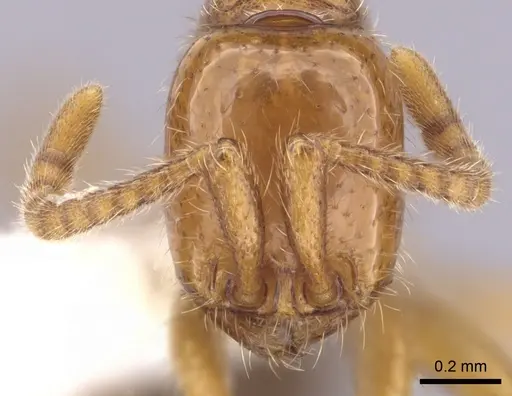
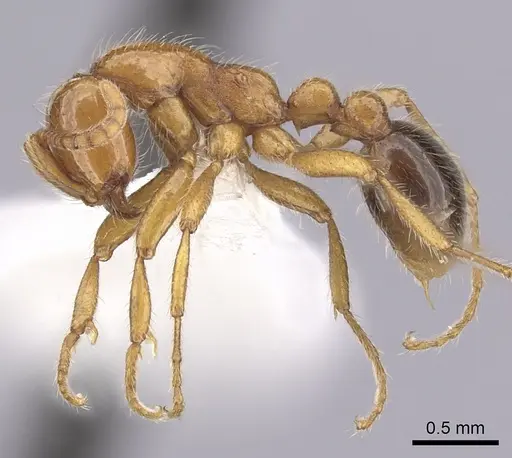
Neivamyrmex graciellae is a predatory army ant species native to Mexico, with a recently discovered range extending into southern Arizona in the United States [1]. Workers are small at 2.75-4mm with a distinctive dark brown to black gaster and bright reddish-brown head and thorax [2]. The queen is large at 16.7mm and notably nonphysogastric, meaning she remains mobile and runs among workers rather than staying in one place, a unique trait among army ants. This species is named in honor of Senorita Graciella Mercedes Maderiaga, the child who originally collected them in Mexico [2]. Unlike many army ants, N. graciellae is notable for having an exceptionally painful sting for a Neivamyrmex species, one researcher compared it to fire ant stings, with welts forming within minutes [2].
Quick Summary
- Difficulty: Expert
- Origin & Habitat: This species ranges from central Mexico (Jalisco, Oaxaca, Morelos) north into southern Arizona, particularly the Santa Rita Mountains [1][3]. In their Mexican range, they inhabit deciduous tropical forests typically less than 8 meters tall in low hills and canyons. The climate features an average annual rainfall of 733mm with a dry season from November to mid-June [2].
- Colony Type: Colony structure is not fully confirmed. The queen is nonphysogastric and mobile, running among workers during raids and migrations, this is unusual for army ants. Observed colonies had queens running unaided near the middle of worker swarms. Multiple colonies have been observed raiding at night, with workers carrying captured ant brood [2].
- Size & Growth:
- Queen: 16.7mm [2]
- Worker: 2.75-4mm [2]
- Colony: Unknown, likely several hundred workers based on observed swarms
- Growth: Unknown
- Development: Unknown, no direct development data available (Based on related army ant patterns, expect several months to first workers. Army ants typically have rapid development once established.)
- Antkeeping:
- Temperature: Warm conditions required, aim for 24-28°C given their tropical origin. Provide a temperature gradient so ants can self-regulate.
- Humidity: Moderate to high humidity (60-80%). Their natural habitat experiences seasonal dry periods but also significant rainfall. Keep substrate moist but not waterlogged.
- Diapause: Likely minimal or none, being tropical/subtropical, they probably remain active year-round with reduced activity during dry season.
- Nesting: Army ants are nomadic and do not establish permanent nests. In captivity, they need a large outworld space for raiding columns and a secure nest chamber for brood. Use escape-proof setups, their small size means they can squeeze through tiny gaps.
- Behavior: Nocturnal raiders, columns and swarms are primarily observed at night or during early morning hours [2]. Workers are aggressive predators that raid other ant colonies for brood (larvae and pupae). They form characteristic raiding columns with the queen moving among workers. The sting is notably painful, stronger than other Neivamyrmex species and comparable to fire ant stings. Handle with extreme caution. Escape prevention is critical due to their small worker size. They are highly active and will continuously forage for prey.
- Common Issues: severe sting risk, these ants can deliver painful stings comparable to fire ants, small size makes escape prevention challenging, use fine mesh and tight-fitting barriers, nomadic lifestyle requires large foraging space, standard small nests are inadequate, predatory on other ants, need constant supply of live ant brood or small prey, limited captive care information exists due to recent US discovery, queen mobility is unusual, she runs with the colony rather than staying in a fixed chamber
Understanding Army Ant Biology
Neivamyrmex graciellae is a true army ant, belonging to the subfamily Dorylinae. Unlike most ant species that establish permanent nests, army ants are nomadic, they constantly migrate between bivouacs (temporary nests made from living workers linked together) as they exhaust food sources in each area [4]. This species was only recently recognized in the United States, with the first specimens from Arizona documented in 2007 [1]. The discovery in southern Arizona raises the possibility that this species, rather than Neivamyrmex melanocephalus, might actually be the worker caste of Neivamyrmex mandibularis, a taxonomic question that remains unresolved [2]. Workers are small but aggressive predators, specializing in raiding other ant colonies to steal their brood. The queen is uniquely mobile among army ants, she is nonphysogastric (not swollen with eggs) and runs freely among workers during raids and migrations, rather than remaining stationary in the nest [2].
Housing and Enclosure Setup
Keeping army ants requires significantly different setup than typical ant species. Because they are nomadic, they need a large outworld space for raiding columns, standard formicariums with fixed chambers are inadequate. A spacious outworld (at least 30cm x 30cm or larger) connected to a secure nest chamber works best. The nest chamber should hold the brood and provide a dark retreat, while the outworld allows workers to form raiding columns. Escape prevention is absolutely critical, workers are only 2.75-4mm and can squeeze through remarkably small gaps. Use fluon on all rim edges, fine mesh on any ventilation, and ensure all connections are tight. The setup should allow you to observe their fascinating raiding behavior without escapes. Provide a water source via damp cotton or a small test tube with water, secured with cotton. [2]
Feeding and Predation
As obligate predators, Neivamyrmex graciellae workers raid other ant colonies to capture their brood (larvae and pupae) as food [2]. In captivity, you must replicate this by providing live ant brood or other small live prey. They will not thrive on sugar water alone, protein is essential. Offer small live insects (fruit flies, pinhead crickets, small mealworms) and, ideally, brood from other ant colonies. Some keepers report success feeding them various small arthropods. The raiding behavior is most intense at night, so feeding attempts are best done in evening hours. Remove uneaten prey after 24-48 hours to prevent mold. Do not house them with other ant colonies in the same enclosure, they will systematically raid and eliminate them.
Temperature and Seasonal Care
Being a tropical to subtropical species from Mexico and southern Arizona, Neivamyrmex graciellae requires warm conditions. Maintain temperatures between 24-28°C (75-82°F) for optimal activity and brood development. A slight temperature gradient is beneficial so workers can self-regulate. Use a heating cable or mat on one side of the enclosure if room temperature falls below this range. Unlike temperate species, they likely do not require a true hibernation diapause. However, they may show reduced activity during dry seasons in their natural habitat. Monitor colony behavior, if workers become less active, slightly reduce temperatures but maintain above 20°C. High humidity (60-80%) should be maintained, mimicking their humid tropical forest origin. [2]
Safety and Sting Prevention
This is the most critical safety consideration for this species. Unlike many Neivamyrmex species that have mild stings, N. graciellae delivers a notably severe sting. One researcher described it as similar to fire ant (Solenopsis) stings, with strong burning sensations and welts 1-1.5cm in diameter forming almost immediately [2]. The burning sensation lasts a few minutes but red patches can remain visible for hours. This species should only be kept by experienced antkeepers who are comfortable handling aggressive, stinging species. Always use protective gloves when working with the colony, and never open the enclosure without having a secure way to contain the ants. Work in a well-lit area where you can see all workers. If stung, wash the area with soap and water and monitor for allergic reactions.
Frequently Asked Questions
Can I keep Neivamyrmex graciellae in a test tube setup?
No, standard test tube setups are completely inadequate for this species. Army ants are nomadic and need large spaces to form raiding columns. A test tube would cause them significant stress and prevent their natural raiding behavior. You need a spacious outworld connected to a nest chamber.
Are Neivamyrmex graciellae dangerous?
Yes, they can sting and their sting is notably painful, stronger than most other Neivamyrmex species. The sting causes burning sensations and raised welts comparable to fire ant stings. Handle with extreme caution and wear protective gloves.
What do Neivamyrmex graciellae eat?
They are obligate predators that raid other ant colonies for brood. In captivity, feed live small insects (fruit flies, pinhead crickets, small mealworms) and ideally ant brood from other colonies. Sugar water may be accepted but protein is essential.
How long does it take for the first workers to emerge?
The exact development timeline is unknown for this species. Based on related army ant patterns, expect several months from founding to first workers. More research is needed on their specific development speed.
Can I keep multiple queens together?
Colony structure is not well-documented for this species. Observed colonies had single mobile queens running among workers. Combining unrelated queens has not been studied and is not recommended.
Do Neivamyrmex graciellae need hibernation?
Probably not, being tropical/subtropical, they likely remain active year-round with possible reduced activity during dry seasons. Maintain warm temperatures (24-28°C) rather than providing cold hibernation conditions.
Why is my Neivamyrmex graciellae colony dying?
Common causes include: inadequate space (they need large raiding areas), insufficient protein (they need live prey, not just sugar), escape due to small size, temperatures too low, or stress from inappropriate housing. Review all care parameters and ensure they have proper nutrition and space.
Are Neivamyrmex graciellae good for beginners?
No, this species is rated Expert difficulty. They require specialized housing, constant live prey, have a painful sting, and are prone to escape due to their small size. They should only be kept by experienced antkeepers.
When are Neivamyrmex graciellae most active?
They are primarily nocturnal. Raiding columns and swarms are observed at night and during early morning hours. Expect most activity in evening and nighttime hours under captive conditions.
How big do Neivamyrmex graciellae colonies get?
Exact colony size is not well-documented. Based on observed swarms of several hundred workers, colonies likely reach several hundred to perhaps a few thousand workers at maturity.
References

This caresheet is licensed under CC BY-SA 4.0 .
CASENT0249484
View on AntWeb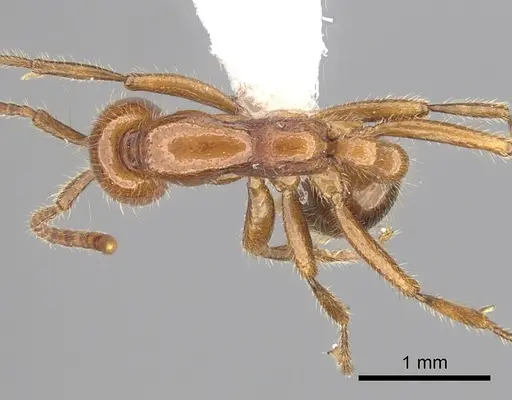


CASENT0249486
View on AntWeb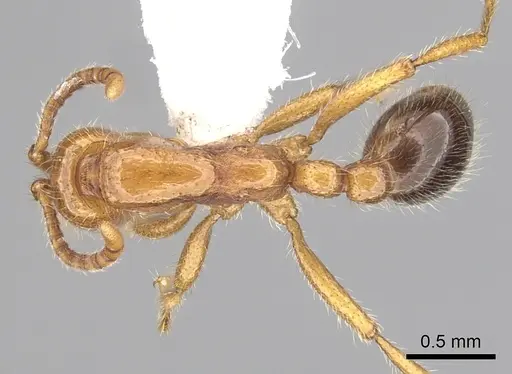
Literature
Loading...Loading products...