

Neivamyrmex fumosus
- Scientific Name
- Neivamyrmex fumosus
- Subfamily
- Dorylinae
- Author
- Forel, 1913
- Distribution
- Found in 4 countries
Neivamyrmex fumosus Overview
Neivamyrmex fumosus is an ant species of the genus Neivamyrmex. It is primarily documented in 4 countries , including Costa Rica, Honduras, Mexico. Detailed taxonomic data and occurrence records can be further explored via authoritative databases such as AntWeb or the Global Biodiversity Information Facility (GBIF).
Neivamyrmex fumosus
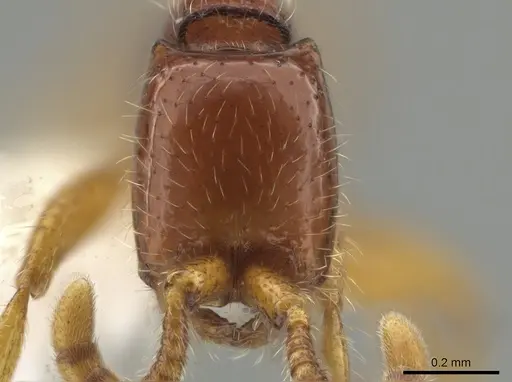
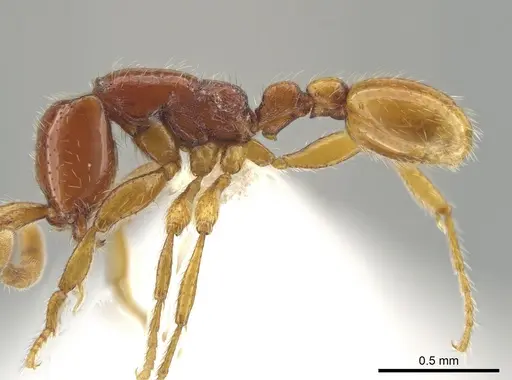
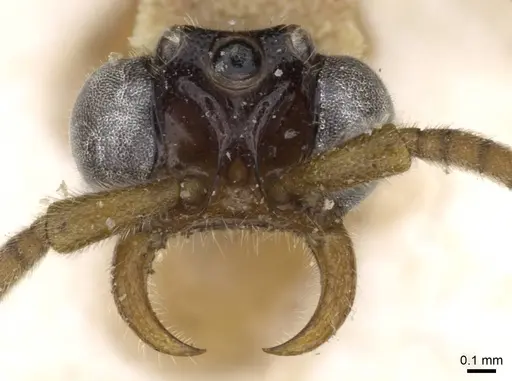
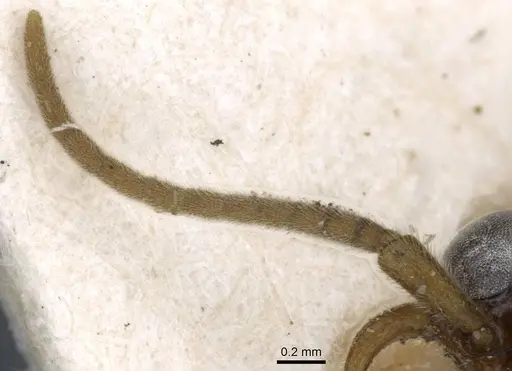
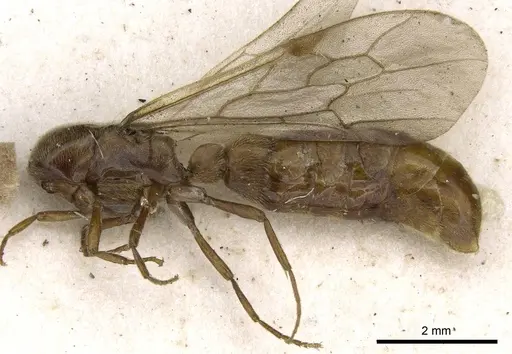
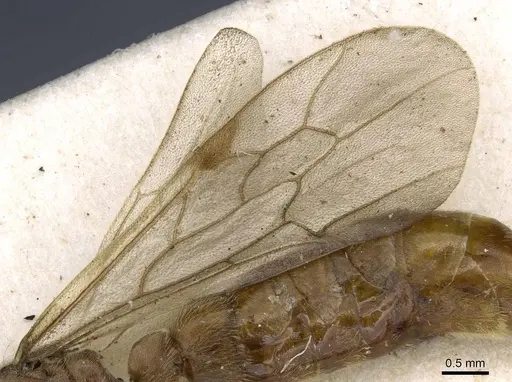
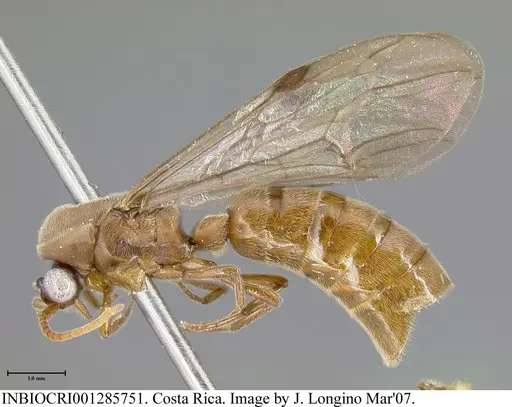
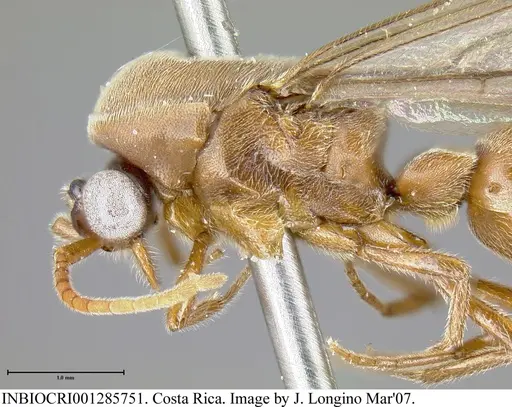
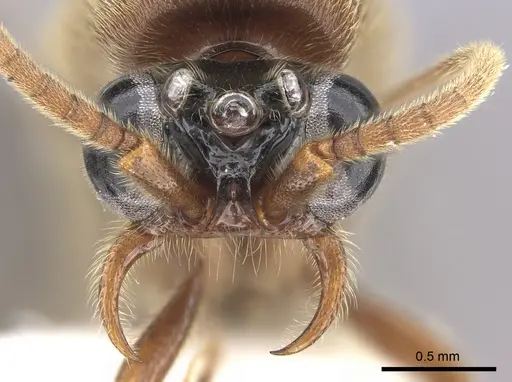
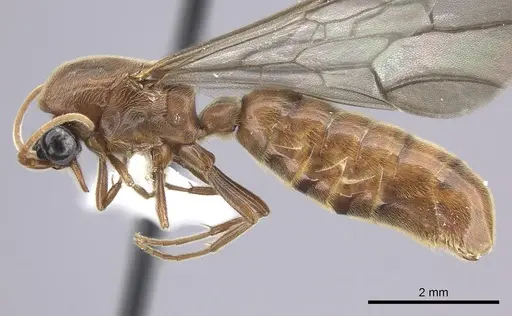
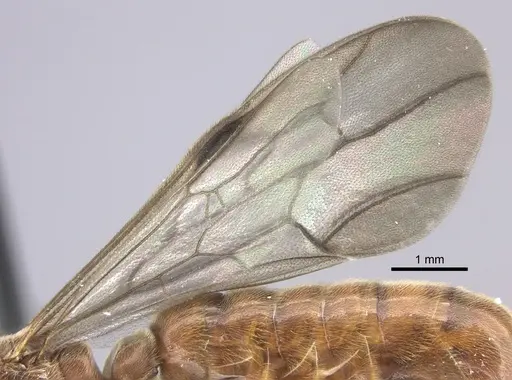
Neivamyrmex fumosus is a species of army ant known only from male specimens. The workers and queens of this species have never been described in the scientific literature, making it impossible to identify colonies in the wild or keep them in captivity. Males have been collected at lights at night in Guatemala, Mexico, and Costa Rica, primarily in June and July. This species represents a significant knowledge gap in ant taxonomy, despite being formally described in 1913,only the male caste has ever been observed. For antkeeping purposes, this species cannot be recommended as the fundamental biology (worker morphology, colony structure, founding behavior, diet) remains completely unknown.
Quick Summary
- Difficulty: Expert
- Origin & Habitat: Central America (Guatemala, Mexico, Costa Rica). The natural habitat consists of tropical rainforests in the lowland Neotropics, though specific microhabitat preferences are unknown since workers have never been documented [1][2][3].
- Colony Type: Unknown, workers have never been described, so colony structure (single-queen or multi-queen) is unconfirmed.
- Size & Growth:
- Queen: Unknown, queens have never been documented
- Worker: Unknown, workers have never been described
- Colony: Unknown
- Growth: Unknown
- Development: Unknown, development has not been studied (Workers remain undescribed, so no development data exists)
- Antkeeping:
- Temperature: Unknown, no worker observations exist to determine temperature preferences. Based on related Neivamyrmex species from similar habitats, likely prefers warm tropical conditions (24-28°C), but this is an estimate.
- Humidity: Unknown, no worker observations exist. Related army ants typically require high humidity (70-80%) similar to their rainforest habitat.
- Diapause: Unknown, no data on seasonal behavior exists. Most Neotropical army ants do not undergo true hibernation but may reduce activity during dry seasons.
- Nesting: Unknown, workers have never been found, so natural nesting preferences are completely unconfirmed. Related army ants are nomadic and bivouac in temporary nests made of worker-linked bodies.
- Behavior: Unknown, the behavioral characteristics of this species cannot be determined since workers have never been observed. Related Neivamyrmex species are nomadic army ants that raid columns for prey, but specific behaviors for N. fumosus are unconfirmed. Males have been collected at lights at night, suggesting nuptial flights occur in June-July.
- Common Issues: This species cannot be kept, workers have never been described and cannot be identified in the field, No captive colonies exist because the worker caste remains unknown to science, Even if workers were found, identification would be impossible without a formal description, Related army ants require specialized care (nomadic bivouacs, live prey) that cannot be confirmed for this species
Why This Species Cannot Be Kept
Neivamyrmex fumosus represents one of the most significant gaps in ant taxonomy. Despite being formally described in 1913 by Forel (originally as Neivamyrmex minor var. fumosa), only the male caste has ever been collected and studied. The workers, queens, and colony structure remain completely unknown to science. This is extraordinarily rare among described ant species, most described species have at least worker castes documented. Without workers, it is impossible to identify colonies in the field, collect a founding queen, or establish a captive colony. Even if by chance a colony were discovered, there is no morphological description to confirm the identification. For these reasons, this species is not a viable candidate for antkeeping. [5]
Distribution and Known Records
The known distribution of Neivamyrmex fumosus spans the Neotropical region of Central America. In Mexico, specimens have been recorded from the states of Campeche, Chiapas, Quintana Roo, Tabasco, and Yucatán [2][3][4]. The type locality is Guatemala (Patulul) [1]. In Costa Rica, males have been collected at light traps in June and July at La Selva biological station [5]. All specimens known to science have been collected at lights at night, which is typical behavior for male army ants during their nuptial flight period. The species appears to be rare in collections, an 18-month quantitative light trapping program at La Selva yielded only 10 specimens across three samples.
Related Species and What We Can Infer
While N. fumosus itself cannot be kept, understanding its genus helps explain why it remains so poorly known. Neivamyrmex is a genus of army ants (subfamily Dorylinae) found throughout the Americas. Like other army ants, they are nomadic predators that form raiding columns to capture prey. Related species such as Neivamyrmex balzani occur in similar habitats and have fully described worker castes. It is possible that N. fumosus workers exist in museum collections but have not been associated with the males, this association typically requires collecting a complete colony. The June-July collection timing for males suggests nuptial flights occur during the early wet season in Central America. If workers were eventually described, they would likely share typical army ant traits: nomadic behavior, carnivorous diet, and temporary bivouac nests.
Frequently Asked Questions
Can I keep Neivamyrmex fumosus ants?
No. This species cannot be kept in captivity because workers have never been described in the scientific literature. Without workers, no one can identify colonies in the wild or establish a captive colony. This is one of the few ant species where the worker caste remains completely unknown.
What do Neivamyrmex fumosus workers look like?
We don't know. Workers have never been described or collected. The species is only known from male specimens collected at lights since 1913.
Where does Neivamyrmex fumosus live?
The species is known from Guatemala, Mexico (Campeche, Chiapas, Tabasco, Quintana Roo, Yucatán), and Costa Rica. It lives in tropical rainforest habitats in the Neotropical region.
When do Neivamyrmex fumosus males fly?
Based on collection data from Costa Rica and Guatemala, males are caught at lights in June and July, suggesting nuptial flights occur during the early wet season.
Are there similar army ant species that can be kept?
Yes. Other Neivamyrmex species with described workers can potentially be kept, though army ants in general are challenging to maintain. Many Eciton species (New World army ants) have fully described castes and are kept by experienced antkeepers. These require live prey, high humidity, and nomadic housing setups.
Why are only males known for this species?
This is an unusual situation in ant taxonomy. Male army ants are attracted to lights during nuptial flights and are therefore easier to collect. Workers and queens are typically ground-nesting and much harder to locate. It is possible that workers exist in museum collections but have not been associated with the males through proper collection.
What should I keep instead of Neivamyrmex fumosus?
If you're interested in army ant behavior, consider keeping other Dorylinae species with fully described castes. Many antkeepers successfully keep various Neivamyrmex species, Eciton species, or other army ants that have documented worker castes. Always ensure the species you choose has established care guidelines based on described workers.
Is Neivamyrmex fumosus endangered?
Its conservation status has not been assessed. The species is known from relatively few specimens, but this may reflect collection difficulty rather than true rarity.
References

This caresheet is licensed under CC BY-SA 4.0 .
CASENT0625244
View on AntWeb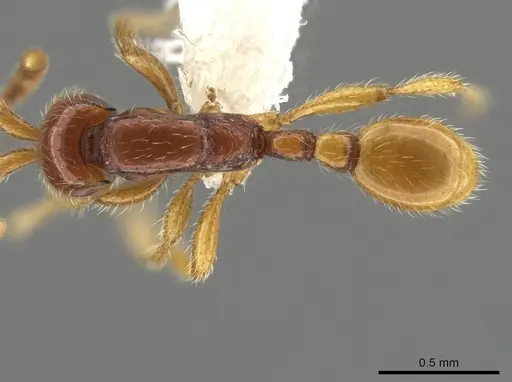
CASENT0905969
View on AntWeb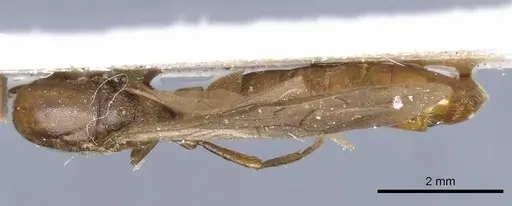
INBIOCRI001285751
View on AntWeb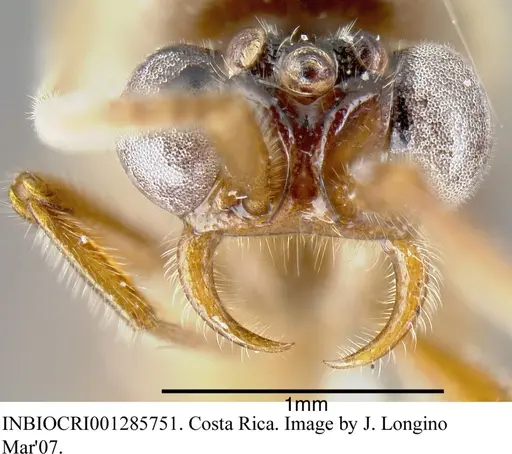
JTLC000014967
View on AntWeb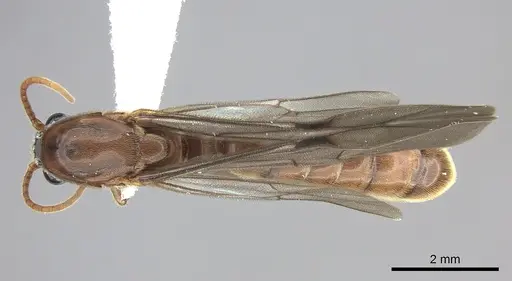
Literature
Loading...Loading products...