

Neivamyrmex bruchi
- Scientific Name
- Neivamyrmex bruchi
- Subfamily
- Dorylinae
- Author
- Forel, 1912
- Distribution
- Found in 1 countries
Neivamyrmex bruchi Overview
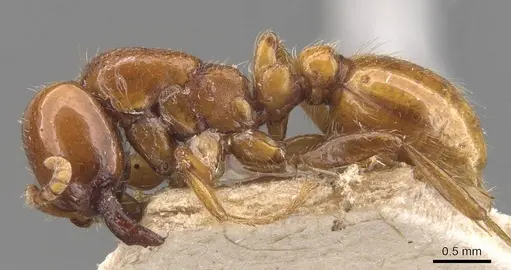
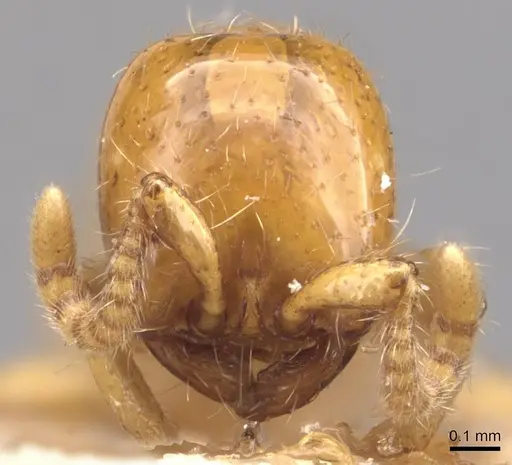
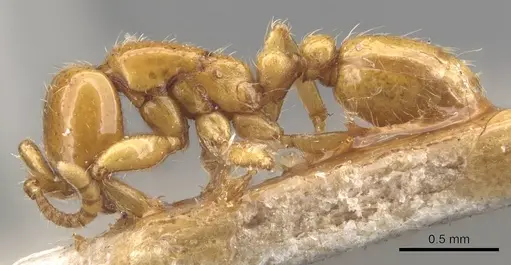
Neivamyrmex bruchi is an ant species of the genus Neivamyrmex. It is primarily documented in 1 countries , including Brazil. Detailed taxonomic data and occurrence records can be further explored via authoritative databases such as AntWeb or the Global Biodiversity Information Facility (GBIF).
Neivamyrmex bruchi
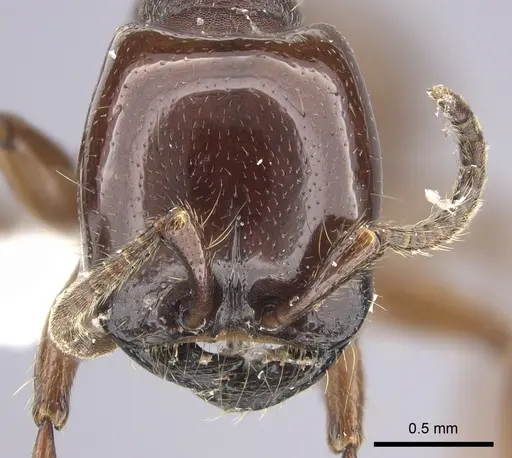
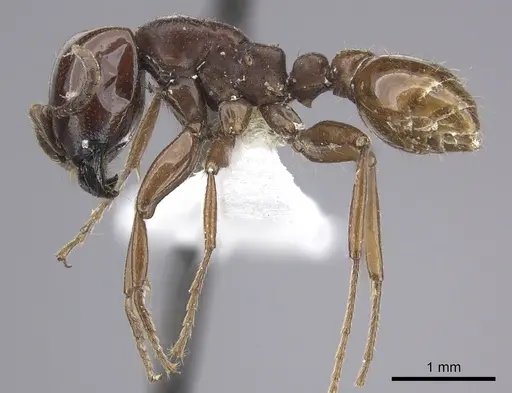
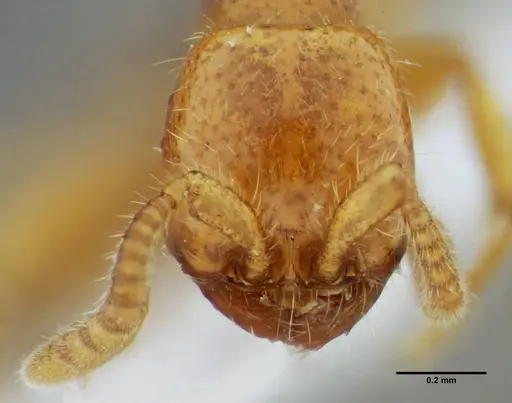
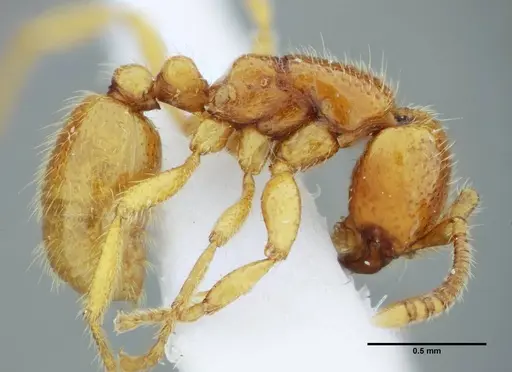
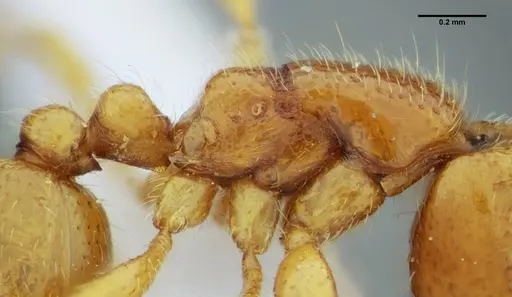
Neivamyrmex bruchi is a Neotropical army ant belonging to the subfamily Dorylinae. Workers are small to medium-sized army ants, originally described from specimens collected in Argentina's Catamarca province at 1300m elevation. The species forms part of the N. bruchi-like species cluster and is closely related to Neivamyrmex mars based on genetic studies [1]. Army ants are famous for their nomadic lifestyle and raiding behavior, forming massive colonies that constantly move and hunt. However, N. bruchi specifically is poorly documented in scientific literature, and much of what we know comes from general Dorylinae biology rather than species-specific research.
Quick Summary
- Difficulty: Expert
- Origin & Habitat: Native to the Neotropical region, specifically Argentina and Brazil. Type specimens were collected from Huasán, Catamarca, Argentina at 1300m elevation [2]. This is a subtropical mountain habitat with moderate altitudes.
- Colony Type: Colony structure is unconfirmed for this species. Most Neotropical army ants (Dorylinae) are polygyne with multiple queens, but N. bruchi specifically has not been studied.
- Size & Growth:
- Queen: Unknown, not documented in available literature
- Worker: Unknown, only type specimens described, no measurements published
- Colony: Unknown, likely large given it's an army ant, but no specific data
- Growth: Unknown
- Development: Unknown, no direct measurements exist. Based on typical Dorylinae patterns, expect several months at tropical temperatures, but this is a rough estimate. (No species-specific development data exists. Army ant brood development is typically temperature-dependent, with faster development in warmer conditions.)
- Antkeeping:
- Temperature: Unconfirmed, this species has not been kept in captivity to our knowledge. Based on its Argentine distribution (temperate to subtropical highlands at 1300m), it likely tolerates cooler temperatures than purely tropical army ants. Start around 20-24°C and observe colony activity. This is an estimate based on geography, not confirmed care data.
- Humidity: Unconfirmed. Most Neotropical army ants prefer humid conditions. Based on related species, aim for moderate to high humidity (60-80%) with moist substrate. This is inferred from genus patterns.
- Diapause: Unknown, likely a minor winter slowdown given the temperate Argentine distribution, but no specific studies exist.
- Nesting: Army ants do not build permanent nests. In the wild, they form bivouacs (temporary nests made of living workers lashed together). In captivity, they need space to form raiding columns and should not be confined to small nests. Provide a large outworld with minimal nesting structure, they will form their own bivouac in a dark corner.
- Behavior: Army ants are famous for their predatory raiding behavior. Workers form columns to hunt prey including other insects and arthropods. They are aggressive predators but pose no danger to humans, these are tiny ants with no significant sting. Escape risk is moderate, while smaller than some army ants, standard barrier methods work well. The colony will be highly active and mobile, constantly on the move.
- Common Issues: no documented captive care, this species has never been kept in captivity to our knowledge, army ants require enormous amounts of prey, keeping them fed is extremely challenging, nomadic lifestyle means they need space to move, standard nests are completely unsuitable, colony may decline rapidly if prey supply is inadequate, very poor documentation means all care is essentially experimental
Why This Species Is Extremely Challenging
Neivamyrmex bruchi is one of the least documented ant species in the hobby. Unlike common army ants like Eciton burchelli or Labidus coecus, this species has never been kept in captivity to our knowledge. All care recommendations are extrapolated from general Dorylinae biology and the species' geographic range. The type specimens were collected in 1912,and since then, virtually no biological research has been published on this specific species [2]. This means every aspect of captive care, from temperature to feeding to colony structure, is essentially experimental. You will be a pioneer if you attempt to keep this species, and success is far from guaranteed.
Housing and Enclosure Setup
Army ants cannot be kept in traditional formicariums or nests. They are nomadic and need to form bivouacs, temporary nests made of living workers lashed together. In captivity, provide a large outworld (at least 30cm x 30cm minimum, larger is better) with a dark retreat area where they can form their bivouac. The enclosure should allow for raiding columns to form and hunt. Avoid any small, enclosed spaces, army ants will quickly abandon them. Use a deep substrate (at least 5cm) of moist soil or sand where they can form their bivouac clusters. Lighting should be dim, as army ants prefer dark conditions. Escape prevention is important, though these are not among the smallest ants.
Feeding and Predatory Behavior
Neivamyrmex bruchi is a predatory army ant, meaning it hunts live prey rather than foraging for sugar. In the wild, army ant colonies consume enormous quantities of other insects and arthropods, estimates suggest a large colony may kill millions of prey items per year. In captivity, you must provide a constant supply of live prey. Suitable prey includes: small crickets, mealworms, fruit flies, waxworms, and various small arthropods. Feed prey items that are roughly 1/3 to 1/2 the worker size. The colony needs to raid frequently, think of it as hundreds or thousands of tiny predators that must eat every day. Without a constant prey supply, the colony will decline and die. This is the single biggest challenge in keeping army ants.
Temperature and Seasonal Care
The type locality in Argentina's Catamarca province at 1300m elevation suggests this species experiences cooler temperatures than lowland tropical army ants. There is no confirmed optimal temperature, but based on the subtropical highland origin, aim for temperatures in the 18-24°C range. Avoid overheating, these ants are not heat-loving. Room temperature (around 20-22°C) is likely appropriate. Monitor colony behavior: if workers become sluggish, slightly increase temperature, if they avoid the heated areas, reduce temperature. No specific diapause requirements have been documented, but a slight winter slowdown is possible given the temperate distribution. Keep temperatures stable, avoid sudden fluctuations. [2]
Understanding Army Ant Biology
Neivamyrmex belongs to the Dorylinae subfamily, the army ants. Unlike most ants that build permanent nests and forage for food, army ants are nomadic predators that constantly move their colonies in search of prey. They form raiding columns where thousands of workers march in organized lines to hunt. Army ant colonies have a unique life cycle: during a nomadic phase, they raid frequently and move often, during a stationary phase, the queen lays eggs and the colony rests in one location. Most army ant colonies contain multiple queens (polygyne). However, these general patterns are based on well-studied species like Eciton, N. bruchi specifically may differ in ways we simply don't know.
Frequently Asked Questions
Can I keep Neivamyrmex bruchi in a test tube or formicarium?
No, army ants are completely unsuitable for traditional nests. They are nomadic and need to form bivouacs (temporary nests made of living workers). A test tube or formicarium would cause them extreme stress and likely lead to colony death. They need a large outworld with space to raid.
What do Neivamyrmex bruchi eat?
They are predators that hunt live prey. You must provide a constant supply of small live insects, crickets, mealworms, fruit flies, waxworms, and other small arthropods. They will not accept sugar water or honey. Feeding is the biggest challenge in keeping this species.
How long does it take for Neivamyrmex bruchi to develop from egg to worker?
Unknown, this has never been documented for this species. Based on typical Dorylinae development at tropical temperatures, expect several months, but this is a rough estimate.
How big do Neivamyrmex bruchi colonies get?
Unknown, no colony size data exists for this species. Based on typical army ant biology, colonies likely reach hundreds to thousands of workers, but this is an estimate.
Is Neivamyrmex bruchi good for beginners?
Absolutely not. This is an expert-only species with no documented captive care. Even experienced antkeepers struggle with army ants due to their enormous prey requirements and nomadic nature. Start with easier species like Lasius, Camponotus, or Messor before attempting army ants.
Do Neivamyrmex bruchi need hibernation?
Unknown, no studies exist on their seasonal requirements. Based on the Argentine highland origin (1300m elevation in Catamarca), they may experience a minor winter slowdown, but specific requirements are unconfirmed.
Can I keep multiple queens together in one colony?
Unknown, colony structure has not been documented for this species. Most Neotropical army ants are polygyne (multiple queens), but we have no data for N. bruchi specifically.
Where does Neivamyrmex bruchi live in the wild?
The species is known from Argentina (Catamarca province) and Brazil in the Neotropical region. Type specimens were collected at 1300m elevation in Huasán, Argentina [2].
Why is so little known about Neivamyrmex bruchi?
This species was originally described in 1912 and has received very little scientific attention since. Only the original type specimens have been studied in detail. Unlike famous army ant species like Eciton burchelli, N. bruchi has not been the subject of behavioral or ecological research.
References

This caresheet is licensed under CC BY-SA 4.0 .
CASENT0617049
View on AntWeb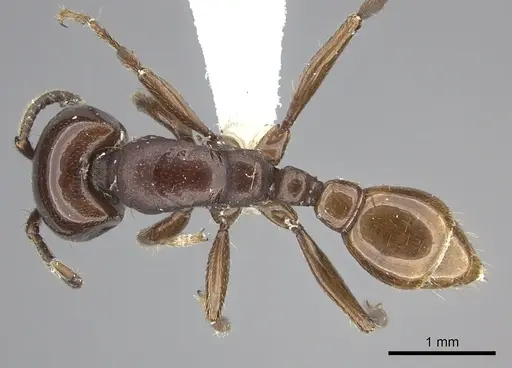
CASENT0617053
View on AntWeb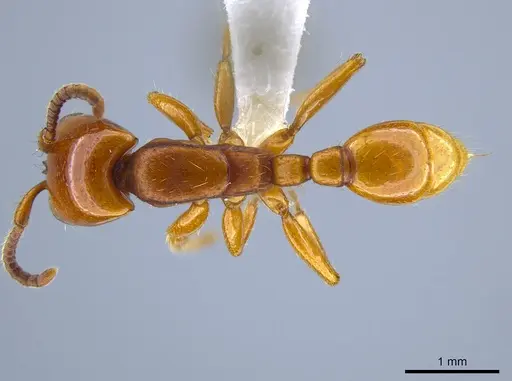
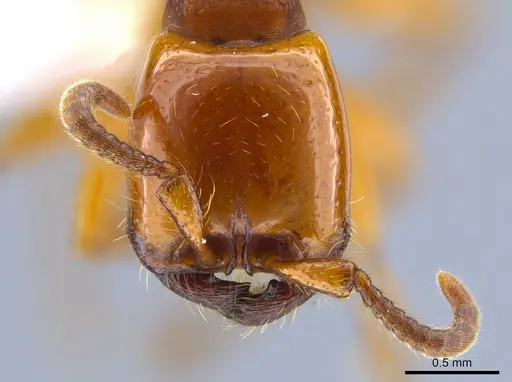
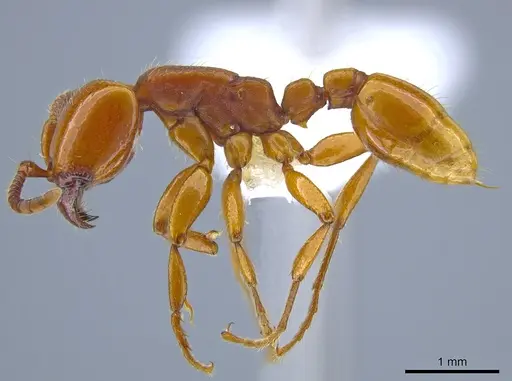
CASENT0905950
View on AntWeb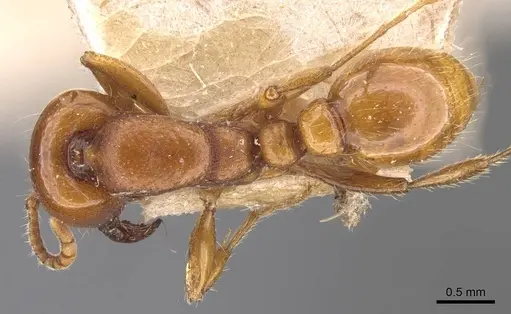
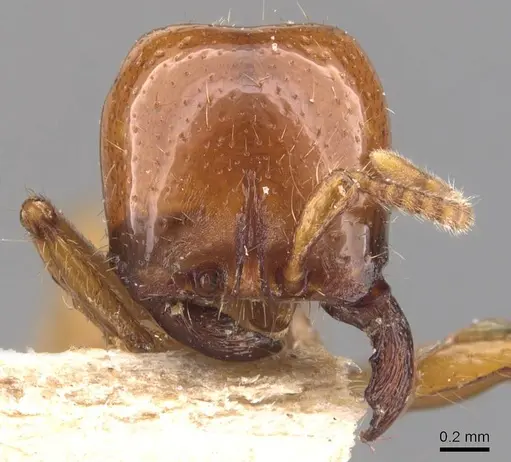
CASENT0905951
View on AntWeb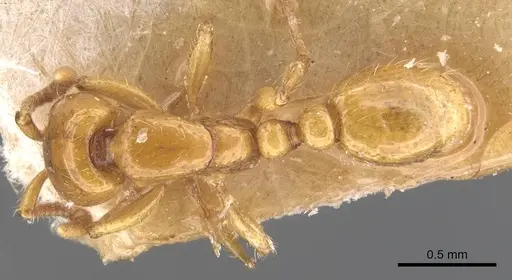
UFV-LABECOL-003508
View on AntWeb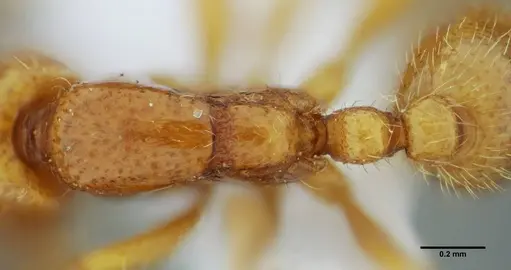
Literature
Loading...Loading products...