Myrmicaria baumi - "Hunchback Ant"
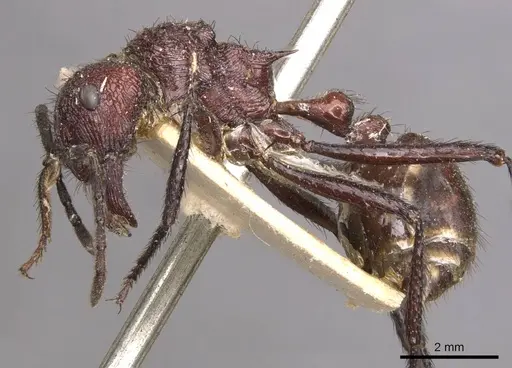
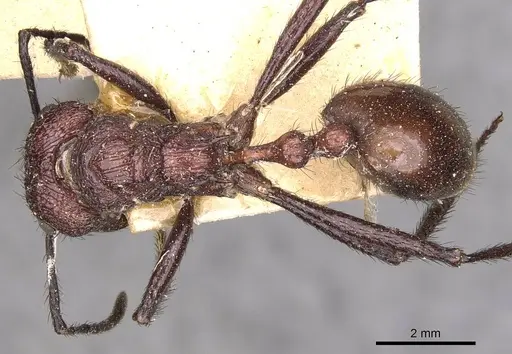
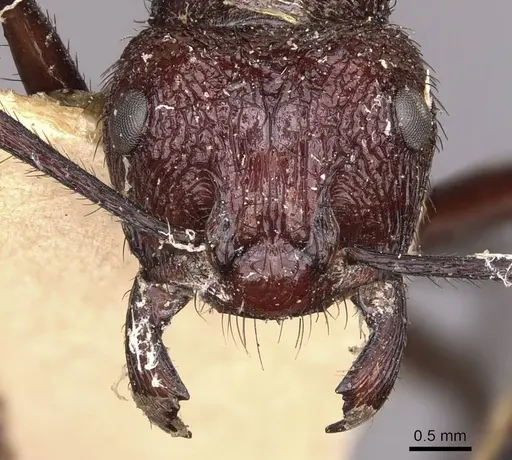
Myrmicaria baumi is an ant species native to the Afrotropical region, known for its distinctive appearance. These ants have a reddish-brown head and thorax, with a contrasting black gaster that is often held in a raised, almost threatening posture. Their unique body shape includes a down-curved abdomen and noticeable spines on their thorax. Workers exhibit some size variation within a colony, ranging from 7.3-9.5 mm, with the queen being notably larger. They are active and predatory ants, known for their organized group behavior and effective recruitment when foraging. While they don't sting in the traditional sense, they can spray formic acid as a defense mechanism, which is effective against other insects.
- Difficulty: Medium
- Origin & Habitat: Afrotropical Region (Angola, Botswana, Ivory Coast, Namibia, Sierra Leone, Benin) in Open habitats, dense forests, often nesting in the soil and building visible mounds..
- Colony Type: Polygyne (multiple queens) and Polydomous (multiple nests), claustral (queen seals herself in) founding.
- Size & Growth:
- Queen: 12-14mm
- Worker: 7-9mm
- Colony: Large (tens of thousands), with some colonies reaching over 100,000 individuals across multiple nests.. Medium to Fast; initially slow but accelerates significantly once established. growth.
- Antkeeping:
- Temperature: Maintain a temperature gradient, with a preferred range of 22-26°C. While they can tolerate 21-28°C, they thrive best around 22-24°C..
- Humidity: Provide a humidity gradient, with the nest area between 60-85%. It's important to have both drier and more humid sections within the setup..
- Diapause: Required. 3-4 months at 16-20°C.
- Nesting: They prefer nests dug into soil. For artificial setups, solid plaster or reinforced aerated concrete nests are recommended as they are diggers and can chew through weaker materials..
- Behavior: Medium (towards handler, food or other ants) aggressiveness.
- Common Issues: Queen stress during founding, Chewing through inadequate nest materials, Humidity fluctuations, Colony stalling if not fed enough protein during growth phases.
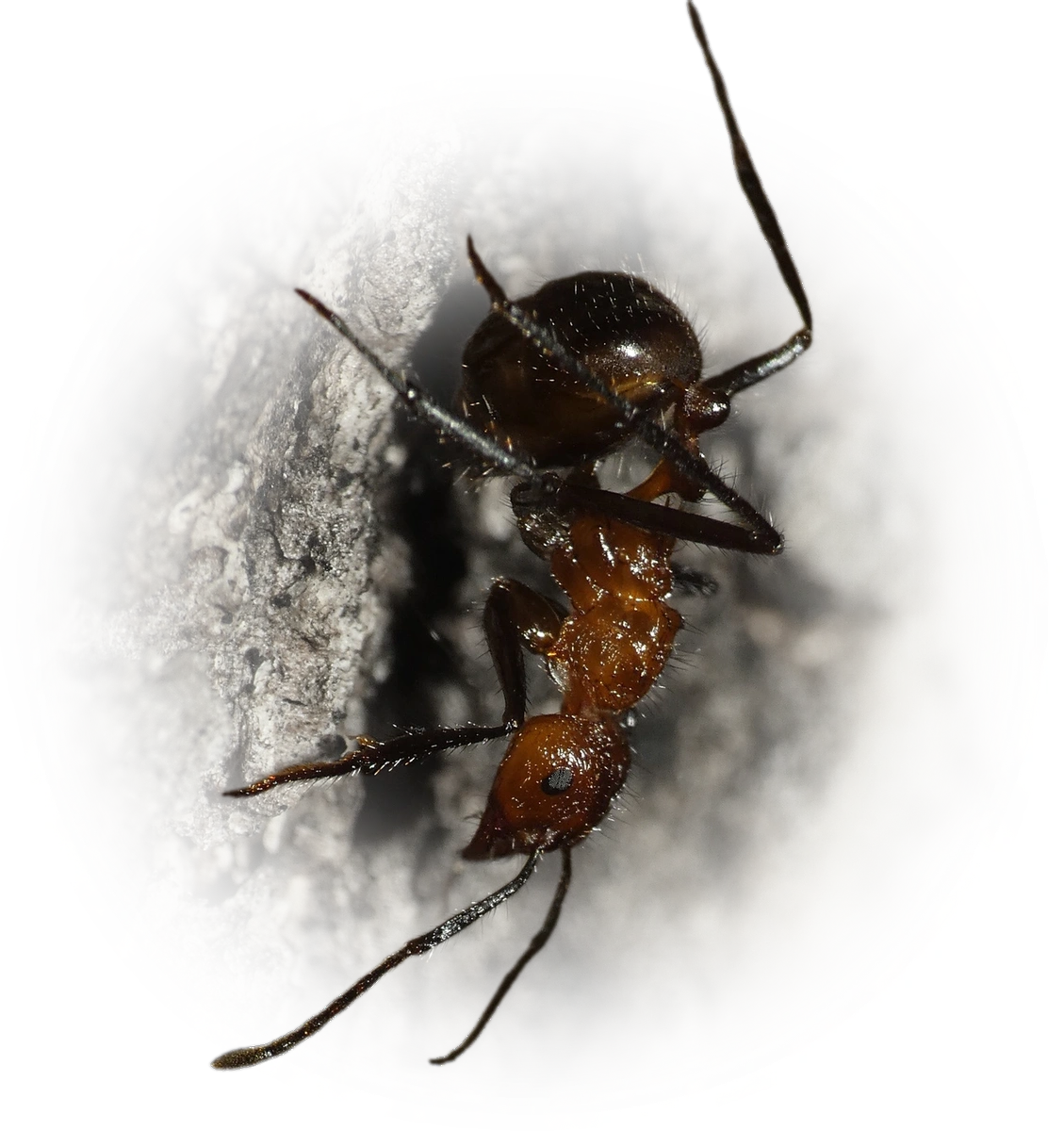
Myrmicaria baumi colonies are fascinating to observe due to their distinctive posture, where they often hold their gaster raised. This isn't just for show; it's a defensive stance that allows them to spray formic acid at perceived threats. While harmless to humans, this chemical defense is quite effective against other insects and can be a spectacular sight to witness. Keeping them in a setup where this behavior can be safely observed, perhaps with a clear outworld, will provide endless hours of engaging antkeeping.
These ants are known for their active foraging and impressive recruitment. When they discover a food source, it's not just a few foragers; they quickly mobilize a full assault team. Providing a spacious outworld with varied terrain will encourage their natural foraging behaviors and allow keepers to appreciate their strategic group hunting. Offering both live and pre-killed insects can showcase their predatory instincts and efficient prey dismantling.
Myrmicaria baumi are polydomous, meaning they establish multiple interconnected nests in the wild. As your colony grows, plan for expansions that allow them to spread out across several linked nesting areas. This mimics their natural colony structure and can help prevent stress or overcrowding. Using sturdy nest materials like reinforced concrete or plaster is crucial, as their digging habits can compromise less durable setups.
While Myrmicaria baumi queens are claustral founders, meaning they seal themselves off to raise their first brood, this initial phase is highly sensitive. It's paramount to keep founding queens isolated, in darkness, and free from vibrations. Any undue stress during this period can lead to the queen abandoning or even consuming her brood. Patience is key; avoid disturbing the founding setup until the first workers have emerged and the colony begins to thrive.
Frequently Asked Questions
What is the most striking feature of Myrmicaria baumi?
The most striking feature of Myrmicaria baumi is their unique posture, often holding their gaster (abdomen) raised. This isn't just for looks; it's a defense mechanism that allows them to spray formic acid at potential threats.
Are Myrmicaria baumi good for beginner antkeepers?
Starting a Myrmicaria baumi colony from a single queen can be quite challenging due to the sensitive founding phase. However, once a colony has established and reached around 15-20 workers, they can be a manageable and rewarding species for careful beginners looking to try exotic ants, especially if they are prepared for the necessary expansions.
What kind of nest is best for Myrmicaria baumi?
Myrmicaria baumi are natural diggers, so in captivity, they thrive in nests made of solid plaster or reinforced aerated concrete. They are known to chew through softer materials, so choosing durable formicarium materials is crucial to prevent escapes.
What do Myrmicaria baumi eat?
Myrmicaria baumi are omnivorous. Their diet should consist of sugary liquids like honey water or homemade jellies for carbohydrates, and a variety of live or dead insects (like mealworms and crickets) for protein. They also appreciate bits of raw meat occasionally.
Do Myrmicaria baumi need to hibernate?
As a tropical species, Myrmicaria baumi do not require a true diapause (hibernation). However, their activity rhythm can slow down based on environmental conditions. Providing a cooler period, around 16-20°C, between December and March can be beneficial, though they will remain active and still require feeding.
How fast do Myrmicaria baumi colonies grow?
Myrmicaria baumi colonies generally have a medium to fast growth rate. The initial founding phase can be slow and requires patience, but once the colony is established and workers are present, reproduction and growth can accelerate significantly.
Are Myrmicaria baumi aggressive?
Yes, Myrmicaria baumi are considered an aggressive and territorial species, especially when defending their food sources or territory. They exhibit fierce fighting behavior and effective recruitment during conflicts.
Can Myrmicaria baumi queens live together?
Yes, Myrmicaria baumi are a polygyne species, meaning multiple queens can co-exist peacefully within the same colony. This allows for potentially very large and active colonies.
How big can a Myrmicaria baumi colony get?
These ants can form impressive colonies, reaching populations of tens of thousands of workers. Some observations of related Myrmicaria species show colonies exceeding 100,000 individuals, especially when they are polydomous (spread across multiple nests).
What temperatures are ideal for Myrmicaria baumi?
Myrmicaria baumi thrive in temperatures between 22-26°C. While they can tolerate a broader range of 21-28°C, maintaining a stable environment within their preferred range will optimize their health and growth.
Do Myrmicaria baumi sting?
Myrmicaria baumi do not possess a traditional sting. Instead, they defend themselves by spraying formic acid from their gaster.
What are common issues when keeping Myrmicaria baumi?
Common issues can include queen stress during the sensitive founding phase, workers chewing through inadequate nest materials, fluctuations in humidity within the setup, and colony stalling if they don't receive enough protein, especially during periods of rapid growth.