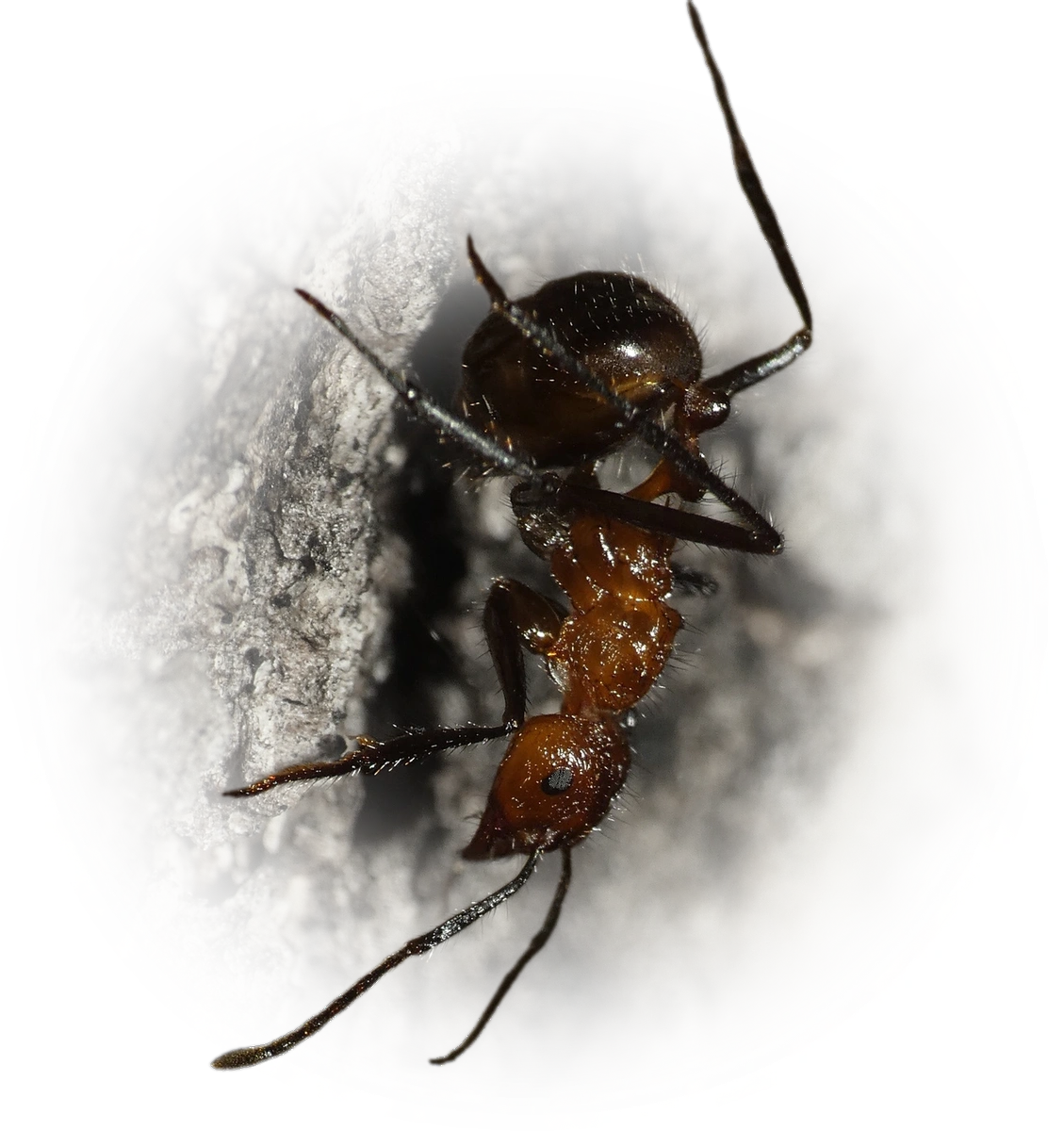

Myrmicaria natalensis
- Scientific Name
- Myrmicaria natalensis
- Tribe
- Solenopsidini
- Subfamily
- Myrmicinae
- Author
- Smith, 1858
- Common Name
- Natal droptail ant
- Distribution
- Found in 11 countries
Myrmicaria natalensis Overview
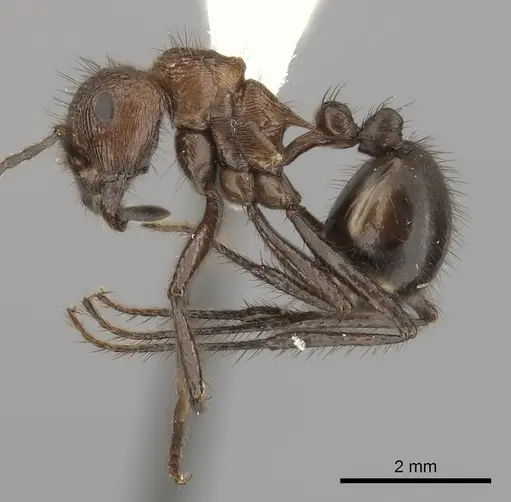
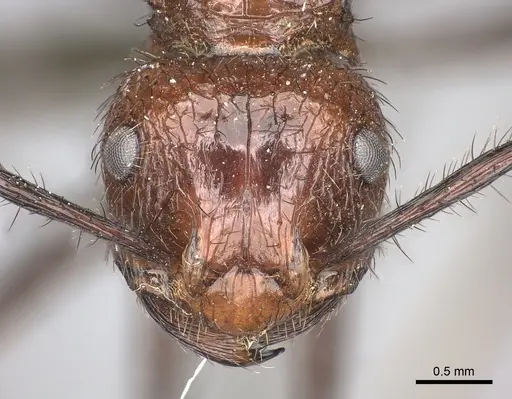
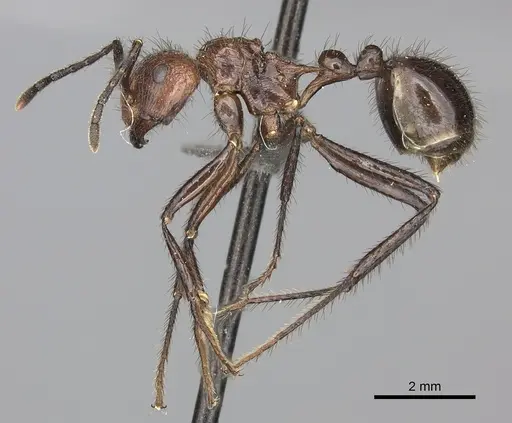
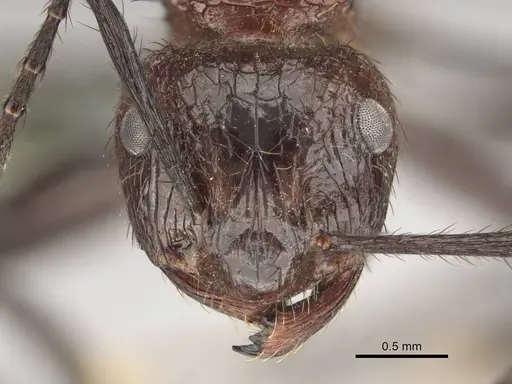
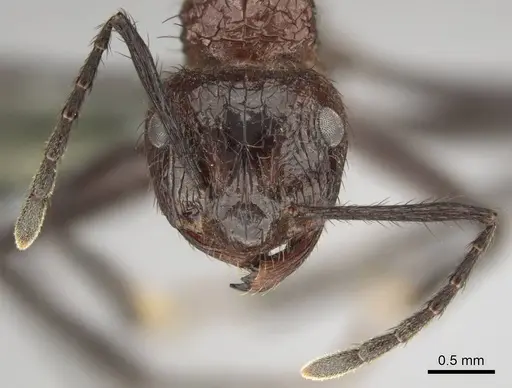
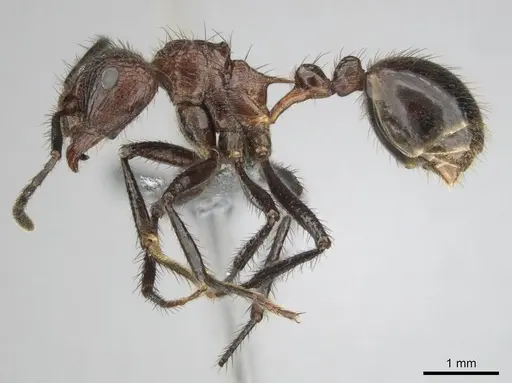
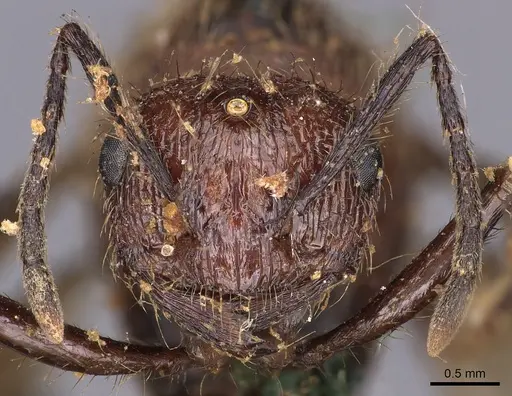
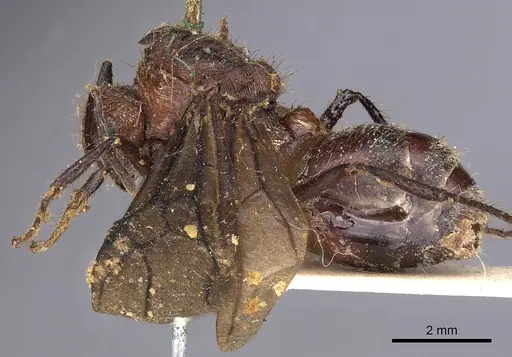
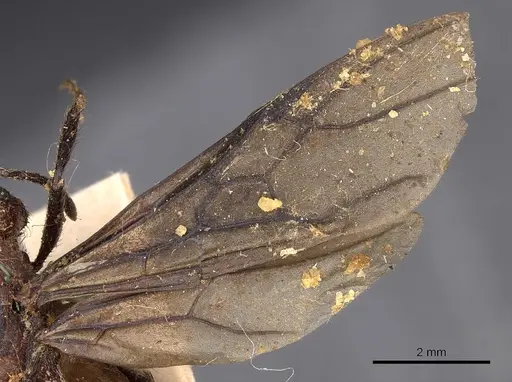
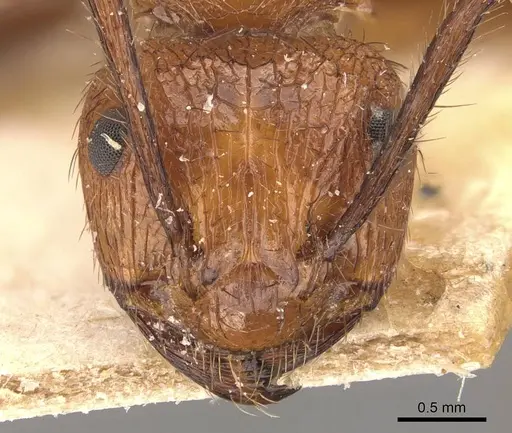
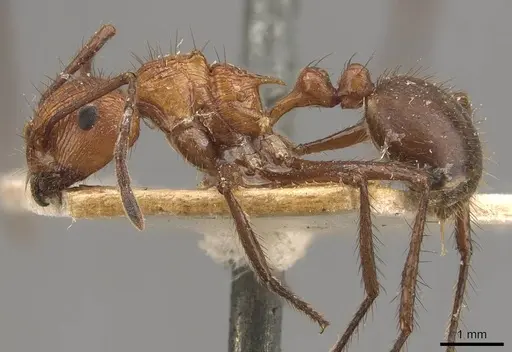
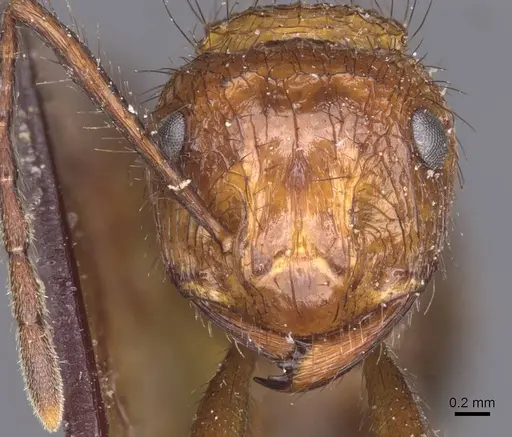
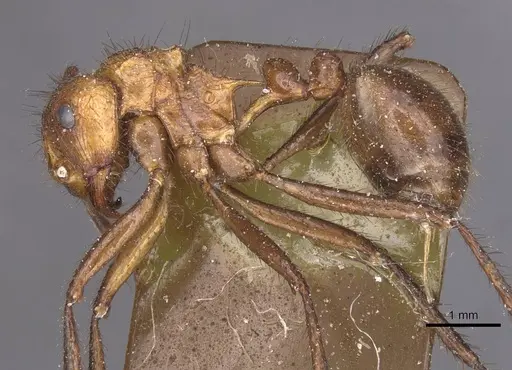
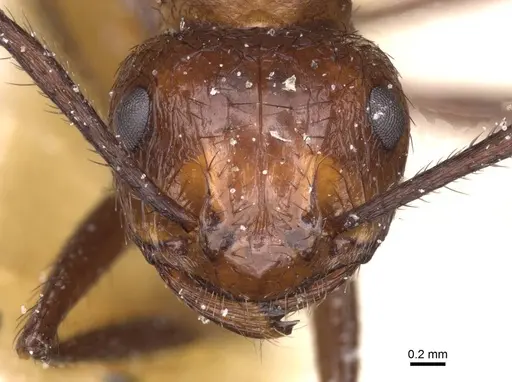
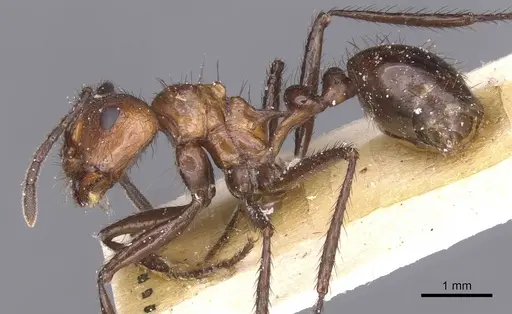
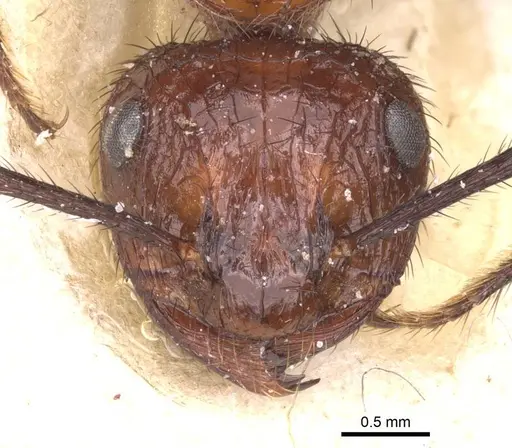
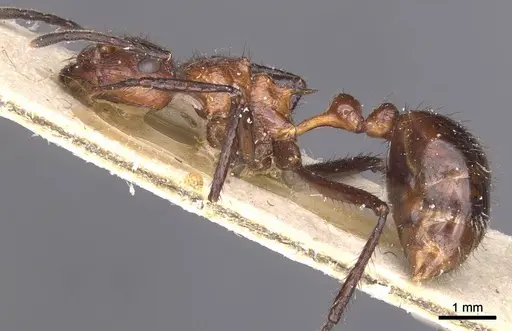
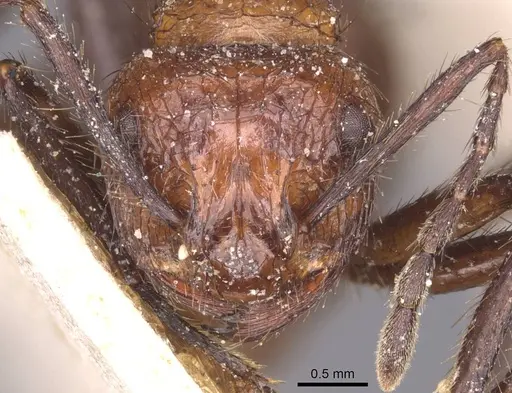
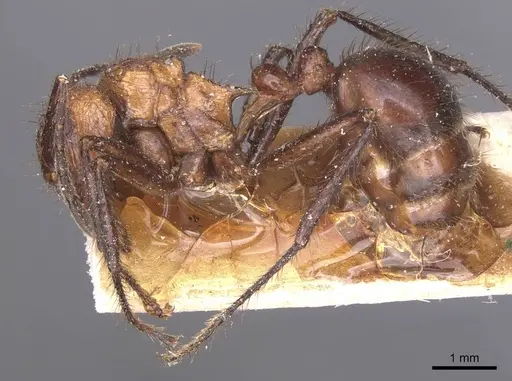
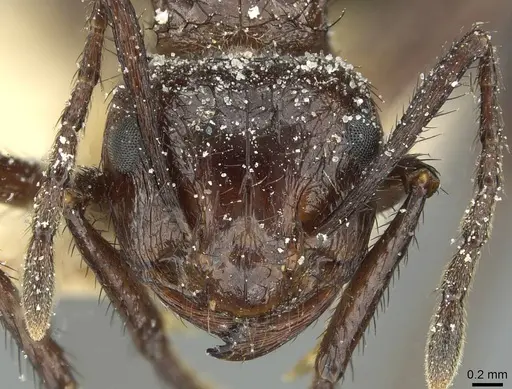
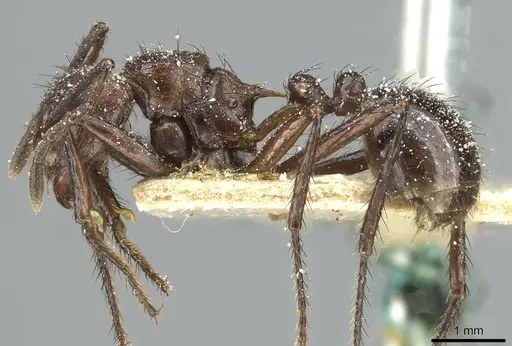
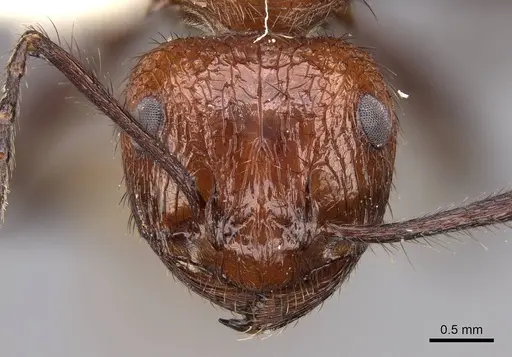
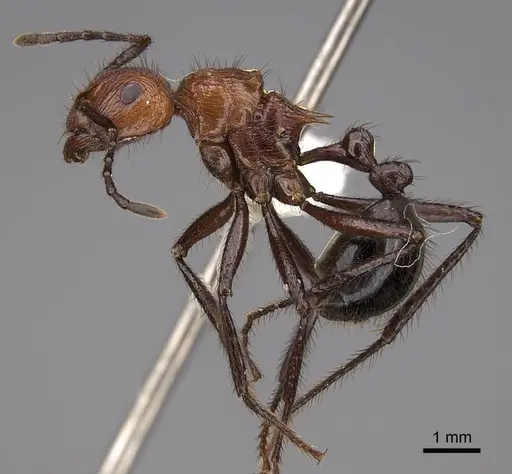
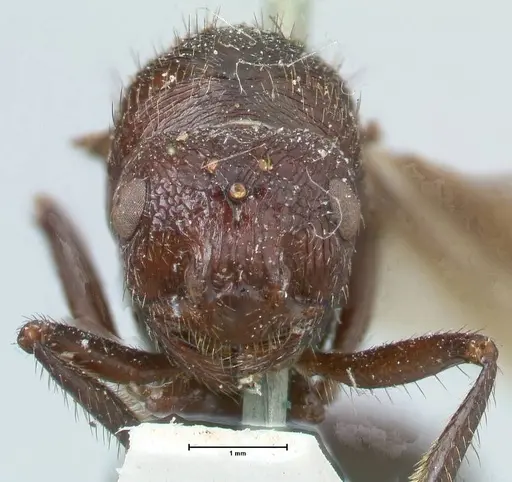
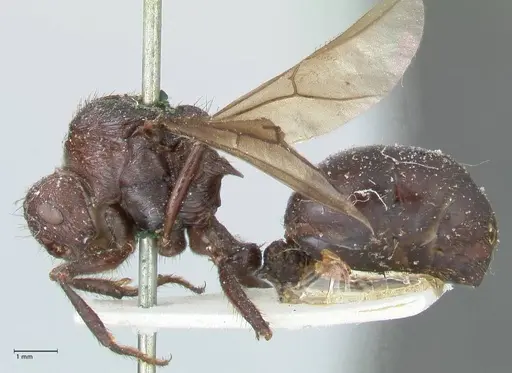
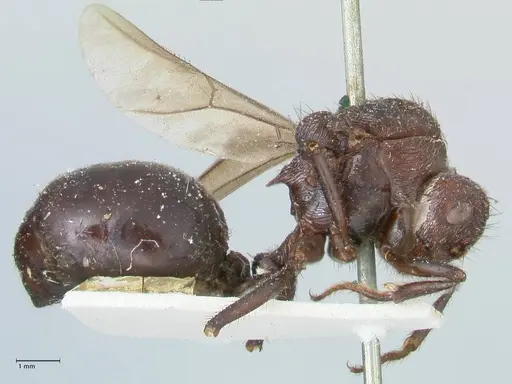
Myrmicaria natalensis (commonly known as the Natal droptail ant) is an ant species of the genus Myrmicaria. It is primarily documented in 11 countries , including Angola, Botswana, Gabon. Detailed taxonomic data and occurrence records can be further explored via authoritative databases such as AntWeb or the Global Biodiversity Information Facility (GBIF).
Myrmicaria natalensis - "Natal droptail ant"
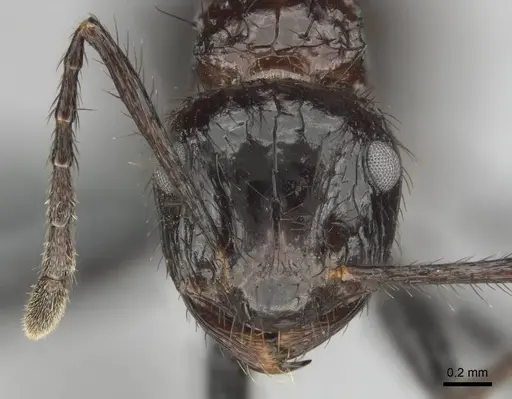
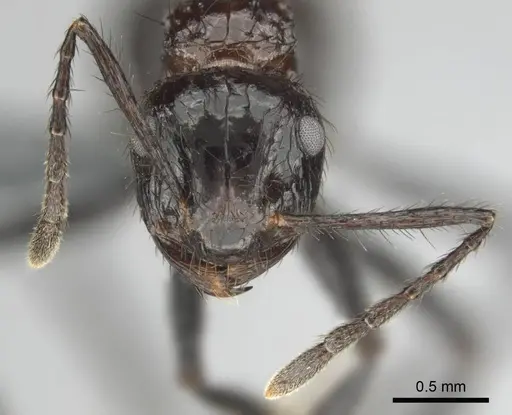
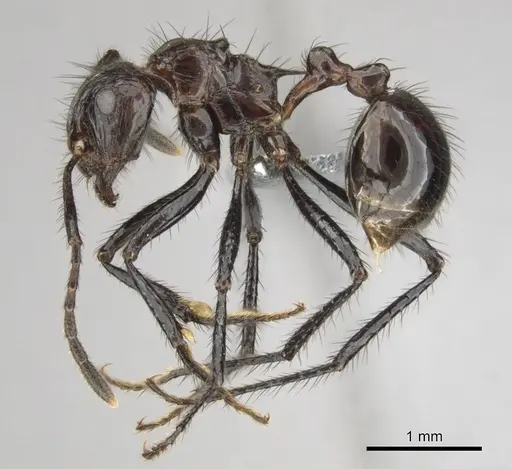
Myrmicaria natalensis is a medium-sized ant species native to the Afrotropical region, found across central to southern Africa including South Africa, Namibia, Uganda, and the Democratic Republic of Congo [1]. Workers are moderate-sized ants known for their distinctive appearance and active foraging behavior. The species is classified as a dominant ant in southern African savannah ecosystems, occurring in various habitats from woodland to shrubland [2]. The venom gland contains (+)-limonene, which serves as both a solvent for alkaloidal venom components and a long-range recruiting pheromone [3]. This species is known to tend leafhoppers like Xerophytavorus rastrullus, demonstrating mutualistic relationships with sap-feeding insects [4].
Quick Summary
- Difficulty: Medium
- Origin & Habitat: Afrotropical region, found across central to southern Africa including South Africa, Namibia, Uganda, Democratic Republic of Congo, Eswatini, Guinea, and Ivory Coast. Inhabits savannah environments including woodland, thicket, shrubland, and rocky outcrop areas [1][5][6].
- Colony Type: Colony structure is not well-documented in scientific literature. Based on typical Myrmicaria patterns, likely forms single-queen colonies (monogyne) with moderate colony sizes.
- Colony: Monogyne
- Founding: Claustral
- Size & Growth:
- Queen: Estimated 8-10mm based on genus Myrmicaria morphology, direct measurements not available
- Worker: Estimated 4-6mm based on genus patterns and leafhopper-tending observations [4]
- Colony: Unknown from direct studies, likely several hundred workers based on dominant ant classification [2]
- Growth: Moderate, inferred from typical Myrmicinae development patterns
- Development: Estimated 6-10 weeks based on typical Myrmicinae development at optimal temperatures (Direct development data unavailable, estimate based on genus-level patterns for medium-sized Myrmicinae)
- Antkeeping:
- Temperature: Keep at 22-26°C. This species inhabits warm savannah regions, so moderate warmth is beneficial. A heating cable on one side of the nest creates a suitable gradient.
- Humidity: Moderate humidity preferred, savannah species that encounters both dry and wet seasons. Keep nest substrate lightly moist, allowing some drying between waterings.
- Diapause: Likely a minor winter slowdown given the subtropical to tropical range, but full hibernation may not be required. Consider a cool period (15-18°C) for 2-3 months in winter if colony shows reduced activity.
- Nesting: Natural nesting occurs in soil, often under stones or in rotting wood in savannah environments. In captivity, a Y-tong (AAC) nest or plaster nest works well. Provide a moisture reservoir to maintain moderate humidity.
- Behavior: Workers are active foragers that tend leafhoppers and collect honeydew from sap-feeding insects [4]. They are classified as dominant ants in their native range, indicating competitive and aggressive behavior toward other ant species [2]. Workers show moderate aggression when disturbed. Escape prevention should be moderate, their medium size makes standard barriers adequate. The venom contains (+)-limonene, which functions as an alarm/recruiting pheromone, suggesting they may release chemical signals when threatened [3].
- Common Issues: colonies may fail if kept too cold, maintain warm temperatures year-round, limited captive breeding data means growth expectations are estimates, dominant ant behavior may cause aggression toward other ant colonies if housed nearby, wild-caught colonies may have parasites that affect captive survival, humidity control is important, too wet or too dry can cause colony decline
Natural History and Distribution
Myrmicaria natalensis, commonly known as the Natal droptail ant, is widely distributed across the Afrotropical region. The species has been recorded in multiple African countries including South Africa, Namibia, Uganda, the Democratic Republic of Congo, Eswatini, Guinea, and Ivory Coast [1]. In southern Africa, particularly South Africa, they are found in various vegetation types including woodland, thicket, shrubland, and forest edges, with highest abundance in woodland areas (1375 individuals recorded in one study) and moderate numbers in thicket and shrubland [6]. They are classified as a dominant ant species in savannah ecosystems, particularly in the Mopane, Satara, and Pretoriuskop regions where they show high occurrence rates (11-19% sampling frequency) and can monopolize food resources (up to 64% in some areas) [2]. The species prefers lower elevations, showing decreasing abundance above 1200m elevation [7].
Feeding and Diet
Myrmicaria natalensis is an omnivorous species with a diet similar to other Myrmicinae ants. Workers actively forage and are known to tend sap-feeding insects, particularly leafhoppers like Xerophytavorus rastrullus, collecting honeydew as a sugar source [4]. In captivity, offer a varied diet including sugar water or honey, protein sources such as mealworms or crickets, and occasional fruit. The species is also predatory on small insects. Based on their dominant ant classification and foraging behavior, they are likely aggressive foragers that will exploit multiple food sources. Feed protein 2-3 times per week and maintain a constant sugar source. Remove uneaten prey after 24-48 hours to prevent mold.
Temperature and Heating
As a species from the warm savannah regions of southern Africa, Myrmicaria natalensis benefits from moderate heating. Keep the nest area at 22-26°C, which mimics their natural conditions in subtropical to tropical Africa. A heating cable placed on one side of the nest creates a temperature gradient allowing workers to self-regulate. Avoid temperatures below 18°C for extended periods, as this species is not adapted to cold conditions. During winter, if the colony shows reduced activity, a brief cool period at 15-18°C for 2-3 months may be beneficial, but full hibernation is not required given their warm native range.
Nesting and Habitat
In the wild, Myrmicaria natalensis nests in soil, often under stones or in rotting wood in savannah environments [5]. They are ground-nesting ants that create colonies in protected locations. For captive care, a Y-tong (AAC) nest or plaster formicarium works well. Provide a moisture reservoir to maintain moderate humidity in the nest chamber. The substrate should be kept lightly moist but not waterlogged. These ants do well with moderate ventilation, avoid both stagnant air (causes mold) and excessive airflow (causes drying). A small outworld for foraging allows workers to hunt and collect food.
Defense and Venom
Myrmicaria natalensis has functional venom glands that contain (+)-limonene as a major component. This compound serves dual purposes: as a solvent and spreading agent for alkaloidal venom components, and as a long-range recruiting pheromone to alert and gather nestmates [3]. This means disturbed or threatened colonies can rapidly mobilize workers using chemical signals. While their venom is not considered dangerous to humans, the chemical alarm system means they respond quickly to threats. Handle gently and use standard escape prevention. The recruiting pheromone also aids in food discovery, workers can quickly recruit others to large food finds.
Behavior and Colony Dynamics
This species is classified as dominant in its native ecosystem, meaning it competes aggressively with other ant species and can monopolize food resources [2]. Workers are active foragers and show moderate aggression when disturbed, they are not docile but also not excessively aggressive toward keepers. The species forms moderate-sized colonies likely reaching several hundred workers. Queens are presumably claustral, sealing themselves in to raise the first brood alone. Workers exhibit typical Myrmicinae behavior including foraging, tending sap-feeding insects for honeydew, and defending the nest. The presence of the limonene-based recruiting pheromone means they efficiently coordinate group responses to threats or food discoveries.
Frequently Asked Questions
How long does it take for Myrmicaria natalensis to produce first workers?
Direct development data is not available for this species. Based on typical Myrmicinae patterns, expect first workers (nanitics) approximately 6-10 weeks after the queen lays eggs, assuming optimal temperatures around 24-26°C. Growth rate is moderate.
What do Myrmicaria natalensis ants eat?
They are omnivorous. Offer sugar water or honey as a constant energy source, and protein sources like mealworms, small crickets, or other insects 2-3 times per week. They also tend leafhoppers in the wild for honeydew, so they will readily accept sweet liquids.
What temperature do Myrmicaria natalensis need?
Keep them warm at 22-26°C. This species comes from warm savannah regions and benefits from moderate heating. A heating cable on one side of the nest creates a suitable gradient.
Are Myrmicaria natalensis good for beginners?
They are rated as medium difficulty. They are more active and may be more aggressive than beginner species, but they are not particularly difficult to keep. The main challenges are providing appropriate warmth and managing their dominant, active foraging behavior.
How big do Myrmicaria natalensis colonies get?
Colony size is not well-documented, but based on their classification as dominant ants, colonies likely reach several hundred workers. They are not supercolonial.
Do Myrmicaria natalensis need hibernation?
Full hibernation is likely not required given their warm African range. However, a brief cool period (15-18°C) for 2-3 months during winter may be beneficial if the colony shows reduced natural activity. Monitor your colony, if they remain active year-round, no cool period is necessary.
What type of nest should I use for Myrmicaria natalensis?
A Y-tong (AAC) nest or plaster formicarium works well. They are ground-nesting ants that prefer moderate humidity. Provide a moisture reservoir and keep the nest substrate lightly moist.
Can I keep multiple queens together?
Colony structure is not well-documented, but based on typical Myrmicaria patterns, they likely form single-queen colonies. Combining unrelated queens is not recommended as it has not been studied and may result in aggression.
Why are my Myrmicaria natalensis dying?
Common causes include: temperatures too cold (below 18°C), improper humidity (too wet or too dry), mold from excess moisture or uneaten food, or stress from wild-caught colonies possibly carrying parasites. Ensure proper temperature, moderate humidity, and clean feeding practices.
References

This caresheet is licensed under CC BY-SA 4.0 .
CASENT0066795
View on AntWeb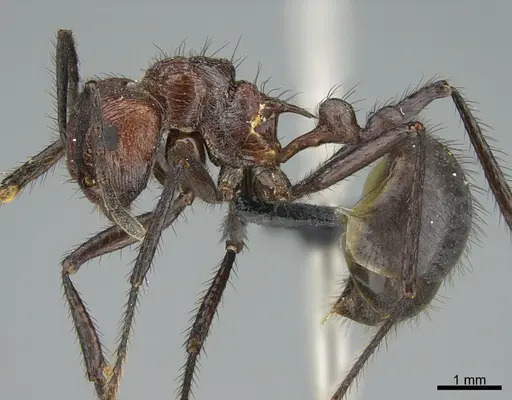
CASENT0217894
View on AntWeb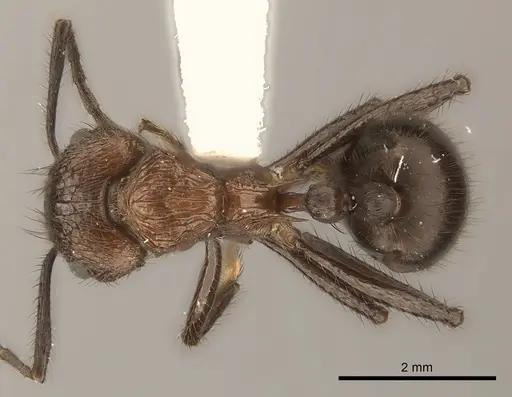
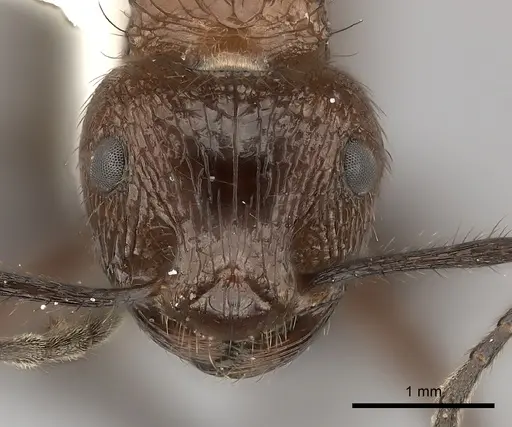
CASENT0235940
View on AntWeb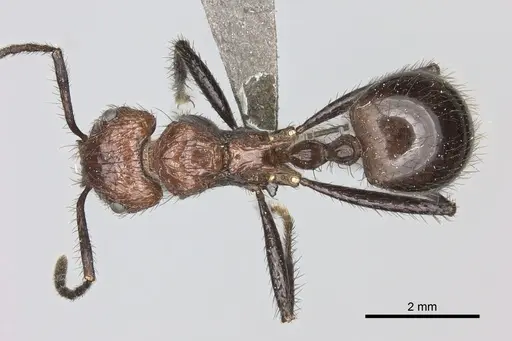
CASENT0252747
View on AntWeb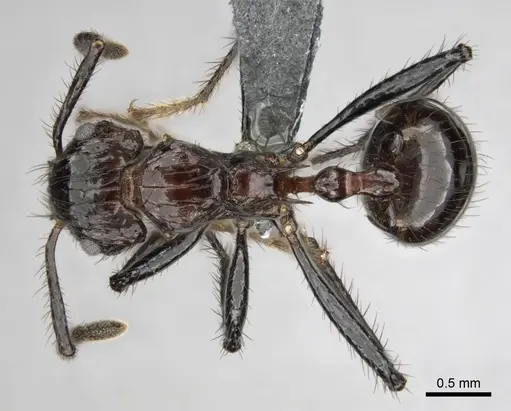
CASENT0258392
View on AntWeb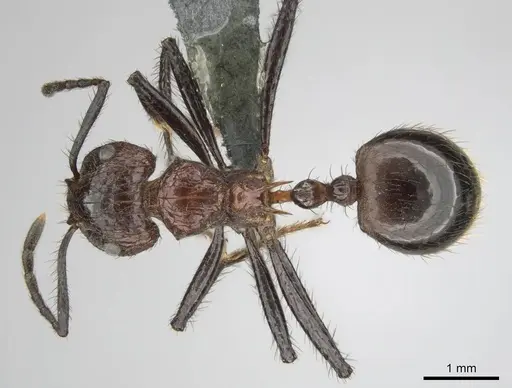
CASENT0900501
View on AntWeb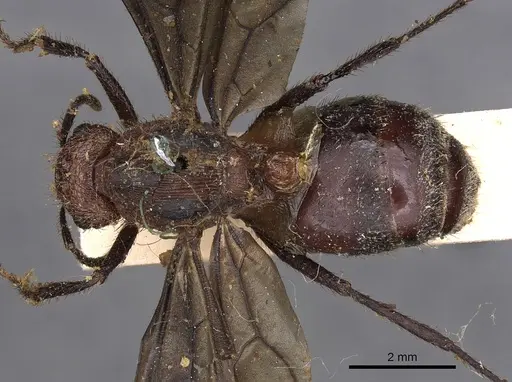
CASENT0908333
View on AntWeb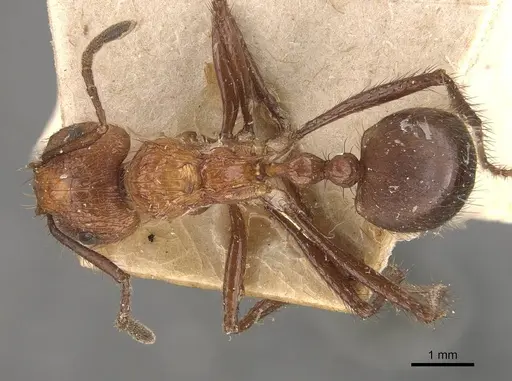
CASENT0913045
View on AntWeb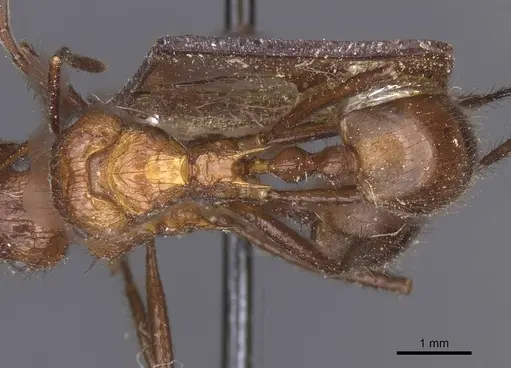
CASENT0913046
View on AntWeb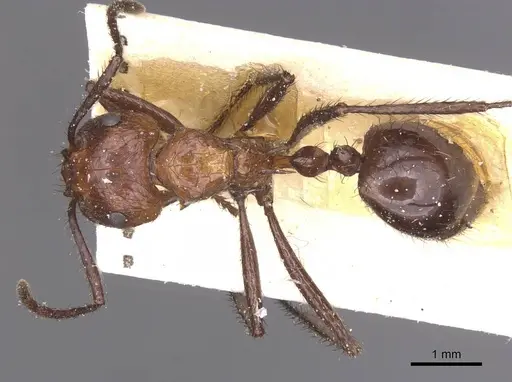
CASENT0913047
View on AntWeb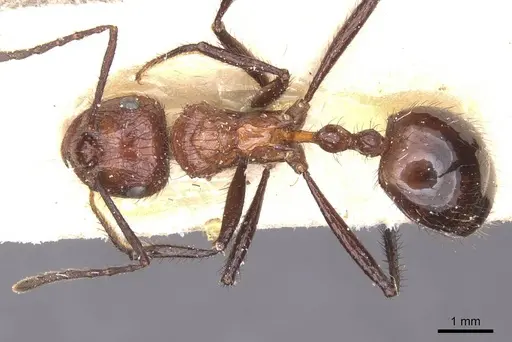
CASENT0913048
View on AntWeb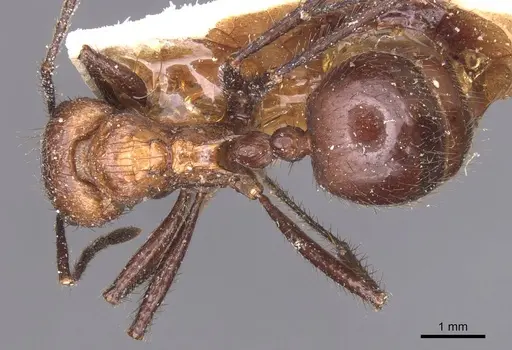
CASENT0913049
View on AntWeb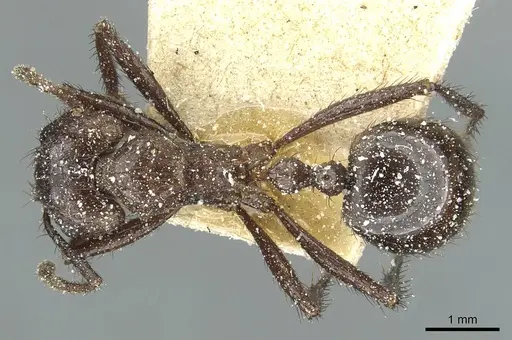
CASENT0923007
View on AntWeb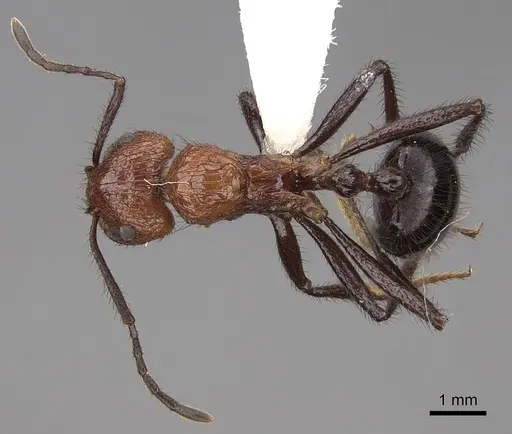
FOCOL1578
View on AntWeb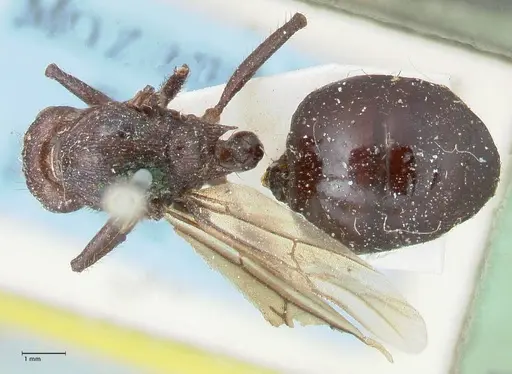
Literature
Loading...Loading products...