

Myrmica vandeli
- Scientific Name
- Myrmica vandeli
- Tribe
- Myrmicini
- Subfamily
- Myrmicinae
- Author
- Bondroit, 1920
- Distribution
- Found in 9 countries
Myrmica vandeli Overview
Myrmica vandeli is an ant species of the genus Myrmica. It is primarily documented in 9 countries , including Switzerland, Czechia, Germany. Detailed taxonomic data and occurrence records can be further explored via authoritative databases such as AntWeb or the Global Biodiversity Information Facility (GBIF).
Myrmica vandeli
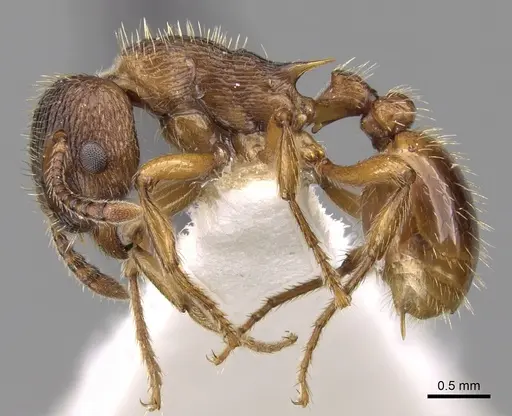
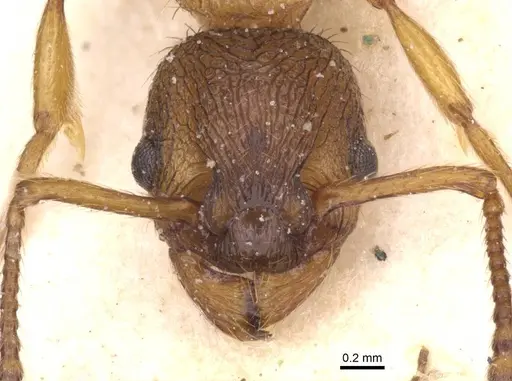
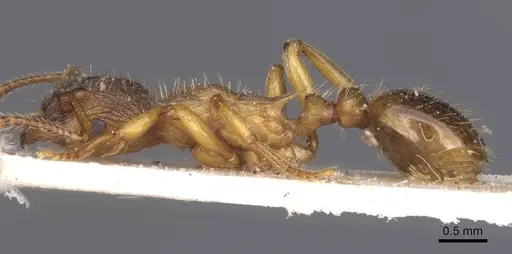
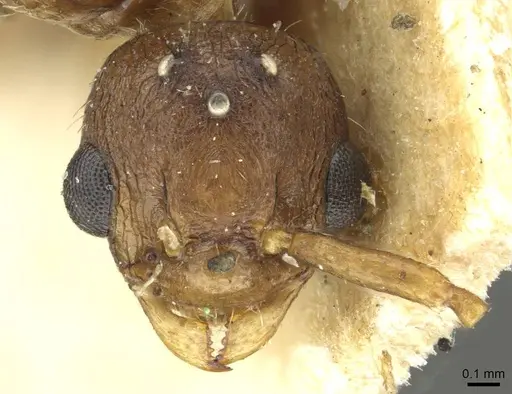
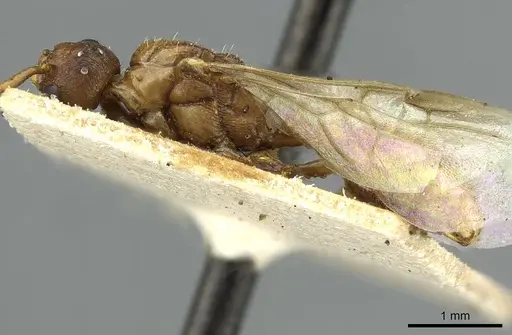
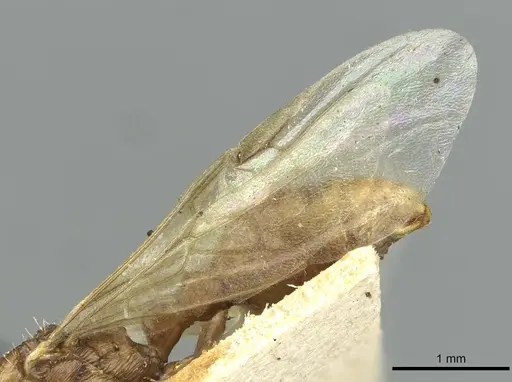
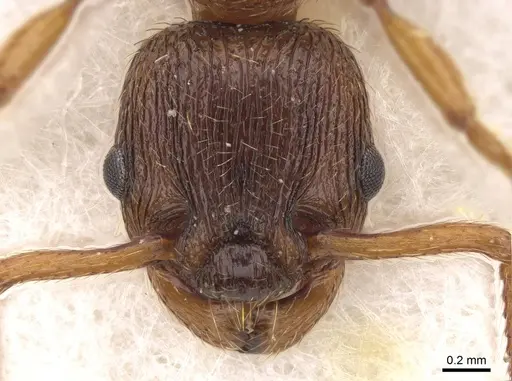
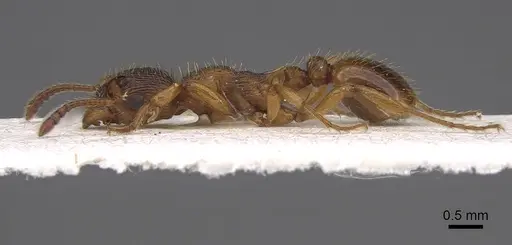
Myrmica vandeli is a small Myrmica ant species belonging to the sabuleti complex, closely related to the common Myrmica scabrinodis. Workers measure 4.4-4.68mm and are yellowish to reddish-yellow with brown-yellow head and gaster. They closely resemble M. scabrinodis but can be distinguished by having more abundant standing hairs on the body, typically over 10,often more than 20 on the petiole compared to the usual 8 in M. scabrinodis. Queens reach approximately 6mm and possess morphological traits typical of socially parasitic Myrmica species, including reduced tibial spurs and abundant standing pubescence. This species inhabits wet meadows, marshes, and bogs across much of Europe, nesting almost exclusively in moss pads, grass tussocks, and sedge clumps [1][2].
What makes M. vandeli particularly interesting is its flexible social structure. It can establish colonies independently in optimal habitats but appears to use facultative temporary social parasitism on M. scabrinodis when colonizing new or less suitable areas, especially at the edges of its range. Mixed colonies containing workers of both species have been documented, though only M. vandeli produces winged sexuals in these mixed nests. This species also serves as a host for the endangered Maculinea alcon butterfly, making it ecologically important beyond just antkeeping circles [3][2].
Quick Summary
- Difficulty: Medium
- Origin & Habitat: Native to the Palaearctic region including Austria, Bulgaria, Czechia, France, Germany, Hungary, Poland, Romania, Slovakia, Slovenia, Spain, Switzerland, Ukraine, and the United Kingdom. Inhabits wet meadows, marshes, and bogs, always in moist but warm, sunny locations. Nests are built in moss pads, tussocks of grass and sedge, and occasionally under stones [2][4].
- Colony Type: Facultatively polygynous, can form single-queen or multi-queen colonies. Polygynous colonies may contain up to 1500 workers. Shows flexible colony founding: in optimal conditions, queens establish independently or through colony fission, in marginal habitats, queens may temporarily parasitize M. scabrinodis colonies. Mixed colonies with M. scabrinodis workers occur, particularly at range edges [5][2][6].
- Colony: Optionally polygyne
- Queen: Temporary parasitic
- Size & Growth:
- Queen: Approximately 6mm [1]
- Worker: 4.4-4.68mm [1]
- Colony: Up to 1500 workers in polygynous colonies [5]
- Growth: Moderate
- Development: 6-10 weeks (inferred from typical Myrmica development) (Development time is estimated based on genus-level data for Myrmica species. Specific development data for M. vandeli is not available in the literature.)
- Antkeeping:
- Temperature: Keep at 20-24°C. This species prefers warm but humid conditions, think damp meadow on a sunny day. A gentle heat gradient allows workers to regulate their temperature [2].
- Humidity: High humidity is essential. Keep nest substrate consistently moist but not waterlogged. These ants naturally live in marshes and bogs, so they need damp conditions. Provide a water tube in the outworld and ensure the nest material stays moist [2][4].
- Diapause: Yes. This temperate species requires a winter rest period. Provide hibernation at 5-10°C for 3-4 months during winter, mimicking natural conditions in their marshland habitat.
- Nesting: Y-tong (AAC) or plaster nests work well given their moisture requirements. Provide narrow chambers scaled to their size. Naturalistic setups with moss and grass tufts can also work. Avoid dry nests, this species will not thrive in arid conditions [2].
- Behavior: Workers are moderately active foragers, typical of Myrmica species. They are not particularly aggressive but will defend the nest. Workers have a functional stinger but rarely sting keepers due to their small size. Escape risk is moderate, use standard Myrmica-level escape prevention. The species is known for building solariums, accumulations of chewed plant material at nest entrances, likely for warming the brood. They coexist with M. scabrinodis in the wild and can form mixed colonies in captivity if queens are introduced together [2][7].
- Common Issues: high humidity requirements mean mold can be a problem if ventilation is poor, ensure adequate airflow while maintaining moisture, facultatively parasitic nature means founding can be tricky, queens may need host workers to establish in some conditions, rare in the hobby and expensive to acquire, wild colonies are protected in many areas, mixed colony formation with M. scabrinodis can occur if both species are present, which may cause unexpected dynamics, slow colony growth compared to more common Myrmica species requires patience
Housing and Nest Setup
Myrmica vandeli requires moist housing conditions that mimic their natural bog and wet meadow habitat. Y-tong (acrylic) nests or plaster nests work best because they hold humidity well. Fill the water reservoir regularly to maintain consistent moisture in the nest chambers. Provide a test tube setup for the founding chamber, then move to a formicarium once the colony reaches 20-30 workers. The outworld should include a water tube for drinking and humidity. Because they nest in moss and grass tussocks in the wild, you can add small pieces of damp moss or grass to the nest to encourage natural behavior. Keep the nest area out of direct sunlight but in a warm spot, around 20-24°C is ideal. Ventilation is important to prevent mold, but avoid creating dry airflow that will desiccate the colony [2][7].
Feeding and Diet
Like other Myrmica species, M. vandeli is omnivorous with a preference for protein. Feed them small insects like fruit flies, small crickets, and mealworms. They also accept sugar sources such as honey water or sugar water, though protein should make up the majority of their diet. In the wild, they forage for small arthropods and tend aphids for honeydew. Feed the colony small prey items 2-3 times per week, removing any uneaten food after 24 hours. Keep a constant supply of sugar water or honey available in the outworld. Because they are a wetland species, ensure fresh water is always accessible [4].
Temperature and Seasonal Care
This species thrives at moderate temperatures of 20-24°C. They naturally inhabit warm but humid sites like wet meadows and marshes, so they need both warmth and moisture. During summer, room temperature is often suitable. In winter, they require a diapause period, keep them at 5-10°C for 3-4 months, typically from late autumn to early spring. Place them in a cool basement, garage, or refrigerator during hibernation. Ensure the nest substrate remains slightly moist during hibernation but not wet. Do not feed during the diapause period. After hibernation, gradually warm the colony back to room temperature over a week or two. This species is sensitive to temperature extremes and dry conditions [2][8].
Colony Dynamics and Mixed Colonies
One of the most fascinating aspects of M. vandeli is its relationship with M. scabrinodis. In the wild, these two species often coexist, and mixed colonies have been documented where both species' workers are present. In these mixed colonies, only M. vandeli produces winged sexuals, the M. scabrinodis workers are essentially integrated into the M. vandeli colony. This suggests M. vandeli may use chemical mimicry to integrate into M. scabrinodis colonies, similar to how some butterfly parasites infiltrate ant colonies. If keeping both species, be aware that they may form mixed colonies. Pure M. vandeli colonies are more common in optimal habitat conditions, while mixed colonies are more frequent at the edges of the species' range [9][2][10].
Ecological Importance
M. vandeli plays an important role in wetland ecosystems as a host for endangered butterfly species. It is a primary host for Maculinea alcon (the Alcon blue butterfly) in parts of Poland and serves as a secondary host for M. teleius. The caterpillars of these butterflies are brood parasites that require ant colony integration for their survival. Studies show that M. alcon caterpillars actually develop better in M. vandeli colonies than in M. scabrinodis colonies, achieving larger sizes. This ecological relationship makes M. vandeli a conservation priority in many European countries. In captivity, you may observe this species' association with these butterflies if you maintain them in a naturalistic setup [3][11][12].
Conservation and Legal Considerations
Myrmica vandeli is considered critically endangered or threatened in several Central European countries including Germany, Austria (Vorarlberg), and Switzerland. It is a stenotopic species with very specific habitat requirements, it only lives in moist to wet, sunny open habitats like marshes, bogs, and wet meadows. The species has very low population densities even in ideal habitat and requires conservation protection in the wild. Before acquiring this species, check local regulations. Many populations are protected, and wild collection may be illegal. If you obtain a colony, never release it outside its native range, this species should never be introduced to areas where it does not naturally occur [13][14][15].
Frequently Asked Questions
How long does it take for Myrmica vandeli to produce first workers?
Based on typical Myrmica development, expect 6-10 weeks from egg to first worker at optimal temperatures around 22°C. Specific development data for M. vandeli is not documented in scientific literature, so this is an estimate based on genus-level patterns.
Can I keep multiple Myrmica vandeli queens together?
Yes, this species is facultatively polygynous and can form multi-queen colonies. However, introducing unrelated queens can be risky, start with a test tube setup and monitor for aggression. If queens fight, separate them immediately.
Do Myrmica vandeli ants sting?
Yes, Myrmica ants have a stinger, but due to their small size (workers are 4.4-4.68mm), they rarely penetrate human skin. Most keepers report only mild irritation if stung. They are not considered dangerous to humans.
What makes Myrmica vandeli different from Myrmica scabrinodis?
M. vandeli has more abundant standing hairs on the body (over 10,often more than 20 on the petiole versus usually 8 in M. scabrinodis). It also has reduced tibial spurs and a more hairy body, traits associated with parasitic Myrmica species. The two species can form mixed colonies.
Do Myrmica vandeli need hibernation?
Yes, as a temperate species, they require a winter diapause. Keep colonies at 5-10°C for 3-4 months during winter. This mimics their natural cycle in marshland habitats and is essential for colony health and reproduction.
Are Myrmica vandeli good for beginners?
This species is rated as medium difficulty. While not the hardest ant to keep, their high humidity requirements and specific habitat needs make them better suited for keepers with some experience. They are also rare in the antkeeping hobby.
Why are my Myrmica vandeli dying?
Common causes include: too dry conditions (they need consistently moist substrate), poor ventilation leading to mold, overheating, or stress from disturbance. Check humidity levels first, they naturally live in marshes and bogs. Also ensure they have protein food available.
What do Myrmica vandeli eat?
They are omnivorous but prefer protein. Feed small insects like fruit flies, small crickets, and mealworms. They also accept sugar water or honey. Keep a constant supply of sugar and fresh water. Remove uneaten prey after 24 hours.
How big do Myrmica vandeli colonies get?
Polygynous colonies can reach up to 1500 workers. Single-queen colonies will be smaller, typically a few hundred workers. Growth is moderate, expect several years to reach maximum colony size.
When do Myrmica vandeli have nuptial flights?
Winged individuals have been found in nests from July to September. Males swarm during this period, typically in late summer. In captivity, you may see alates (reproductives) develop during warm summer months.
Can Myrmica vandeli live with Myrmica scabrinodis?
Yes, these two species can form mixed colonies in both wild and captive settings. M. vandeli may use chemical mimicry to integrate into M. scabrinodis colonies. If keeping both species, be aware they may eventually form mixed colonies with workers of both species.
References

This caresheet is licensed under CC BY-SA 4.0 .
CASENT0280821
View on AntWeb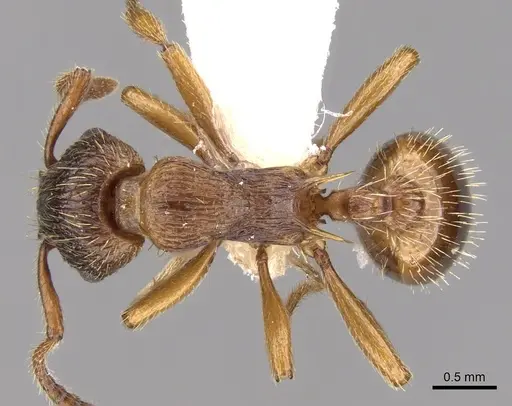
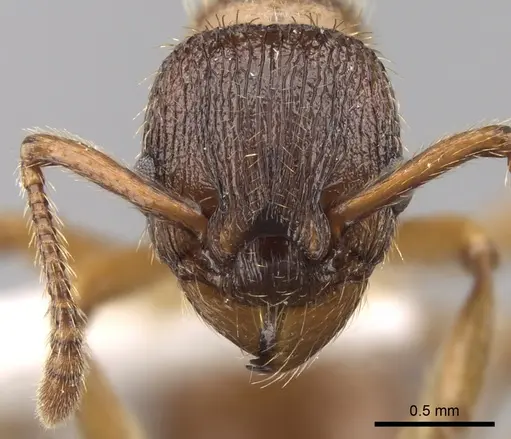
CASENT0913084
View on AntWeb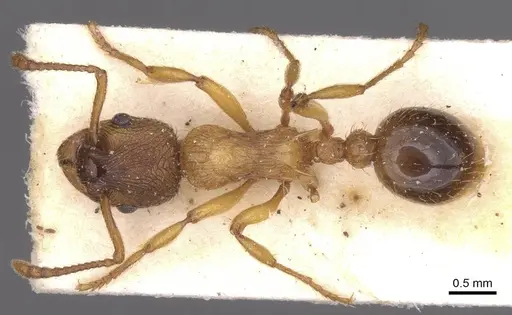
CASENT0913655
View on AntWeb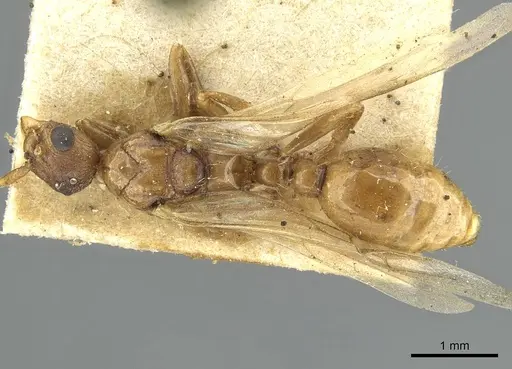
CASENT0922799
View on AntWeb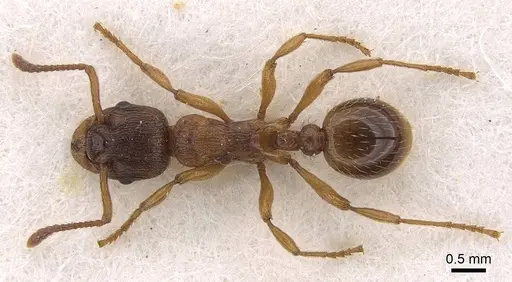
Literature
Loading...Loading products...