

Myrmica striolagaster
- Scientific Name
- Myrmica striolagaster
- Tribe
- Myrmicini
- Subfamily
- Myrmicinae
- Author
- Cole, 1953
- Distribution
- Found in 2 countries
Myrmica striolagaster Overview
Myrmica striolagaster is an ant species of the genus Myrmica. It is primarily documented in 2 countries , including Mexico, United States of America. Detailed taxonomic data and occurrence records can be further explored via authoritative databases such as AntWeb or the Global Biodiversity Information Facility (GBIF).
Myrmica striolagaster
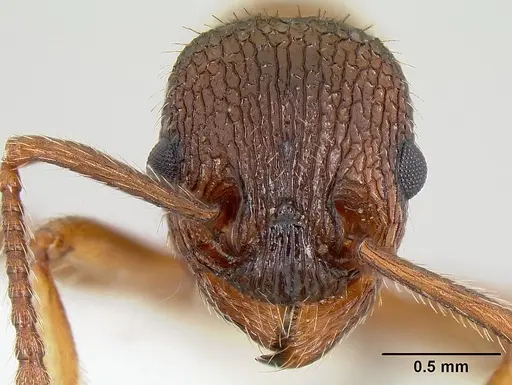
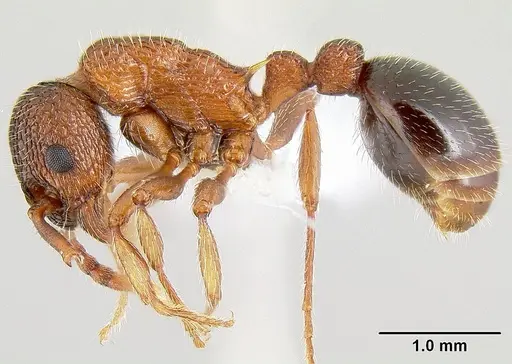
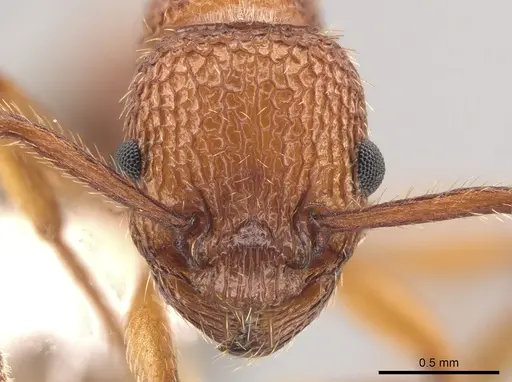
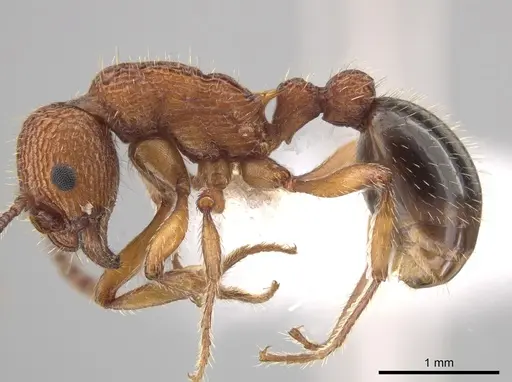
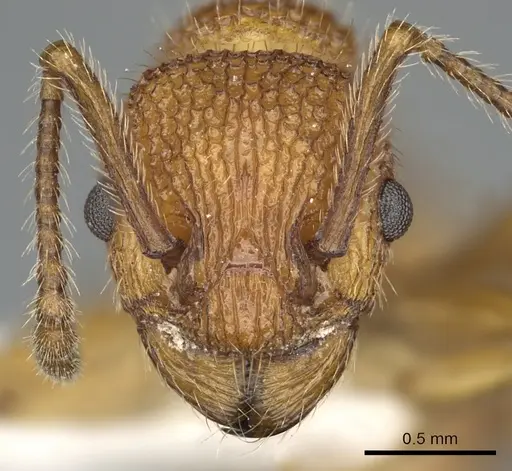
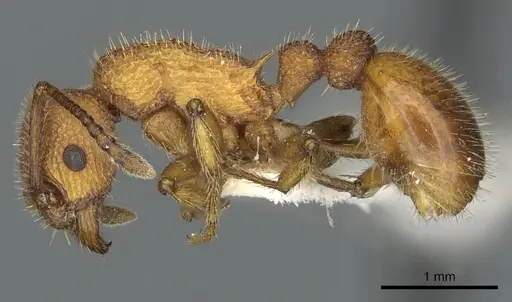
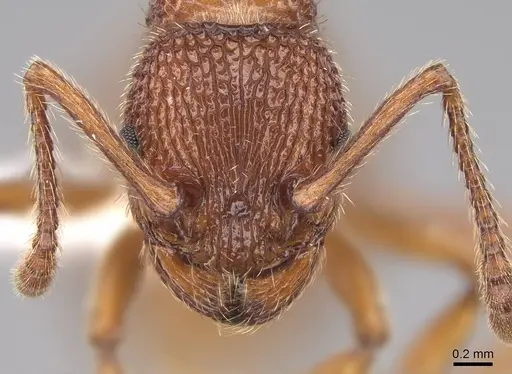
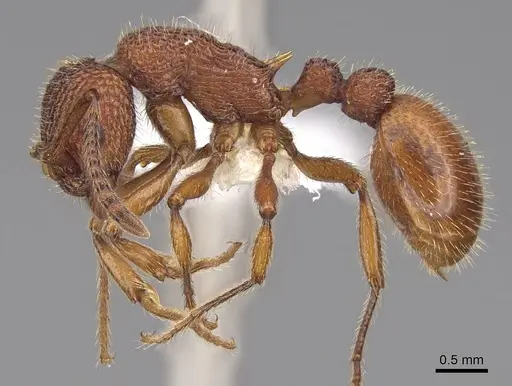
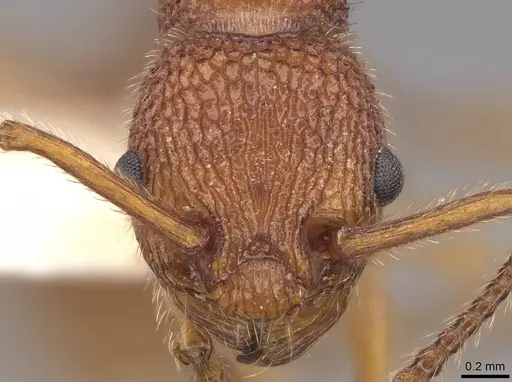
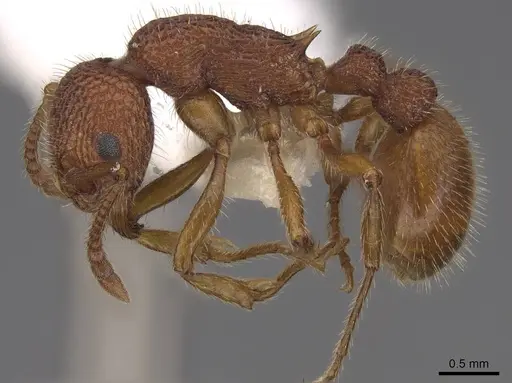
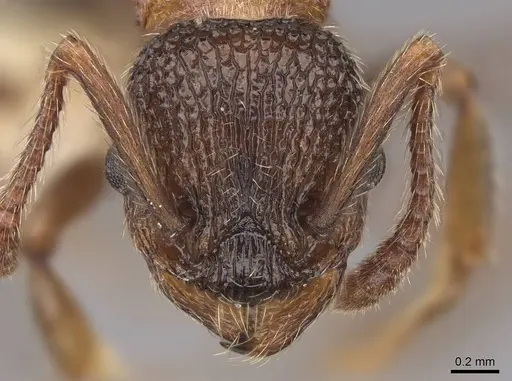
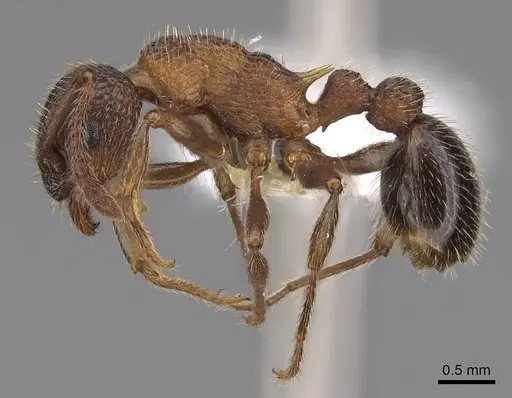
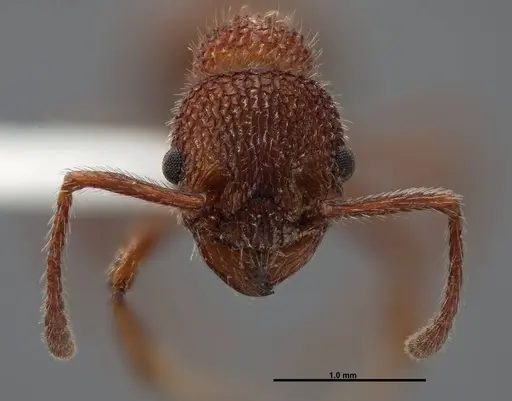
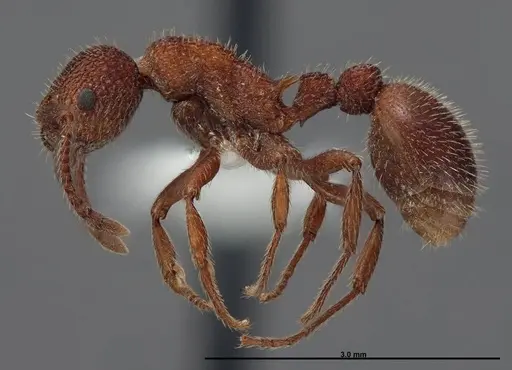
Myrmica striolagaster is a medium-sized ant native to the southwestern United States and northern Mexico. Workers measure 5.57-6.50mm and are easily recognized by the distinctive longitudinal striations at the base of their gaster (abdomen) and the longitudinally striated antennal scapes. Their body is coarsely sculptured with dense, golden pilosity, and they have robust epinotal spines. The head and alitrunk are dark ferrugineous while the abdomen is darker [1].
This species is notable for being one of the few Myrmica ants that inhabits dry habitats rather than the damp forest floor environments typical of most members in this genus. It serves as the host for the rare social parasite Myrmica colax, which has only been found once in Limpia Canyon, Davis Mountains, Texas [1].
Quick Summary
- Difficulty: Medium
- Origin & Habitat: Southwestern United States (Arizona, New Mexico, Texas, Colorado) and northern Mexico (Chihuahua). Found in pinyon pine, ponderosa pine, cedar and oak woodlands, sycamore canyons, and grasslands in forests at higher elevations [1][2][3][4].
- Colony Type: Single-queen colonies (monogyne). Colony structure is typical for Myrmica species.
- Colony: Monogyne
- Founding: Claustral
- Size & Growth:
- Queen: Estimated 6-8mm based on genus typical sizes
- Worker: 5.57-6.50mm [1]
- Colony: Estimated 1000-3000 workers based on typical Myrmica colony sizes
- Growth: Moderate
- Development: 6-10 weeks estimated based on typical Myrmica development (Development time inferred from related Myrmica species. Brood has been observed in nests during June in New Mexico.)
- Antkeeping:
- Temperature: Keep at 20-24°C. This species is not a true thermophile, they forage during cool periods of the day (early morning, late afternoon, and evening) rather than midday heat [5]. Avoid excessive heat.
- Humidity: Low to moderate. This is one of the few Myrmica species that nests in dry habitats [1]. Keep substrate moderately dry, not waterlogged. Provide a moisture gradient so ants can choose their preferred humidity.
- Diapause: Yes. Like most Myrmica species from temperate regions, they require a winter hibernation period. Provide 3-4 months of cold temperatures (5-10°C) during winter.
- Nesting: Natural nesting: under stones in soil. In captivity, they do well in Y-tong nests, plaster nests, or test tube setups with moderate humidity. Provide a dry to moderately moist substrate. They prefer compact chambers over large open spaces.
- Behavior: Workers are active foragers and generalist predators/scavengers [6]. They are not aggressive but will defend their nest. They forage during cooler parts of the day, early morning, late afternoon, and evening, avoiding midday heat [5]. This indicates they prefer moderate temperatures rather than warm conditions. Workers have a well-developed sting for defense. Escape risk is moderate due to their medium size, standard escape prevention measures (fluon barriers, tight-fitting lids) are sufficient.
- Common Issues: dry habitat confusion, keepers often keep Myrmica too wet, this species prefers drier conditions than typical Myrmica, overheating, because they're from the southwestern US, keepers assume they need high heat, but they actually avoid midday heat and prefer cooler temperatures, hibernation failure, not providing adequate winter cooling can weaken colonies over time, small colony loss, slow growth means beginners may lose patience or overfeed, causing mold issues
Nest Preferences and Housing
In the wild, Myrmica striolagaster nests under stones in soil, often on shaded slopes near moisture but in generally drier habitats than other Myrmica species [1]. The type specimen was collected from a nest beneath a stone on a moist, shaded, gentle, south-facing slope beside a stream, this shows they do appreciate some moisture access even if the overall habitat is drier.
For captive care, Y-tong (acrylic) nests work well, as do plaster nests and test tube setups. Keep the nest area moderately dry, the substrate should feel damp but not wet, with some drier areas available. Unlike most Myrmica that need high humidity, this species does well with lower humidity. Provide a shallow water tube for drinking and a foraging area where you can offer food. The foraging area can be kept slightly more humid than the nest proper.
Feeding and Diet
Myrmica striolagaster is a generalist predator and scavenger [6]. In captivity, they readily accept protein sources like small insects (fruit flies, small crickets, mealworms) and will scavenge dead insects. They also collect honeydew and sugar sources in the wild, so you can offer sugar water or honey occasionally.
Feed them small live or dead insects 2-3 times per week, adjusting based on colony size. Remove any uneaten prey after 24-48 hours to prevent mold. A small dish of sugar water or honey can be offered weekly. Since they're not a specialized predator, they are flexible eaters, this makes them easier to feed than some specialist species. However, protein-rich foods should form the bulk of their diet for healthy brood development.
Temperature and Seasonal Care
This species has unusual temperature preferences for a Myrmica ant. Research shows they are not true thermophiles, they avoid foraging during the hottest parts of the day and instead are active during early morning, late afternoon, and evening [5]. This means they prefer cooler conditions than many southwestern ants.
Keep the nest at 20-24°C, avoiding temperatures above 28°C. Room temperature in most homes (around 21-23°C) is ideal. If you need to warm them, use a heating cable on one side of the nest to create a temperature gradient, never heat the entire nest. During winter, provide a hibernation period of 3-4 months at 5-10°C. This is essential for colony health and mimics their natural seasonal cycle in the southwestern mountains. Place them in a garage, basement, or refrigerator (with monitoring) during winter dormancy.
Behavior and Colony Dynamics
Workers are active foragers that search for food both individually and through recruitment. They have a well-developed sting for defense, though their sting is not dangerous to healthy humans. The colony will defend against threats by swarming and stinging.
This species is known for its low discovery capacity among Arizona ant species, they are not aggressive foragers and tend to find food more slowly than competing species [5]. This means you may need to leave food in the foraging area longer before assuming they've rejected it. Colonies grow at a moderate pace. Queens are long-lived and can produce workers for many years. The species hosts the rare social parasite Myrmica colax in the wild, but this is not something you'll encounter in captivity.
Frequently Asked Questions
Is Myrmica striolagaster a good species for beginners?
This is a medium-difficulty species. While not the hardest Myrmica to keep, they have specific humidity requirements (drier than typical Myrmica) and temperature preferences (cooler than expected for a southwestern species) that require attention. If you're experienced with basic Myrmica care and can provide proper hibernation, they can be a rewarding species to keep.
How long does it take for the first workers to emerge?
Based on typical Myrmica development, expect 6-10 weeks from egg to first worker at optimal temperature (around 22°C). This is an estimate since the specific development time for this species hasn't been documented. The first workers (nanitics) will be smaller than mature workers.
Do Myrmica striolagaster ants sting?
Yes, they have a functional sting for defense. However, their sting is not medically significant for healthy humans, it may cause mild pain and irritation similar to other small ant stings. They are not considered dangerous.
What humidity level do they need?
Lower humidity than typical Myrmica, this is one of the few Myrmica species that inhabits dry habitats. Keep the nest substrate moderately moist but not wet. Allow some drying between waterings. The foraging area can be slightly more humid than the nest proper.
Do they need hibernation?
Yes. Like all Myrmica species from temperate regions, they require a winter dormancy period. Provide 3-4 months at 5-10°C during winter. This is essential for colony health and mimics their natural seasonal cycle in the southwestern US mountains.
Can I keep multiple queens together?
No. This is a monogyne (single-queen) species. Unlike some Myrmica that can form multi-queen colonies, Myrmica striolagaster colonies should be started with a single queen. Multiple unrelated queens will fight.
What temperature should I keep them at?
Keep them at 20-24°C. This species is unusual, they are not true thermophiles and actually avoid midday heat. They forage during cool parts of the day (early morning, late afternoon, evening). Avoid temperatures above 28°C.
When should I move them to a formicarium?
Wait until the colony reaches at least 20-30 workers before moving from a test tube setup to a formicarium. Myrmica striolagaster prefers compact chambers, so a Y-tong or plaster nest with small to medium-sized chambers works well. They do better in smaller, more confined spaces than in large open areas.
Why are my ants not foraging much?
This species naturally has low foraging activity during midday, they're most active in early morning, late afternoon, and evening. If your colony is in a bright room during the day, they may seem inactive. Try observing them during cooler times of day, or ensure the room is not too warm. They also generally have low discovery capacity compared to other ant species.
What do they eat in captivity?
Feed them small insects (fruit flies, small crickets, mealworms) 2-3 times per week. They are generalist predators and scavengers. You can also offer sugar water or honey occasionally. Remove uneaten prey after 24-48 hours to prevent mold.
References

This caresheet is licensed under CC BY-SA 4.0 .
CASENT0056872
View on AntWeb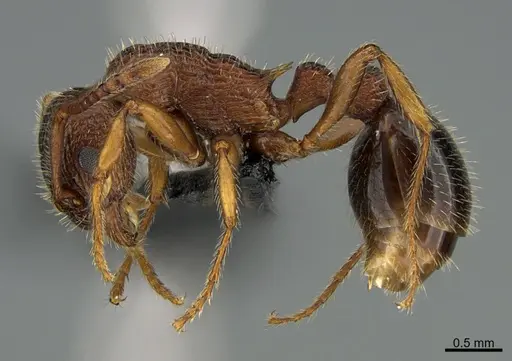
CASENT0102857
View on AntWeb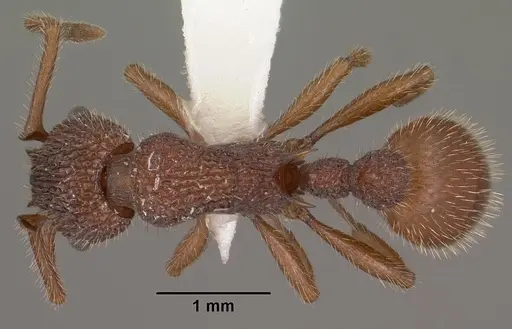
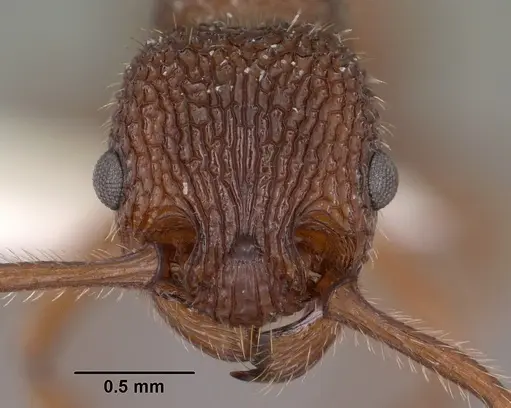
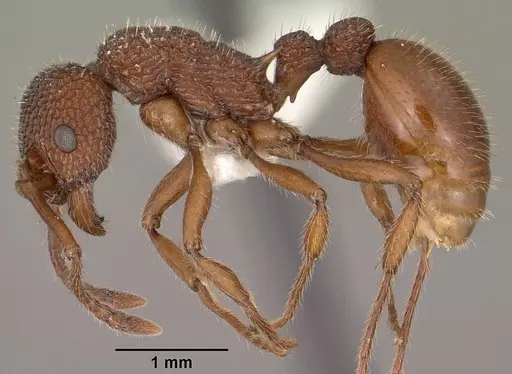
CASENT0106036
View on AntWeb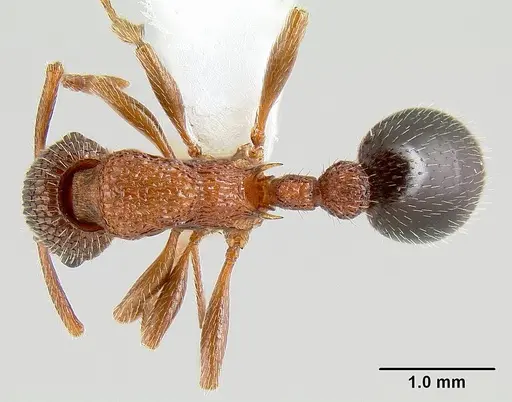
CASENT0650336
View on AntWeb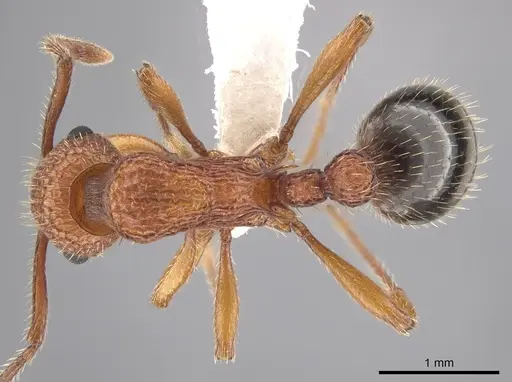
CASENT0900348
View on AntWeb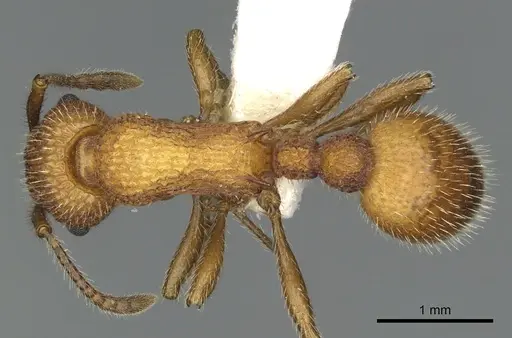
CASENT0922763
View on AntWeb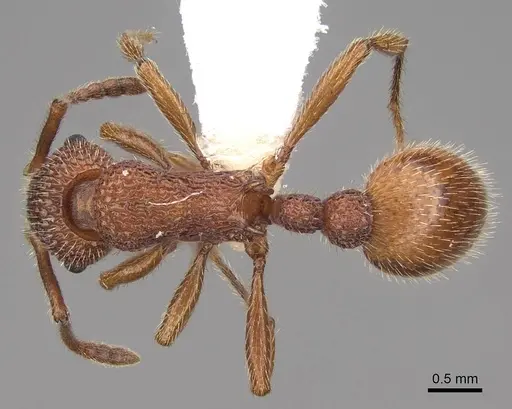
CASENT0922764
View on AntWeb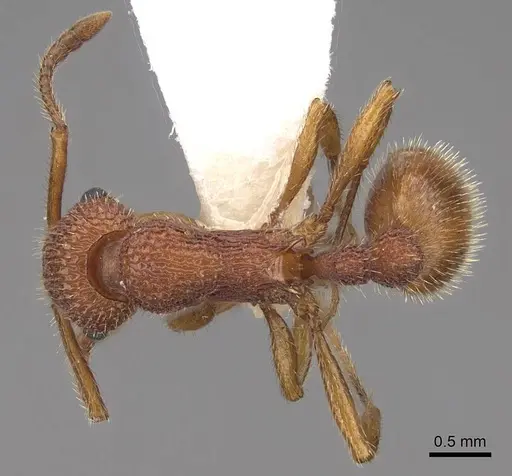
CASENT0922765
View on AntWeb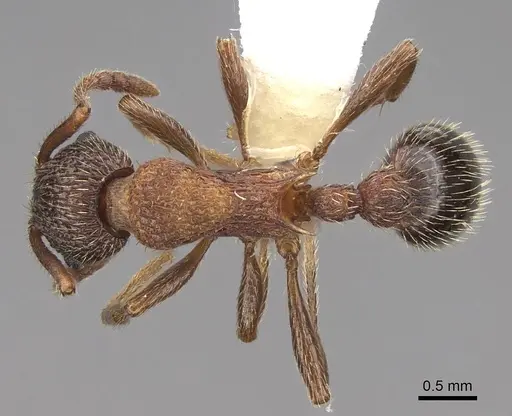
FMNHINS0000062748
View on AntWeb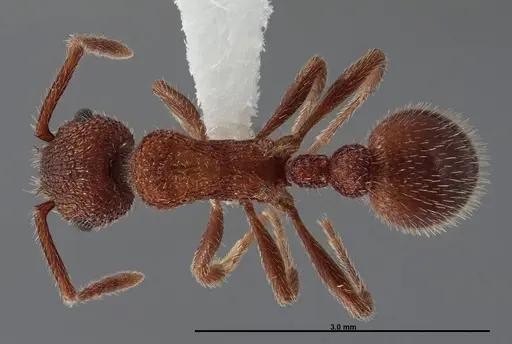
Literature
Loading...Loading products...