

Myrmica spatulata
- Scientific Name
- Myrmica spatulata
- Tribe
- Myrmicini
- Subfamily
- Myrmicinae
- Author
- Smith, 1930
- Distribution
- Found in 2 countries
Myrmica spatulata Overview
Myrmica spatulata is an ant species of the genus Myrmica. It is primarily documented in 2 countries , including Canada, United States of America. Detailed taxonomic data and occurrence records can be further explored via authoritative databases such as AntWeb or the Global Biodiversity Information Facility (GBIF).
Myrmica spatulata
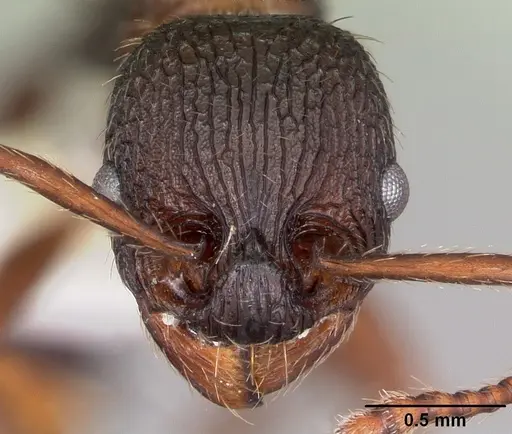
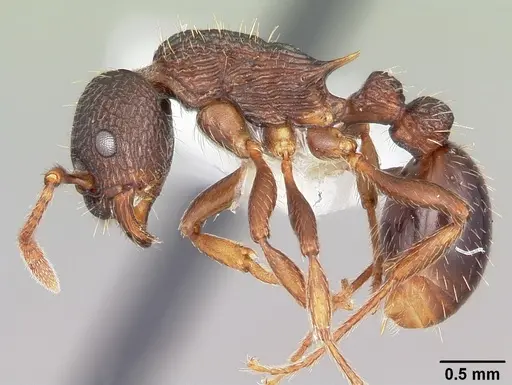
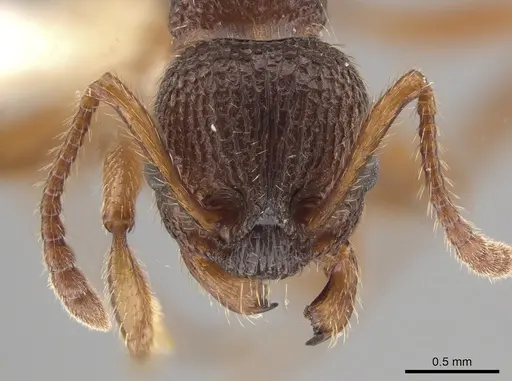
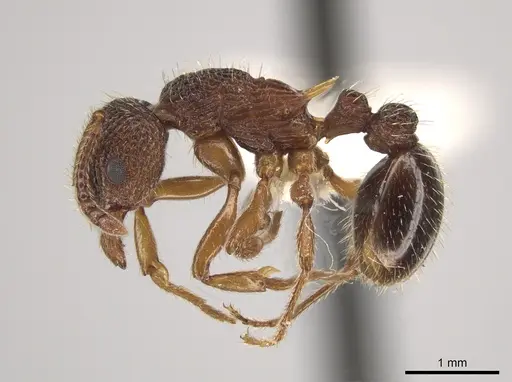
Myrmica spatulata is a small to medium-sized ant native to the eastern United States. Workers measure 3.9-6.2mm and are reddish-brown to dark brown in color [1]. The most distinctive identification feature is the scape (the first segment of the antenna), which has a prominent lamina at the bend that strongly projects and overhangs, creating an acute angle at the bend [1]. This species is considered rare across its range and is often confused with Myrmica sculptilis and M. smithana in historical collections [2].
This ant is found across the eastern half of the United States, from New York south to Florida, and west to Michigan, Illinois, Missouri, and Texas [1]. It nests in soil and rotting wood in meadows, fields, and wooded areas [3][1]. The species was originally described as a variety of Myrmica schencki in 1930 and was raised to full species status in 1950 by Creighton.
Quick Summary
- Difficulty: Medium
- Origin & Habitat: Eastern United States (New York to Florida, west to Texas). Found in meadows, fields, and wooded areas at elevations of 520-1300m [1][3]. Nests in soil and rotting wood.
- Colony Type: Likely single-queen colonies based on typical Myrmica patterns. Colony size is unconfirmed but likely moderate (similar to related Myrmica species reaching several hundred workers).
- Colony: Monogyne
- Founding: Claustral
- Size & Growth:
- Queen: Estimated 6-7mm based on body length range and genus patterns
- Worker: 3.9-6.2mm [1]
- Colony: Unconfirmed, estimated several hundred workers based on related species
- Growth: Moderate
- Development: Estimated 6-10 weeks at optimal temperature based on typical Myrmica development (Development time is estimated from related Myrmica species, specific data for M. spatulata is not available)
- Antkeeping:
- Temperature: Keep around 20-24°C. This species tolerates cooler temperatures compared to tropical ants, consistent with its northern distribution and elevated habitat.
- Humidity: Moderate humidity, keep nest substrate moist but not waterlogged. Found in soil and rotting wood in natural habitat, indicating need for damp substrate [3].
- Diapause: Yes, Myrmica species require winter hibernation. Provide a cold period at 5-10°C for 3-4 months during winter.
- Nesting: Nests in soil and rotting wood in the wild [3]. In captivity, a Y-tong (AAC) nest or plaster/naturalistic setup with moist substrate works well. Provide chambers scaled to their medium size.
- Behavior: Workers are primarily carnivorous but will also feed on nectar and plant exudates [3]. They are active foragers and likely use chemical trails to recruit nestmates to food sources, typical of Myrmica. Workers are not particularly large but can defend the colony if threatened. Escape risk is moderate, use standard barrier methods. The sting is present but these ants are not known for aggressive stinging behavior.
- Common Issues: rare species means wild colonies are difficult to find and should not be collected, purchase from reputable breeders instead, confusion with similar Myrmica species makes accurate identification challenging for beginners, slow colony growth can lead to keeper impatience and overfeeding, winter hibernation is required, colonies that are not cooled properly may fail to thrive, wild-caught colonies may harbor parasites that can devastate captive colonies
Housing and Nest Setup
Myrmica spatulata nests in soil and rotting wood in the wild, so a setup that provides moist substrate works best. A Y-tong (acrylic) nest or plaster formicarium with narrow chambers scaled to their 4-6mm worker size is ideal. The nest should have a water reservoir to maintain humidity. Since they naturally nest in rotting wood, you can also use a naturalistic setup with damp soil and pieces of wood or bark. Keep the outworld simple, a test tube setup connected to a foraging area works well for founding colonies. Ensure excellent escape prevention as workers can squeeze through small gaps. [3]
Feeding and Diet
In the wild, M. spatulata is primarily carnivorous but also feeds on plant exudates like nectar [3]. In captivity, offer protein sources like small crickets, mealworms, fruit flies, or other small insects twice weekly. Sugar can be provided via honey water or sugar water, though protein should make up the majority of their diet. Remove uneaten prey within 24-48 hours to prevent mold. A constant supply of sugar water is recommended, especially for larger colonies with many workers to feed.
Temperature and Seasonal Care
Keep the nest area at 20-24°C, which is moderate and reflects their temperate distribution across the eastern United States. They can tolerate cooler temperatures better than many tropical ants. During winter, provide a hibernation period of 3-4 months at 5-10°C. This can be done in a refrigerator (not freezer) or a cold garage, depending on your climate. Reduce feeding during hibernation and keep the substrate slightly moist but not wet. Do not freeze the colony. Return them to room temperature gradually in spring. [1]
Behavior and Colony Dynamics
Myrmica spatulata forms colonies with a single queen (likely monogyne based on genus patterns). Workers are active foragers that will recruit nestmates to food sources using chemical trails. The colony will grow gradually, expect the first workers (nanitics) to emerge 6-10 weeks after founding, then growth will accelerate as the colony reaches several hundred workers. Workers are not particularly aggressive but will sting if the nest is threatened. The sting is present though not especially potent. Colonies are not known for being overly aggressive or difficult to contain.
Finding and Acquiring This Species
Myrmica spatulata is considered a rare species throughout its range and is often misidentified in collections [2]. It has been documented in only a handful of states: Illinois, Tennessee, Mississippi, Georgia, North Carolina, Indiana, Michigan, and Virginia. Rather than collecting from the wild (which may be illegal and harmful to wild populations), purchase from reputable ant breeders who specialize in North American native species. Wild-caught colonies often harbor parasites that can kill captive colonies, so buying from a trusted source is strongly recommended.
Frequently Asked Questions
How long does it take for Myrmica spatulata to produce first workers?
Based on typical Myrmica development patterns, expect 6-10 weeks from egg to first worker. This is an estimate since specific development data for this species is not available. The queen will remain sealed in her founding chamber until the first workers emerge.
Do Myrmica spatulata ants sting?
Yes, they have a stinger, but they are not considered particularly aggressive. Stings are typically mild and similar to other small Myrmica species. They will defend the nest if threatened.
What temperature should I keep Myrmica spatulata at?
Keep them at 20-24°C. This species tolerates cooler temperatures better than tropical ants, reflecting its northern distribution. A slight gradient allowing cooler areas is beneficial.
Does Myrmica spatulata need hibernation?
Yes, Myrmica species require winter hibernation. Provide 3-4 months at 5-10°C during winter. This is essential for colony health and triggering proper reproductive cycles.
Are Myrmica spatulata good for beginners?
They are rated as medium difficulty. They are harder to find for purchase since they are a rare North American species. Their care is straightforward once you have a colony, but they require hibernation which adds complexity.
What do Myrmica spatulata eat?
They are primarily carnivorous, eating small insects and arthropods. They also consume nectar and plant sugars. Feed small insects like fruit flies, pinhead crickets, or mealworms twice weekly, plus a constant source of sugar water or honey.
How big do Myrmica spatulata colonies get?
Exact colony size is unconfirmed, but based on related Myrmica species, colonies likely reach several hundred workers. Growth is moderate, be patient as colonies take time to establish.
Can I keep multiple Myrmica spatulata queens together?
This species is likely single-queen (monogyne) based on typical Myrmica patterns. Combining unrelated queens is not recommended as they may fight. If you obtain a wild colony, it will typically have one functional queen.
Why is Myrmica spatulata so hard to find?
This is considered a rare species throughout its range. It has often been confused with similar species like Myrmica sculptilis and M. smithana in historical collections, making accurate records scarce [2].
References

This caresheet is licensed under CC BY-SA 4.0 .
CASENT0104838
View on AntWeb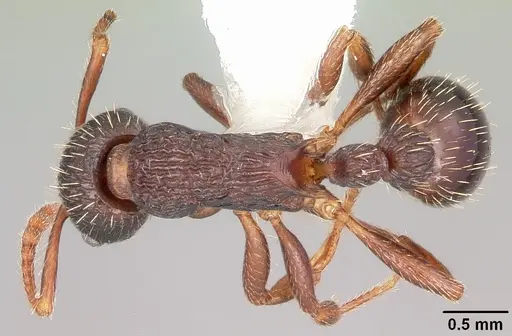
CASENT0651729
View on AntWeb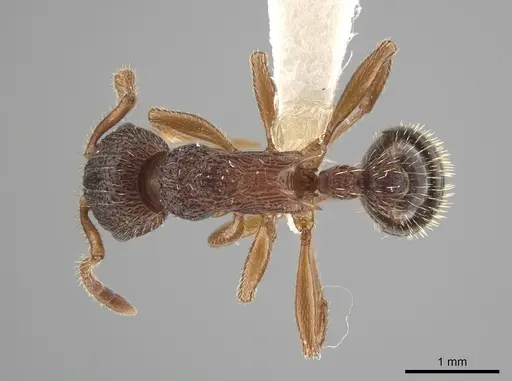
Literature
Loading...Loading products...