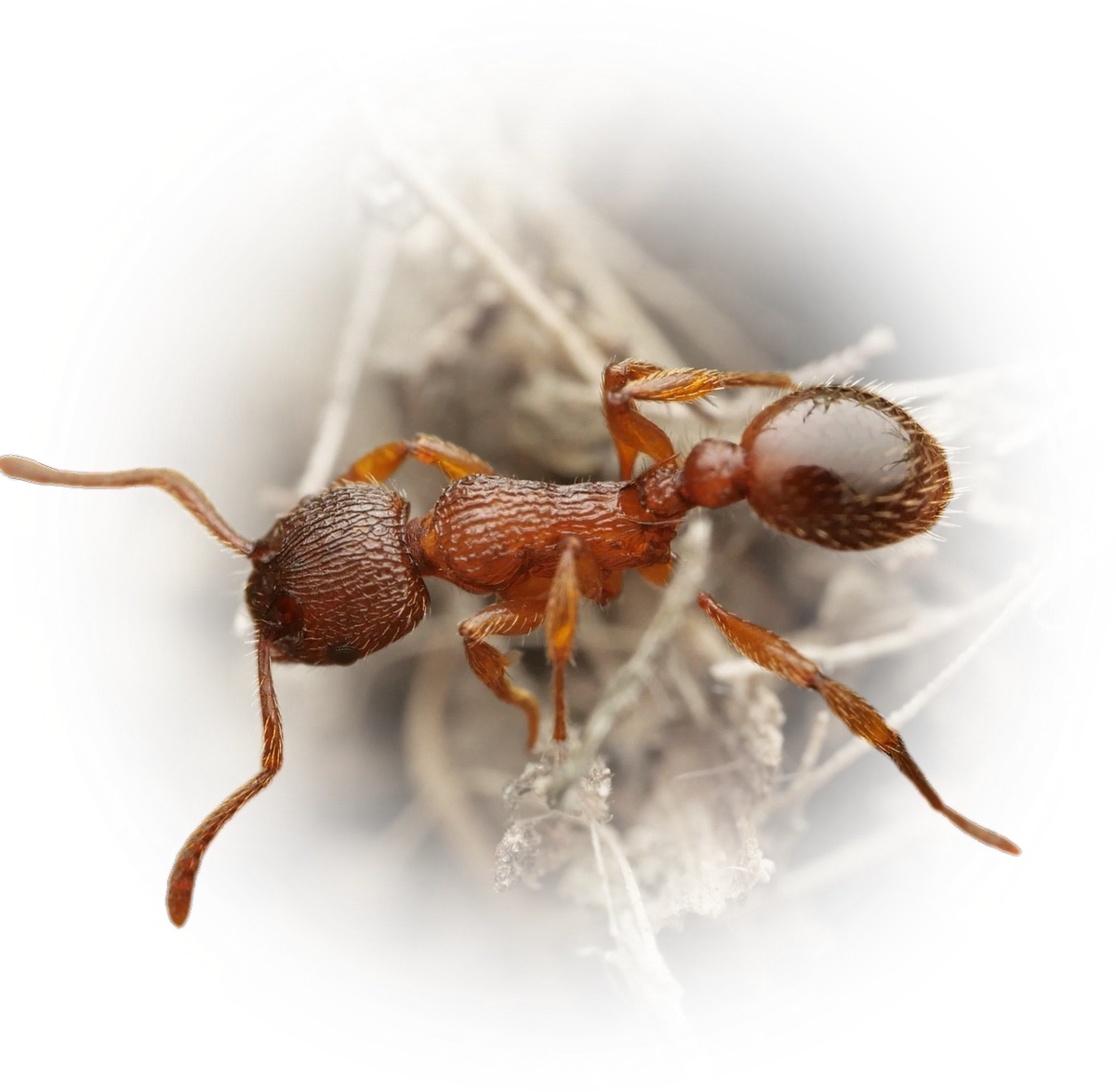

Myrmica schencki
- Scientific Name
- Myrmica schencki
- Tribe
- Myrmicini
- Subfamily
- Myrmicinae
- Author
- Viereck, 1903
- Distribution
- Found in 15 countries
Myrmica schencki Overview
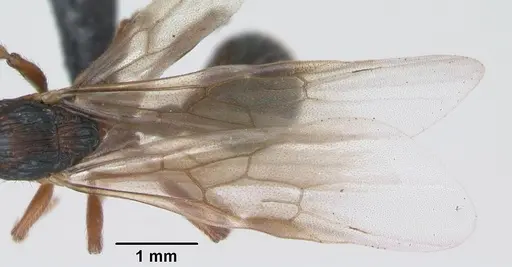
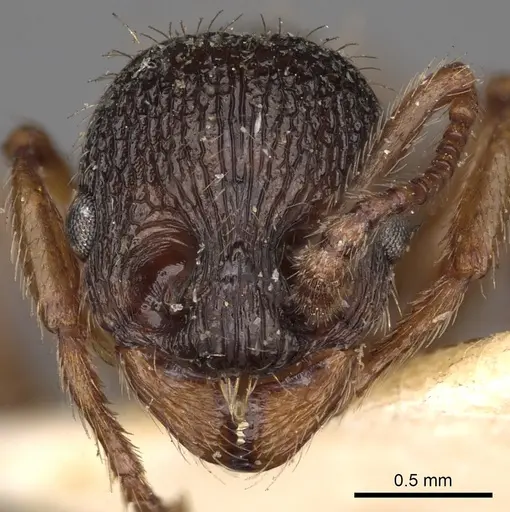
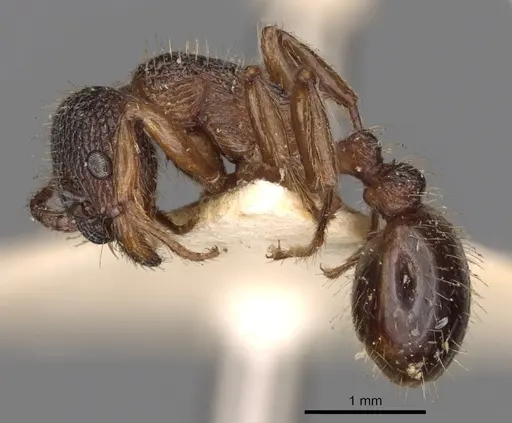
Myrmica schencki is an ant species of the genus Myrmica. It is primarily documented in 15 countries , including Austria, Belgium, Switzerland. Detailed taxonomic data and occurrence records can be further explored via authoritative databases such as AntWeb or the Global Biodiversity Information Facility (GBIF).
Myrmica schencki
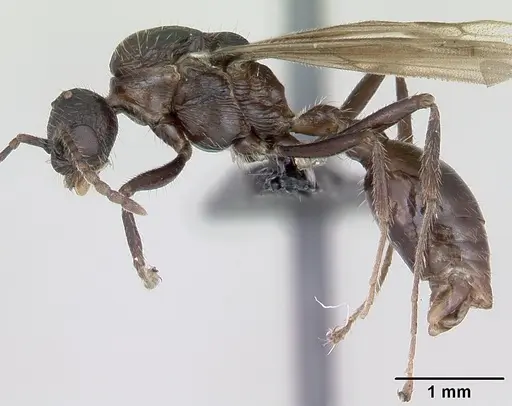
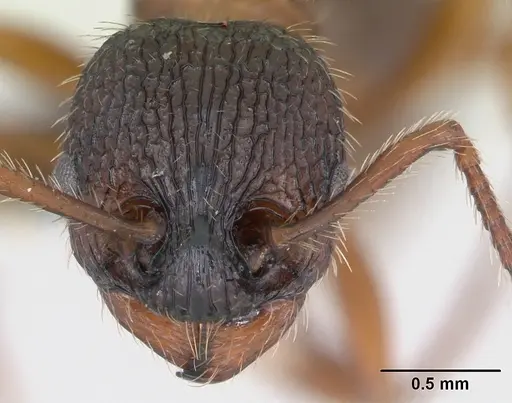
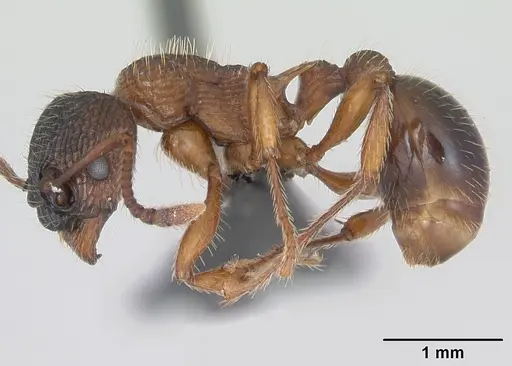
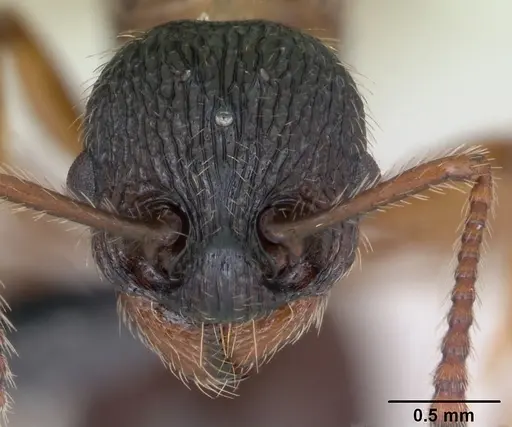
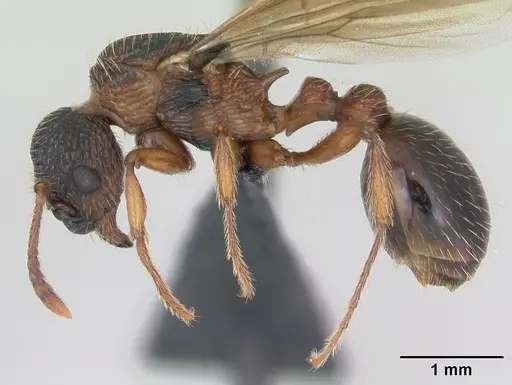
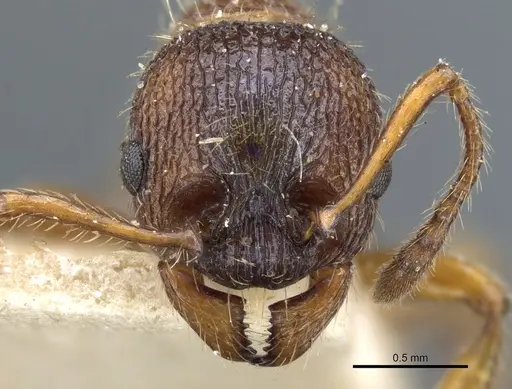
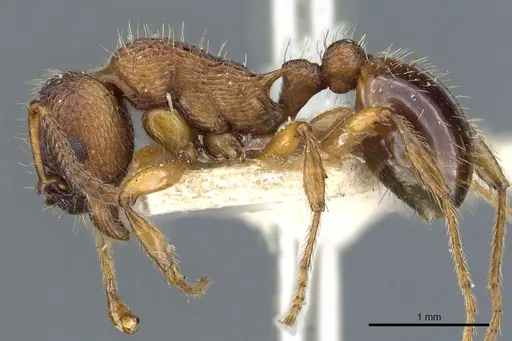
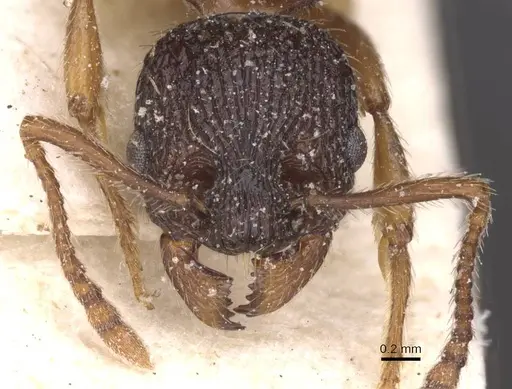
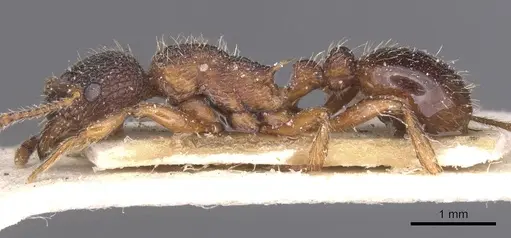
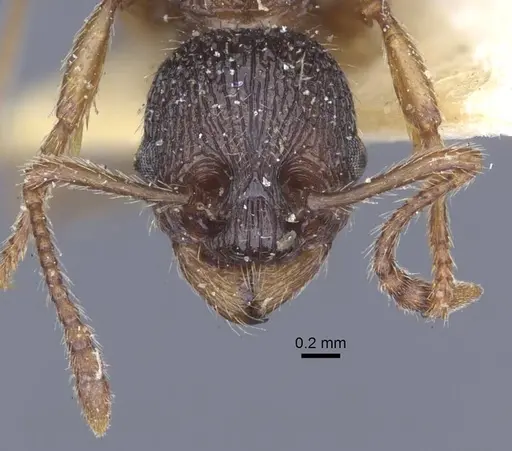
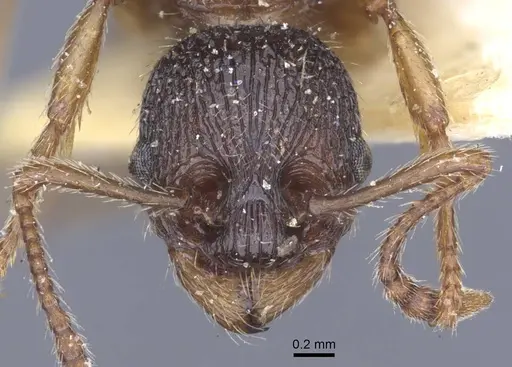
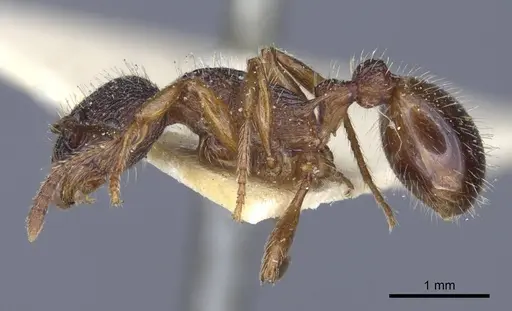
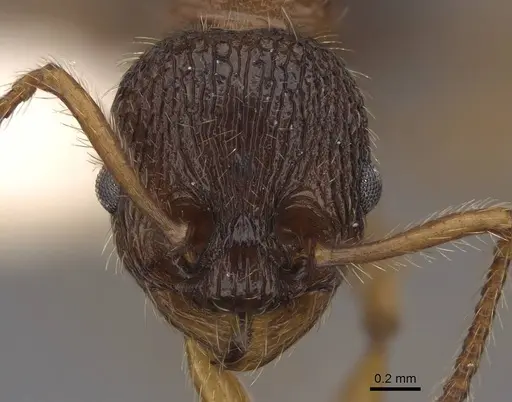
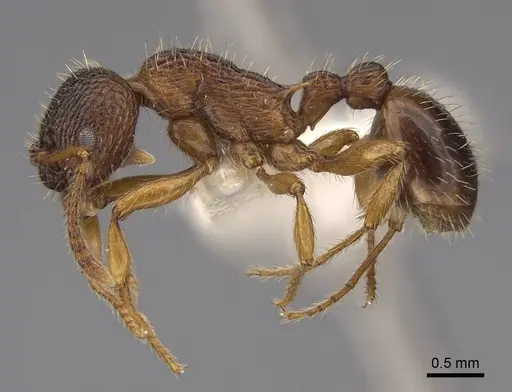
Myrmica schencki is a small to medium-sized Myrmica ant found across Europe and into Asia. Workers measure 4-5mm with a distinctive reddish-brown coloration, while queens reach 5-6mm. This species is one of the most heat-loving Myrmica in Central Europe, thriving in dry heathlands, calcareous grasslands, and other warm, open habitats with sparse vegetation. Colonies are relatively small, typically containing several hundred workers and up to five queens. Workers are highly predatory, frequently hunting other ant species, and they also actively collect nectar and honeydew. The species builds characteristic tubular nest entrances (chimneys) around the entrance holes, making nests relatively easy to locate. Myrmica schencki serves as the primary host for several endangered butterfly species, particularly the Alcon Blue (Phengaris alcon) and its subspecies rebeli, making it ecologically significant beyond antkeeping circles.
Quick Summary
- Difficulty: Medium
- Origin & Habitat: Transpalaearctic distribution spanning from Spain to Northern Korea, found throughout Europe from Britain to Scandinavia south to Spain and Italy. Inhabits dry heathlands, calcareous grasslands, and warm open areas with sparse vegetation [1][2]. Avoids eutrophic grasslands and areas with dense vegetation [3].
- Colony Type: Small colonies with several hundred workers and up to five queens (oligogynous). Colonies are typically monogyne to oligogyne, with multiple queens sometimes admitted to the nest after nuptial flights [4].
- Colony: Monogyne, Oligogyne
- Founding: Semi-claustral
- Size & Growth:
- Queen: 5-6 mm [4][5]
- Worker: 3.9-5.5 mm [4][6]
- Colony: Several hundred to about 1000 workers [2][4]
- Growth: Slow, based on semi-claustral founding and slow larval development [7][8]
- Development: Estimated 8-12 weeks at optimal temperature based on genus-level data for semi-claustral Myrmica species (Semi-claustral founding means queens must forage for food during colony establishment, extending development time. Last larval stage can overwinter, with first egg laying occurring after diapause [7][8])
- Antkeeping:
- Temperature: Keep nest area at 20-26°C. This is one of the most thermophilic Myrmica species, with workers showing peak activity between 15-30°C. They begin foraging when ground surface temperature drops below 30°C [9]. Provide a temperature gradient allowing workers to select their preferred zone.
- Humidity: Low to moderate humidity, this is a xerophilic (dry-loving) species. Keep substrate moderately dry, similar to their natural heathland and grassland habitats. Allow areas to dry out between waterings.
- Diapause: Yes, requires winter hibernation. Nuptial flights occur in July-August, with mating taking place on the ground near the nest. Last larval stage is capable of overwintering, and first egg laying occurs after diapause [2][8]. Keep colonies at 5-10°C during winter dormancy for 2-3 months.
- Nesting: Y-tong (AAC) or plaster nests work well given their preference for dry conditions. Provide tight chambers scaled to their worker size. Natural nesting sites include soil with characteristic tubular entrances, under stones, or in moss tufts. Avoid overly humid environments.
- Behavior: Workers are primarily nocturnal but can be active during cooler parts of the day. They are highly predatory and frequently capture other ant species as food. They also collect flower nectar and honeydew more actively than other Myrmica species. Workers have a painful sting that causes a burning sensation similar to nettle contact [10]. They are aggressive defenders of their nest and will sting readily if threatened. Escape prevention should be moderate, workers are not particularly small but can climb smooth surfaces.
- Common Issues: colonies often fail during hibernation if kept too wet, ensure dry winter conditions, slow growth from semi-claustral founding can frustrate beginners, be patient during first months, wild-caught colonies may have parasites that kill them in captivity, sensitive to habitat disturbance, difficult to establish in changed environments, nest tubes/chimneys can be damaged during transport, stressing the colony
Nest Preferences
Myrmica schencki nests in dry, warm soils typical of heathlands and grasslands. In the wild, they build ground nests with characteristic tubular entrances made from plant material, creating small chimneys around the entrance hole. These nest tubes can reach up to 2cm in height and help with ventilation. Nests are typically found under stones, in moss clumps, or directly in sandy soil with sparse vegetation overhead. For captive care, Y-tong (AAC) nests or plaster nests with dry conditions work well. Provide chambers scaled to their worker size (4-5mm) with moderate spacing. Avoid overly humid environments, this species actively avoids wet conditions and will struggle in constantly damp substrates. A small water reservoir can be included but ensure the majority of the nest remains dry. [3][4][9][2]
Feeding and Diet
Myrmica schencki has a varied diet with strong predatory tendencies. Workers actively hunt other insects and, notably, frequently capture other ant species, especially Formica and Lasius workers make up a significant portion of their protein intake. They also collect flower nectar and honeydew from aphids more actively than other Myrmica species. For captive feeding, offer protein sources like small crickets, fruit flies, and mealworms 2-3 times per week. Sugar water or honey can be provided as a supplementary energy source, though they are less dependent on sugary foods than some other ants. Their predatory nature means they prefer live or freshly killed prey, they will readily hunt small insects in the outworld. Remove uneaten prey after 24-48 hours to prevent mold. [2][1][4]
Temperature and Seasonal Care
This is one of the most thermophilic Myrmica species, requiring warmer conditions than most other European Myrmica. Keep the nest area at 20-26°C, with a slight gradient allowing workers to select their preferred temperature. Workers show peak activity between 15-30°C and will begin foraging when ground surface temperatures drop below 30°C, avoiding the hottest parts of the day. During winter, colonies require a true hibernation period of 2-3 months at 5-10°C. The last larval stage can overwinter, with first egg laying occurring after the diapause period ends in spring. Keep the colony relatively dry during hibernation, damp conditions during winter dormancy are a common cause of colony failure. Reduce feeding significantly during hibernation and avoid disturbing the colony. [9][2][8][7]
Behavior and Temperament
Myrmica schencki workers are aggressive defenders of their colony and possess a painful sting that causes a burning sensation similar to nettle contact. They are primarily nocturnal but can be active during cooler daytime hours. Workers are highly predatory and will readily attack and subdue prey much larger than themselves. They use chemical alarm signals to recruit nestmates to food sources or threats. Colonies are relatively peaceful toward conspecific queens, with up to five queens living together in established colonies. The species shows strong territorial behavior and will defend foraging areas aggressively. When keeping this species, use moderate escape prevention, while not extremely small, they are active climbers and can escape through small gaps. Ensure outworld setups have smooth barriers. [2][10][1]
Colony Founding
Myrmica schencki uses semi-claustral colony founding, meaning the queen must leave the nest periodically to hunt for food during the early colony establishment phase. This is different from claustral species where queens seal themselves in and survive entirely on stored fat reserves. After mating flights in July-August, newly mated queens dig small chambers in the ground and begin laying eggs. The queen must capture prey to feed herself and the first batch of larvae, making this a more risky founding strategy than claustral alternatives. This requirement for active foraging during founding limits the species to habitats with sufficient food availability, a key reason they prefer warm, insect-rich environments. First workers (nanitics) typically appear after several months, and the colony grows slowly thereafter. This founding strategy explains why colonies have slower initial growth compared to claustral species. [7][8]
Ecological Significance
Myrmica schencki plays a crucial role in European ecosystems as the primary host for several endangered butterfly species. It is the main host for the Alcon Blue (Phengaris alcon) and its subspecies rebeli across much of Europe. The butterfly caterpillars are adopted into ant nests where they are tended by workers and fed regurgitated food, a remarkable example of social parasitism. Research shows that M. schencki provides superior care to these parasites compared to other Myrmica species, with caterpillar survival approximately 30 times greater in M. schencki colonies compared to other hosts. The species also serves as a predatory controller of other ant populations, helping maintain ecological balance in grassland habitats. This ecological importance makes M. schencki a conservation priority in many European countries, with vulnerable or endangered status in several regions.
Frequently Asked Questions
Can I keep Myrmica schencki in a test tube?
Test tubes can work for founding colonies, but this species prefers drier conditions than many Myrmica. Monitor humidity carefully and transfer to a proper nest (Y-tong or plaster) once the colony reaches 20-30 workers. The semi-claustral founding method means queens need access to hunting space in the early stages.
How long until first workers appear in Myrmica schencki?
Expect 8-12 months from founding to first workers due to their semi-claustral founding strategy. Queens must forage for food during colony establishment, which extends development time compared to claustral species. Be patient, slow initial growth is normal for this species.
Do Myrmica schencki ants sting?
Yes, workers have a painful sting that causes a burning sensation similar to nettle contact. They are aggressive defenders and will sting if their nest is threatened. Handle with care and use appropriate escape prevention.
Are Myrmica schencki good for beginners?
This species is rated as medium difficulty. While not the most challenging species, their semi-claustral founding, slow growth, specific temperature requirements, and need for winter hibernation make them better suited for keepers with some experience. Their xeric (dry) habitat preferences also differ from typical Myrmica care.
Do Myrmica schencki need hibernation?
Yes, they require a winter dormancy period of 2-3 months at 5-10°C. This is essential for colony health and triggers the reproductive cycle. Keep the colony dry during hibernation and reduce feeding significantly. Failure to provide proper hibernation can lead to colony decline.
What do Myrmica schencki eat?
They are highly predatory, primarily hunting other insects and frequently other ant species. Feed protein (small crickets, fruit flies, mealworms) 2-3 times weekly. They also collect nectar and honeydew, so sugar water or honey can be offered occasionally. Live prey is preferred due to their predatory nature.
Can I keep multiple queens together?
Yes, this species is naturally oligogyne with multiple queens (typically up to 5) per colony. Unlike many species, they tolerate co-foundresses and established colonies can have several reproductive queens. However, avoid combining unrelated foundresses in captivity as they may fight initially.
How big do Myrmica schencki colonies get?
Colonies typically reach several hundred to about 1000 workers. They are considered small to medium-sized Myrmica colonies. Growth is slow due to their semi-claustral founding strategy and slow larval development.
What temperature do Myrmica schencki need?
Keep nest areas at 20-26°C. This is one of the most thermophilic Myrmica species, with optimal worker activity between 15-30°C. Provide a temperature gradient so workers can self-regulate. Avoid temperatures above 30°C as they will retreat to cooler nest areas.
Why is my Myrmica schencki colony dying?
Common causes include: too damp conditions (they prefer dry habitats), improper hibernation (too wet or warm), insufficient protein food (they're highly predatory), or stress from disturbance. Check humidity levels first, overwatering is a common mistake with this xerophilic species.
References

This caresheet is licensed under CC BY-SA 4.0 .
CASENT0172721
View on AntWeb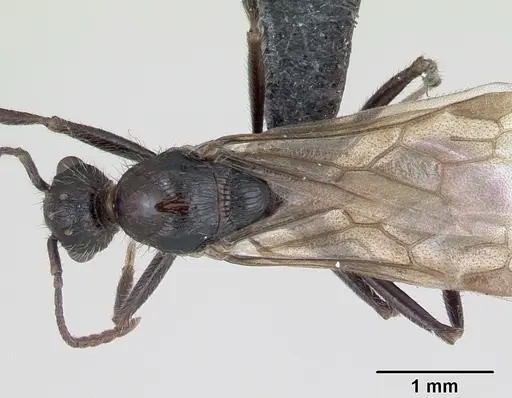
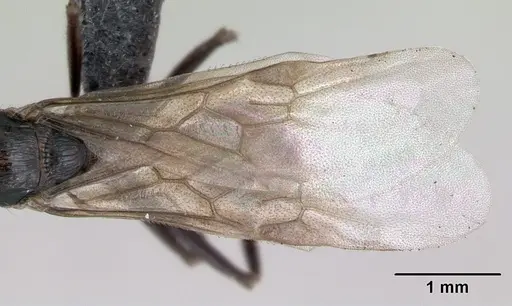
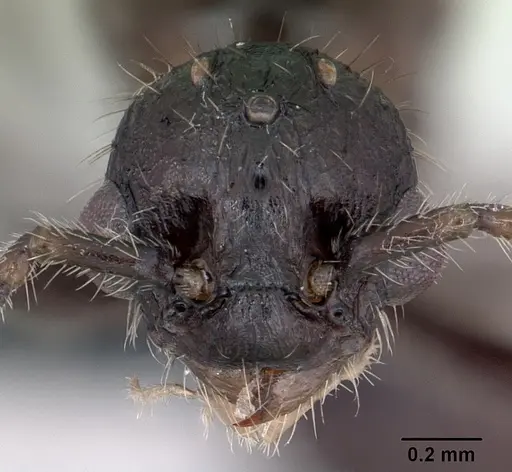
CASENT0172731
View on AntWeb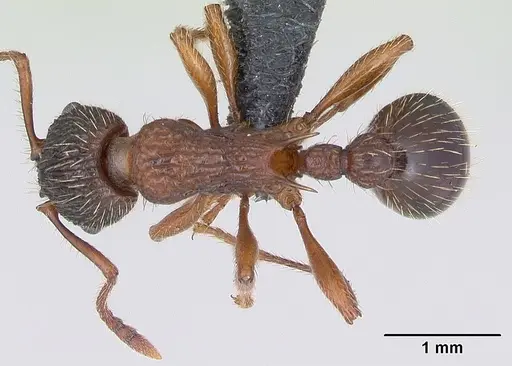
CASENT0172732
View on AntWeb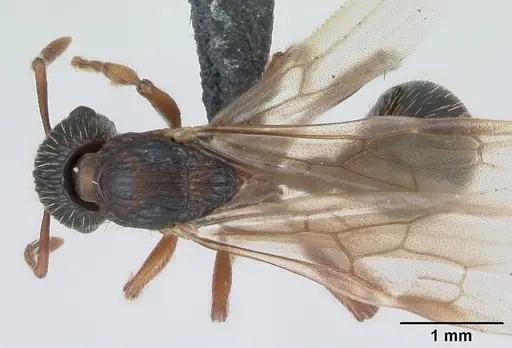
CASENT0900289
View on AntWeb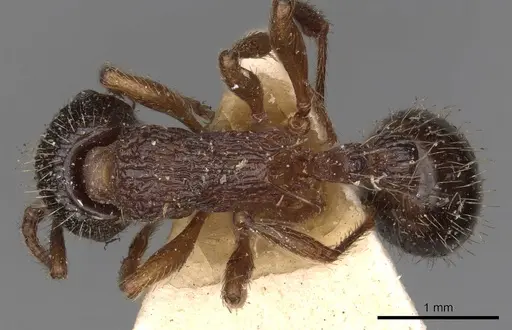
CASENT0904070
View on AntWeb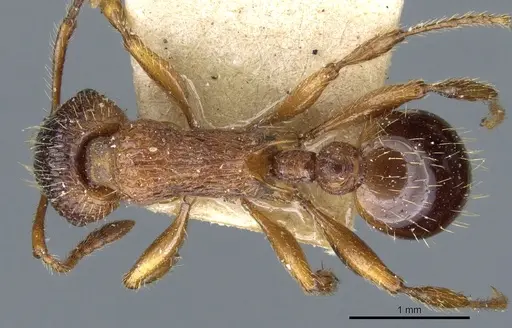
CASENT0913081
View on AntWeb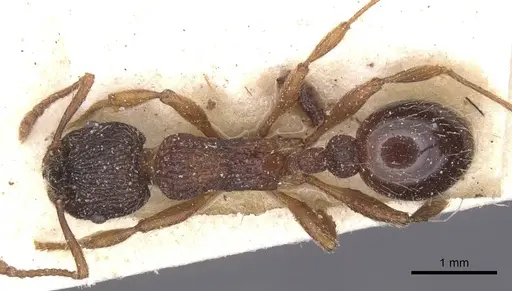
CASENT0916897
View on AntWeb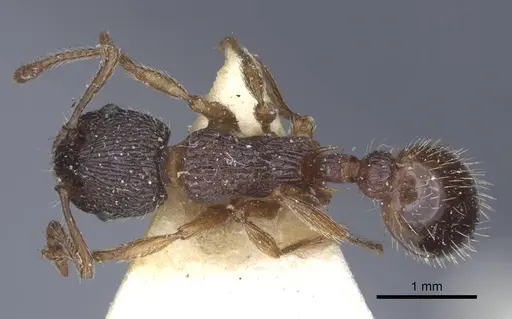
CASENT0922802
View on AntWeb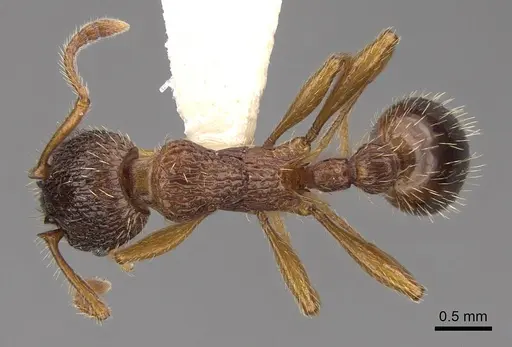
Literature
Loading...Loading products...