

Myrmica smythiesii
- Scientific Name
- Myrmica smythiesii
- Tribe
- Myrmicini
- Subfamily
- Myrmicinae
- Author
- Forel, 1902
- Distribution
- Found in 2 countries
Myrmica smythiesii Overview
Myrmica smythiesii is an ant species of the genus Myrmica. It is primarily documented in 2 countries , including China, India. Detailed taxonomic data and occurrence records can be further explored via authoritative databases such as AntWeb or the Global Biodiversity Information Facility (GBIF).
Myrmica smythiesii
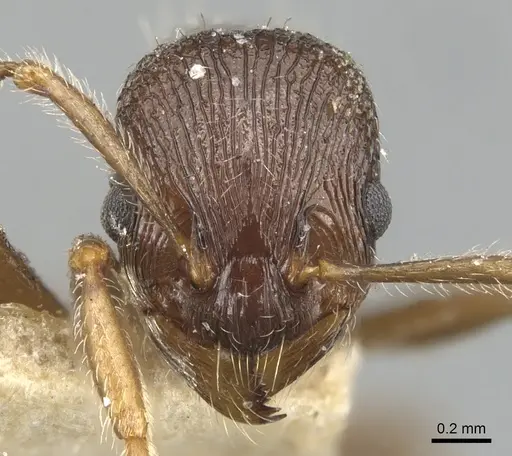
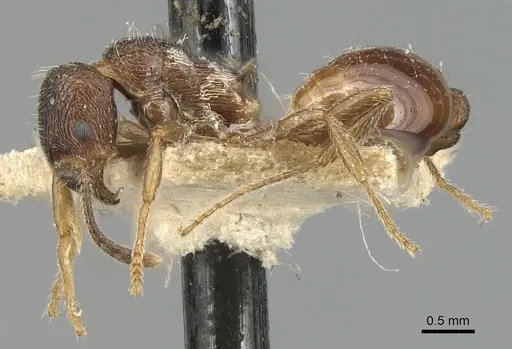
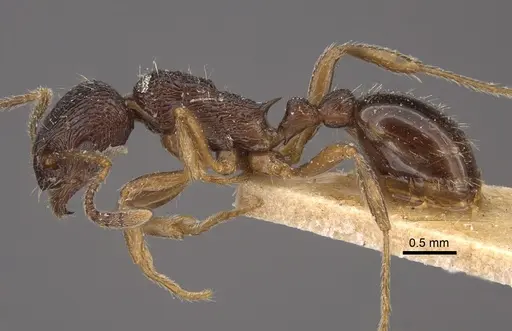
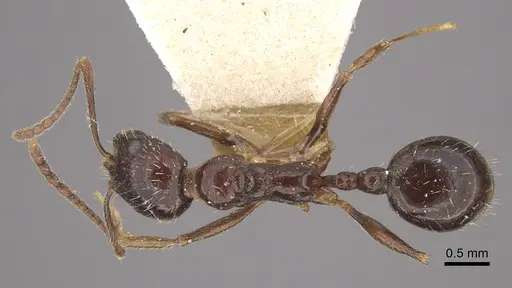
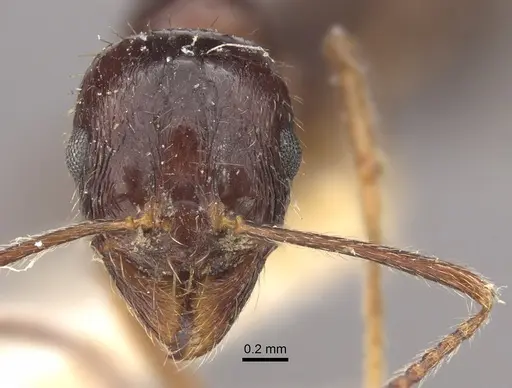
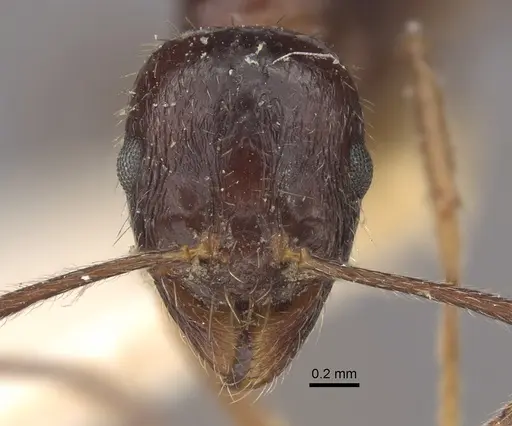
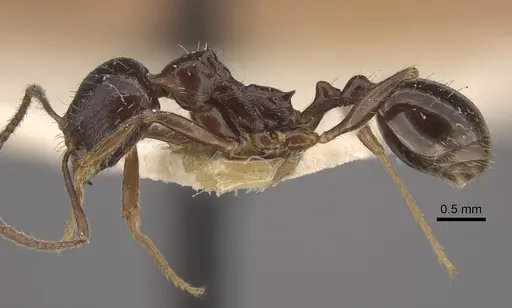
Myrmica smythiesiii is a small reddish-brown ant species native to the Himalayan region. Workers measure 4.5-4.7mm and have a distinctive appearance with a subtle impression between the pronotum and mesonotum. This species belongs to the Myrmica tibetana species group and is endemic to the Himalayas, where it inhabits conifer forests dominated by Pinus, Cedrus, and Rhododendron at elevations between 2133-3749 meters above sea level [1]. The species was originally described by Forel in 1902 and was named after Arthur Smythies, a British forester who worked in the Indian Forest Service [2].
What makes M. smythiesii interesting is its specialization as a habitat specialist restricted to primary forest environments, it has never been found in secondary forest or rubber plantations [3]. This ant is an opportunist forager, meaning it takes advantage of a wide variety of food sources. In its natural mountain habitat, it nests under stones and in rotting wood covered with leaf litter, where temperatures stay cool at 15-20°C even when surface air reaches 25°C [1].
Quick Summary
- Difficulty: Medium
- Origin & Habitat: Himalayan region of Northwest India (Himachal Pradesh, Jammu & Kashmir, Uttarakhand), Nepal, and southern China. Found in conifer forests (Pinus, Cedrus) with Rhododendron at elevations 2133-3749m [1]. Nests located under stones and in rotten wood covered with leaves [1].
- Colony Type: Single-queen (monogyne) colonies typical for the genus Myrmica. Colonies are not known to be polygynous.
- Colony: Monogyne
- Founding: Claustral
- Size & Growth:
- Queen: Estimated 6-8mm based on typical Myrmica genus dimensions
- Worker: 4.5-4.7mm [4]
- Colony: Likely moderate, several hundred workers typical for Myrmica species
- Growth: Moderate, Myrmica species typically take 6-10 weeks from egg to first worker
- Development: 6-10 weeks (estimated based on typical Myrmica development at cool temperatures) (Development is likely slower than tropical species due to their cool mountain habitat. Expect 8-12 weeks at optimal temperatures.)
- Antkeeping:
- Temperature: Keep nest area at 18-22°C. This species prefers cool conditions matching its natural habitat where nest temperatures range 15-20°C [1]. Avoid overheating, they are not heat tolerant.
- Humidity: Keep nest substrate moderately moist. Natural humidity was 67% at collection sites. Provide a water tube but avoid waterlogging the nest. They prefer damp conditions but not saturated substrate.
- Diapause: Yes, this is a Himalayan mountain species requiring a winter hibernation period. Reduce temperature to 5-10°C for 3-4 months during winter (roughly November to February in the Northern Hemisphere).
- Nesting: Y-tong (AAC) nests or plaster nests work well. They naturally nest under stones and in rotting wood, so provide dark, cool nesting areas. Avoid dry, heated nests, they need access to moisture.
- Behavior: Workers are active foragers with an opportunist diet, they will collect honeydew, small insects, and seeds. They are not particularly aggressive but will defend their nest. Workers have a functional stinger but rarely sting due to their small size. Escape risk is moderate, use standard barrier methods but they are not extreme escape artists like some tiny species.
- Common Issues: Cool temperature requirements can be challenging in warm homes, may need cooling in summer, Hibernation failure is common, must provide proper cold period or colony may decline, As habitat specialists, they may be sensitive to captive conditions and require more specific humidity, Wild-caught colonies may have parasites that cause problems in captivity, Overheating kills these ants quickly, keep them well below room temperature in summer
Housing and Nest Setup
Myrmica smythiesiii does best in nests that stay cool and retain moisture. Y-tong (AAC) nests or plaster nests are ideal choices because they allow you to control humidity more easily than test tube setups. The nest area should stay between 18-22°C, this is cooler than most ant species need. Place the nest in a cool area of your home, away from direct sunlight and heat sources.
The outworld (foraging area) can be kept at room temperature, but make sure the nest itself stays cool. Provide a water tube connected to the nest so workers can access moisture. These ants naturally nest under stones and in rotting wood, so they prefer dark, enclosed spaces. A layer of substrate in the outworld is not required but can help maintain humidity.
Escape prevention is straightforward, these are not particularly good climbers and standard barrier methods work well. However, always use proper containment since any ant can escape through small gaps. [1]
Feeding and Diet
Myrmica smythiesiii is an opportunist forager, meaning they will accept a wide variety of foods. Feed them sugar water or honey water as a constant energy source, offer it on a small piece of cotton or in a test tube with a cotton wick. For protein, offer small insects like fruit flies, small mealworms, or cricket pieces. They will also collect honeydew if you have access to aphid colonies.
Feed protein prey 2-3 times per week, removing any uneaten prey after 24-48 hours to prevent mold. Keep sugar water available at all times. Unlike some specialized predators, these ants are flexible feeders and should adapt well to standard ant diets. However, always ensure fresh prey is available, they are more active and healthy with regular protein intake. [1]
Temperature and Seasonal Care
Temperature management is the most critical aspect of keeping M. smythiesii successfully. In the wild, these ants live at elevations above 2000 meters where nest temperatures stay between 15-20°C even when surface air reaches 25°C [1]. In captivity, keep the nest at 18-22°C. This is cooler than most ant keepers keep their colonies, so you may need to use a small fan, place the nest in a cool room, or use a thermoelectric cooler in summer.
During winter (roughly November to February), this species requires a hibernation period. Reduce temperatures to 5-10°C for 3-4 months. This is essential for colony health, without proper hibernation, colonies often fail to produce alates (reproductives) and may decline over time. Do not hibernate in the refrigerator unless you can maintain stable temperatures above freezing.
Summer heat is dangerous, temperatures above 25°C can stress or kill these ants. Keep them well-ventilated and away from warm rooms.
Colony Development and Growth
Myrmica colonies grow moderately fast once established. The queen lays eggs after mating during the nuptial flight season (May-July in the wild) [1]. The first workers (nanitics) will emerge after 6-10 weeks, though development may be slower given their cool habitat preferences. Nanitics are typically smaller than mature workers.
After founding, colonies grow at a moderate pace. Expect the colony to reach several hundred workers over 2-3 years under good conditions. Myrmica colonies can live for many years, queens may live 10-15 years or more. Growth is slower than tropical species but steady with proper care.
Mature colonies produce alates (reproductives) annually. If you want to raise alates, proper hibernation is essential, this triggers the reproductive cycle. Alates typically appear in late spring or summer.
Behavior and Temperament
Myrmica smythiesiii workers are active and industrious foragers. They are not particularly aggressive toward humans but will defend their nest if threatened. Workers have a stinger but due to their small size, stings are rarely felt by humans, most keepers report no noticeable sting.
These ants use chemical trails to recruit workers to food sources. When you place food in the outworld, workers will quickly discover it and recruit nestmates. This makes them entertaining to watch and easy to feed.
Workers are moderately polymorphic, larger workers (majors) may develop in mature colonies, though this species does not have extreme size polymorphism like some other Myrmica species. Workers can live for several months, and the colony maintains steady worker populations through continuous brood production. [1][4]
Frequently Asked Questions
Can I keep Myrmica smythiesii in a test tube?
Test tubes can work for founding colonies, but these ants prefer cooler, more humid conditions than test tubes alone provide. A Y-tong or plaster nest is better for long-term housing. If using test tubes, keep the setup in a cool location and ensure the water tube stays filled.
What temperature do Myrmica smythiesii need?
Keep the nest at 18-22°C. This is cooler than most ant species, they are Himalayan mountain ants that naturally live in cool conditions. Never let temperatures exceed 25°C.
Do Myrmica smythiesii need hibernation?
Yes, this species requires a winter hibernation period. Reduce temperatures to 5-10°C for 3-4 months during winter. Without proper hibernation, colonies may fail to produce alates and can decline over time.
How long does it take for first workers to emerge?
Expect 6-10 weeks from egg to first worker at optimal temperatures. Development is slower than tropical species due to their cool mountain habitat. Be patient, founding colonies take time.
Are Myrmica smythiesii good for beginners?
This species is rated as medium difficulty. The main challenge is maintaining cool temperatures year-round and providing proper hibernation. If you can keep them cool and manage hibernation, they are otherwise straightforward to keep.
What do Myrmica smythiesii eat?
They are opportunist feeders. Offer sugar water or honey water constantly, and protein prey (small insects like fruit flies or mealworms) 2-3 times per week. They will also collect honeydew if available.
How big do Myrmica smythiesii colonies get?
Colonies likely reach several hundred workers over 2-3 years. This is typical for Myrmica species, they are not among the largest or smallest ant genera.
Do Myrmica smythiesii ants sting?
Workers have a stinger but are too small to penetrate human skin in most cases. They are not considered dangerous to humans and rarely show aggressive behavior toward keepers.
When will Myrmica smythiesii produce alates?
Alates (reproductives) appear in nature during May, June, and July [1]. In captivity, mature colonies typically produce alates annually in spring/summer, but only if provided with proper hibernation.
Why is my colony declining?
Common causes include: temperatures too warm (above 25°C), improper hibernation, too dry conditions, or parasites from wild-caught colonies. Check your temperature settings first, overheating is the most common killer of this species.
Can I keep multiple queens together?
No. This species is monogyne (single-queen). Multiple unrelated queens will fight. Only keep one queen per colony.
Where is Myrmica smythiesii native to?
This species is native to the Himalayan region: northern India (Himachal Pradesh, Jammu & Kashmir, Uttarakhand), Nepal, and southern China. They live at high elevations (2100-3750m) in conifer forests [1][5].
References

This caresheet is licensed under CC BY-SA 4.0 .
CASENT0900298
View on AntWeb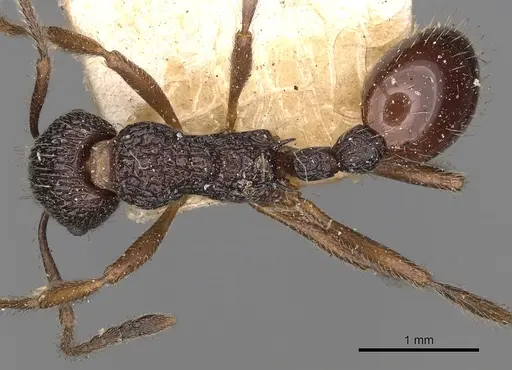
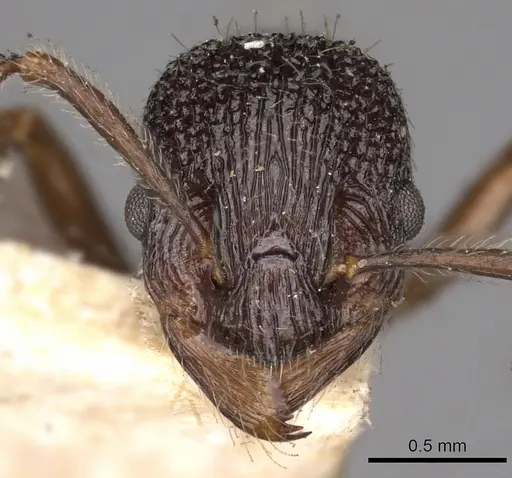
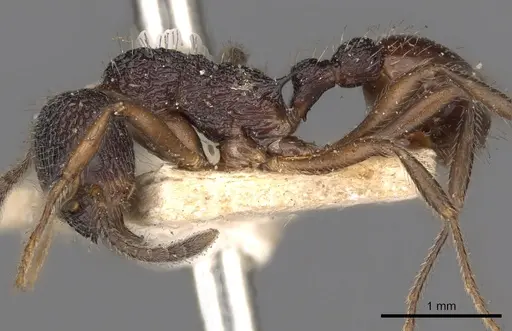
CASENT0904089
View on AntWeb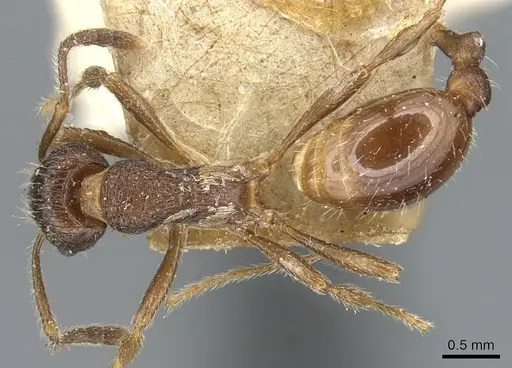
CASENT0907657
View on AntWeb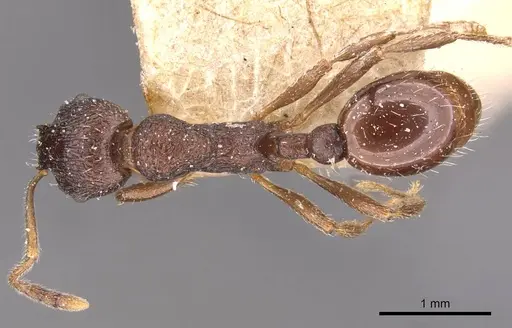
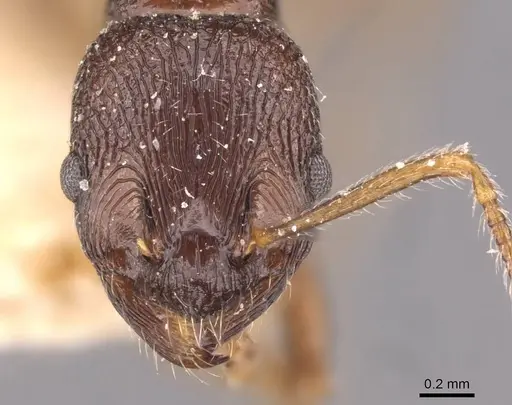
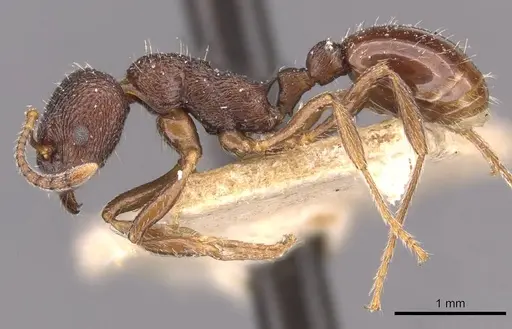
CASENT0917747
View on AntWeb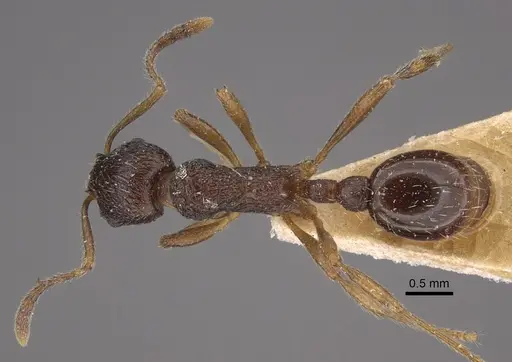
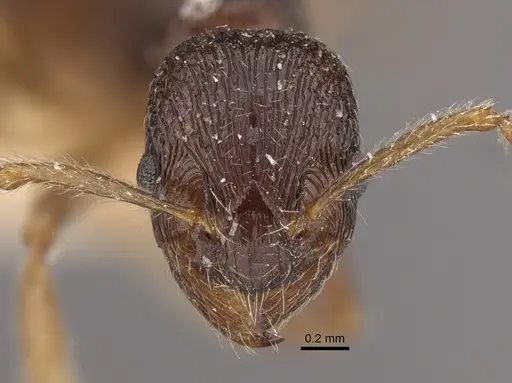
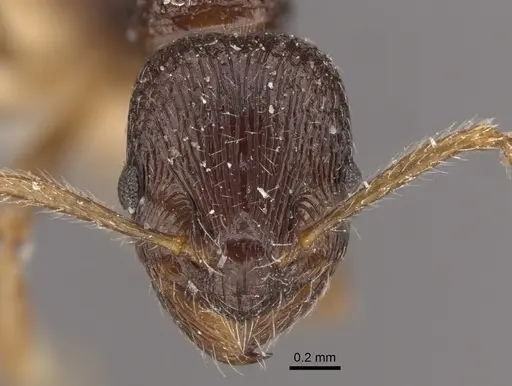
CASENT0917751
View on AntWeb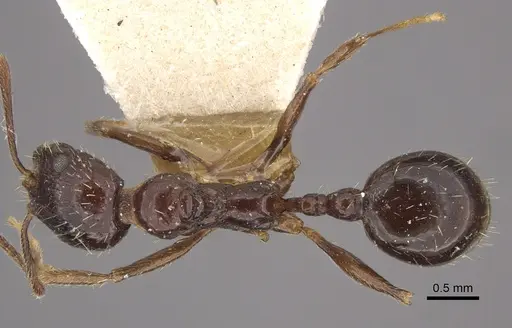
Literature
Loading...Loading products...