

Myrmica quebecensis
- Scientific Name
- Myrmica quebecensis
- Tribe
- Myrmicini
- Subfamily
- Myrmicinae
- Author
- Francoeur, 1981
- Common Name
- Quebec Furrowed Ant
- Distribution
- Found in 2 countries
Myrmica quebecensis Overview
Myrmica quebecensis (commonly known as the Quebec Furrowed Ant) is an ant species of the genus Myrmica. It is primarily documented in 2 countries , including Canada, United States of America. Detailed taxonomic data and occurrence records can be further explored via authoritative databases such as AntWeb or the Global Biodiversity Information Facility (GBIF).
Myrmica quebecensis - "Quebec Furrowed Ant"
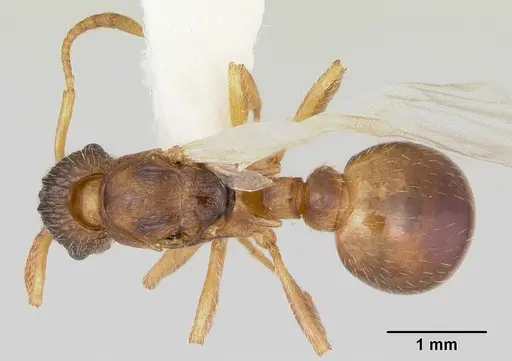
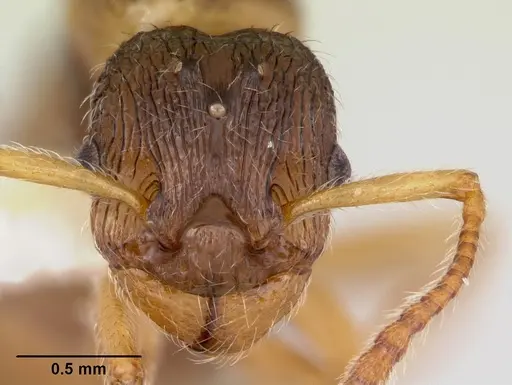
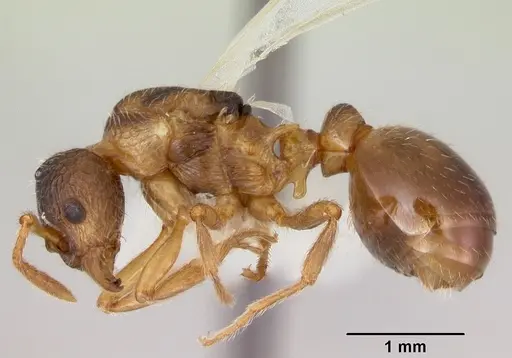
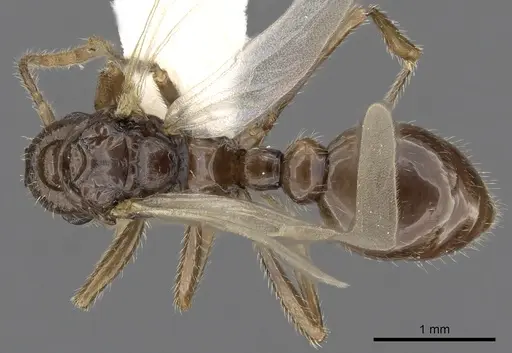
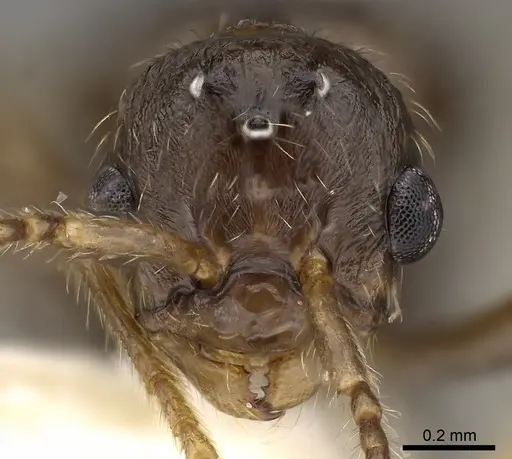
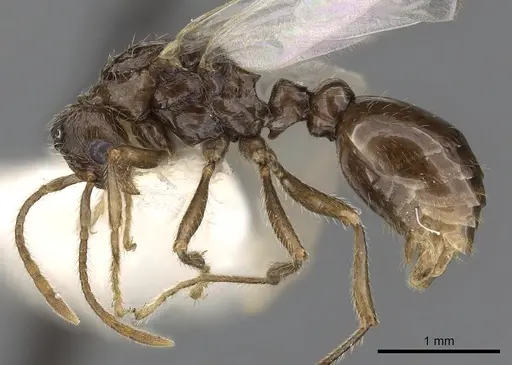
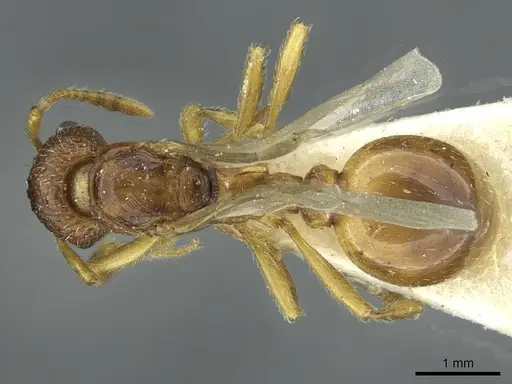
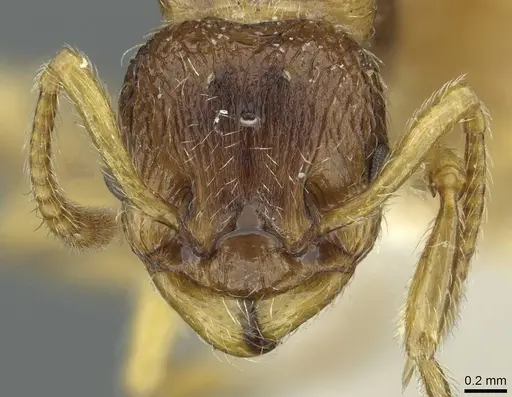
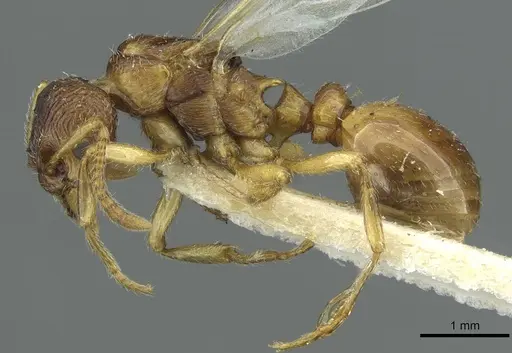
Myrmica quebecensis is a workerless social parasite, one of the rarest and most specialized ants you could attempt to keep. These tiny parasites have no workers of their own and must live entirely within colonies of their host species, Myrmica alaskensis. The queens are wingless (they don't fly), and the species produces only queens and males, no workers at all. You can recognize them by their reduced body sculpture and the distinctive plate-like structure on their rear. They live in boreal coniferous forests across Quebec and into the northeastern United States, where they exploit the host colony's workforce to raise their own brood. This is not a species you can collect and keep like a typical ant, it exists only as a guest in someone else's home.
Quick Summary
- Difficulty: Expert
- Origin & Habitat: Boreal coniferous forests of Quebec, Canada, with records extending into Illinois, New York, Ohio, and Manitoba. Found in aged black spruce forests and peatland forests [1][2][3].
- Colony Type: Workerless permanent social parasite, requires host colony Myrmica alaskensis. Colonies contain multiple parasite queens and males, supported entirely by host workers [1][2].
- Colony: Polygyne
- Queen: Socially parasitic
- Size & Growth:
- Queen: Approximately 4-5mm (estimated from related Myrmica parasites)
- Worker: N/A, workerless species
- Colony: Small colonies with multiple queens and males within host nest [2]
- Growth: Slow, single annual brood cycle
- Development: N/A, no workers produced. Eggs laid in summer, larvae overwinter, adults emerge the following July [2]. (Parasite has a single annual laying period instead of two, consistent with the absence of workers)
- Antkeeping:
- Temperature: Keep host colony at typical Myrmica temperatures: 15-22°C. No specific data for this parasite.
- Humidity: High humidity preferred, boreal forest species. Keep nest substrate moist but not waterlogged.
- Diapause: Yes, larvae overwinter in host colony, resuming development the following year [2].
- Nesting: Cannot be maintained independently. Requires established Myrmica alaskensis colony as host.
- Behavior: Extremely specialized. Queens and males are entirely dependent on host workers for survival, brood care, and food. Mating occurs within the nest or on the surface, no nuptial flight. Host workers care for parasite brood by licking and moving them around [2].
- Common Issues: This species CANNOT be kept without a host colony, it has no workers to survive, Introducing parasite queens to host colonies typically fails, they are killed within 24 hours [2], Very limited distribution makes collection difficult, Protected/vulnerable status, ethical concerns about collection, Even if successfully introduced, the parasite may not establish long-term
Why This Species Is Different
Myrmica quebecensis is what scientists call a 'workerless permanent social parasite', an inquiline. Unlike almost every ant species you could keep, this one has NO workers of its own. The colony consists only of queens (which are wingless, called ergatoids) and males. Every aspect of their lives depends on the host species, Myrmica alaskensis. The host workers do everything: forage for food, care for the brood, maintain the nest, and even feed the parasite queens. This makes M. quebecensis fundamentally different from any typical ant species and presents unique challenges for anyone interested in keeping it. The species is also rare and ranked as vulnerable on the IUCN Red List [3].
The Host Relationship
This parasite specifically targets Myrmica alaskensis, its entire survival depends on this one host species. In the wild, researchers always find M. quebecensis queens and males inside host colonies, surrounded by host workers and large larvae. The host colonies are typically polygynous (have multiple queens), which may help the parasite establish. The parasite queens are distinct enough from host workers that they're easily spotted when inside the nest. Interestingly, the host workers care for the parasite brood just like their own, licking them and moving them around. The parasite larvae develop normally, suggesting they've evolved to manipulate the host's care behavior [2].
Can You Keep This Species?
The short answer is: this is extremely difficult and not recommended. Unlike typical ants where you collect a queen and raise a colony, M. quebecensis cannot survive without a host. You'd need to first establish a healthy Myrmica alaskensis colony, then somehow introduce the parasite, and research shows this rarely works. Dr. Alfred Buschinger tried six times to introduce M. quebecensis queens into normal M. alaskensis colonies (with queen, workers, and brood), and all six parasites were killed within 24 hours. One attempt to introduce them to workers without a queen also failed. Additionally, the species is protected as vulnerable, so collection raises ethical concerns. For all these reasons, this is a species best appreciated in the wild or studied through research rather than kept in captivity [2].
Breeding and Reproduction
What we know about their reproduction comes from lab observations. The parasite produces only queens and males, no workers. In the lab, sub-colonies with the parasite produced only males and females of M. quebecensis, with a female-biased sex ratio (only 7 males out of 45 individuals). The timing is synchronized with the host: parasite larvae are large in early summer, having overwintered as larvae and resumed development. Adults emerge during the first two weeks of July. Then the parasite queens begin laying eggs, this single annual laying period differs from the host species which typically has two laying periods. This makes sense because without workers, the parasite relies entirely on host care. Mating happens inside the nest or on the surface, there's no nuptial flight since the queens are wingless [2].
Frequently Asked Questions
Can I keep Myrmica quebecensis like a normal ant colony?
No. This is a workerless social parasite, it has no workers and cannot survive without a host colony of Myrmica alaskensis. You cannot keep it like typical ants.
What do Myrmica quebecensis queens look like?
They are wingless (ergatoid), about 4-5mm, with reduced body sculpture compared to the host species. They have a distinctive plate-like structure on their petiole (the narrow 'waist' section) that helps identify them.
How do I start a colony of Myrmica quebecensis?
You cannot. This species cannot found its own colony, it must be introduced to an established Myrmica alaskensis host colony, and even then, introductions typically fail. The species is also protected as vulnerable, making collection inappropriate.
Do Myrmica quebecensis ants have workers?
No. This is one of only two known workerless Myrmica species in Quebec. They produce only queens (which are wingless) and males, no workers at all.
What is the host species for Myrmica quebecensis?
Myrmica alaskensis. The parasite is completely dependent on this host, host workers do all the work including foraging, brood care, and feeding the parasite queens.
Where does Myrmica quebecensis live?
In boreal coniferous forests across Quebec, Canada, with records in Illinois, New York, Ohio, and Manitoba. They live inside the nests of their host species, Myrmica alaskensis.
Is Myrmica quebecensis dangerous to keep?
Not dangerous to humans, they're tiny ants with no sting. The issue is they cannot survive in captivity without their host, making them essentially impossible to keep successfully.
Why are Myrmica quebecensis populations declining?
They are vulnerable due to their specialized parasitic lifestyle. They depend entirely on host colonies, which limits their distribution. They also require specific boreal forest habitats that may be affected by climate change and habitat loss.
Do Myrmica quebecensis queens fly?
No. The queens are wingless (ergatoid). They cannot fly to new colonies, instead, they must be introduced to or adopted by existing host colonies.
Can I collect Myrmica quebecensis from the wild?
Not recommended. The species is ranked as vulnerable on the IUCN Red List, making collection ethically questionable. Additionally, you would need to find both the parasite AND a host colony to keep it, which is extremely difficult and the introduction would likely fail.
References

This caresheet is licensed under CC BY-SA 4.0 .
Literature
Loading...Loading products...