

Myrmica alaskensis
- Scientific Name
- Myrmica alaskensis
- Tribe
- Myrmicini
- Subfamily
- Myrmicinae
- Author
- Wheeler, 1917
- Common Name
- Alaskan Furrowed Ant
- Distribution
- Found in 2 countries
Myrmica alaskensis Overview
Myrmica alaskensis (commonly known as the Alaskan Furrowed Ant) is an ant species of the genus Myrmica. It is primarily documented in 2 countries , including Canada, United States of America. Detailed taxonomic data and occurrence records can be further explored via authoritative databases such as AntWeb or the Global Biodiversity Information Facility (GBIF).
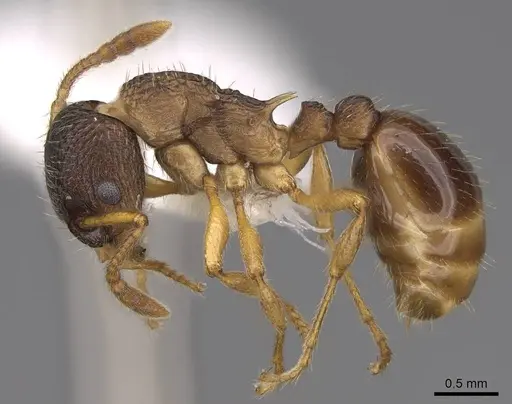
Myrmica alaskensis - "Alaskan Furrowed Ant"
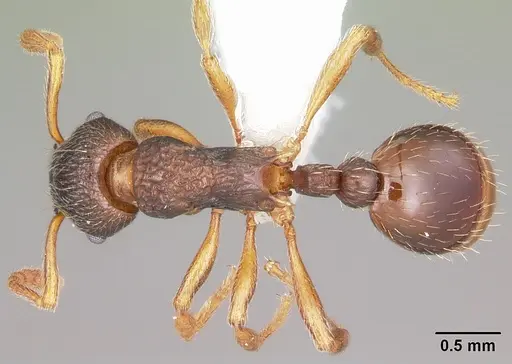
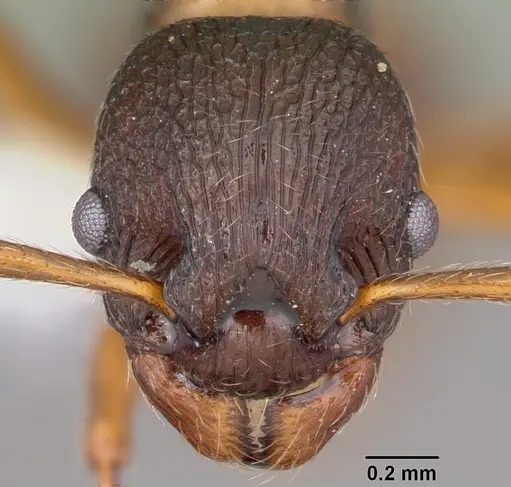
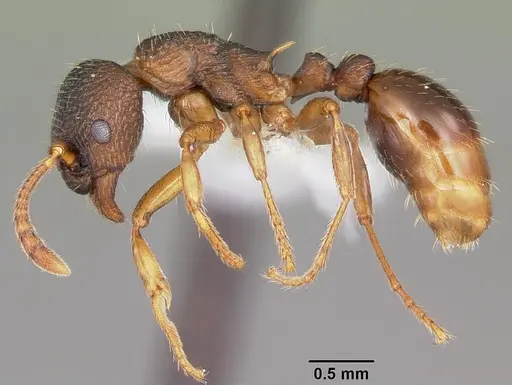
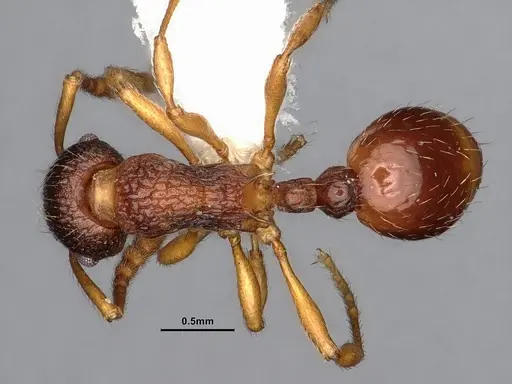
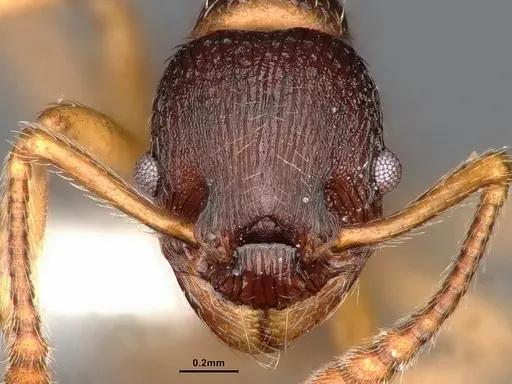
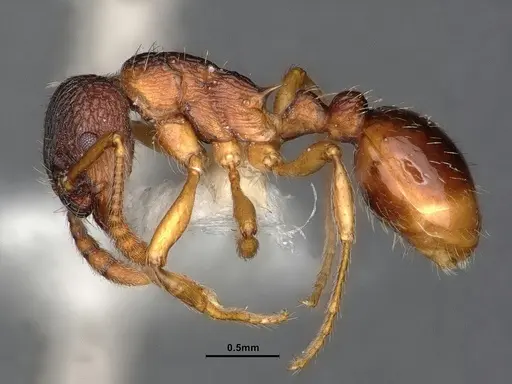
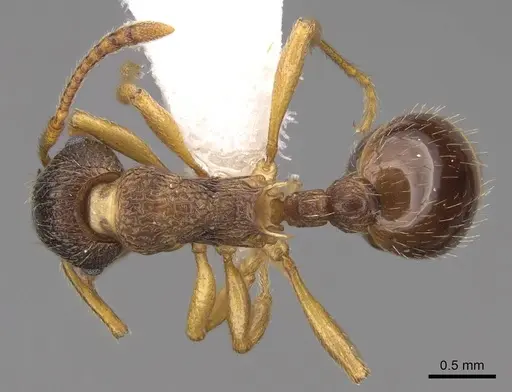
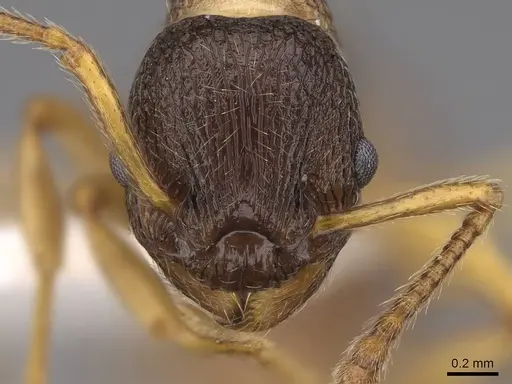
Myrmica alaskensis is a small, reddish-brown ant native to the boreal forests of northern North America. Workers measure around 4-6mm and have the characteristic two-segmented waist (petiole and postpetiole) typical of Myrmica ants. The postpetiole has a mostly smooth, shiny central area. This species is a cold-climate specialist found throughout the transcontinental boreal coniferous forest biome, from Alaska across Canada to the northeastern United States. It is one of the most abundant and widely distributed ants in boreal regions, occurring in diverse habitats including old fields, peat bogs, cedar forests, and sand hills [1][2]. Notably, M. alaskensis serves as a host for the parasitic ants Myrmica quebecensis and Myrmica lampra, as well as the xenobiotic ant Formicoxenus quebecensis [3][4][5].
Quick Summary
- Difficulty: Medium
- Origin & Habitat: Boreal forests of northern North America, from Alaska across Canada to the northeastern US. Found near tree-line in Churchill, Manitoba and Quebec at 55°N and higher. Prefers dead wood in moist, shaded forest habitats with mineral soil and tree-dominated vegetation [2][6][7].
- Colony Type: Facultatively polygynous, colonies can have multiple queens working together. Worker monomorphism (all workers are the same size) [8][9].
- Colony: Optionally polygyne
- Founding: Claustral
- Size & Growth:
- Queen: Estimated 6-8mm based on genus Myrmica patterns
- Worker: Estimated 4-6mm based on genus Myrmica patterns
- Colony: Likely several hundred workers based on similar boreal Myrmica species
- Growth: Moderate, typical for Myrmica genus
- Development: Estimated 6-10 weeks at optimal temperature based on related Myrmica species (Development time is temperature-dependent, cooler northern conditions may extend timeline)
- Antkeeping:
- Temperature: Keep cool, aim for 15-20°C. This is a boreal species adapted to cold conditions. Avoid temperatures above 25°C. Room temperature (18-22°C) is ideal [10][6].
- Humidity: Requires moderate to high humidity. Keep nest substrate consistently moist but not waterlogged. They prefer microhabitats that maintain moisture, and royal chambers are often found along tree roots where aphids are tended [11][6].
- Diapause: Yes, this subarctic species requires hibernation. Keep colonies at 5-10°C for 3-4 months during winter, mimicking natural conditions [10][9].
- Nesting: Prefers dead wood, stumps and decaying logs work well. They also nest under stones, in moss, and in soil. In captivity, a naturalistic setup with dead wood pieces or a Y-tong/plaster nest with moisture retention works well. They prefer decay classes 3-4 (moderately decayed wood) and often build nests at the interface between dead wood and ground [12][11][6].
- Behavior: Generally non-aggressive but will defend their nest if threatened. Workers are active foragers, both collecting honeydew from aphids and hunting small invertebrates. They are cold-tolerant and remain active at lower temperatures than many ant species. As a small ant (4-6mm), escape prevention is important, they can squeeze through small gaps. They are not known for painful stings, though they have a stinger like all Myrmica species [1].
- Common Issues: colonies may fail if kept too warm, this boreal species prefers cool conditions, escape prevention is important due to their small size, wild-caught colonies may carry social parasites (M. quebecensis, M. lampra, F. quebecensis) that could invade the colony, slow growth compared to tropical species may frustrate beginners, hibernation is required, improper overwintering often kills colonies
Housing and Nest Setup
Myrmica alaskensis prefers nesting in dead wood, making naturalistic setups ideal. Use moderately decayed wood pieces (decay classes 3-4) in contact with moist soil. They particularly favor stumps and the base of dead logs where the wood meets the ground. In captivity, you can use a Y-tong (acrylic) nest with a dirt chamber, or a plaster nest that retains moisture well. Whatever setup you choose, ensure the nest area stays consistently damp but never soggy. Place the nest in a cool area of your room, this species thrives at temperatures that might feel too cold for tropical ants. A small water reservoir connected to the nest helps maintain humidity. The outworld can be simple, a shallow foraging area where you offer food. Because they are small ants, ensure all connections and barriers are tight-fitting [12][11][6].
Feeding and Diet
Like other Myrmica species, M. alaskensis is omnivorous with a preference for protein. Workers tend aphids in nature and will readily accept sugar water or honey. For protein, offer small insects like fruit flies, small crickets, or mealworms. They will also accept other small invertebrates. Feed them a few times per week, offer protein when the previous prey has been consumed. Keep a constant supply of sugar water or honey water available. In the wild, they build galleries along tree roots specifically to tend aphids, so providing opportunities for honeydew collection is appreciated. Remove any uneaten prey after 24-48 hours to prevent mold [6].
Temperature and Seasonal Care
This is a cold-climate specialist that thrives at temperatures between 15-20°C. Room temperature in most homes (18-22°C) is perfect. Avoid keeping them warm, temperatures above 25°C can stress this species. In winter, they require a proper hibernation period of 3-4 months at 5-10°C. This mimics their natural cycle in subarctic and boreal environments where they experience long, cold winters. During hibernation, keep the colony in a cool location like an unheated garage or basement. Reduce feeding during this period and keep the nest slightly moist but not wet. Do not feed them during hibernation. Bring them back to room temperature gradually in spring [10][9].
Colony Structure and Multi-Queen Care
Myrmica alaskensis is facultatively polygynous, meaning colonies can have either a single queen or multiple queens working together. In the wild, polygynous colonies (multiple queens) are commonly observed. If you start with a single queen, she will establish a colony alone. If you acquire a colony with multiple queens, they typically coexist peacefully. Unlike some species where queens fight, M. alaskensis queens can share a colony. This can lead to faster colony growth since multiple egg-layers mean more workers being produced. However, even single-queen colonies can thrive, they are not dependent on multiple queens. Worker monomorphism means all your workers will be roughly the same size, unlike some ants that have major and minor workers [8][9][10].
Behavior and Foraging
Workers are active foragers that will search for both sugar sources and prey. They are cold-tolerant and remain active at temperatures where many ant species would be sluggish or dormant. In the wild, they often build extensive underground galleries along tree roots to access aphid colonies. This behavior may manifest in captivity as workers exploring beyond the nest area extensively. They are not particularly aggressive but will bite if their nest is threatened. Their small size (4-6mm) means they can escape through tiny gaps, use fine mesh and tight-fitting barriers. They are not known for painful stings, though all Myrmica ants possess a stinger. Workers may live for several years, while queens can live 10-15 years or more in optimal conditions [1][6].
Frequently Asked Questions
Can I keep Myrmica alaskensis in a test tube?
Test tubes can work for founding colonies, but they prefer wood-based nests. If using test tubes, ensure good humidity and consider adding a small piece of damp cotton. However, a naturalistic setup with dead wood or a Y-tong nest better matches their natural preferences. Test tubes are fine for the founding stage but consider moving them to a more suitable setup once the colony grows.
How long until first workers appear?
Expect first workers (nanitics) in about 6-10 weeks at room temperature (18-22°C). This is typical for Myrmica species. The queen will lay eggs, which develop through larval and pupal stages before emerging as workers. Development is slower than tropical species due to their cold-adapted nature. Be patient, the first few workers will be smaller than mature workers.
Do Myrmica alaskensis need hibernation?
Yes, absolutely. This is a subarctic species that requires 3-4 months of cold storage each winter. Keep them at 5-10°C from late fall through early spring. An unheated garage or basement works well. Reduce food and keep the nest slightly moist during this period. Without proper hibernation, colonies will weaken and may die.
Can I keep multiple queens together?
Yes, this species is facultatively polygynous, meaning multiple queens can coexist in a single colony. Wild colonies often have multiple queens. If you have an established polygynous colony, do not separate the queens, they work together peacefully. If starting with multiple foundress queens, they can be introduced together, though watch for initial aggression.
How big do Myrmica alaskensis colonies get?
Colonies typically reach several hundred workers. Based on similar boreal Myrmica species, expect moderate growth over several years. A mature colony may have 300-500+ workers. Growth is slower than tropical ants due to their cold-adapted metabolism and the required hibernation period.
What temperature should I keep them at?
Keep them cool, 15-20°C is ideal. Room temperature (18-22°C) works well. Avoid heat sources and temperatures above 25°C. This species is adapted to boreal conditions and prefers temperatures that would be too cold for most tropical ants. A cool room or shaded area of your ant room is perfect.
Are Myrmica alaskensis good for beginners?
They are moderate difficulty. The main challenges are their need for cool temperatures and proper hibernation. If you can provide a cool space and manage the winter dormancy period, they are rewarding. Their small size requires good escape prevention. They are not as forgiving as some temperate species but not as demanding as tropical ants.
Why are my ants dying?
Common causes include: too warm temperatures (keep below 25°C), improper humidity (too dry or waterlogged), lack of hibernation, or stress from frequent disturbances. Wild-caught colonies may also carry social parasites. Check that your setup matches their preference for cool, moist, wood-based nesting sites. Ensure they have protein food and sugar water available.
Do Myrmica alaskensis ants sting?
Yes, they have a stinger like all Myrmica ants, but they are not aggressive and rarely sting. The sting is mild and not medically significant for most people. They will only sting if directly threatened or handled roughly. For antkeepers, this makes them a safe choice.
What do I feed Myrmica alaskensis?
Offer a balanced diet: protein (small insects like fruit flies, pinhead crickets, mealworms) 2-3 times per week, and constant access to sugar sources (honey water, sugar water). They also appreciate honeydew if you can provide aphid colonies. Remove uneaten prey after a day to prevent mold.
References

This caresheet is licensed under CC BY-SA 4.0 .
Literature
Loading...Loading products...