

Myrmica pinetorum
- Scientific Name
- Myrmica pinetorum
- Tribe
- Myrmicini
- Subfamily
- Myrmicinae
- Author
- Wheeler, 1905
- Common Name
- Ant Of The Pines
- Distribution
- Found in 2 countries
Myrmica pinetorum Overview
Myrmica pinetorum (commonly known as the Ant Of The Pines) is an ant species of the genus Myrmica. It is primarily documented in 2 countries , including Canada, United States of America. Detailed taxonomic data and occurrence records can be further explored via authoritative databases such as AntWeb or the Global Biodiversity Information Facility (GBIF).
Myrmica pinetorum - "Ant Of The Pines"
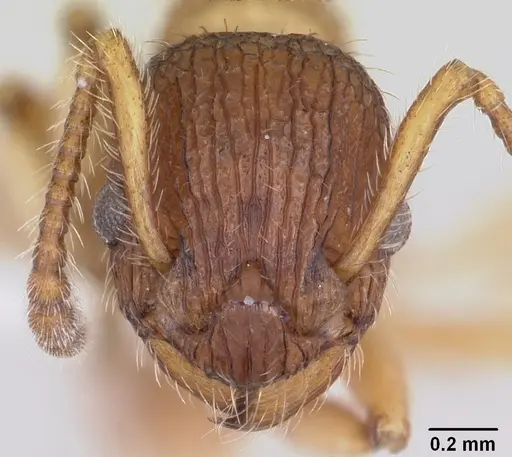
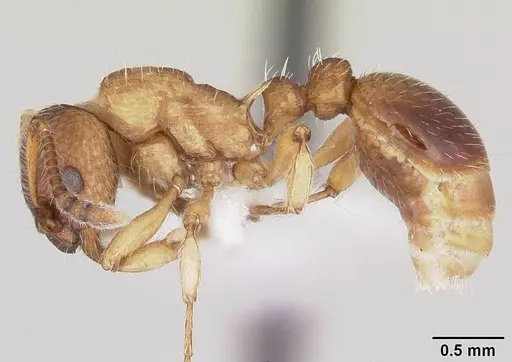
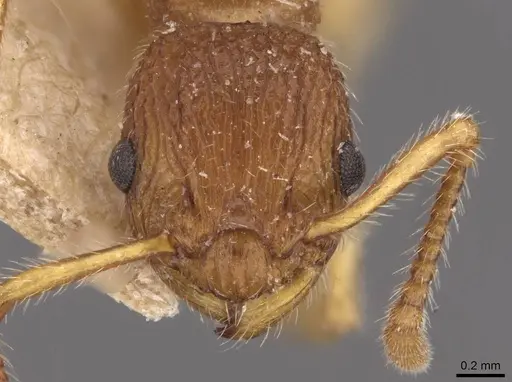
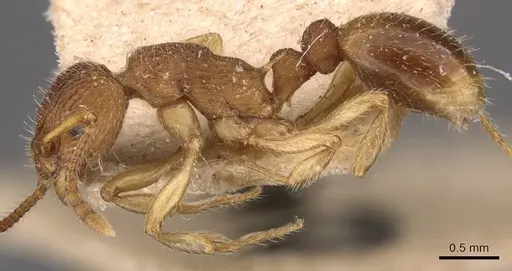
Myrmica pinetorum is a small, reddish-brown ant native to eastern North America. Workers measure 3.5-4.4mm with a distinctly sculptured body featuring short propodeal spines and delicate body sculpture. This species closely resembles its relative Myrmica punctiventris but averages smaller with larger frontal lobes and shorter scapes. They are forest dwellers associated with the eastern deciduous biome, found in coniferous, mixed, and open deciduous woods ranging from dry to moderately humid conditions. Colonies are notably small, typically containing fewer than 50 workers, making them one of the more modest Myrmica species in colony size. They construct nests in various soil types, sandy, earthy, or rocky, often under leaf litter, moss, lichens, or rocks, and occasionally in cavities within dead wood. A unique behavior includes building small carton turrets at nest entrances using soil particles [1][2].
Quick Summary
- Difficulty: Easy
- Origin & Habitat: Eastern North America, from southern Canada south to the US Gulf states. Found in coniferous, mixed, and rather open deciduous woods, from dry to more humid conditions [1][2].
- Colony Type: Single-queen colonies (monogyne). Colonies are small with typically fewer than 50 workers [3][2].
- Colony: Monogyne
- Founding: Claustral
- Size & Growth:
- Queen: 0.81-1.01mm head width [1]
- Worker: 3.5-4.4mm total length,0.77-0.94mm head width [2][1]
- Colony: Up to approximately 50 workers, small colonies [2][4]
- Growth: Moderate, typical for Myrmica species
- Development: 6-10 weeks at optimal temperature (estimated based on genus-level Myrmica data) (Development time is inferred from related Myrmica species. Temperature affects development speed significantly.)
- Antkeeping:
- Temperature: Keep at 20-24°C. They tolerate a range from roughly 18-26°C. Being a forest species from temperate eastern North America, they prefer cooler conditions than tropical ants [1][2].
- Humidity: Moderate humidity around 50-70%. Keep the nest substrate moist but not waterlogged. They naturally nest under leaf litter and rocks in forest floor conditions [1].
- Diapause: Yes, they require a winter dormancy period. As a temperate forest species, provide 3-4 months of cold conditions around 5-10°C during winter [2].
- Nesting: Prefers naturalistic setups that mimic forest floor conditions. Works well with test tubes with cotton, Y-tong nests, or plaster nests with moisture chambers. Provide some cover and avoid overly bright conditions. They will build carton turrets if given loose substrate [2][1].
- Behavior: Workers are active foragers on the ground in woods and at woodland edges. They are primarily carnivorous but also feed on plant exudates like nectar. This is a non-aggressive species with small colonies, they are not major stingers and pose no danger to keepers. Escape risk is moderate since workers are 3.5-4.4mm, standard test tube setups work well but ensure tight-fitting lids. They are natural habitat specialists, preferring undisturbed forest floor environments over open or urban areas [2][1][5].
- Common Issues: small colony size means they develop slowly and beginners may lose patience, they are sensitive to disturbance, avoid frequent nest inspections, requires winter dormancy or colony health may decline, wild-caught colonies may have parasites that can kill them in captivity, they prefer forest floor conditions, overly dry or bright environments cause stress
Nest Preferences and Housing
Myrmica pinetorum does well in setups that replicate their natural forest floor habitat. Test tubes with a water reservoir work fine for founding colonies, use a cotton ball to separate the water from the ants, keeping it snug but not compressed. Once the colony reaches 20+ workers, you can move them to a Y-tong (acrylic) nest or a plaster nest with moisture chambers. These ants prefer some darkness and cover, so place the nest in a shaded area of your setup. They are known to build small carton turrets at nest entrances when given loose soil substrate, so a naturalistic setup with a soil chamber can encourage this natural behavior. Avoid very dry environments, they naturally nest under leaf litter and rocks where moisture is consistent [2][1].
Feeding and Diet
In the wild, Myrmica pinetorum is primarily carnivorous but also feeds on plant exudates like nectar. For captive care, offer protein sources like small insects (fruit flies, small mealworms, crickets) twice weekly. They will also accept sugar water, honey, or nectar substitutes, offer these sugar sources regularly since they supplement their diet with carbohydrates. Remove any uneaten prey after 24-48 hours to prevent mold. Because colonies stay small (typically under 50 workers), avoid overfeeding, a few small prey items per week is sufficient. Fresh water should always be available [5][2].
Temperature and Seasonal Care
Keep your colony at 20-24°C for optimal activity and brood development. As a forest species from eastern North America, they prefer cooler temperatures than many tropical ants and will become sluggish above 26°C. During the summer active season, room temperature in the low 20s°C is ideal. In winter, they require a dormancy period, this is essential for colony health. Provide 3-4 months of cold conditions around 5-10°C (a refrigerator or cold garage works well). Reduce feeding during this period and keep the nest slightly moist but not wet. Do not skip the winter dormancy as it can weaken the colony over time [2][1].
Behavior and Colony Dynamics
This is a calm, non-aggressive species that forms small colonies. Workers forage individually on the ground surface, searching for prey and nectar. Unlike some Myrmica species, they do not form massive supercolonies, expect your colony to max out around 50 workers even in established setups. Queens are monogyne (single-queen), and colonies typically have one active egg-laying queen. Workers are not particularly defensive and rarely sting, they pose no danger to keepers. Because they are small (3.5-4.4mm), standard escape prevention with tight-fitting lids is sufficient. They prefer quiet, undisturbed locations, avoid placing their setup in high-traffic areas or direct sunlight [2][3][1].
Growth and Development
Myrmica pinetorum colonies grow slowly compared to many common ant species. A newly mated queen will seal herself in a claustral chamber and raise her first brood using stored energy reserves. The first workers (nanitics) will emerge roughly 6-10 weeks later, depending on temperature. Growth from there is gradual, expect several months to reach 10 workers, and a year or more to approach the typical colony maximum of 50 workers. This slow growth is normal for the species and reflects their natural history as small-colony forest ants. Be patient and avoid the temptation to overfeed, which can lead to mold problems in small colonies [2][4].
Frequently Asked Questions
How long does it take for Myrmica pinetorum to produce first workers?
Expect 6-10 weeks from egg to first worker at optimal temperature (around 20-24°C). This is typical for Myrmica species, the queen seals herself in and raises the first brood alone using stored fat reserves.
Can I keep multiple Myrmica pinetorum queens together?
No, this species is monogyne, meaning colonies have a single queen. Multiple unrelated queens will fight. Only introduce a second queen during the very brief pleometrosis window if documented, which is not the case for this species.
Do Myrmica pinetorum ants sting?
They can sting but rarely do. Their sting is not medically significant and poses no danger to humans. They are among the more docile ant species commonly kept.
What do I feed Myrmica pinetorum?
Offer small insects (fruit flies, pinhead crickets, small mealworms) as protein twice weekly. Also provide constant access to sugar water, honey, or nectar. They are primarily carnivorous but supplement with plant sugars.
Do Myrmica pinetorum need hibernation?
Yes, as a temperate forest species from eastern North America, they require a winter dormancy period of 3-4 months at 5-10°C. Skip this and the colony may weaken or die over time.
How big do Myrmica pinetorum colonies get?
They remain small, typically fewer than 50 workers even in mature colonies. This is one of the smaller Myrmica species in terms of colony size.
Are Myrmica pinetorum good for beginners?
Yes, they are relatively easy to care for, non-aggressive, and have modest space requirements. The main challenges are their slow growth and need for winter dormancy, which require patience.
When should I move my colony to a formicarium?
Move them once they reach 15-20 workers and the test tube setup feels cramped. A Y-tong or plaster nest with moisture chambers works well. They prefer darker, quieter locations.
Why are my Myrmica pinetorum dying?
Common causes include: too dry conditions (they need moist substrate), no winter dormancy, disturbance from frequent inspections, parasites from wild-caught colonies, or overheating (they prefer 20-24°C, not hot conditions).
References

This caresheet is licensed under CC BY-SA 4.0 .
CASENT0104883
View on AntWeb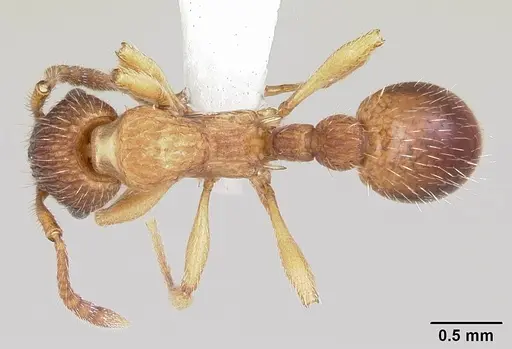
CASENT0907643
View on AntWeb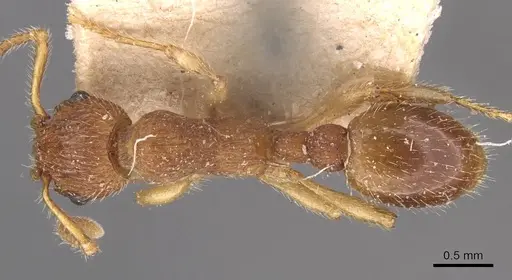
Literature
Loading...Loading products...