

Myrmica punctiventris
- Scientific Name
- Myrmica punctiventris
- Tribe
- Myrmicini
- Subfamily
- Myrmicinae
- Author
- Roger, 1863
- Common Name
- Punctured Ant
- Distribution
- Found in 2 countries
Myrmica punctiventris Overview
Myrmica punctiventris (commonly known as the Punctured Ant) is an ant species of the genus Myrmica. It is primarily documented in 2 countries , including Canada, United States of America. Detailed taxonomic data and occurrence records can be further explored via authoritative databases such as AntWeb or the Global Biodiversity Information Facility (GBIF).
Myrmica punctiventris - "Punctured Ant"
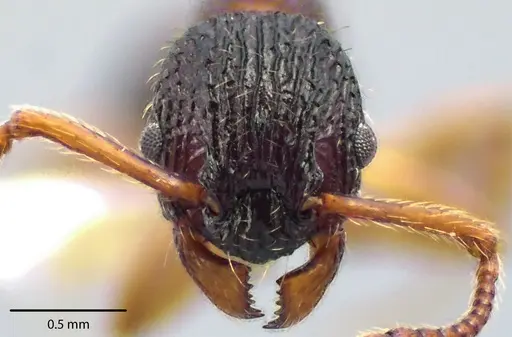
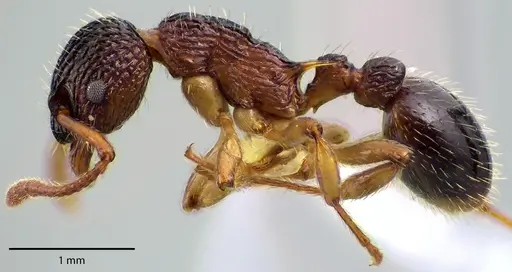
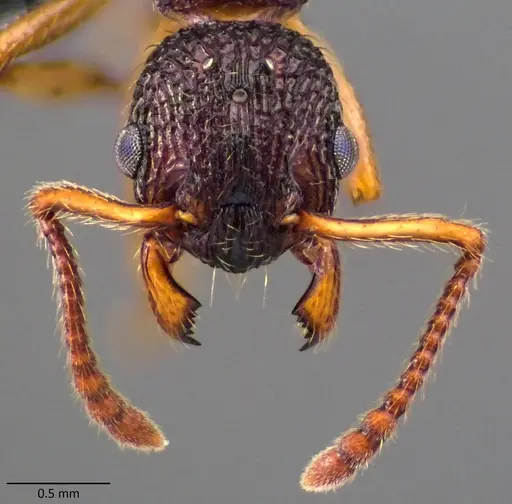
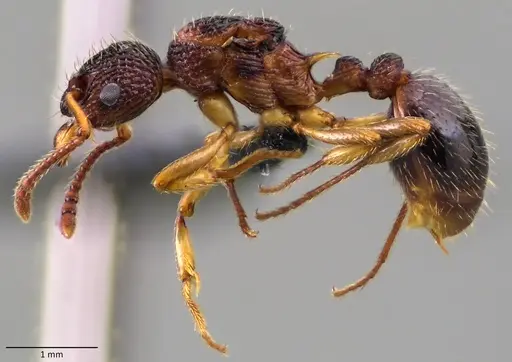
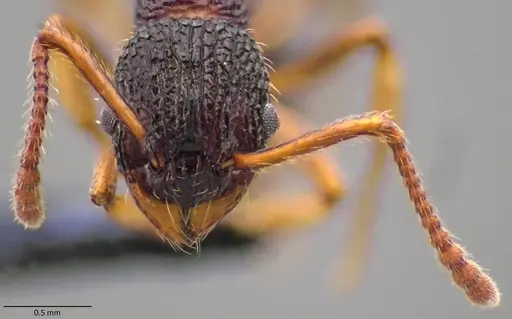
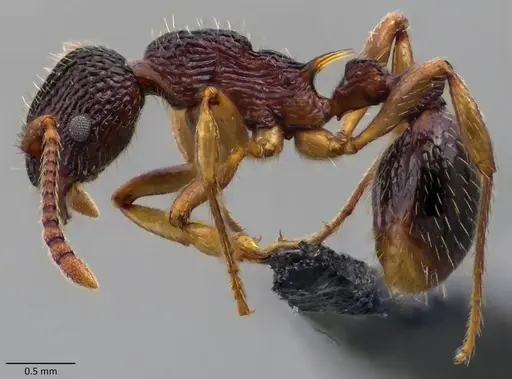
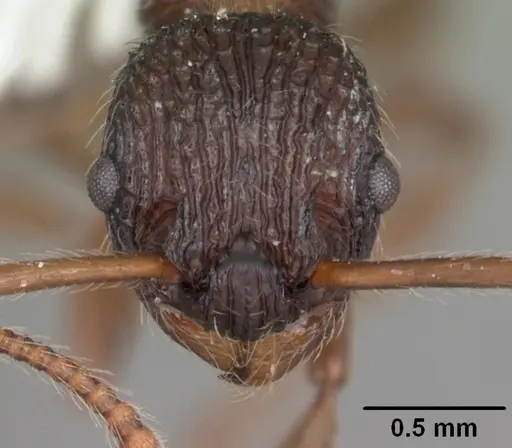
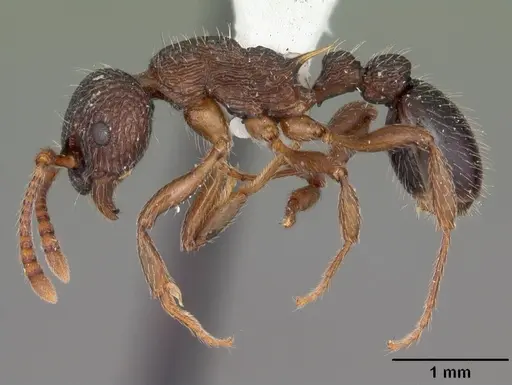
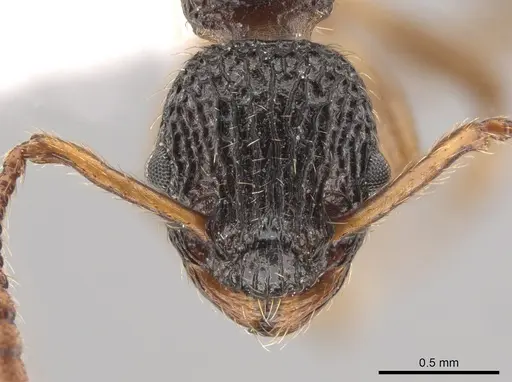
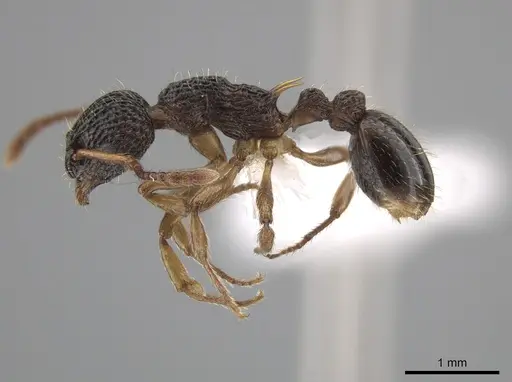
Myrmica punctiventris is a small to medium-sized ant native to eastern North America, ranging from southern Canada down to the US Gulf states [1][2]. Workers measure 4.4-5.5mm and have a distinctive dark reddish-brown to brownish-black coloration with notably long propodeal spines that angle downward [3][2]. This species is a forest dweller strongly associated with the eastern deciduous forest biome, found in habitats including maple forests, mixed hardwoods, oak-hickory stands, and occasionally bogs [2]. One of the most distinctive behaviors of this species is its unusual nesting habits, colonies frequently nest inside acorns and hickory nuts, and some populations exhibit seasonal polydomy, meaning they maintain multiple nest sites that workers move between throughout the year [3][4].
Quick Summary
- Difficulty: Medium
- Origin & Habitat: Eastern North America from southern Canada to US Gulf states. Primarily a forest species found in deciduous and mixed hardwood forests including maple, oak, oak-hickory, and pine stands. Prefers mesic (moderately moist) partly open woods but can tolerate conditions from dry to humid [2][3].
- Colony Type: Polygynous (multiple queens per colony) with documented polydomous colony structure, colonies maintain multiple nest sites that can be moved seasonally [5][6][4]. Some colonies may have single queens while others have multiple, showing flexibility in social organization [3].
- Colony: Optionally polygyne
- Founding: Claustral
- Size & Growth:
- Queen: HW 0.96-1.07mm (mean 1.03mm) [2]
- Worker: 4.4-5.5mm total length, HW 0.81-1.01mm (mean 0.93mm) [3][2]
- Colony: Small colonies up to approximately 68 workers reported in some populations, though colony sizes vary significantly [3]
- Growth: Moderate, typical for Myrmica genus
- Development: Estimated 6-10 weeks based on typical Myrmica development patterns at room temperature (Development times not specifically documented for this species, estimates based on related Myrmica species)
- Antkeeping:
- Temperature: Keep nest area at 20-24°C. Research shows colonies with fewer than 50 workers maintain nest temperatures between 16-21°C in temperate regions [7]. Provide a gentle temperature gradient allowing workers to choose their preferred warmth [8]
- Humidity: Moderate to high humidity preferred, this is a forest species associated with mesic conditions. Keep substrate consistently moist but not waterlogged. Provide a water tube as primary moisture source [2][3]
- Diapause: Yes, requires hibernation period. As a temperate forest species native to northern latitudes, colonies need a winter rest period of approximately 3-4 months at temperatures around 5-10°C [9]
- Nesting: This species nests in small cavities, in nature they use soil under litter, moss, rocks, acorns, hickory nuts, and occasionally rotting wood [2][3]. For captivity, a small formicarium or test tube setup with close-fitting chambers works well. The small colony size means avoid overly large nests. They may benefit from having small cavities like acorn caps or small chambers available [2]
- Behavior: Workers are foragers on the ground, bark, and foliage. They primarily hunt small prey and collect dead insects, but also tend aphids for honeydew and collect myrmecochorous seeds (seeds with nutritious fat bodies) [3][10]. Workers can become temporarily immobile when disturbed, a defensive immobility response [3]. They show seasonal polydomy, moving between nest sites every 5-26 days [3]. Escape risk is moderate, workers are small but not extremely tiny, standard escape prevention measures are adequate. They are not aggressive but will sting if handled roughly [9].
- Common Issues: small colony size means slow growth, beginners may lose patience and overfeed, causing mold issues, polydomous behavior may lead workers to explore and escape if given the opportunity, ensure secure boundaries, nests in acorns and small cavities means they need appropriately sized chambers, too large spaces may cause stress, humidity control is important, too dry and brood dies, too wet and mold becomes a problem, hibernation is required for this temperate species, improper cooling can kill colonies
Housing and Nest Setup
Myrmica punctiventris is a small forest ant that needs appropriately scaled housing. In the wild, they nest in soil under leaf litter, moss, and rocks, inside acorns and hickory nuts, and occasionally in rotting wood fragments [2]. For captivity, a small formicarium with narrow chambers or a test tube setup works well. The key is providing small, snug chambers, these ants don't need large open spaces. A Y-tong (AAC) nest with tight chambers or a small plaster/naturalistic setup mimics their natural cavities. Because they exhibit polydomy (multiple nest sites) in the wild, you might consider providing a small outworld connected to the nest area for foraging. Use standard escape prevention, while not tiny, they can still squeeze through small gaps [3].
Feeding and Diet
Myrmica punctiventris is primarily carnivorous, hunting small prey and scavanging dead insects in the wild [10]. They also feed on plant exudates including nectar and are known to tend aphids for honeydew, they are documented mutualists with several aphid species including Aphis illinoisensis, Aphis lugentis, and Drepanaphis nigran [11]. Additionally, they participate in myrmecochory, they collect and disperse seeds from plants that have evolved nutritious fat bodies (elaiosomes) attached to their seeds [3]. In captivity, offer small live prey like fruit flies, pinhead crickets, or small mealworms twice weekly. Sugar water or honey can be offered occasionally, though protein-rich foods should form the main diet. Avoid overfeeding, small colonies are prone to mold problems [3][12].
Temperature and Seasonal Care
Keep the nest area at 20-24°C, which aligns with their temperate forest origin and the documented nest temperatures of 16-21°C for small colonies [7]. A heating cable on one side of the nest can create a temperature gradient, allowing workers to regulate their own temperature by moving between warmer and cooler areas. This species requires a winter diapause period, plan for 3-4 months of cold conditions around 5-10°C during winter. This mimics their natural cycle in eastern North American forests and is essential for colony health and reproduction. Reduce feeding during the hibernation period and do not disturb the colony unnecessarily [9][3].
Colony Structure and Behavior
One of the most fascinating aspects of Myrmica punctiventris is their complex social organization. They are polygynous, meaning colonies can have multiple egg-laying queens [5][6]. Perhaps more remarkably, they exhibit polydomy, colonies maintain multiple nest sites and move between them seasonally, typically relocating every 5-26 days [3]. This is unusual among ants and makes them interesting to observe. Workers are foragers that search for food both on the ground and sometimes on vegetation. When disturbed, they may exhibit defensive immobility, becoming temporarily motionless [3]. They are not particularly aggressive but possess a sting that can be used if threatened. The colony structure can shift over time, research has shown that populations change through time and don't settle into stable, predictable traits [9].
Growth and Development
Colony growth is relatively slow compared to some tropical ants. Based on typical Myrmica development patterns, expect 6-10 weeks from egg to first worker at optimal temperatures. Queens are slightly larger than workers (HW 0.96-1.07mm vs worker HW 0.81-1.01mm) and have the typical Myrmica morphology with three ocelli and modified mesosoma for flight [2]. Males and females are produced seasonally, males appear from August through November while new queens (females) appear from late August through October [3]. In the wild, colonies are small, typically with fewer than 100 workers. The small colony size means keepers should be patient, rapid growth should not be expected, and overfeeding small colonies often causes more problems than underfeeding [3].
Frequently Asked Questions
How long does it take for Myrmica punctiventris to produce first workers?
Based on typical Myrmica development, expect 6-10 weeks from egg to first worker at room temperature (around 20-24°C). This is a slow-growing species by ant standards, so patience is required.
Can I keep multiple queens together in one colony?
Yes, Myrmica punctiventris is polygynous, meaning colonies naturally can have multiple queens. However, if you're introducing an unrelated queen to an established colony, introduce her carefully and monitor for aggression. Single-queen colonies are also viable since the species shows flexibility in colony structure [5][6].
Do Myrmica punctiventris ants need hibernation?
Yes, as a temperate forest species from eastern North America, they require a winter dormancy period. Provide 3-4 months at temperatures around 5-10°C during winter months. This is essential for colony health and triggering reproductive cycles [9].
What do Myrmica punctiventris eat?
They are primarily carnivorous, hunting small insects and scavenging. They also feed on sugar sources like honeydew from aphids and will accept sugar water or honey. In captivity, offer small live prey (fruit flies, pinhead crickets) twice weekly, with occasional sugar water [3][10].
Are Myrmica punctiventris good for beginners?
They are rated as medium difficulty. They're not the easiest starter species, but their small colony size and moderate requirements make them manageable for intermediate antkeepers. The main challenges are their slow growth, need for hibernation, and ensuring appropriate small-scale housing [3].
Why do my ants keep moving or escaping?
This species naturally exhibits polydomy, they move between multiple nest sites in the wild, relocating every 5-26 days. This exploratory behavior is normal but means you need secure boundaries. They may also explore more if nest conditions aren't ideal (too dry, too hot, or too large spaces) [3][4].
Do Myrmica punctiventris ants sting?
Yes, they have a stinger but are not aggressive. They will only sting if handled roughly or if their nest is threatened. The sting is mild for most people, comparable to other small Myrmica species [9].
How big do Myrmica punctiventris colonies get?
Colonies remain relatively small. Natural colonies typically reach up to 50-100 workers, with one study reporting up to 68 workers [3]. They are not a large colony species, so don't expect massive numbers. In captivity, well-established colonies might eventually reach a few hundred workers [3].
References

This caresheet is licensed under CC BY-SA 4.0 .
ANTWEB1041585
View on AntWeb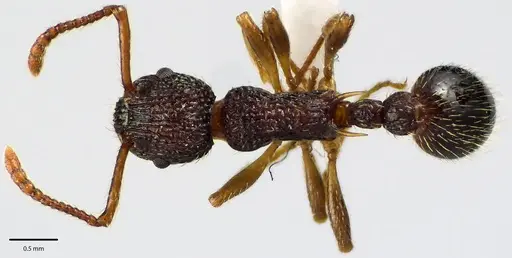
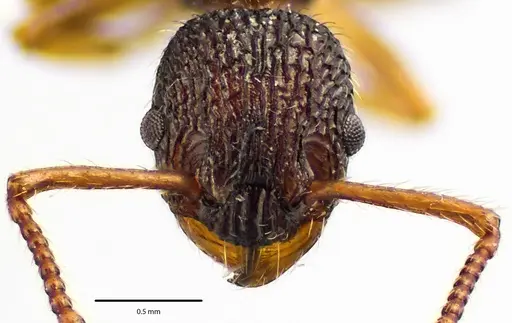
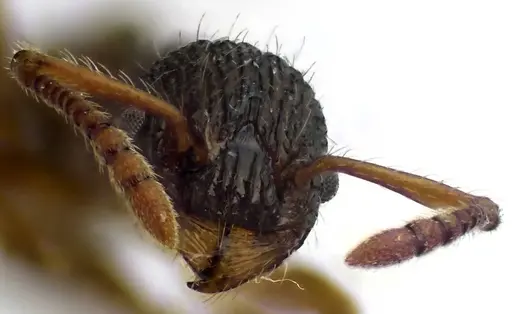
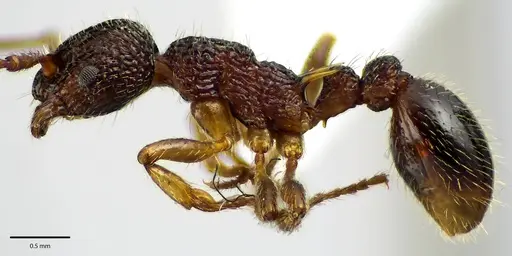
ANTWEB1041705
View on AntWeb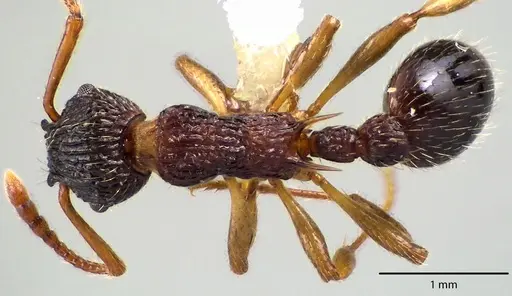
ANTWEB1060081
View on AntWeb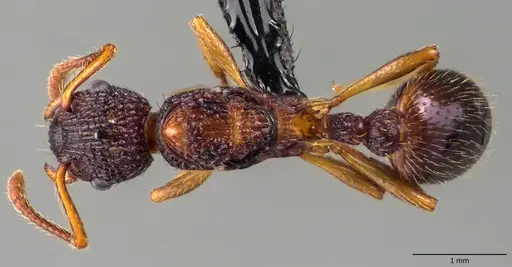
ANTWEB1060091
View on AntWeb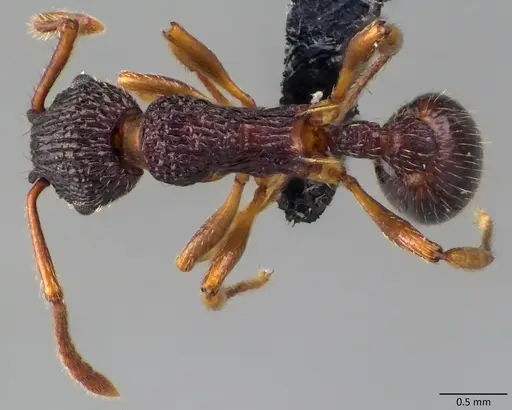
CASENT0104128
View on AntWeb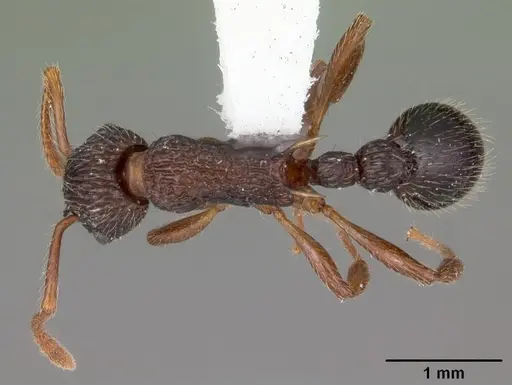
CASENT0648392
View on AntWeb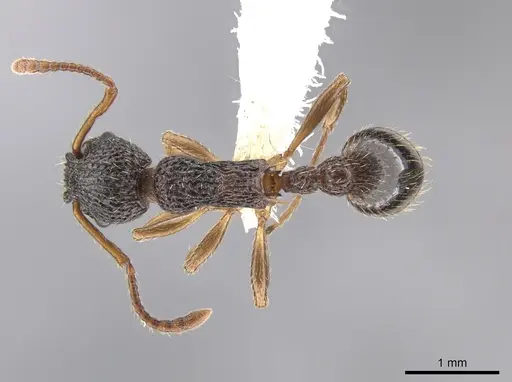
Literature
Loading...Loading products...