

Myrmica multiplex
- Scientific Name
- Myrmica multiplex
- Tribe
- Myrmicini
- Subfamily
- Myrmicinae
- Author
- Radchenko & Elmes, 2009
- Distribution
- Found in 1 countries
Myrmica multiplex Overview
Myrmica multiplex is an ant species of the genus Myrmica. It is primarily documented in 1 countries , including China. Detailed taxonomic data and occurrence records can be further explored via authoritative databases such as AntWeb or the Global Biodiversity Information Facility (GBIF).
Myrmica multiplex
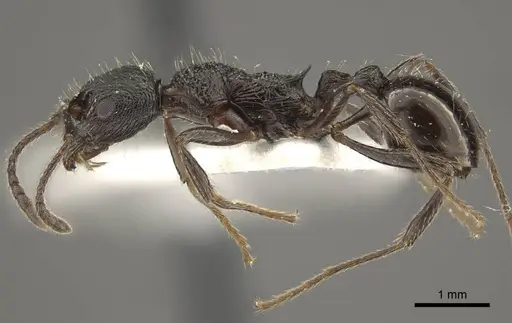
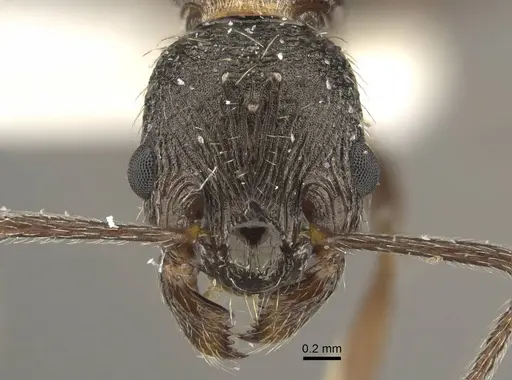
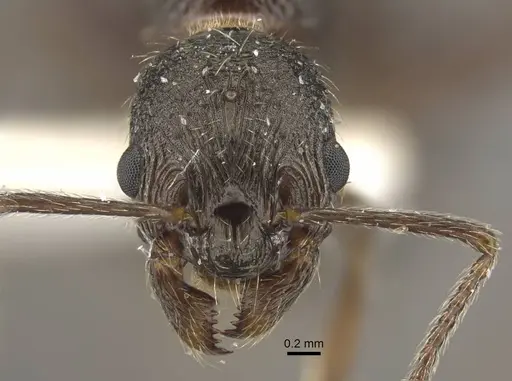
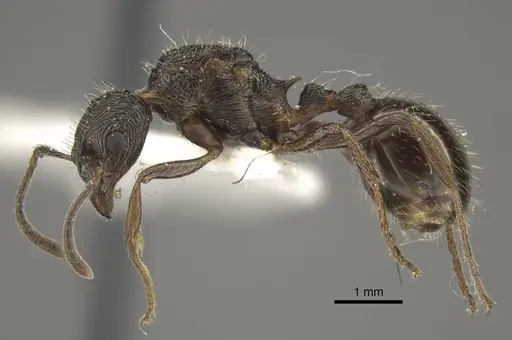
Myrmica multiplex is a small, reddish-brown ant species belonging to the pachei species group. Workers have a distinctive elongated head that is notably longer than wide, with convex sides and a broadly rounded back of the head. Their body is covered with coarse rugae (wrinkles) giving them a textured appearance. The propodeal spines are short and point backward at about a 45-degree angle. Queens are similar in appearance but more robust with more blunt spines and coarser sculpturing on the alitrunk. This species was only recently described in 2009 and is known exclusively from a single mountain location in Shaanxi Province, China at around 1700 meters elevation [1].
What makes M. multiplex particularly interesting is its extreme rarity and limited distribution, it has only ever been found at one location in the wild. As a high-altitude species from temperate China, it likely has specific temperature requirements and likely requires a winter dormancy period. The pachei species group contains several similar-looking Myrmica species, but M. multiplex can be distinguished by its distinctly higher petiole with a relatively short dorsal plate compared to its relatives [1].
Quick Summary
- Difficulty: Medium
- Origin & Habitat: Shaanxi Province, China (Palaearctic region). Found at high altitude around 1700 meters on a mountain [1][2].
- Colony Type: Single-queen colonies (monogyne), typical for the genus Myrmica. Queens are larger than workers and serve as the sole reproductive females.
- Colony: Monogyne
- Founding: Claustral
- Size & Growth:
- Queen: Estimated 6-8mm based on genus patterns and description [1]
- Worker: Estimated 4-6mm based on typical Myrmica worker size range [1]
- Colony: Unknown for this species, but related Myrmica species typically reach several hundred to a few thousand workers [2]
- Growth: Moderate, typical for Myrmica species
- Development: Estimated 6-10 weeks based on related Myrmica species development data [2] (Development time depends on temperature, cooler conditions will slow growth significantly)
- Antkeeping:
- Temperature: Keep around 20-24°C. As a high-altitude species from temperate China, they likely prefer cooler conditions than tropical ants. A temperature gradient allowing them to choose their preferred zone is ideal [2].
- Humidity: Moderate humidity around 50-70%. Keep the nest substrate moist but not waterlogged. Myrmica species do well with a water tube attached to their test tube or nest chamber [2].
- Diapause: Yes, required. As a species from temperate China with a clear seasonal cycle, colonies need a winter dormancy period of 3-4 months at around 5-10°C [2].
- Nesting: Y-tong (acrylic) nests or test tube setups work well. Provide a moist substrate they can dig into. Naturalistic setups with soil and stones also suit this species. They prefer tight, enclosed chambers typical of forest floor nesting ants [2].
- Behavior: Myrmica multiplex workers are active foragers that search for food both on the ground and in low vegetation. They are not particularly aggressive but will defend their nest if threatened. Workers have a functional stinger and can deliver a mild sting if handled roughly. They are medium-sized ants with good escape prevention needed, ensure their enclosure has no gaps larger than 1mm. They show typical Myrmica behavior: organized foraging, brood care, and seasonal activity patterns tied to temperature [2].
- Common Issues: high-altitude origin means they may not tolerate warm conditions, keep them cool, winter dormancy is essential, skipping hibernation will weaken or kill the colony, limited distribution means wild colonies are rarely available, captive propagation is key to species survival, escape prevention is important despite their moderate size, they can squeeze through small gaps, slow colony growth compared to tropical species requires patience
Housing and Nest Setup
Myrmica multiplex does well in standard ant keeping setups. A test tube setup with a water reservoir works perfectly for founding colonies, simply fill a test tube about one-third with water, place a cotton ball to create a water chamber, then add the queen and seal with another cotton ball. For established colonies, Y-tong (acrylic) nests provide excellent visibility and allow you to watch their behavior. You can also use naturalistic setups with a soil mixture that holds moisture well. Whatever setup you choose, ensure there are no gaps larger than about 1mm, while not tiny ants, they can still escape through surprisingly small openings. Provide an outworld area for foraging where you can offer food. Keep the nest area darker as Myrmica species prefer dimmer conditions, and cover the nest with an opaque cover to reduce stress [2].
Feeding and Diet
Myrmica ants are omnivorous and accept a varied diet. Offer protein sources such as small insects (fruit flies, small crickets, mealworms), and provide sugar water, honey, or sugar regularly. In the wild, they forage for honeydew from aphids and small prey. Feed them small prey items 2-3 times per week, adjusting based on how quickly they consume it. Remove any uneaten prey after 24-48 hours to prevent mold. Sugar water should be available constantly, you can offer it on a small piece of cotton or in a dedicated feeder. A varied diet helps promote healthy brood development. Queens and larvae need protein-rich food to produce and develop eggs [2].
Temperature and Seasonal Care
This species requires careful temperature management. As a high-altitude species from Shaanxi Province, they prefer cooler temperatures than many other ants, aim for around 20-24°C in the active season. Room temperature is often suitable, but avoid placing them in direct sunlight or near heat sources. During summer months, ensure they have access to cooler areas of their enclosure. In winter, you must provide a hibernation period of 3-4 months at around 5-10°C. This can be achieved by moving the colony to a cool basement, garage, or refrigerator (not freezer). Place the test tube or nest in an insulated box in the fridge and check periodically that the棉花 remains moist. Skipping hibernation will weaken the colony over time and can lead to colony failure [2].
Colony Founding and Growth
Myrmica multiplex queens are claustral, meaning they seal themselves in a small chamber and raise their first workers without leaving to forage. The queen uses stored body fat and nutrients from her collapsed wing muscles to produce eggs and feed the developing larvae. After mating (nuptial flight), the queen will shed her wings and dig into soil or find a suitable cavity. She will lay eggs that hatch into larvae, then pupate, and emerge as workers (called nanitics) about 6-10 weeks later, depending on temperature. The first workers are typically smaller than mature workers. Once workers emerge, the queen stops caring for brood directly, workers take over all foraging, nest maintenance, and brood care. Colony growth is moderate, expect several months before you have more than a dozen workers, and potentially years before reaching several hundred [2].
Behavior and Temperament
Myrmica multiplex workers are active and organized foragers. They establish clear foraging trails and will recruit nestmates to good food sources through chemical communication. While not aggressive toward humans, they will readily defend their nest if threatened, they possess a functional stinger and can deliver a mild, painful sting. Workers are primarily ground-dwelling but can climb well, so ensure your setup has barriers. They show clear seasonal activity patterns: more active in warm months, reduced activity as temperatures drop, and complete dormancy during hibernation. Observing their behavior, when they are active, where they position themselves in temperature gradients, what foods they prefer, will help you fine-tune their care [2].
Frequently Asked Questions
How long does it take for Myrmica multiplex to go from egg to first worker?
Expect 6-10 weeks from egg to worker emergence at optimal temperatures around 20-24°C. Cooler temperatures will significantly slow development. The first workers (nanitics) are typically smaller than workers that emerge later [2].
Do Myrmica multiplex ants sting?
Yes, they can sting. While not dangerously venomous, their sting causes mild pain similar to a bee sting. They are not aggressive toward humans but will sting if threatened or handled roughly. Use caution when handling [2].
What temperature should I keep Myrmica multiplex at?
Keep them at 20-24°C. As a high-altitude species from temperate China, they prefer cooler conditions than tropical ants. Avoid temperatures above 28°C and provide a temperature gradient so they can choose their preferred zone [2].
Do Myrmica multiplex need hibernation?
Yes, hibernation is essential. As a species from temperate China with a clear seasonal cycle, they require 3-4 months of winter dormancy at 5-10°C each year. Skip hibernation and the colony will weaken and likely die. Provide hibernation in a cool basement, garage, or refrigerator [2].
How big do Myrmica multiplex colonies get?
Based on related Myrmica species, colonies can reach several hundred to a few thousand workers over several years. This is a moderately slow-growing species compared to tropical ants [2].
Can I keep multiple Myrmica multiplex queens together?
No, this species is monogyne, colonies have a single queen. While some Myrmica species can be polygynous, M. multiplex is not one of them. Only keep one queen per colony setup [2].
What do Myrmica multiplex eat?
They are omnivorous. Offer small insects (fruit flies, small crickets, mealworms) as protein, and provide sugar water, honey, or sugar regularly. They also forage for honeydew in the wild. A varied diet promotes healthy colony growth [2].
Is Myrmica multiplex good for beginners?
This species is rated as medium difficulty. While not the hardest species, the hibernation requirement and specific temperature needs make it better suited for keepers who already have some experience with temperate ant species. Beginners should start with easier species like Lasius niger [2].
When should I move Myrmica multiplex to a formicarium?
Wait until the colony has at least 20-30 workers before moving to a formicarium. Test tube setups work well for founding colonies and smaller colonies. Moving too early can stress the colony. Ensure the formicarium has appropriate humidity and temperature control [2].
Why is my Myrmica multiplex colony dying?
Common causes include: skipping hibernation (essential for this species), temperatures too warm (keep below 28°C), too dry or too wet conditions, mold from uneaten food, or stress from too much disturbance. Check each of these factors and adjust accordingly. High-altitude species are particularly sensitive to overheating [2].
References

This caresheet is licensed under CC BY-SA 4.0 .
CASENT0917713
View on AntWeb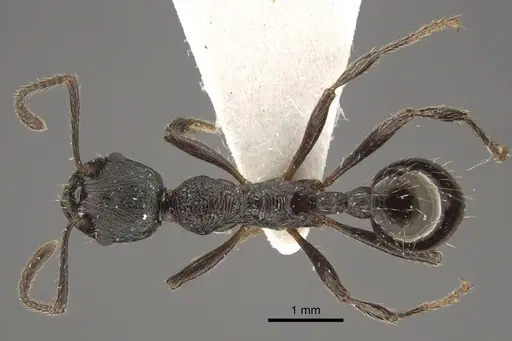
CASENT0917714
View on AntWeb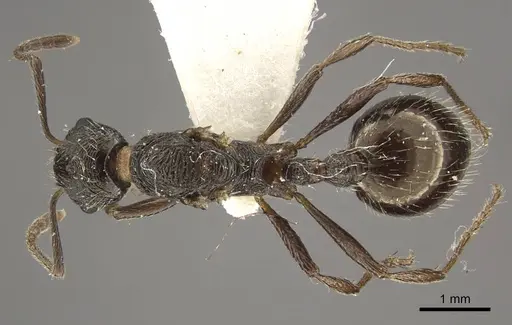
Literature
Loading...Loading products...