

Myrmica mexicana
- Scientific Name
- Myrmica mexicana
- Tribe
- Myrmicini
- Subfamily
- Myrmicinae
- Author
- Wheeler, 1914
- Distribution
- Found in 2 countries
Myrmica mexicana Overview
Myrmica mexicana is an ant species of the genus Myrmica. It is primarily documented in 2 countries , including Mexico, United States of America. Detailed taxonomic data and occurrence records can be further explored via authoritative databases such as AntWeb or the Global Biodiversity Information Facility (GBIF).
Myrmica mexicana
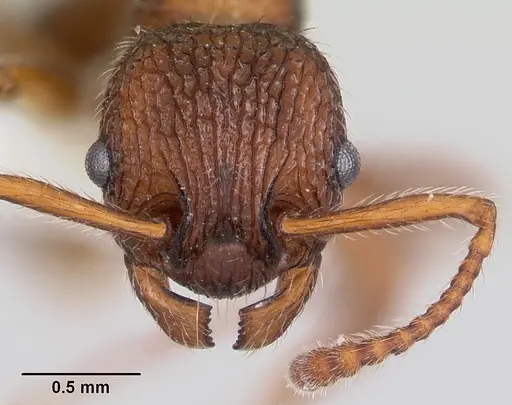
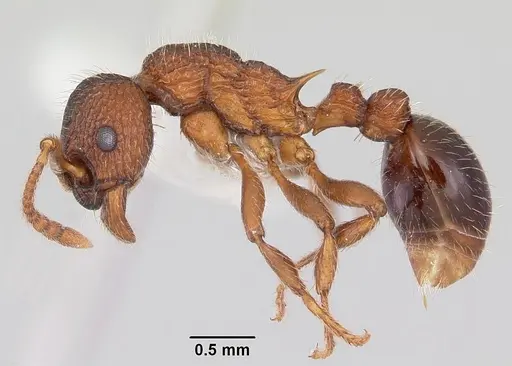
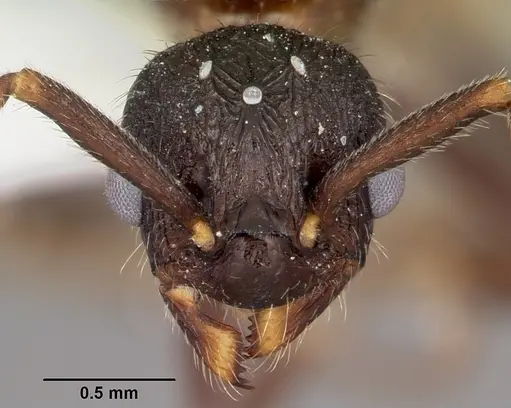
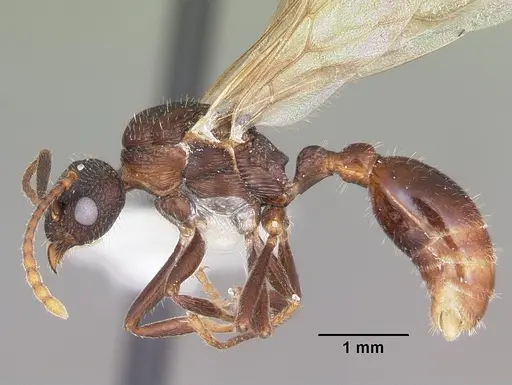
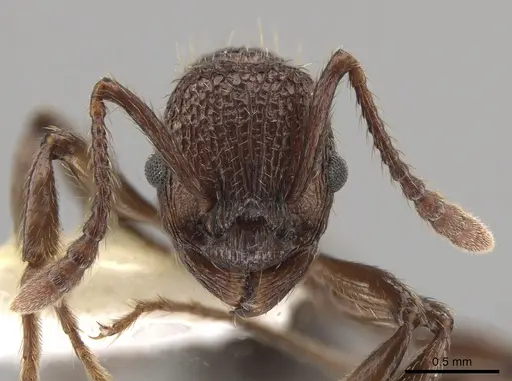
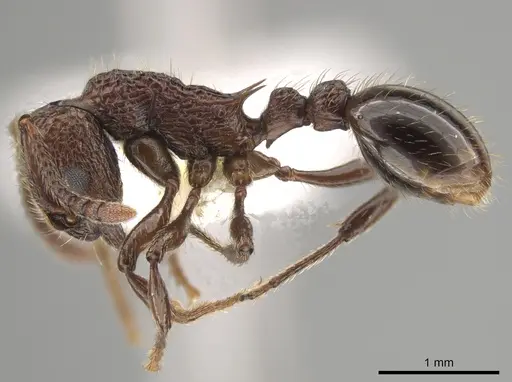
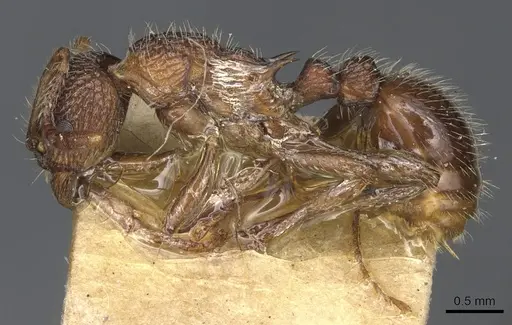
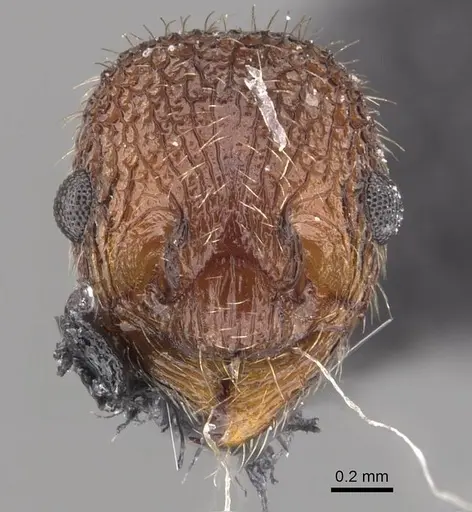
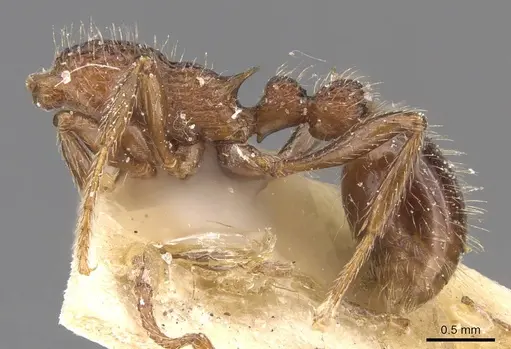
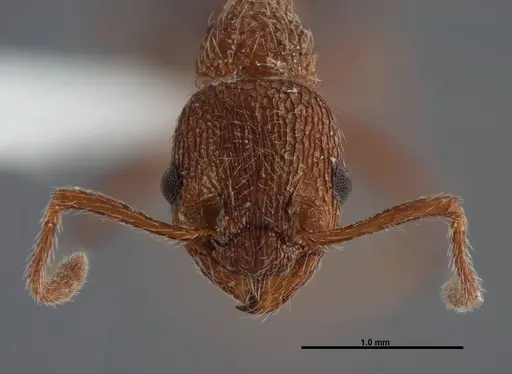
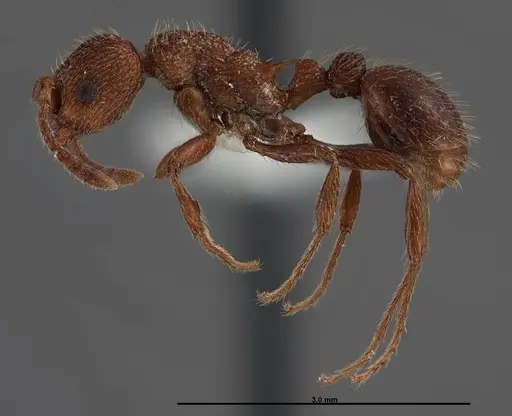
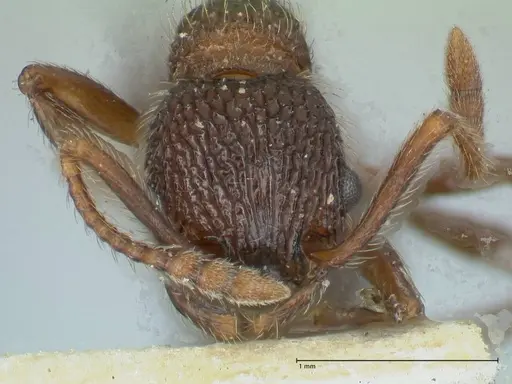
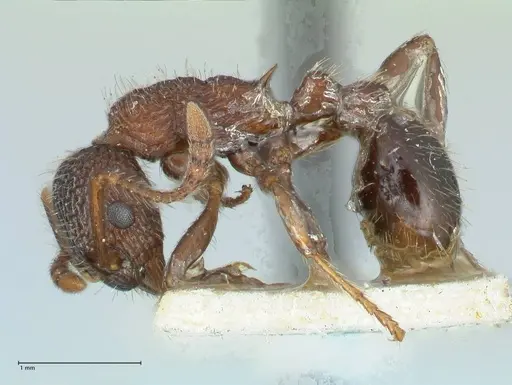
Myrmica mexicana is a reddish-brown to dark ant species native to Mexico, where it inhabits the mountainous temperate forests of the Neotropical and Nearctic regions. Workers measure approximately 4-6mm, with queens being larger at 7-9mm. The species was originally described in 1914 and was later considered a subspecies of Myrmica scabrinodis before being revived as a distinct species in 1961. These ants are typically found in pine-oak-arbutus forests at higher elevations in central and northern Mexico, particularly in states like Nuevo León, Hidalgo, and Veracruz [1][2].
As a Myrmica species, M. mexicana displays typical genus behaviors including a functional stinger for defense and a preference for cooler, more temperate conditions compared to tropical ants. They are not dominant in their ecosystem, research shows they are peripheral species in Mexican oak forest ant communities, appearing at only about 2 baits in field studies [3]. This means they are peaceful foragers rather than aggressive competitors. Their colonies are single-queen (monogyne) structures that grow to moderate sizes of several hundred workers.
Quick Summary
- Difficulty: Medium
- Origin & Habitat: Native to central and northern Mexico, found in Pine-Oak-Arbutus forests at higher elevations in states including Nuevo León, Hidalgo, and Veracruz [1][2]. Prefers cooler, temperate mountain forest conditions.
- Colony Type: Monogyne (single-queen colonies). Queens are dealate after mating and establish colonies independently.
- Colony: Monogyne
- Founding: Claustral
- Size & Growth:
- Queen: 7-9mm, estimated from Myrmica genus patterns [2]
- Worker: 4-6mm, based on Myrmica genus morphology
- Colony: Several hundred workers, typical for Myrmica species
- Growth: Moderate, Myrmica species typically grow at moderate rates
- Development: 6-10 weeks at optimal temperature, estimated from related Myrmica species (Development time depends on temperature, cooler temps slow development)
- Antkeeping:
- Temperature: Keep nest area at 18-22°C. Myrmica species prefer cooler conditions than tropical ants. A gentle temperature gradient allows workers to self-regulate. Avoid overheating.
- Humidity: Moderate humidity (50-70%). Keep nest substrate moist but not waterlogged. These forest-floor ants prefer conditions similar to their pine-oak habitat, damp soil with good ventilation.
- Diapause: Yes, Myrmica species require a winter dormancy period. Reduce temperature to 5-10°C for 3-4 months (roughly October-March depending on your location). This mimics natural seasonal cycles and promotes healthy colony development.
- Nesting: Y-tong (AAC) nests or plaster nests work well. These ants prefer tight, humid chambers. Test tube setups are suitable for founding colonies. Provide connections to an outworld with substrate they can tunnel into.
- Behavior: Myrmica mexicana is a relatively peaceful species with a functional stinger. Workers are active foragers that search for sugar sources (honeydew, sugar water) and protein (insects, small prey). They are not aggressive toward keepers but will sting if threatened, the sting is noticeable but not dangerous. They have moderate escape risk due to their small size, use standard barrier methods. Workers communicate via chemical trails and will recruit nestmates to food discoveries.
- Common Issues: colonies often fail if hibernation is skipped, Myrmica species need winter dormancy to trigger proper reproductive cycles, test tube setups can flood if water reservoirs are too large or improperly maintained, small colony sizes make them vulnerable to stress, avoid disturbing founding queens too often, escape prevention is important as workers can squeeze through small gaps, mold growth can be problematic in overly humid nests, ensure adequate ventilation
Housing and Nest Setup
Myrmica mexicana does well in standard ant keeping setups. For founding colonies, a test tube setup with a water reservoir works perfectly, the queen will seal herself in a chamber and raise her first brood there. Once the colony reaches 20-30 workers, you can transition to a Y-tong (AAC) nest or plaster formicarium. These ants prefer tight, humid chambers that mimic their natural forest-floor nesting sites. The nest material should retain moisture well but allow for some ventilation to prevent mold. Connect the nest to an outworld where foragers can search for food. Use a barrier like fluon on the outworld walls to prevent escapes, Myrmica workers are small and can climb smooth surfaces effectively. [1][2]
Feeding and Diet
Like other Myrmica species, M. mexicana is omnivorous with a preference for sugar and protein. Provide a constant sugar source like sugar water, honey, or diluted maple syrup. For protein, offer small insects like fruit flies, pinhead crickets, or mealworm pieces. In nature, these ants forage for honeydew from aphids and scale insects, plus small arthropods they can subdue. Feed protein 2-3 times per week, and keep sugar available at all times. Remove uneaten prey after 24-48 hours to prevent mold. Young colonies may ignore larger prey, offer appropriately sized portions. Workers will recruit nestmates to good food sources through chemical trails.
Temperature and Seasonal Care
Myrmica mexicana prefers cooler temperatures than many common ant species. Keep the nest area at 18-22°C, with room temperature (around 20°C) being ideal. Avoid placing the nest near direct heat sources or in warm rooms. A slight temperature gradient across the nest allows workers to choose their optimal zone. During summer months, ensure the colony isn't overheating, they tolerate cool better than heat. In winter, you must provide a diapause period. Reduce temperatures to 5-10°C (a garage or basement works) for 3-4 months. This winter dormancy is essential for colony health and triggers reproductive cycles. Without proper hibernation, colonies may become sluggish and fail to produce new reproductives.
Behavior and Defense
Workers of Myrmica mexicana are moderately active and will explore their outworld in search of food. They are not particularly aggressive but possess a functional stinger that they will use if the colony is threatened. The sting is noticeable, described as a sharp burning sensation, but not medically significant for healthy humans. These ants communicate primarily through chemical signals, leaving pheromone trails to guide nestmates to food discoveries. They are not dominant in their ecosystem, meaning they are less likely to compete aggressively with other ant species. Workers may show alarm behaviors when the nest is disturbed, but they are generally manageable for keepers willing to observe their interesting foraging behaviors. [3]
Colony Growth and Development
A newly mated queen will seal herself in a claustral chamber and lay her first eggs, feeding the larvae from her stored fat reserves. The first workers (nanitics) will be smaller than mature workers but will immediately begin caring for subsequent brood and foraging for food. Colony growth is moderate, expect 6-10 weeks from egg to first worker at optimal temperatures, with slower development in cooler conditions. A mature colony may reach several hundred workers over 2-3 years. Myrmica colonies are long-lived, with queens potentially surviving 10-15 years. The colony will produce alates (reproductives) in late summer or fall if well-established. Regular feeding and proper hibernation will support healthy colony development.
Frequently Asked Questions
How long does it take for Myrmica mexicana to raise first workers?
Expect 6-10 weeks from egg to first worker at optimal temperatures around 20°C. This is typical for Myrmica species. Cooler temperatures will slow development.
Do Myrmica mexicana ants sting?
Yes, they have a functional stinger. The sting causes a sharp, burning sensation but is not dangerous to healthy humans. They will only sting if threatened or if the nest is disturbed.
Do Myrmica mexicana need hibernation?
Yes, they require a winter dormancy period. Reduce temperatures to 5-10°C for 3-4 months each year. This is essential for colony health and triggering reproductive cycles.
What temperature should I keep Myrmica mexicana at?
Keep the nest at 18-22°C. Room temperature around 20°C is ideal. They prefer cooler conditions than tropical ants and should be kept away from heat sources.
Can I keep multiple Myrmica mexicana queens together?
No, this species is monogyne (single-queen). Queens will fight if housed together. Only keep one queen per colony.
What do Myrmica mexicana eat?
They need constant sugar (honey, sugar water, maple syrup) plus protein (small insects like fruit flies, mealworms). Feed protein 2-3 times per week and keep sugar available at all times.
Are Myrmica mexicana good for beginners?
They are medium difficulty. You need to provide proper hibernation and keep them cool. They are harder than tropical species like Lasius but easier than exotic ants requiring specific conditions.
How big do Myrmica mexicana colonies get?
Colonies typically reach several hundred workers over 2-3 years. Queens can live 10-15 years, producing a moderately large colony over time.
When should I move Myrmica mexicana to a formicarium?
Move them once the test tube colony reaches 20-30 workers. A Y-tong or plaster nest with good humidity retention works well for this species.
Why is my Myrmica mexicana colony dying?
Common causes include: skipping hibernation, overheating, improper humidity (too dry or waterlogged), or mold from poor ventilation. Check these parameters and adjust accordingly.
References

This caresheet is licensed under CC BY-SA 4.0 .
CASENT0104823
View on AntWeb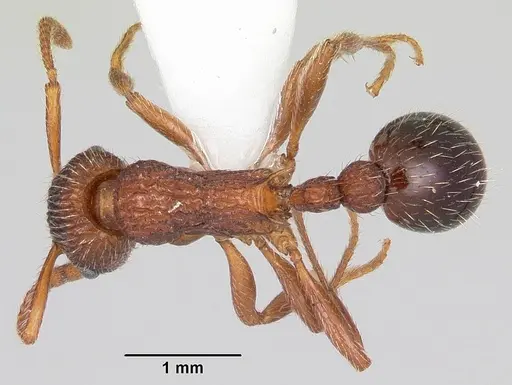
CASENT0104824
View on AntWeb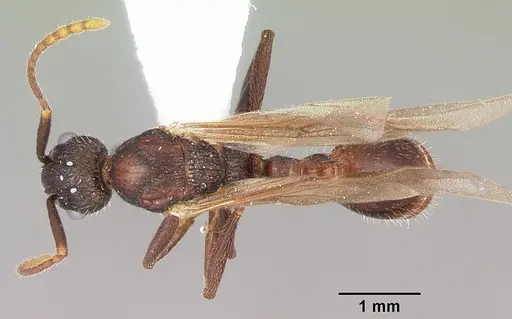
CASENT0105639
View on AntWeb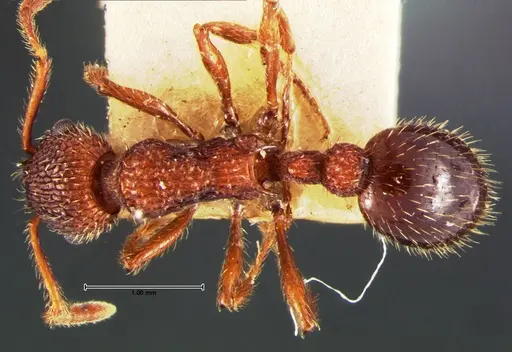
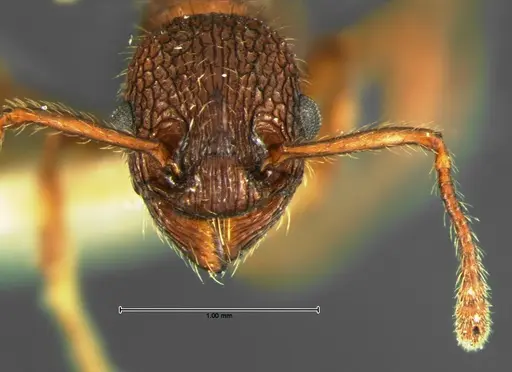
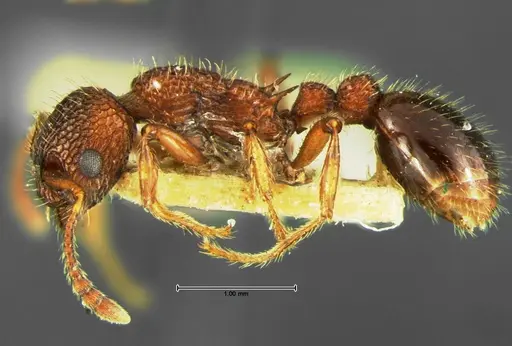
CASENT0105640
View on AntWeb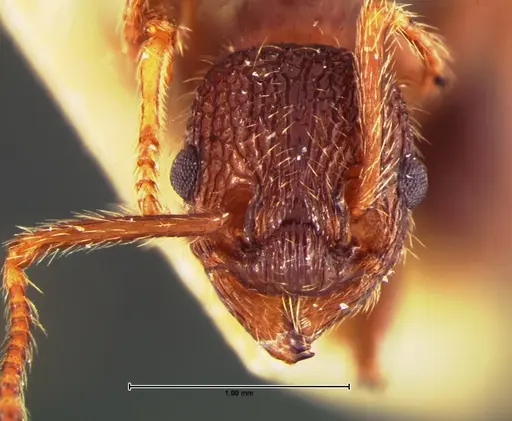
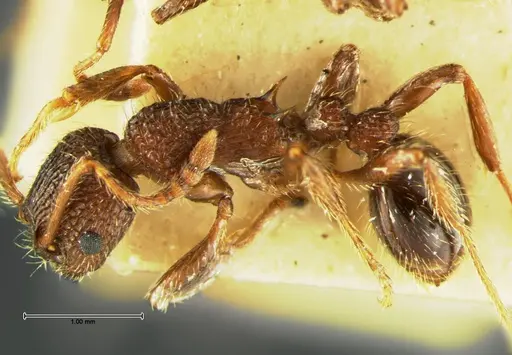
CASENT0631893
View on AntWeb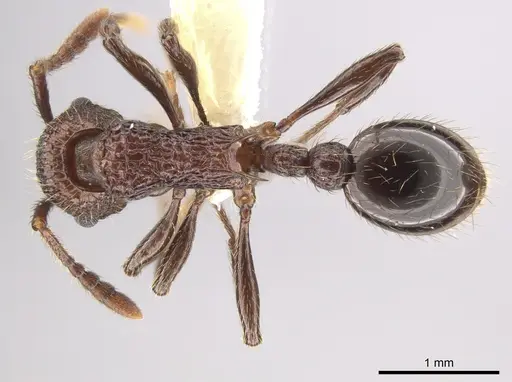
CASENT0900346
View on AntWeb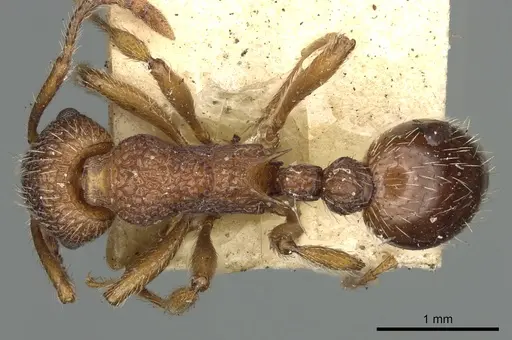
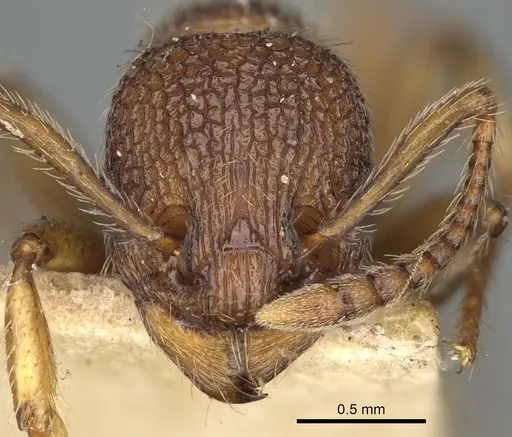
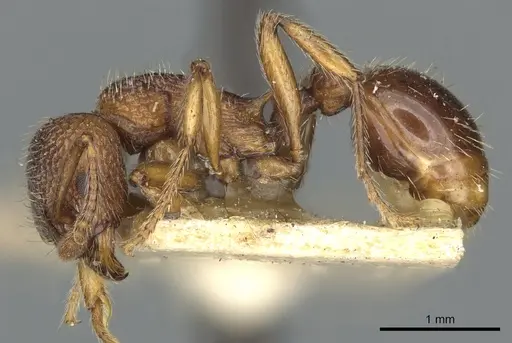
CASENT0904083
View on AntWeb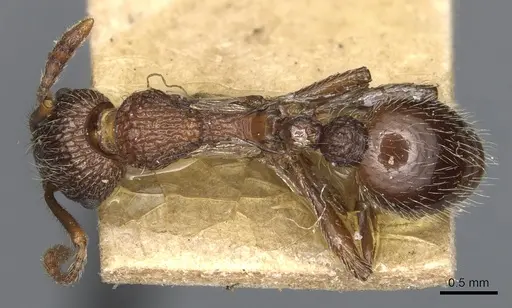
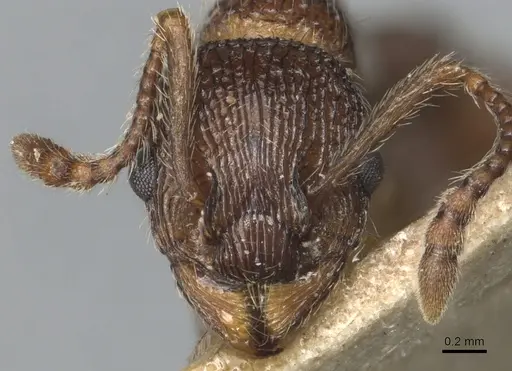
CASENT0907625
View on AntWeb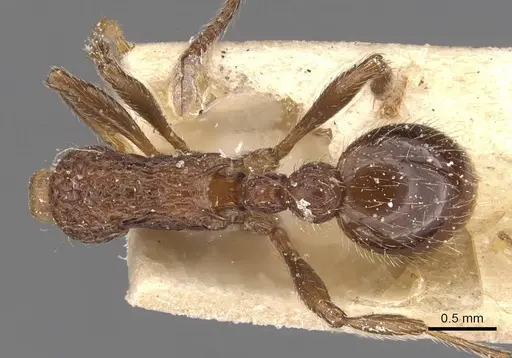
FMNHINS0000062747
View on AntWeb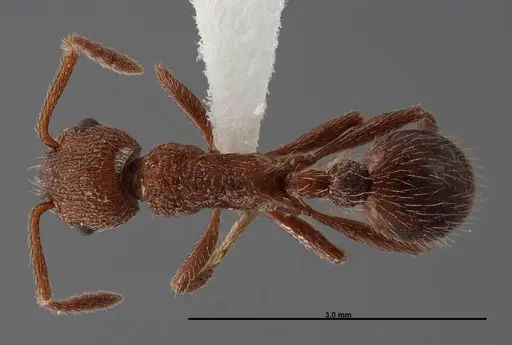
FOCOL1207
View on AntWeb
Literature
Loading...Loading products...