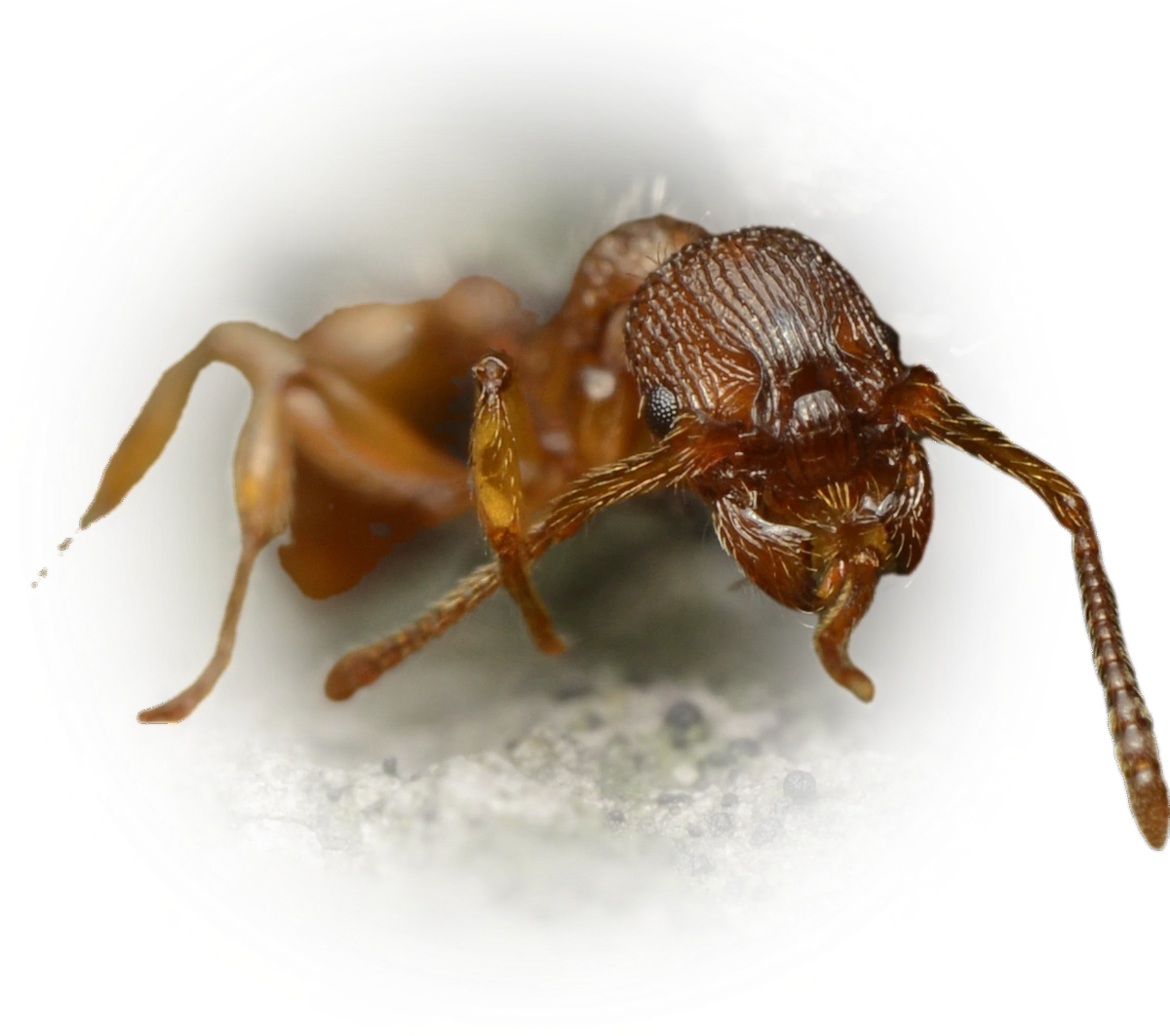

Myrmica lonae
- Scientific Name
- Myrmica lonae
- Tribe
- Myrmicini
- Subfamily
- Myrmicinae
- Author
- Finzi, 1926
- Distribution
- Found in 14 countries
Myrmica lonae Overview
Myrmica lonae is an ant species of the genus Myrmica. It is primarily documented in 14 countries , including Belgium, Bulgaria, Switzerland. Detailed taxonomic data and occurrence records can be further explored via authoritative databases such as AntWeb or the Global Biodiversity Information Facility (GBIF).
Myrmica lonae
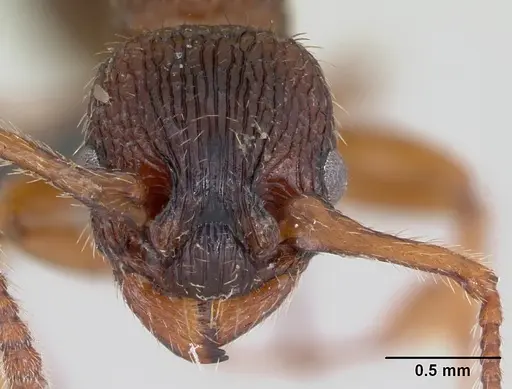
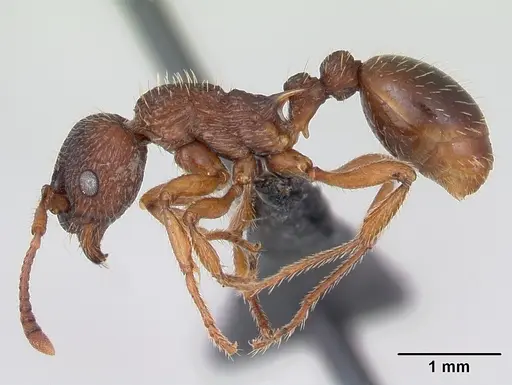
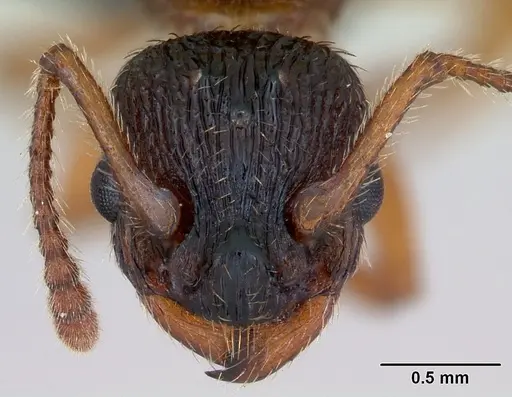
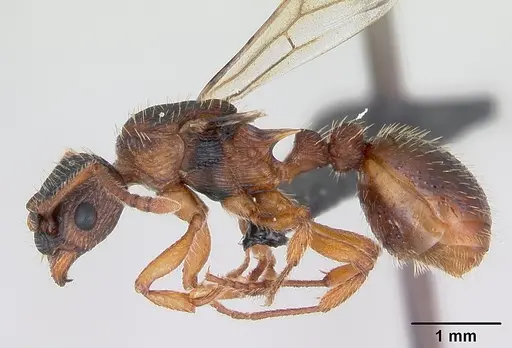
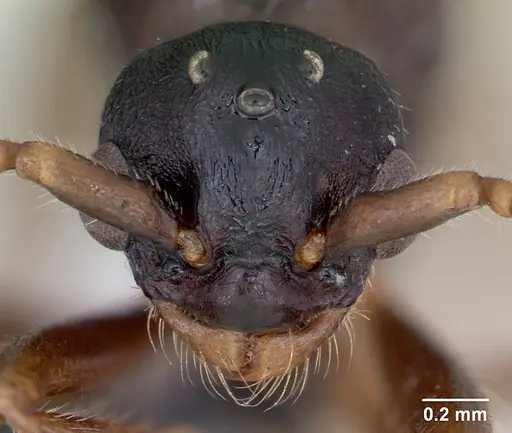
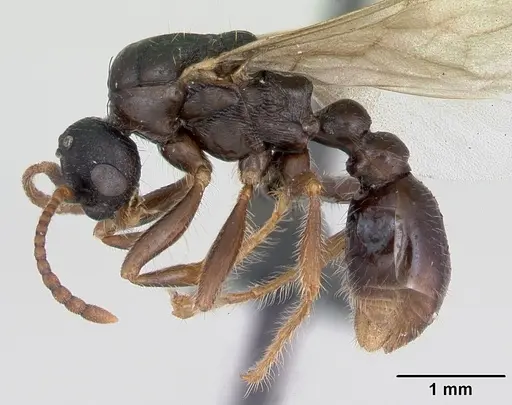
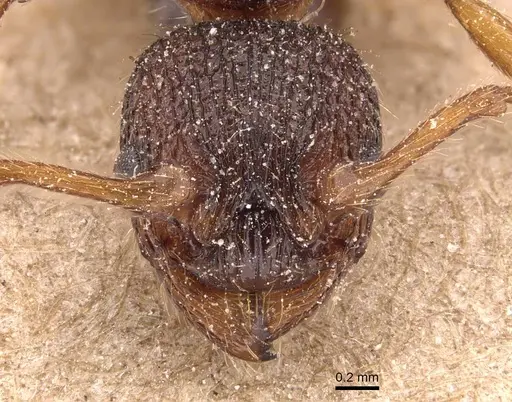
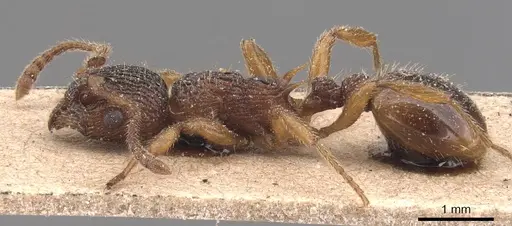
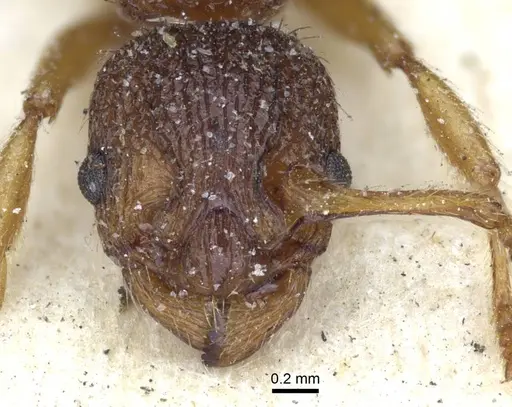
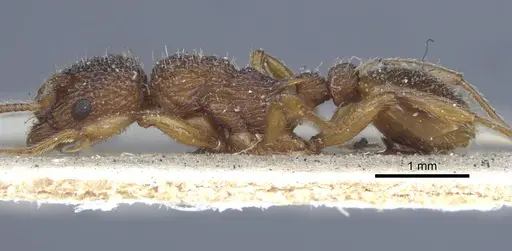
Myrmica lonae is a small reddish-brown ant native to Central and Northern Europe. It belongs to the Myrmica sabuleti species group and is very similar to its close relative Myrmica sabuleti, with workers measuring 4-5mm and queens 5-6mm [1]. The most distinguishing feature is the extremely well-developed, large lobe at the base of the antenna (scape), which is raised above the dorsal plane, this is how experts tell them apart from M. sabuleti [2]. Males of the two species are practically indistinguishable [2].
What makes M. lonae interesting is its habitat preference. Unlike its heat-loving cousin M. sabuleti, this species prefers shadier, cooler, and more humid spots like damp heathlands, mossy forest floors, and mountain meadows [2]. Some researchers even think M. lonae might be an ecological variant (ecotype) of M. sabuleti that evolved to exploit these cooler, moister habitats [3]. In Scandinavia, it's actually more common than M. sabuleti, while in central Europe it's the rarer of the two [4]. This species also serves as a host for endangered butterflies like the Large Blue (Phengaris arion) [5][6].
Quick Summary
- Difficulty: Medium
- Origin & Habitat: Central and Northern Europe, Balkans, East Europe, Asia Minor, Caucasus, West Siberia, and northern Kazakhstan. Found in moist heathlands, open pine and mixed forests, mountain meadows up to 1200m elevation, and forest edges [2][4][7]. Prefers cooler, shadier, and more humid microhabitats than Myrmica sabuleti.
- Colony Type: Polygynous, colonies typically have multiple queens (several to many) with up to 1000+ workers [8][9][10]. Documented colonies range from 1 queen with 19 workers to 2 queens with nearly 1600 workers [2].
- Colony: Polygyne
- Founding: Claustral
- Size & Growth:
- Queen: 5-6 mm [1]
- Worker: 4-5 mm [1]
- Colony: Up to 1000 workers, occasionally more [8][9]. Excavated colonies show 419-1866 individuals including workers, queens, and males [11].
- Growth: Moderate, typical for Myrmica species
- Development: 6-10 weeks (estimated based on typical Myrmica development patterns) (Development time is inferred from genus-level data since species-specific measurements are not available. Myrmica species typically take 6-10 weeks from egg to worker at optimal temperatures.)
- Antkeeping:
- Temperature: Keep at 18-22°C. This species prefers cooler conditions than most Myrmica, avoid overheating. In the wild, they inhabit areas with mean soil temperatures of 10-15°C and maximum soil temperatures below 20°C [12]. Room temperature is often suitable, but monitor for overheating.
- Humidity: Moderate to high, they naturally live in damp habitats. Keep nest substrate consistently moist but not waterlogged. They nest in moss, under stones, and in soil in the wild [8][9]. Provide a water tube but avoid flooding.
- Diapause: Yes, requires winter hibernation. As a northern European species, they need a cold period (around 5-10°C) for several months, typically October-March in the temperate zone [2]. Reduce feeding and keep in a cool location.
- Nesting: Y-tong (AAC) nests or plaster nests work well. They naturally nest in soil, under stones, and in moss. Provide damp substrate and avoid overly dry conditions. Can also be kept in test tube setups with access to a foraging area.
- Behavior: Workers are active foragers and will search for food both on the ground and up vertical surfaces. They have a functional sting and will use it if threatened, the sting is painful for such small ants [10]. They are not particularly aggressive but will defend the nest. Workers are moderate in size (4-5mm) so escape prevention is straightforward, standard mesh barriers work well. They are known to coexist with M. sabuleti in some areas but prefer shadier spots.
- Common Issues: overheating is a serious risk, this species naturally lives in cooler habitats and can die from excessive heat, identification confusion with M. sabuleti is common, if your ants don't match the scape lobe description, they may be the wrong species, colonies can be slow to establish, patience is needed during the founding stage, hibernation failure can kill colonies, ensure proper cold period with stable temperatures between 3-10°C, habitat specificity means they may not thrive in overly dry or warm captive environments
Housing and Nest Setup
Myrmica lonae does well in Y-tong (AAC) nests, plaster nests, or naturalistic setups with soil. Since they naturally nest under stones and in moss in the wild, a naturalistic setup with a damp soil layer and flat stones or pieces of bark works beautifully [8][9]. The key is maintaining consistent moisture without waterlogging. A test tube setup with a water reservoir works for founding colonies, but established colonies do better in nests that can hold humidity. Avoid placing the nest in direct sunlight or near heat sources, this species hates overheating. Room temperature (18-22°C) is ideal, and they can even tolerate temperatures down to around 15°C better than many other Myrmica species.
Feeding and Diet
Like other Myrmica ants, M. lonae is omnivorous. They readily accept protein sources like small insects (fruit flies, small crickets, mealworms) and will also collect honeydew from aphids or sugar water. In captivity, offer protein prey 2-3 times per week and keep a sugar source (honey water or sugar water) available at all times. Workers will forage actively and can be observed carrying prey back to the nest. In the wild, they forage for insects and honeydew, so a varied diet supports colony health. Remove uneaten prey after 24-48 hours to prevent mold. [2]
Temperature and Seasonal Care
This is the most critical aspect of keeping M. lonae successfully. They are less heat-tolerant than most Myrmica species and naturally live in cooler, shadier habitats [7][13]. Keep the nest at 18-22°C, never exceeding 25°C. In fact, they do best when soil temperatures stay below 20°C [12]. During summer, ensure they're not near windows with direct sun or heating equipment. In winter (roughly October-March), they need a proper hibernation period at 3-10°C. Place the colony in a cool garage, basement, or refrigerator (not freezer). Reduce feeding during hibernation but ensure they have access to some moisture. This cold period is essential for their health and reproductive cycles.
Colony Dynamics and Growth
M. lonae forms polygynous colonies with multiple queens [8][9][10]. This is different from many other Myrmica species and means your colony may have several egg-laying queens working together. Colonies can grow quite large, excavated nests show 400-1800+ individuals including workers, queens, and males [11]. A mature colony might have several queens and hundreds of workers. Growth is moderate, expect 6-10 weeks from egg to first worker (nanitics) under good conditions. The founding stage requires patience as the single queen (or multiple queens in pleometrosis) seals herself in and raises the first brood alone. Once workers emerge, the colony typically grows steadily if fed well and kept at proper temperature and humidity.
Behavior and Defense
Workers are active foragers and will explore both the nest chamber and foraging area thoroughly. They have a functional sting that can penetrate human skin and causes noticeable pain for such a small ant [10]. When threatened, they will sting, so handle with care. They are not particularly aggressive toward humans but will defend their nest vigorously. Workers communicate using chemical signals and will alert others to threats. Foraging workers can be seen carrying small prey items back to the nest. Escape risk is moderate, their 4-5mm size is manageable with standard ant keeping barriers, but ensure your setup has no gaps larger than about 2mm.
Similar Species and Identification
M. lonae is frequently confused with its close relative Myrmica sabuleti. The primary distinguishing feature is the scape lobe, M. lonae has an extremely well-developed, large lobe at the base of the antenna that is raised above the dorsal plane of the scape [2]. M. sabuleti has a much smaller lobe. Males of the two species are practically indistinguishable [2]. Some researchers argue that M. lonae may not be a true separate species but rather an ecological variant (ecotype) of M. sabuleti that has adapted to cooler, wetter habitats [3]. Both species share mitochondrial haplotypes and have identical cuticular hydrocarbon profiles [3]. If you're keeping this species, verify the scape lobe characteristic, this matters because M. lonae has different temperature requirements than M. sabuleti.
References

This caresheet is licensed under CC BY-SA 4.0 .
CASENT0172752
View on AntWeb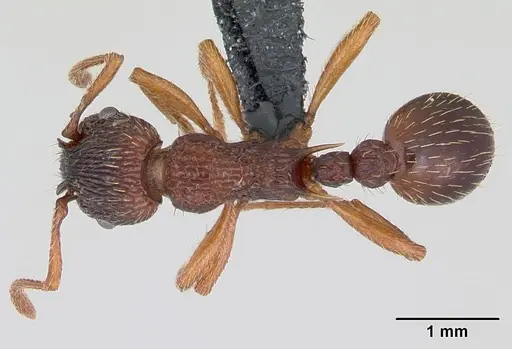
CASENT0172753
View on AntWeb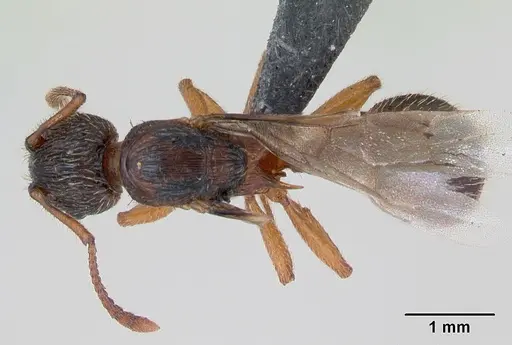
CASENT0172754
View on AntWeb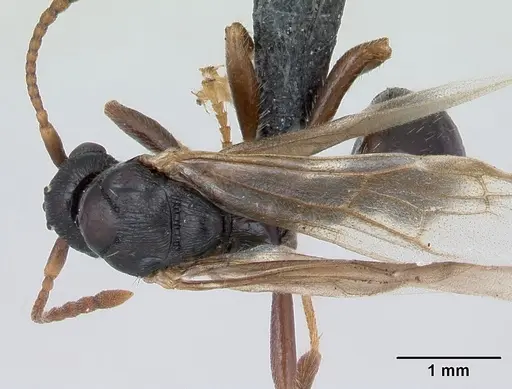
CASENT0905771
View on AntWeb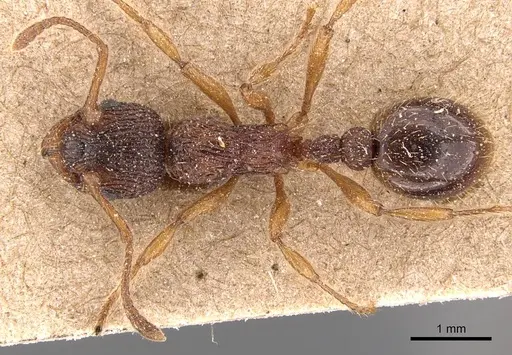
CASENT0916886
View on AntWeb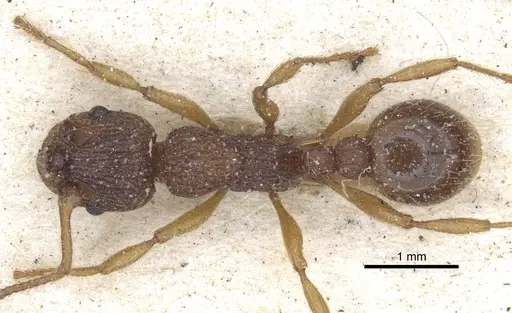
Literature
Loading...Loading products...