

Myrmica lobulicornis
- Scientific Name
- Myrmica lobulicornis
- Tribe
- Myrmicini
- Subfamily
- Myrmicinae
- Author
- Nylander, 1857
- Distribution
- Found in 5 countries
Myrmica lobulicornis Overview
Myrmica lobulicornis is an ant species of the genus Myrmica. It is primarily documented in 5 countries , including Andorra, Switzerland, Spain. Detailed taxonomic data and occurrence records can be further explored via authoritative databases such as AntWeb or the Global Biodiversity Information Facility (GBIF).
Myrmica lobulicornis
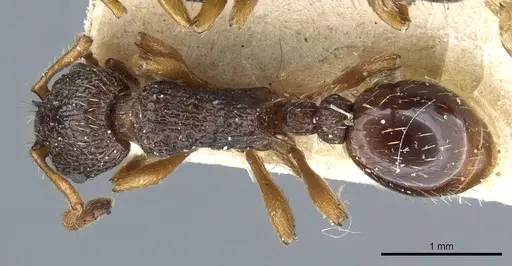
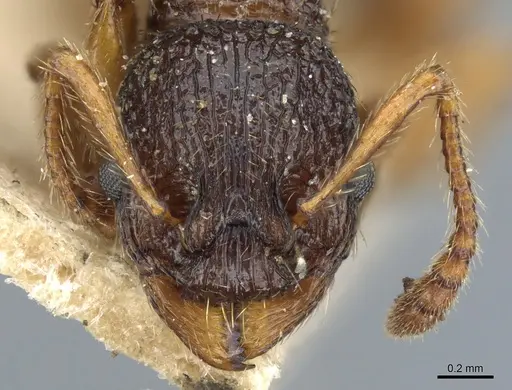
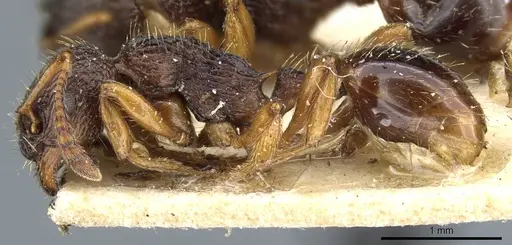
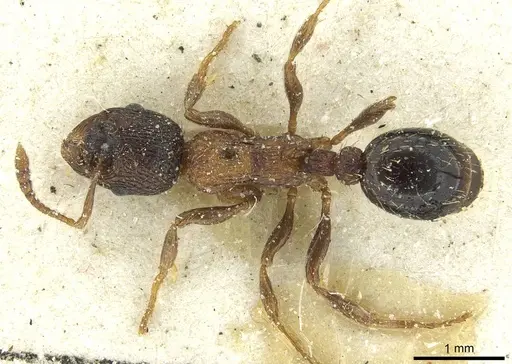
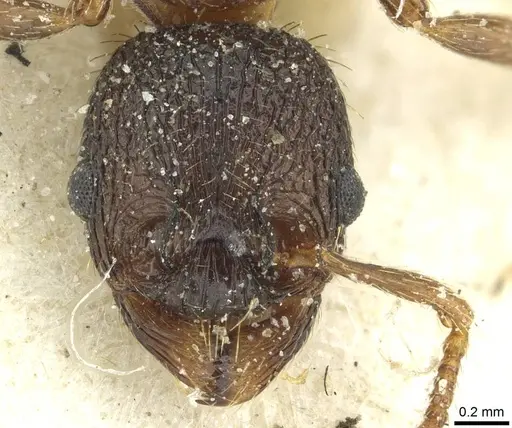
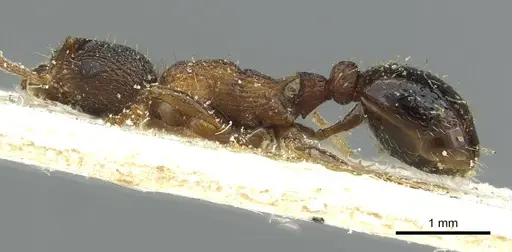
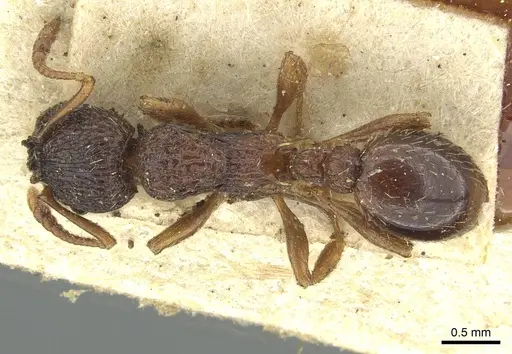
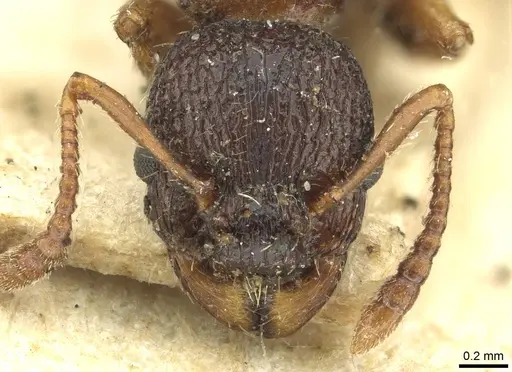
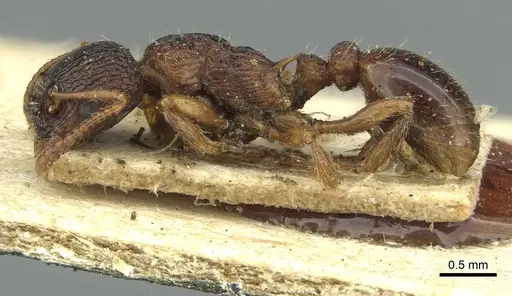
Myrmica lobulicornis is a small to medium-sized Myrmica ant native to mountainous regions of southern and central Europe. Workers are typical Myrmica with a dark brown body and distinctive curved scape (antenna) that has a small vertical lobe or projection at the bend, this is what gives the species its name (lobulicornis means 'small horned antenna'). Queens are relatively small at head width ≤1.10mm and alitrunk length 0.75mm. This species belongs to the lobicornis-complex and was only separated from its close relative Myrmica lobicornis in 2005,so many older records may be confusing [1].
What makes M. lobulicornis interesting is its preference for high-altitude open habitats. Unlike its close relative M. lobicornis which favors shadier spots, this species lives in more open montane to subalpine grasslands and light forests across the Pyrenees, Alps, Massif Central, and northern Apennines at elevations between 1000-2700m [1]. It's also the primary host for the rare social parasite Myrmica myrmicoxena [2].
Quick Summary
- Difficulty: Medium
- Origin & Habitat: Mountainous regions of southern and central Europe including the Pyrenees, Alps, Massif Central, and northern Apennines. Found in Andorra, Austria, France, Italy, Spain, and Switzerland. Typical species of open montane to subalpine grassland or light forest at 1000-2700m elevation [1][3].
- Colony Type: Monogyne (single queen) colonies confirmed. Polygynous colonies also possible in some populations. Queens can have ergatoid (wingless) replacement reproductives [1].
- Colony: Optionally polygyne
- Founding: Claustral
- Size & Growth:
- Queen: Head width ≤1.10mm, alitrunk 0.75mm [1]. Estimated 5-6mm total length.
- Worker: Typical Myrmica worker size, approximately 4-5mm [4].
- Colony: Generally larger colonies than M. lobicornis. One study found colonies up to 500-1000 workers in optimal habitats [5]. Estimated maximum around 500-1000 workers based on similar species.
- Growth: Moderate, typical Myrmica development. Expect first workers (nanitics) in 6-10 weeks at optimal temperature.
- Development: 6-10 weeks at optimal temperature (estimated based on genus-level data for Myrmica species) (Development time depends on temperature, cooler high-altitude conditions will slow development. Nanitics (first workers) are smaller than normal workers.)
- Antkeeping:
- Temperature: Keep cool, this is a high-altitude species that prefers temperatures below 25°C. Ideal range is 18-24°C. Research shows they prefer mean soil temperatures below 10°C and maximum soil temperatures below 20°C in the wild [6]. Avoid overheating.
- Humidity: Moderate humidity. They prefer somewhat damp conditions but not waterlogged. Keep nest substrate moist but allow some drying between waterings. This matches their montane grassland habitat.
- Diapause: Yes, as a temperate/montane species, they require a winter dormancy period. In the wild, colonies experience cold winters at high altitude. Provide 2-3 months of hibernation at 5-10°C during winter months.
- Nesting: Y-tong (AAC) nests or plaster nests work well. They nest in soil under stones in the wild. Provide a nest with chambers sized appropriately for their moderate colony size. A naturalistic setup with soil and flat stones can also work.
- Behavior: Workers are active foragers that search among vegetation stems, less cryptic than M. lobicornis. They will defend the nest if threatened but are not particularly aggressive. Like most Myrmica, they have a functional stinger but rarely sting unless handled roughly. Escape risk is moderate, use standard Myrmica escape prevention (Fluon on container edges, tight-fitting lids).
- Common Issues: high altitude species overheats easily, keep below 25°C or colonies may decline, requires winter diapause, failing to hibernate colonies can cause health problems, confused with M. lobicornis in older literature, ensure you have correctly identified species, colonies may be slow to establish, patience needed during founding phase, wild-caught colonies may carry parasites that can kill captive colonies
Housing and Nest Preferences
Myrmica lobulicornis does well in Y-tong (AAC) nests or plaster formicariums. In the wild, they nest in soil under stones in open montane to subalpine habitats, so replicate this by providing a moist soil chamber or appropriate nest material. Because they come from high elevations, they do not tolerate heat well, keep their setup in a cool room and avoid direct sunlight on the nest. A small water tower or reservoir connected to the nest helps maintain appropriate humidity without flooding. Test tube setups can work for founding colonies but transfer to a proper formicarium once the colony reaches 20-30 workers. The colony will need space to expand as it grows, so choose a nest size appropriate for a medium-sized Myrmica colony. [1][6]
Feeding and Diet
Like other Myrmica species, M. lobulicornis is omnivorous with a preference for protein. Feed them small insects like fruit flies, pinhead crickets, mealworms, or other appropriately-sized prey twice weekly. They also accept sugar sources, offer diluted honey or sugar water, though protein should form the bulk of their diet. In the wild, they forage among vegetation stems and likely catch small invertebrates. Some keepers report they accept seeds and honeydew as well. Remove uneaten prey after 24-48 hours to prevent mold issues. A constant sugar source helps sustain workers between protein feedings. [4]
Temperature and Seasonal Care
This is a cool-adapted species. Keep the nest area at 18-24°C, never exceed 25°C. In the wild, they live at elevations where mean soil temperatures stay below 10°C and maximum temperatures rarely exceed 20°C [6]. During summer, ensure good ventilation and consider placing the nest in a cooler location. In winter, provide a proper diapause period of 2-3 months at 5-10°C ( refrigerator temperature works well). Place the colony in a dark, quiet location during hibernation and reduce feeding to once monthly or less. Do not feed heavily during diapause. Resume normal care in spring when temperatures rise.
Colony Development and Growth
M. lobulicornis colonies develop at a moderate pace typical for Myrmica. A claustral queen will seal herself in a chamber and lay eggs within a week or two of mating. Eggs develop through larvae and pupae to produce first workers (nanitics) in approximately 6-10 weeks at optimal temperature. Nanitics are smaller than normal workers but will begin foraging to support the colony. Growth rate depends on temperature, cooler conditions slow development, which is natural for this high-altitude species. Colonies can reach several hundred workers over several years. The species is known to have larger colonies than its close relative M. lobicornis [4].
Behavior and Temperament
Workers are active foragers that search for food both on the ground and among vegetation stems, less cryptic than M. lobicornis and more similar to M. scabrinodis in their foraging style [4]. They will recruit nestmates to good food sources through chemical trails. When threatened, they can defend aggressively but are not considered dangerous to humans. Their stinger is present but small and rarely penetrates human skin. They are not strong escape artists compared to some tiny ant species, but standard escape prevention (Fluon barrier, tight lids) should still be used. The species shows interesting chemical profiles, cuticular hydrocarbons are very different from sibling species M. lobicornis and M. wesmaeli, which helps prevent hybridization [7].
Legal and Ethical Considerations
Myrmica lobulicornis is native to Europe and should not be released outside its natural range. If you obtained your colony from a location outside its native range, do not release it. This species is not invasive but introducing non-local ant species can disrupt native ecosystems. Always verify the source of any wild-caught colony and comply with local regulations regarding ant collection and keeping. [3]
Frequently Asked Questions
How long does it take for Myrmica lobulicornis to produce first workers?
Expect first workers (nanitics) in 6-10 weeks after the queen lays eggs, assuming optimal temperature around 20-24°C. Cooler conditions will slow development, this is normal for a high-altitude species.
Do Myrmica lobulicornis ants sting?
Yes, they have a stinger, but it's small and rarely penetrates human skin. Most keepers report they are not aggressive and only sting when handled roughly or threatened directly.
What temperature do Myrmica lobulicornis need?
Keep them cool, between 18-24°C. This is a high-altitude species that prefers cooler conditions and can be harmed by temperatures above 25°C. Never place their nest in direct sunlight or hot rooms.
Do Myrmica lobulicornis need hibernation?
Yes, they require a winter diapause period. Provide 2-3 months of hibernation at 5-10°C during winter months. This is essential for colony health and mimics their natural high-altitude seasonal cycle.
How big do Myrmica lobulicornis colonies get?
Colonies can reach 500-1000 workers based on field data showing moderate-sized colonies at high altitude [5]. They are generally larger than the related M. lobicornis.
Can I keep multiple Myrmica lobulicornis queens together?
This species can form polygynous (multi-queen) colonies in the wild, but combining unrelated foundress queens in captivity is risky and not well-documented. It's safer to start with a single queen colony.
What do Myrmica lobulicornis eat?
They are omnivorous with a protein preference. Feed small insects like fruit flies, pinhead crickets, or mealworms twice weekly. They also accept sugar water or honey. Remove uneaten prey after 24-48 hours.
Is Myrmica lobulicornis good for beginners?
This is a medium-difficulty species. They are more forgiving of mistakes than some tropical ants but require cooler temperatures and winter hibernation. Experience with Myrmica or other temperate ants is helpful.
How do I identify Myrmica lobulicornis?
Look for the distinctive curved scape with a small vertical lobe at the bend (the 'horn' in the name). They are very similar to M. lobicornis, the main difference is a wider frons (mean PI 0.34 vs 0.28) and more southerly distribution [1]. Consult expert identification if uncertain.
Why are my Myrmica lobulicornis dying?
Common causes include: overheating (keep below 25°C), improper humidity (too wet or too dry), lack of hibernation, or parasites from wild-caught colonies. Check temperature first, this species easily overheats. If from the wild, parasites are a common issue.
References

This caresheet is licensed under CC BY-SA 4.0 .
Literature
Loading...Loading products...