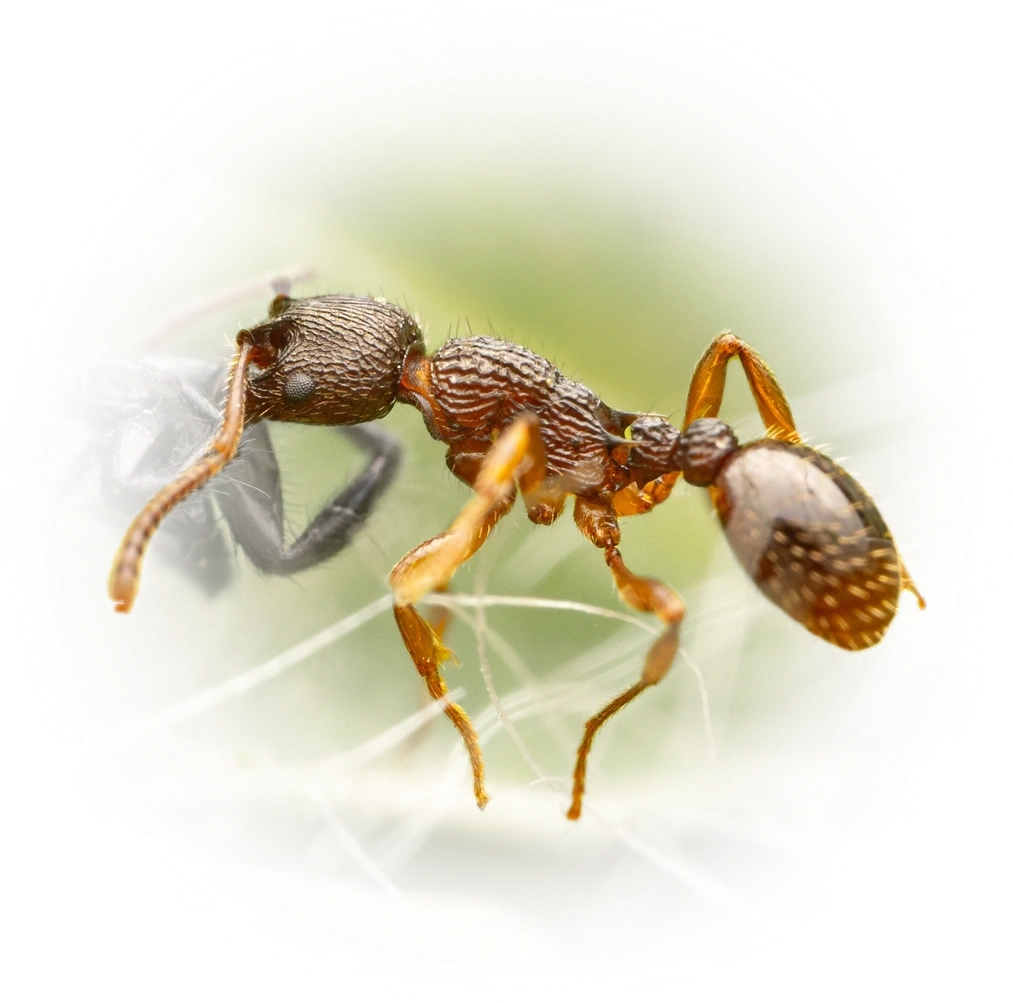

Myrmica lobicornis
- Scientific Name
- Myrmica lobicornis
- Tribe
- Myrmicini
- Subfamily
- Myrmicinae
- Author
- Nylander, 1846
- Distribution
- Found in 16 countries
Myrmica lobicornis Overview
Myrmica lobicornis is an ant species of the genus Myrmica. It is primarily documented in 16 countries , including Belgium, Switzerland, Germany. Detailed taxonomic data and occurrence records can be further explored via authoritative databases such as AntWeb or the Global Biodiversity Information Facility (GBIF).
Myrmica lobicornis
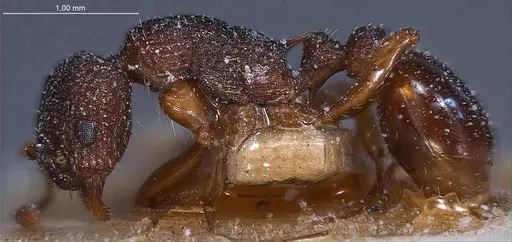
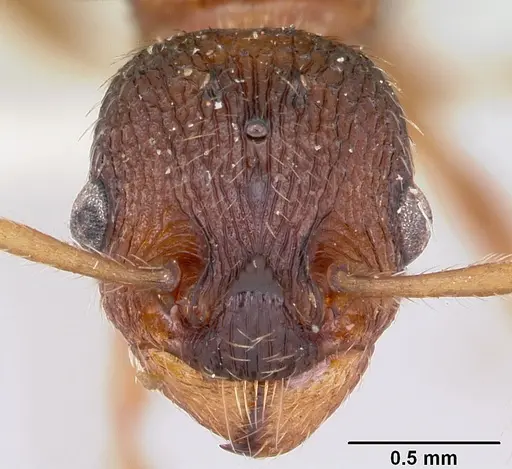
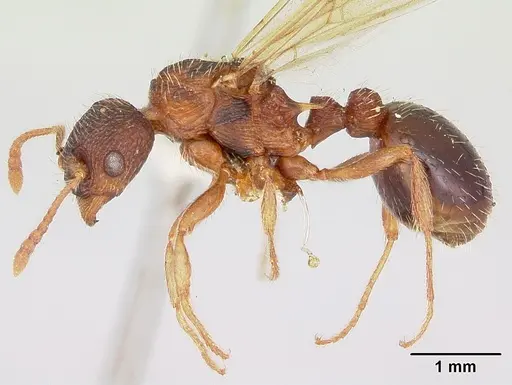
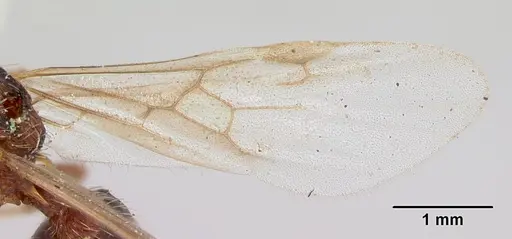
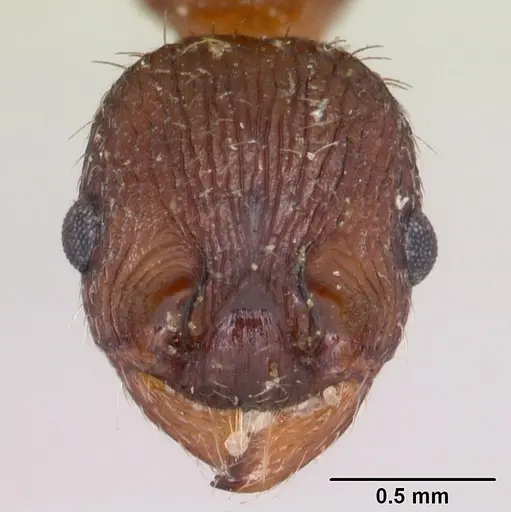
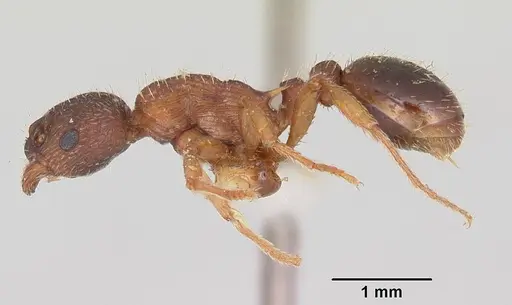
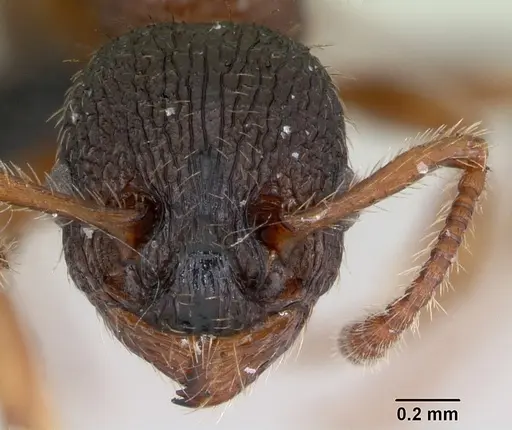
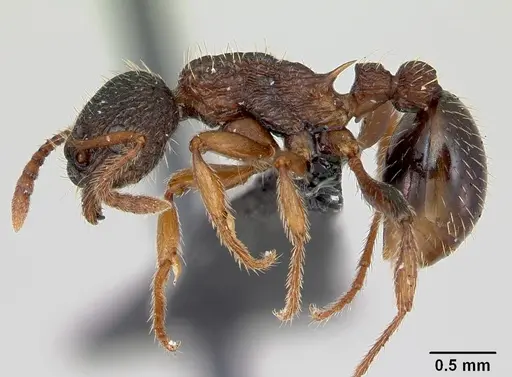
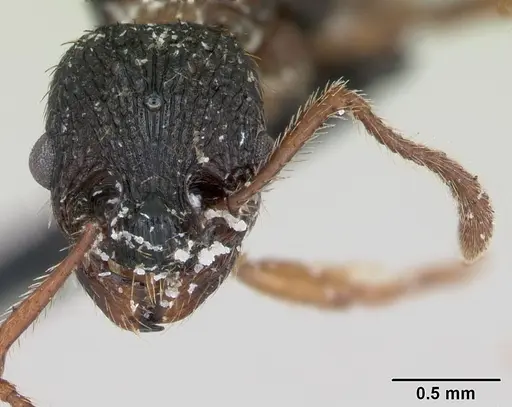
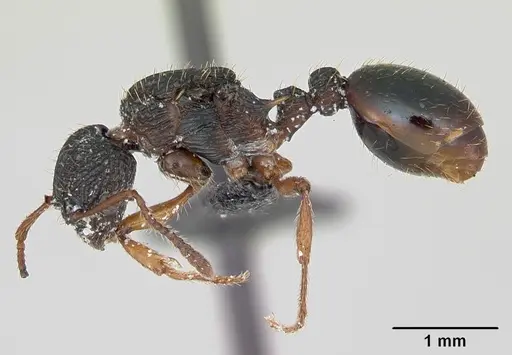
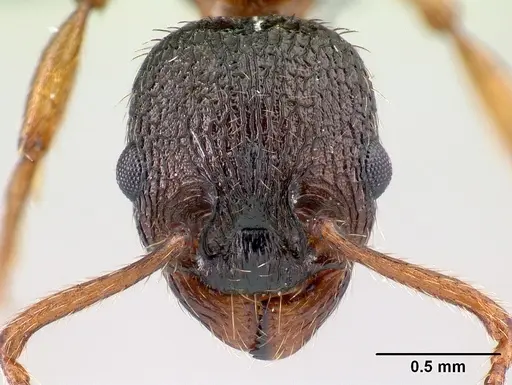
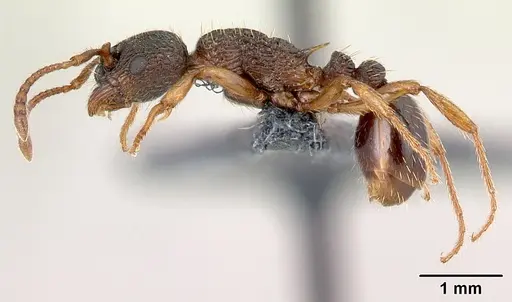
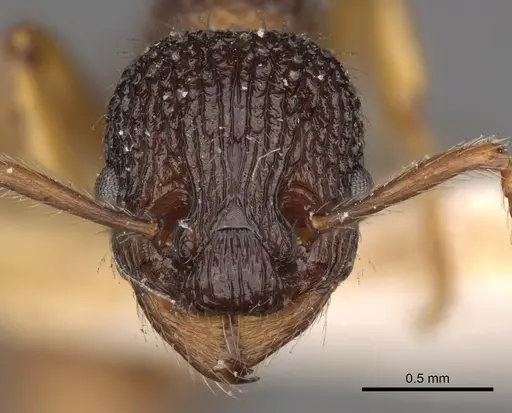
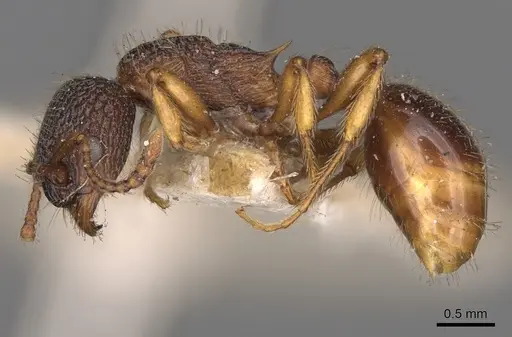
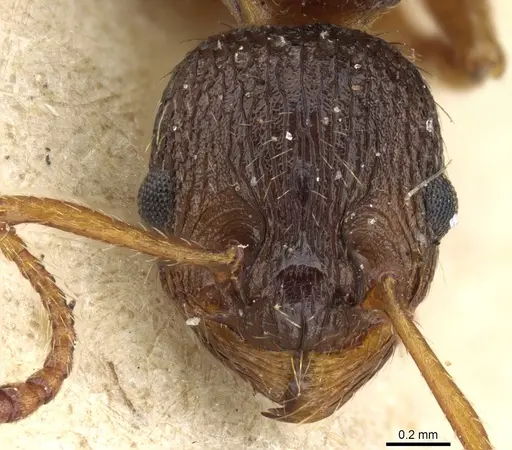
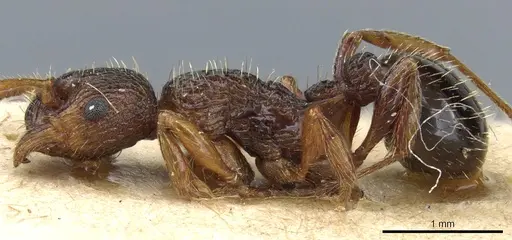
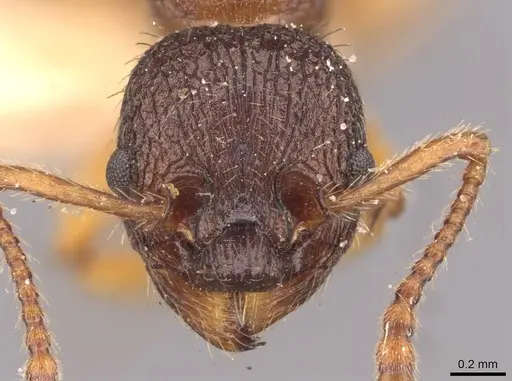
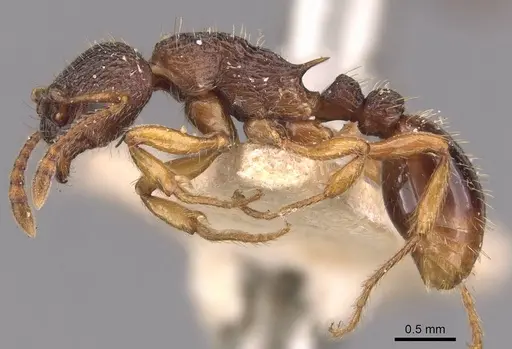
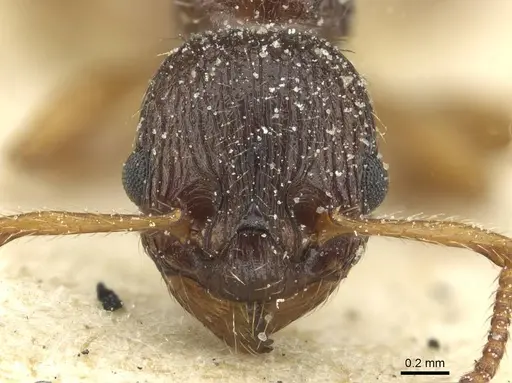
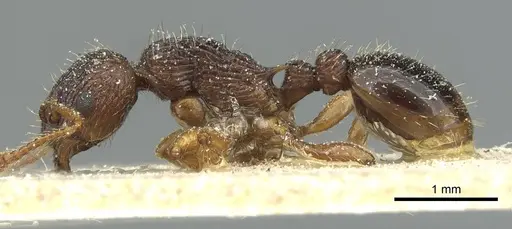
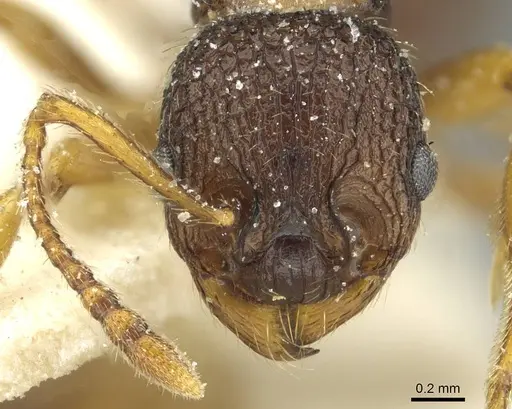
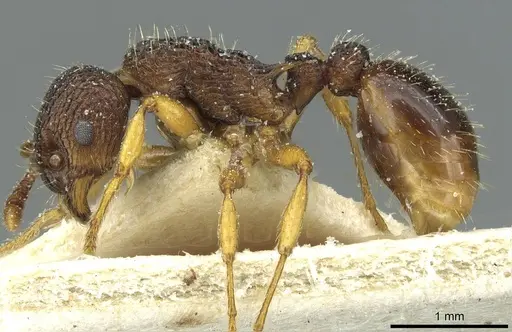
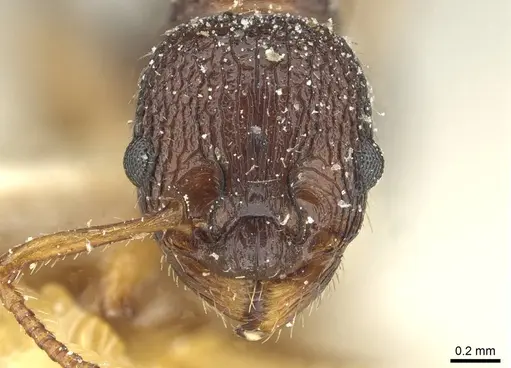
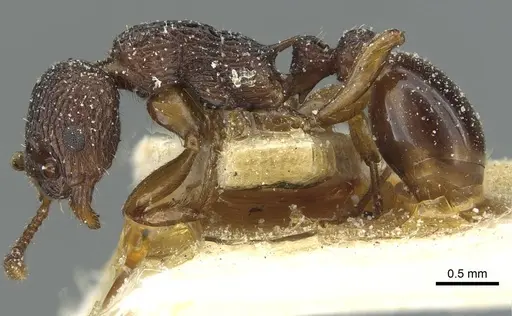
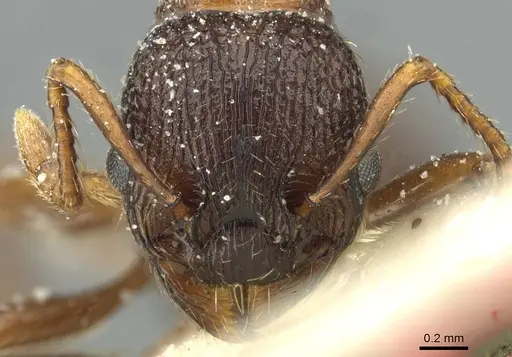
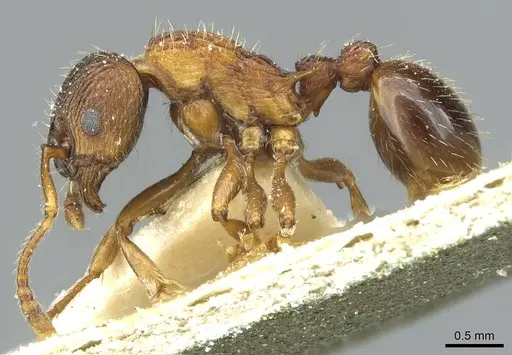
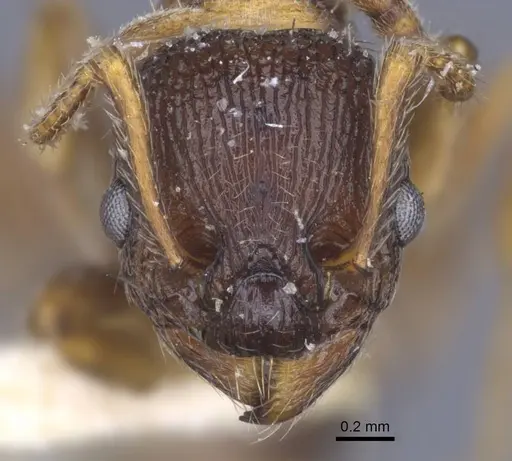
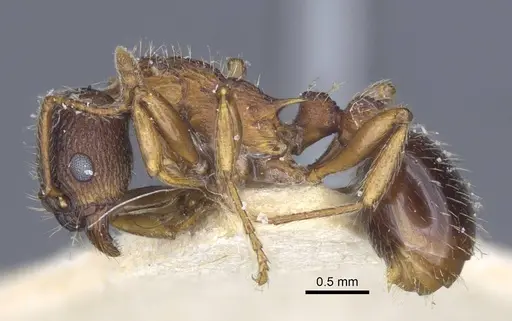
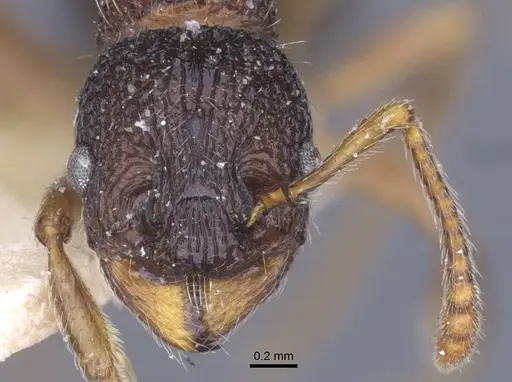
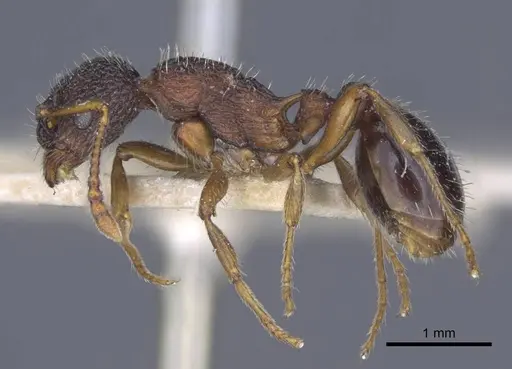
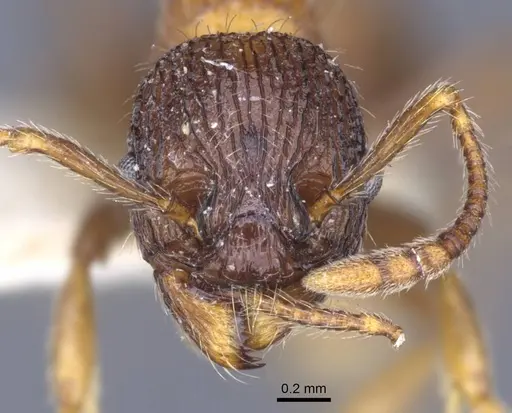
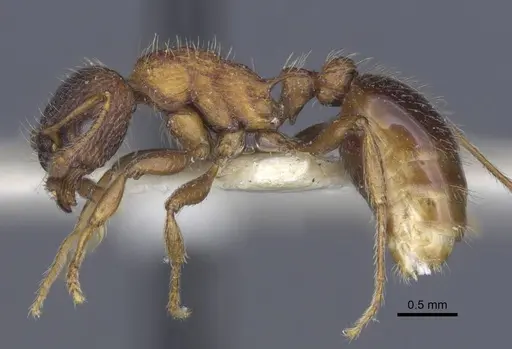
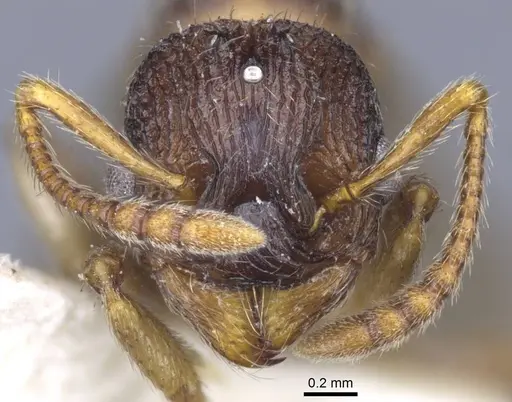
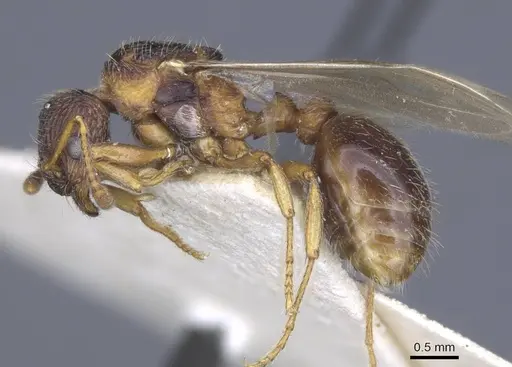
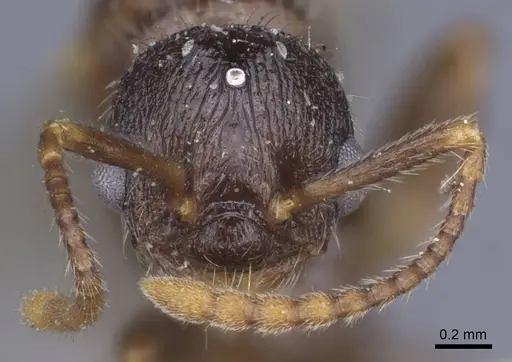
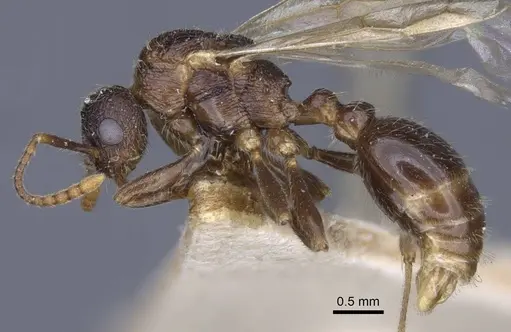
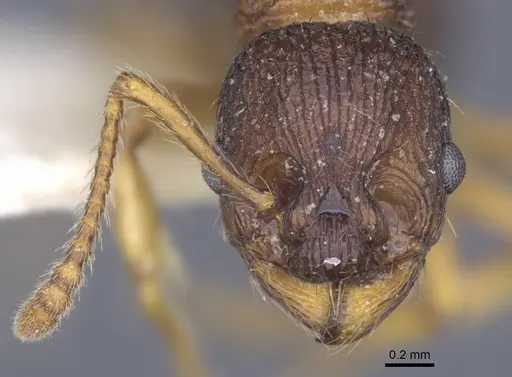
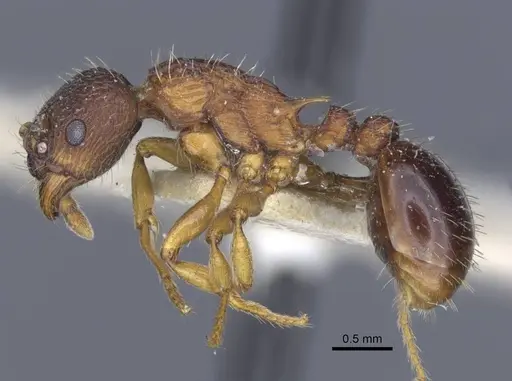
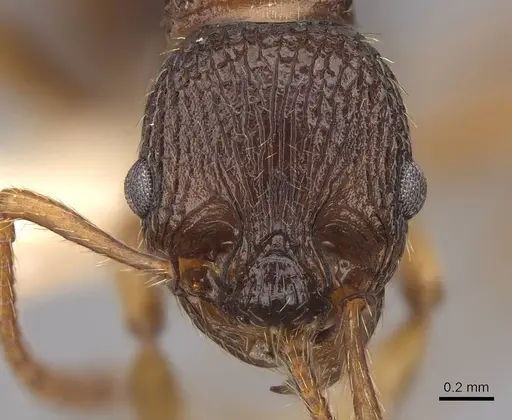
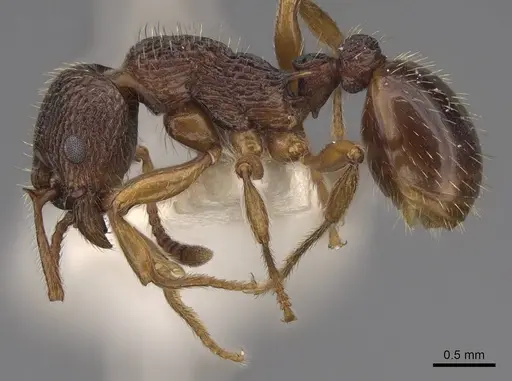
Myrmica lobicornis is a small to medium-sized Myrmica ant native to the Palaearctic region, ranging from the British Isles across Europe to Siberia. Workers measure 3.5-5mm with a distinctive upward-pointing lobe or tooth at the bend of the antennal scape, this is the feature that gives them their name 'lobicornis' (lobe-horned). They are bicolored: reddish-brown thorax with a darker head and abdomen, though coloration varies across their range. This is one of the least aggressive Myrmica species, with workers foraging singly rather than in groups [1][2].
What makes M. lobicornis interesting is its boreo-montane distribution, it's common in northern Europe and mountainous regions but never abundant anywhere in its range. It prefers coniferous forests but also inhabits mixed forests, meadows, and pastures. Colonies are small, typically containing only 200-500 workers, and they nest in soil, leaf litter, moss, under stones, and in rock crevices [3][4]. This species also serves as a host for Phengaris (Maculinea) butterflies, particularly the large blue butterfly Phengaris arion [5][6].
Quick Summary
- Difficulty: Medium
- Origin & Habitat: Boreal-montane species native to the Palaearctic region, from the British Isles east to Siberia and Mongolia. Found across northern Europe and in mountains of Central and Southern Europe. Prefers coniferous forests but also inhabits mixed forests, meadows, and pastures. In mountains it occurs on subalpine meadows and mountain tundra [1][3][7].
- Colony Type: Monogyne (single queen) colonies with typically 200-500 workers. Some research suggests facultatively polygynous populations may exist in northern areas, but the typical structure is single-queen colonies with several hundred workers [1][2][8].
- Colony: Monogyne
- Founding: Semi-claustral
- Size & Growth:
- Antkeeping:
- Temperature: Keep at 18-24°C. This is a boreo-montane species that prefers cooler conditions than many other Myrmica. Room temperature (around 20°C) is ideal. Avoid temperatures above 25°C [12].
- Humidity: Moderate humidity. They prefer relatively dry and warm conditions in nature. Keep nest substrate moist but not waterlogged, with some drier areas available. They avoid extremely wet conditions [13][1].
- Diapause: Yes, this species requires winter hibernation. In their native range, nuptial flights occur July-August, and colonies experience cold winters. Provide 3-4 months of cold diapause at 5-10°C during winter months [2][9].
- Nesting: Use a test tube setup for founding colonies, transitioning to a formicarium as the colony grows. They nest in soil, moss, and under stones in the wild, so a naturalistic setup with moist substrate works well. Y-tong (AAC) nests or plaster nests with chambers scaled to their small size are suitable. Provide access to a water tube and keep the nest moderately humid [1][9].
- Behavior: Workers are among the least aggressive of all Myrmica species. They forage individually rather than in groups, searching for small arthropods and honeydew. They are not territorial or dominant, in fact, they are considered a subordinate species in ant communities. Workers have a functional sting but rarely use it defensively, which is why they've earned the Dutch name 'kalme steekmier' (calm stinging ant). They are not escape artists and can be kept in standard setups, though their small size means some escape prevention measures are advisable [2][14][1].
- Common Issues: Small colony size means slow population growth, don't expect rapid expansion, Semi-claustral founding requires the queen to leave the nest to forage, which can be risky, provide small prey items during founding, Rare in the wild throughout their range, finding a colony can be difficult, They are subordinate in ant communities and may struggle if housed with more aggressive species, Requires winter diapause, colonies that aren't properly cooled may fail to thrive or produce reproductives
Housing and Setup
For a newly caught queen or small colony, a test tube setup works well for the founding stage. Fill a test tube about 1/3 with water and plug the open end with cotton, this creates a humid chamber. Cover the tube with a dark cloth to simulate a nest chamber underground. Once the colony reaches 20-30 workers, you can transition to a small formicarium. Y-tong (AAC) nests work well because they allow you to control humidity easily. You can also use a naturalistic setup with a container filled with moist soil/sand mix, pieces of moss, and flat stones on top for nesting sites. The key is providing a moisture gradient so ants can choose their preferred humidity zone. A small outworld for foraging allows you to offer food away from the nest [9][1].
Feeding and Diet
Myrmica lobicornis is a generalist predator that feeds on small invertebrates and also tends aphids for honeydew. In captivity, offer a varied diet: small live insects like fruit flies, pinhead crickets, and mealworms are excellent protein sources. They also readily accept sugar water, honey, or diluted maple syrup. For the founding queen, provide small prey items, she needs to hunt during the semi-claustral founding stage. Once workers emerge, continue offering protein 2-3 times per week and keep a sugar source available constantly. Remove any uneaten prey after 24 hours to prevent mold. In the wild, they forage singly for small arthropods and their remains, so they don't need large prey items [1][9][16].
Temperature and Seasonal Care
This is a boreo-montane species that naturally occurs in cooler climates. Keep the nest at 18-24°C, with room temperature around 20°C being ideal. They can tolerate brief periods slightly outside this range but avoid prolonged heat above 25°C. In winter, they require a diapause period, this is essential for their health and for triggering reproductive behavior. During winter (roughly November-February in the Northern Hemisphere), move the colony to a cold location like an unheated garage or refrigerator at 5-10°C. Keep the substrate slightly moist during diapause but not wet. After hibernation, gradually warm them back to room temperature in spring. Nuptial flights occur in July-August in the wild, so your colony may produce reproductives after a proper winter rest [2][12][9].
Behavior and Colony Dynamics
Myrmica lobicornis colonies are small and slow-growing compared to many common ant species. A mature colony might have only 200-500 workers, and they never form the large supercolonies seen in some other Myrmica. Workers are solitary foragers, they don't recruit nestmates to food sources using tandem running or pheromone trails like some ants. Instead, each worker searches independently for prey and honeydew. This species is non-aggressive and is actually considered subordinate in ant communities, they'll typically retreat from conflicts with more dominant ants. They have a sting but rarely use it defensively, which is why they're called the 'calm stinging ant.' The queen lives about 2 years in the wild, and colonies can persist for several years with queen replacement [1][2][14].
Growth and Development
Colony growth is relatively slow compared to many tropical ants. The semi-claustral founding method means the queen must leave the nest to hunt for food to feed her first brood, which takes time and carries risk. Development from egg to worker likely takes 6-10 weeks at optimal temperatures, similar to other Myrmica species. The first workers (nanitics) will be smaller than normal workers. Growth rate depends on food availability and temperature, feeding well and maintaining proper conditions speeds development. A newly founded colony might take 1-2 years to reach 50 workers, and several more years to reach maximum colony size. Patience is key with this species, they're not going to explode in population like some Formica or tropical species [11][2].
Frequently Asked Questions
How long does it take for Myrmica lobicornis to produce first workers?
Expect 6-10 weeks from egg to first worker at room temperature. The semi-claustral founding method means the queen must forage during founding, which can extend the timeline compared to fully claustral species. First workers (nanitics) will be smaller than normal workers.
Do Myrmica lobicornis ants sting?
Yes, they have a functional sting but rarely use it. They are one of the least aggressive Myrmica species and are considered 'calm', hence the Dutch name 'kalme steekmier' (calm stinging ant). Stings are reportedly painful for such a small ant but are uncommon [14][2].
What temperature do Myrmica lobicornis need?
Keep them at 18-24°C, with around 20°C being ideal. This is a boreo-montane species that prefers cooler conditions than many other ants. Avoid temperatures above 25°C. Room temperature is usually perfect for this species [12].
Do Myrmica lobicornis need hibernation?
Yes, they require a winter diapause. In their native range, they experience cold winters. Provide 3-4 months of cold storage at 5-10°C during winter (roughly November-February). Keep the nest slightly moist during this time. Proper hibernation is important for colony health and for triggering reproductive behavior in spring [2][9].
How big do Myrmica lobicornis colonies get?
Colonies are relatively small, typically reaching 200-500 workers at maturity. They never form large colonies like some Myrmica species. This is one reason they're considered rare throughout their range, they simply don't produce the large worker populations that make them easy to find [1][2].
Can I keep multiple Myrmica lobicornis queens together?
This species is typically monogyne (single queen per colony). While some northern populations may show polygynous tendencies, it's not recommended to combine unrelated queens. If you catch a queen, house her alone for founding. Multiple queens will typically fight unless they have already established a polygyne colony in the wild [1][2].
What do Myrmica lobicornis eat?
They are generalist predators that accept small live insects (fruit flies, pinhead crickets, small mealworms) and also feed on sugar sources like honey water or maple syrup. In the wild, they forage for small arthropods and honeydew from aphids. Offer protein 2-3 times per week and keep sugar water available constantly [1][9].
Are Myrmica lobicornis good for beginners?
They are rated as medium difficulty. They're not the easiest species for beginners because they have specific temperature requirements (preferring cooler conditions), require winter hibernation, and have slower colony growth. However, their calm temperament and small colony size make them manageable. If you're willing to provide proper seasonal care and have patience with slower growth, they can be rewarding [9][2].
Why is my Myrmica lobicornis colony dying?
Common causes include: too high temperatures (above 25°C), improper humidity (too wet or too dry), lack of hibernation in winter, insufficient food (especially protein), or stress from too much disturbance. They also may have been collected with parasites, wild colonies often have internal parasites. Check your temperature, ensure proper hibernation, and provide varied diet. If caught in the wild, the queen may have been old or the colony already declining [12][2].
When should I move Myrmica lobicornis to a formicarium?
Wait until the colony has at least 20-30 workers. Before that, a test tube setup is sufficient and less stressful for the ants. When moving, create a connection between the test tube and the formicarium and let the ants move themselves over several days. Don't force them, they know best where they want to nest [9].
References

This caresheet is licensed under CC BY-SA 4.0 .
ANTWEB1008448
View on AntWeb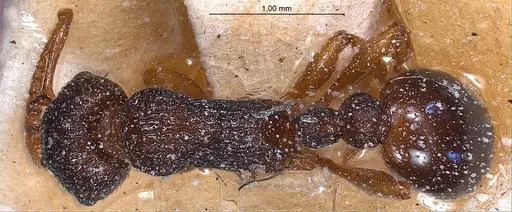
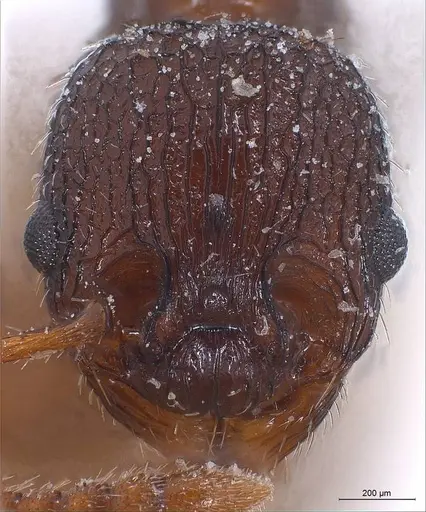
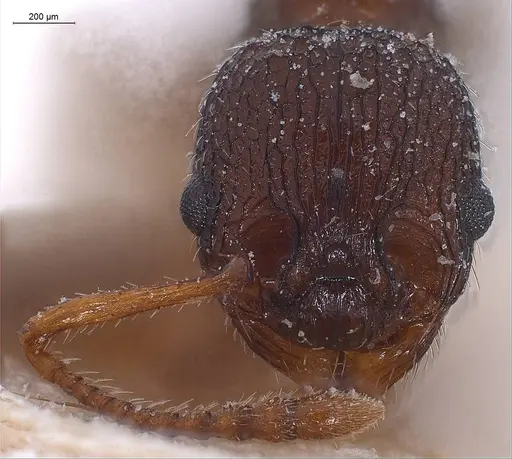
CASENT0103401
View on AntWeb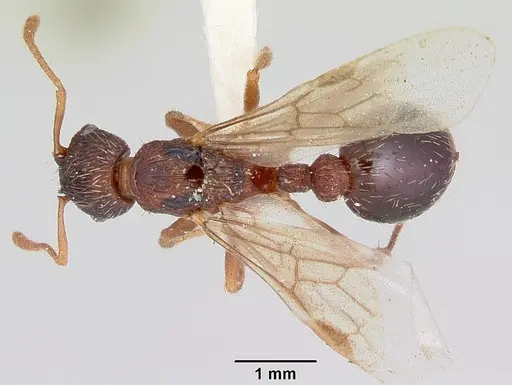
CASENT0103402
View on AntWeb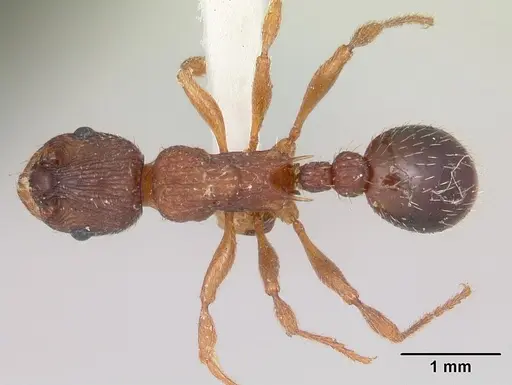
CASENT0172718
View on AntWeb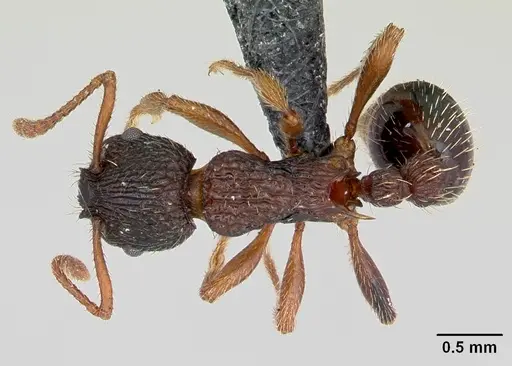
CASENT0172720
View on AntWeb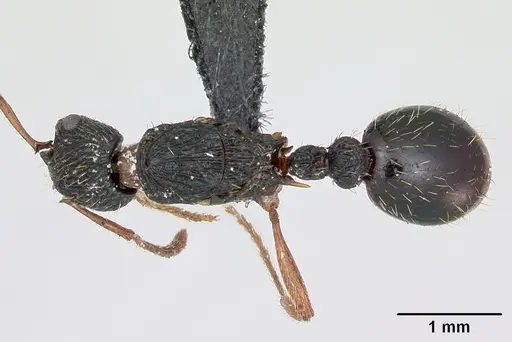
CASENT0179931
View on AntWeb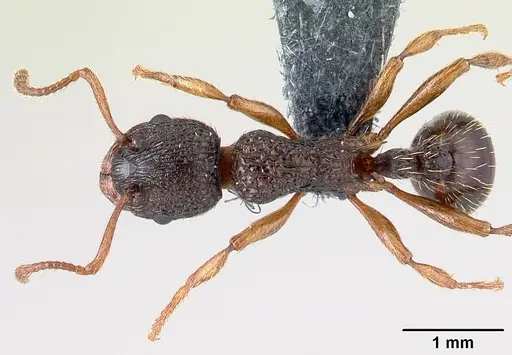
CASENT0900288
View on AntWeb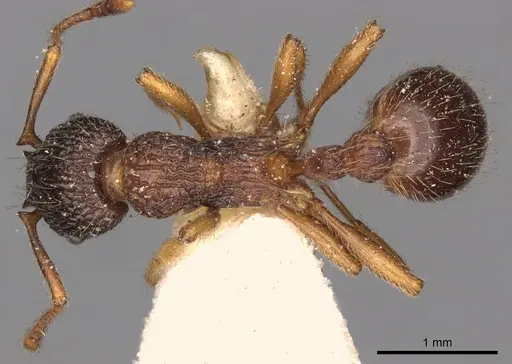
CASENT0904065
View on AntWeb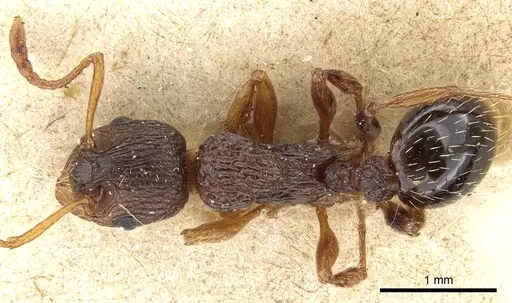
CASENT0907640
View on AntWeb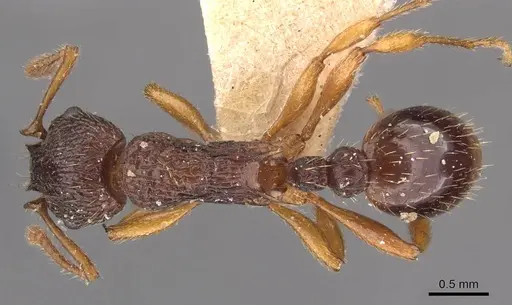
CASENT0913068
View on AntWeb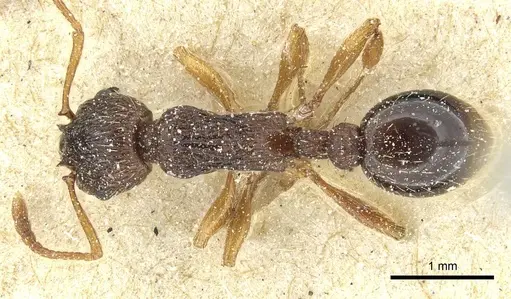
CASENT0913069
View on AntWeb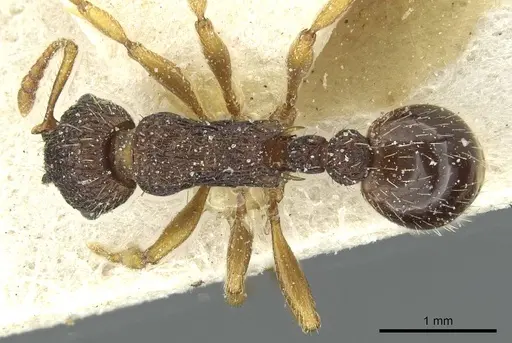
CASENT0913070
View on AntWeb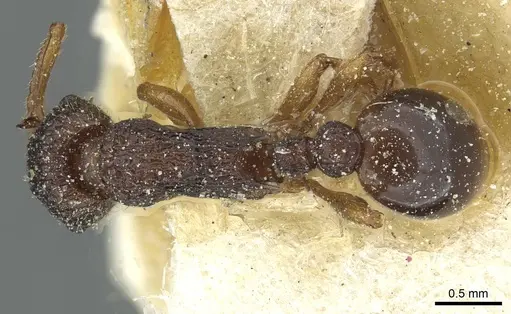
CASENT0913071
View on AntWeb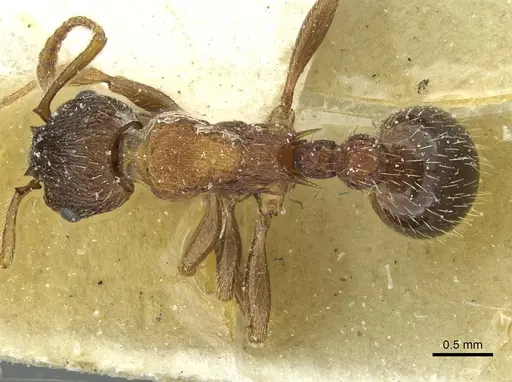
CASENT0916899
View on AntWeb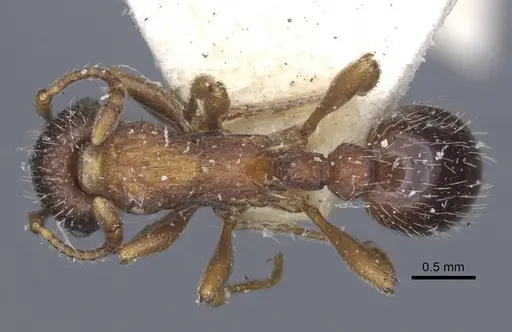
CASENT0916902
View on AntWeb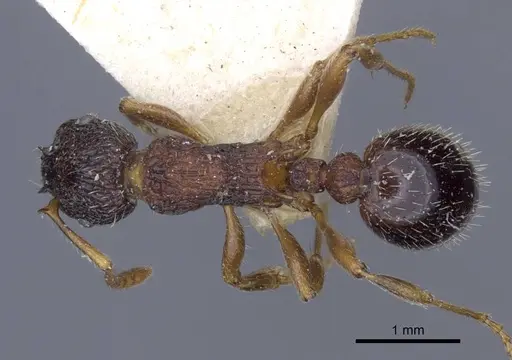
CASENT0916908
View on AntWeb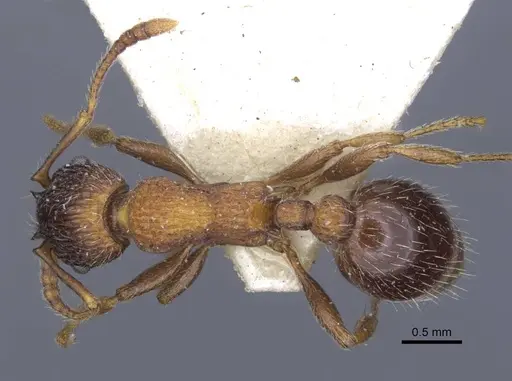
CASENT0916909
View on AntWeb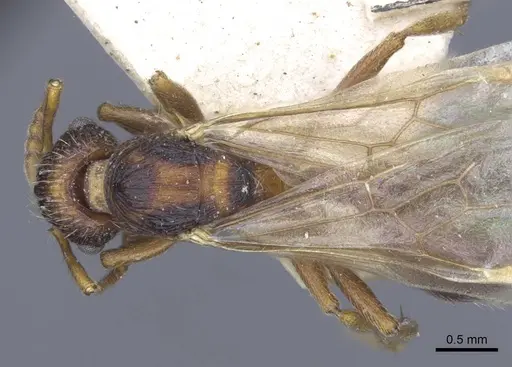
CASENT0916910
View on AntWeb
CASENT0916911
View on AntWeb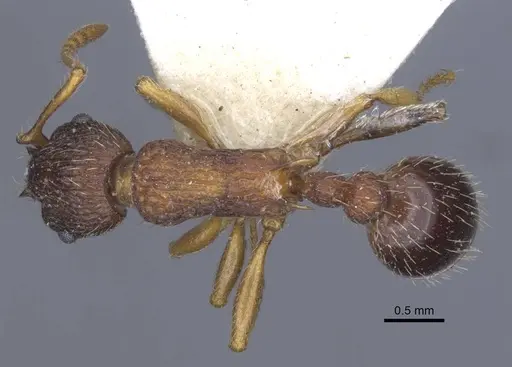
CASENT0922774
View on AntWeb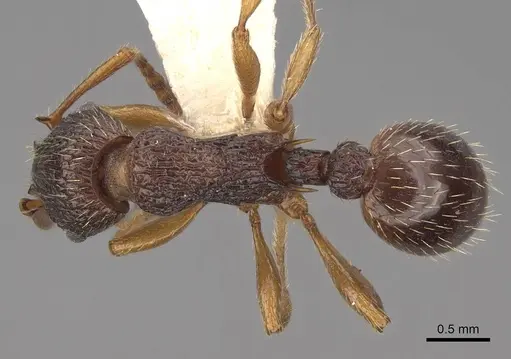
Literature
Loading...Loading products...