

Myrmica kurokii
- Scientific Name
- Myrmica kurokii
- Tribe
- Myrmicini
- Subfamily
- Myrmicinae
- Author
- Forel, 1907
- Distribution
- Found in 2 countries
Myrmica kurokii Overview
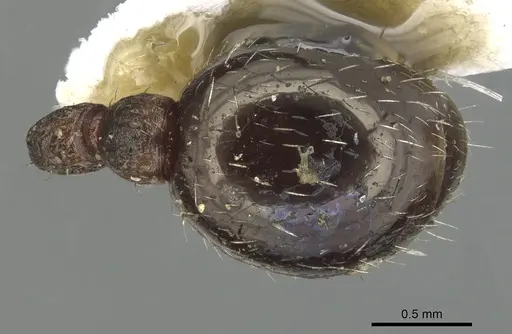
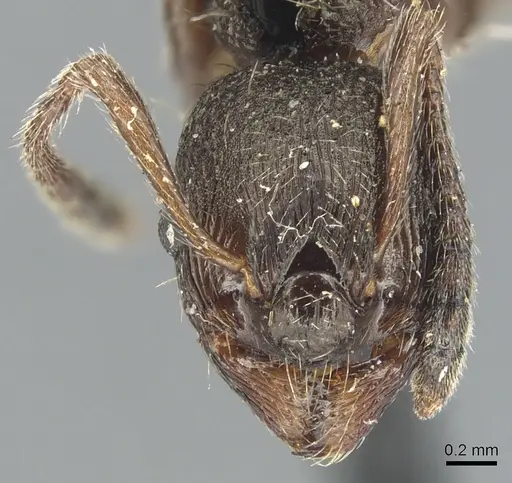
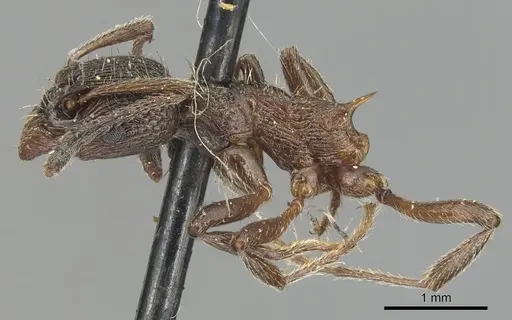
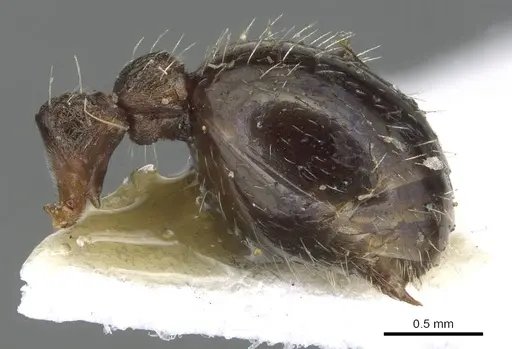
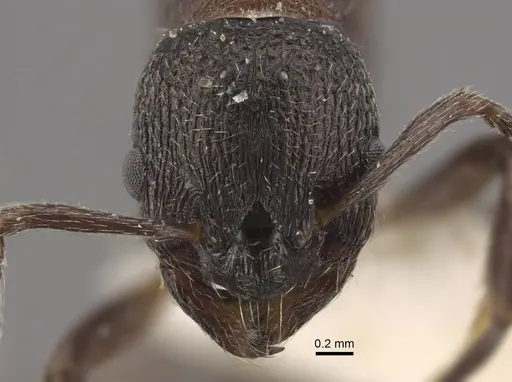
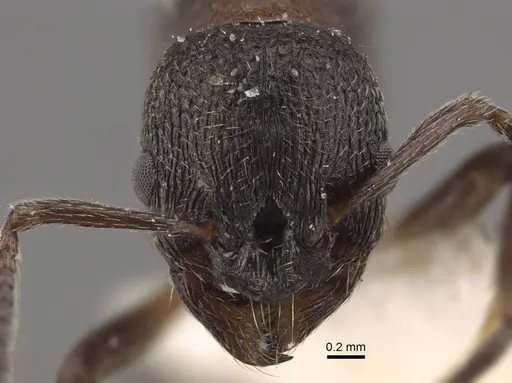
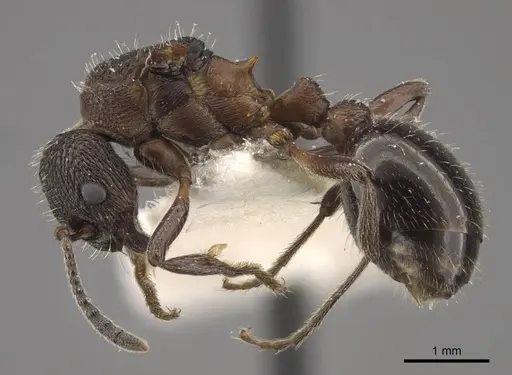
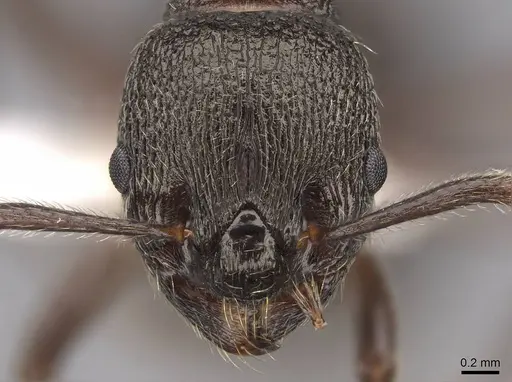
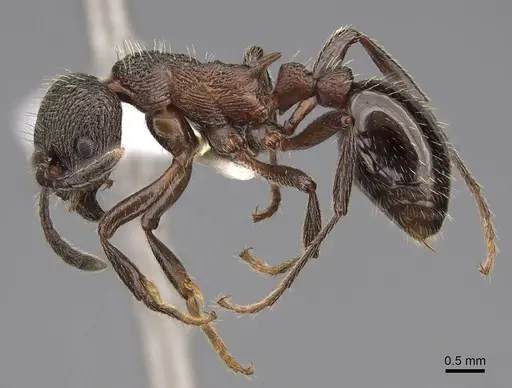
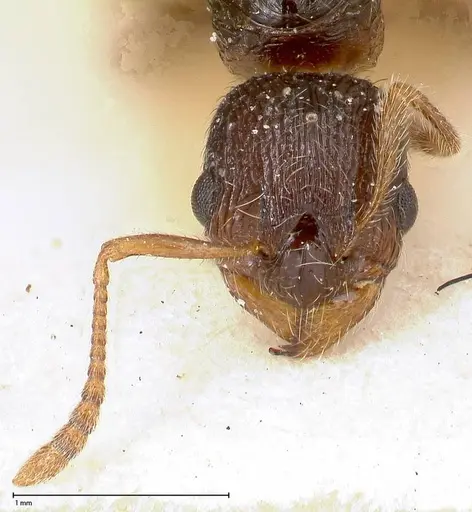
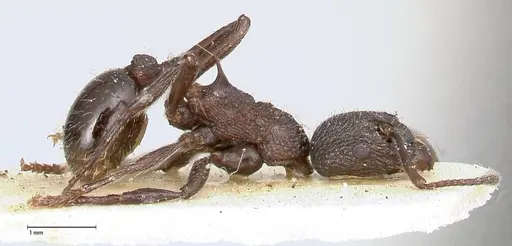
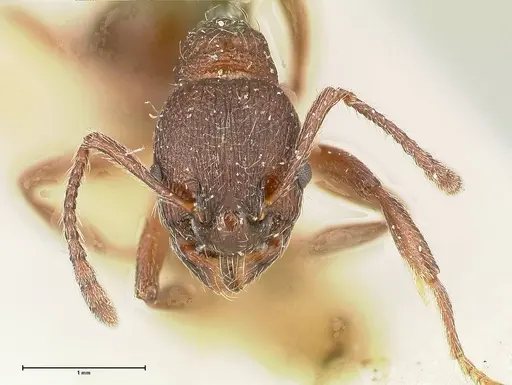
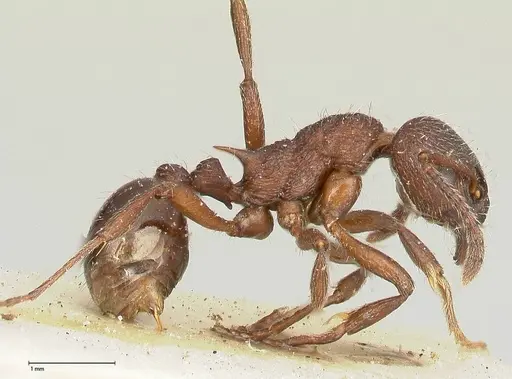
Myrmica kurokii is an ant species of the genus Myrmica. It is primarily documented in 2 countries , including Japan, Korea, Republic of. Detailed taxonomic data and occurrence records can be further explored via authoritative databases such as AntWeb or the Global Biodiversity Information Facility (GBIF).
Myrmica kurokii
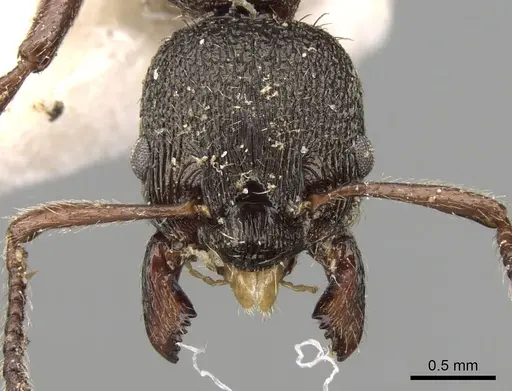
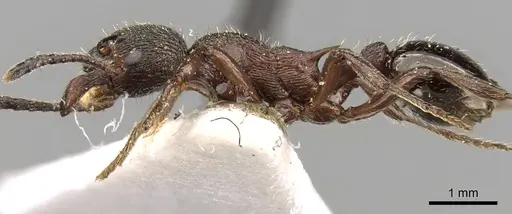
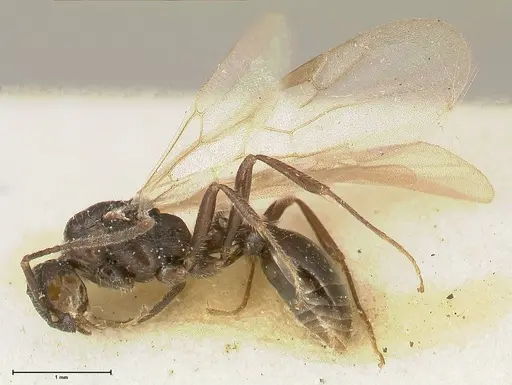
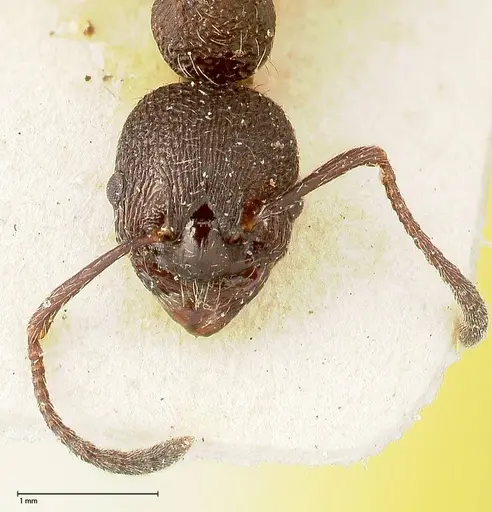
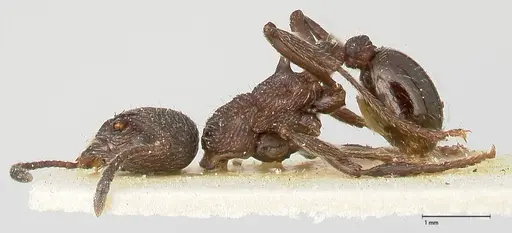
Myrmica kurokii is a large and robust ant species native to East Asia, found across Japan, the Korean Peninsula, northeastern China, and the Russian Far East [1]. These ants inhabit mountain forests at elevations between 1000 and 2600 meters, with a preference for fir, spruce, larch, and birch forests around 1600-2000m altitude [2]. In forested areas, they nest almost exclusively in rotten wood, while in open habitats like meadows they construct moss mounds and nest in soil under stones or dead wood. The species was originally described as a subspecies of Myrmica rubra in 1907 before being raised to full species status by Emery in 1908. A notable characteristic is their role as a host species for endangered Phengaris (Maculinea) butterflies, they are a documented host for Phengaris nausithous and associated with Phengaris atroguttata [3][4].
Quick Summary
- Difficulty: Medium
- Origin & Habitat: Mountain forests of East Asia (Japan, Korean Peninsula, northeastern China, Russian Far East) at 1000-2600m elevation, preferring cool coniferous and mixed forests with high humidity [1][2]
- Colony Type: Likely monogyne (single queen) based on typical Myrmica patterns, though colony structure is not directly studied for this species
- Colony: Monogyne
- Founding: Claustral
- Size & Growth:
- Queen: Estimated 7-9mm based on large and robust species description and comparison to related Myrmica [2]
- Worker: Estimated 4-6mm based on genus typical sizes [2]
- Colony: Estimated moderate colony size (several hundred workers) based on similar mountain-forest Myrmica species
- Growth: Moderate, typical Myrmica development patterns
- Development: Estimated 6-10 weeks based on typical Myrmica genus development at optimal temperature (Development time estimated from related Myrmica species, actual timeline may vary based on temperature conditions)
- Antkeeping:
- Temperature: Keep cool to moderate, around 18-22°C. These mountain-forest ants prefer cooler conditions than tropical species, aim for room temperature or slightly below in most homes
- Humidity: High humidity required (60-80%). Their natural habitat in mountain forests and peat bogs is consistently damp. Keep nest substrate moist but not waterlogged, with some drier areas available [2]
- Diapause: Yes, as a mountain-forest species from high latitudes, they require a winter dormancy period. Expect reduced activity from late fall through early spring
- Nesting: Provide nesting options that mimic their natural preferences: rotten wood pieces, cork, or a plaster/acrylic nest with moist substrate. They do well in naturalistic setups that allow them to build in wood or soil. Test tubes work for founding colonies but may need to transition to larger setups as the colony grows [2]
- Behavior: Myrmica kurokii is a typical Myrmica ant, moderately aggressive when disturbed, with a functional sting. Workers are active foragers, primarily hunting small invertebrates and tending aphids for honeydew. They are not escape artists but should be monitored given their moderate worker size. Colonies show typical Myrmica territorial behavior and will defend their nest vigorously. As a mountain species, they are adapted to cooler, more variable conditions than lowland ants
- Common Issues: cool temperature requirements may be challenging in warm homes, consider air conditioning or placement in cooler rooms, high humidity needs can lead to mold problems if ventilation is poor, winter dormancy is essential but beginners often struggle with proper hibernation conditions, as a host for Phengaris butterflies, wild colonies may have associated parasites that could affect captive colonies, slow founding phase, Myrmica queens can take months to raise first workers, requiring patience
Natural History and Distribution
Myrmica kurokii is an East Asian mountain ant with a range spanning Japan (including Hokkaido and Honshu), the Korean Peninsula, northeastern China, and the Russian Far East (Primorye region) [1]. These ants are strongly associated with cool, high-altitude habitats, they are found primarily in mountain forests between 1000 and 2600 meters elevation, with the highest densities around 1600-2000m [2]. Their preferred habitats include coniferous forests (fir, spruce, larch) and mixed forests with birch, though they also inhabit juniper bushes, peat bogs, subalpine meadows, and mountain tundra. In Japan, they can also be found in grasslands. This preference for high-altitude, cool environments makes them distinct from many lowland Myrmica species and influences their care requirements in captivity.
Nesting Preferences
In their natural forest habitat, Myrmica kurokii almost exclusively nests in rotten wood, this could be fallen logs, stumps, or decaying wood pieces on the forest floor [2]. In more open habitats like meadows, they construct moss mounds and will nest in soil under stones or fallen wood. For captive care, this translates to several effective options: naturalistic setups with rotten wood pieces or cork as the primary nesting material work well, or you can use a plaster/acrylic formicarium with moist substrate that allows them to excavate. Test tubes can work for founding colonies but these large, robust ants will eventually need more space. The key is providing consistently humid conditions with material they can tunnel through or nest in.
Temperature and Seasonal Care
As mountain-forest ants from high elevations and high latitudes, Myrmica kurokii prefers cool to moderate temperatures, think low-to-mid 20s°C at most, with many keepers successfull keeping them around 18-22°C. This makes them somewhat challenging in warm homes, especially during summer. A heating cable is generally NOT recommended, instead, consider placing the colony in a naturally cool location or using room air conditioning during hot periods. Winter dormancy is essential for this species. They should be allowed to cool significantly (approaching outdoor temperatures, roughly 5-10°C) from late fall through early spring. This mimics their natural cycle in mountain forests where temperatures drop substantially in winter. Reduce feeding during the cold period and minimize disturbance. [2]
Feeding and Diet
Like other Myrmica species, Myrmica kurokii is a generalist predator and scavenger. Their diet in nature consists of small invertebrates (insects, springtails, mites) and honeydew from aphids and scale insects. In captivity, offer a varied diet: protein sources like small crickets, mealworms, fruit flies, and other small insects 2-3 times per week. Sugar sources are also important, they will readily accept sugar water, honey, or diluted honey water, especially when raising brood. Fresh water should always be available. During the founding phase, the queen does not forage (she seals herself in and lives off stored fat), but once workers emerge, regular feeding becomes important for colony growth. [2]
Colony Development
Myrmica kurokii colonies follow typical Myrmica development patterns. The claustral queen seals herself in a chamber and raises the first brood alone, living entirely on her stored fat reserves until the first workers (nanitics) emerge. This founding phase can take 6-10 weeks under optimal conditions, though it may take longer in cooler temperatures. The first workers are typically smaller than mature workers but quickly begin foraging to support further growth. Colony growth is moderate, you can expect several hundred workers at maturity over several years. The nuptial flight occurs in August in their native range [2], when alates (reproductives) take to the air for mating.
Host Butterfly Associations
One of the most interesting aspects of Myrmica kurokii is their ecological role as a host for endangered Phengaris (also known as Maculinea) butterflies. They are a documented host for Phengaris nausithous (the dusky large blue butterfly) and are associated with Phengaris atroguttata [3][4]. These butterflies lay their eggs on specific host plants, and the caterpillars are adopted by the ants and raised in their nests as social parasites, the caterpillars eat ant brood and are fed by the ants. This association makes M. kurokii ecologically important in its native range. In captivity, this doesn't directly affect care, but it demonstrates the species' important role in forest ecosystems.
Frequently Asked Questions
How long does it take for Myrmica kurokii to raise first workers?
Expect 6-10 weeks from egg to first worker under optimal conditions. The claustral queen seals herself in and raises the first brood alone, living on stored fat reserves until workers emerge. Cooler temperatures will slow development.
What temperature do Myrmica kurokii ants need?
Keep them cool, around 18-22°C is ideal. These mountain-forest ants prefer temperatures lower than typical room temperature. Avoid heating and instead find a naturally cool location in your home.
Do Myrmica kurokii ants need hibernation?
Yes, they require a winter dormancy period. As high-altitude mountain ants, they need to cool significantly (5-10°C) from late fall through early spring to maintain their natural cycle.
What do Myrmica kurokii ants eat?
They are generalist feeders. Offer small insects (crickets, mealworms, fruit flies) as protein 2-3 times weekly, and provide constant access to sugar water or honey. They also need fresh water.
What size colony do Myrmica kurokii reach?
Based on similar Myrmica species, expect moderate colonies of several hundred workers over several years of growth. They are not among the largest Myrmica species.
Can I keep Myrmica kurokii in a test tube?
Test tubes work for founding colonies, but these large, robust ants will eventually need more space. Transition to a larger setup (naturalistic with wood, or a formicarium) as the colony grows.
Do Myrmica kurokii ants sting?
Yes, Myrmica ants have a functional sting and will use it when threatened. However, they are not particularly aggressive and typically only sting when their nest is directly disturbed. The sting is mild compared to some other ants.
Are Myrmica kurokii good for beginners?
They are intermediate in difficulty. The main challenges are their need for cool temperatures, high humidity, and proper winter dormancy. If you can provide these conditions, they are rewarding ants to keep.
What humidity do Myrmica kurokii need?
High humidity (60-80%) is essential. Their natural habitat in mountain forests and peat bogs is consistently damp. Keep nest substrate moist but not waterlogged, with good ventilation to prevent mold.
When do Myrmica kurokii have nuptial flights?
Nuptial flights occur in August in their native range [2]. If you are keeping this species, alates (reproductives) typically appear in summer, with mating flights in late summer.
References

This caresheet is licensed under CC BY-SA 4.0 .
CASENT0280829
View on AntWeb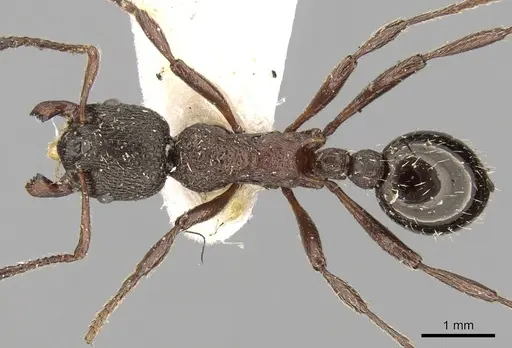
CASENT0904087
View on AntWeb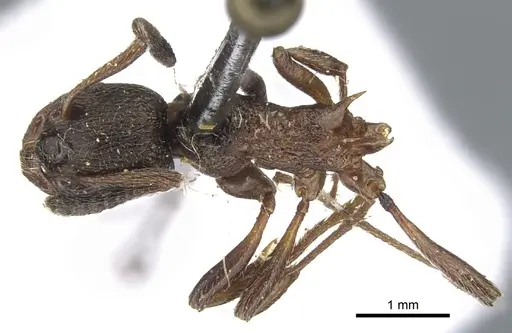
CASENT0907637
View on AntWeb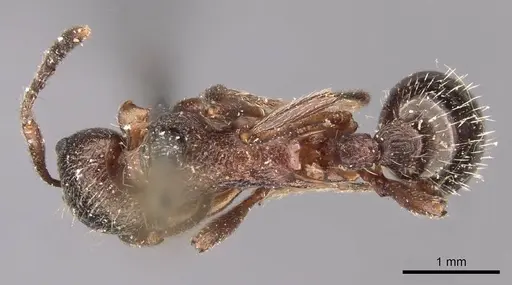
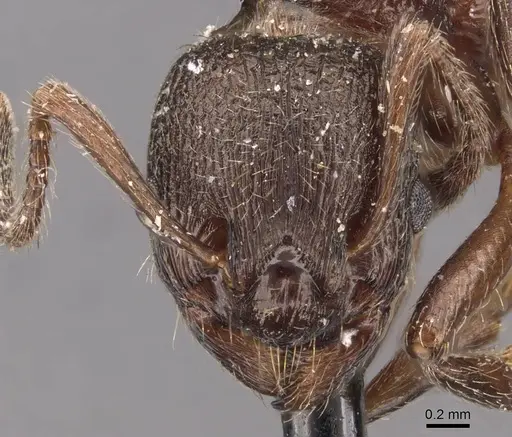
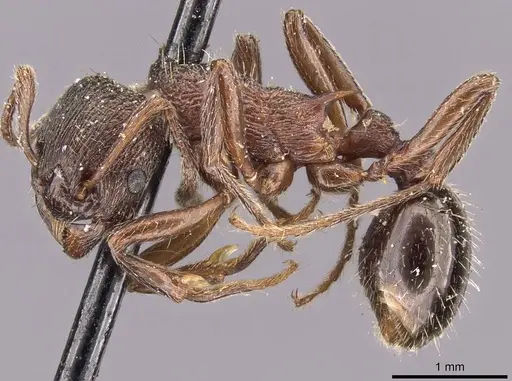
CASENT0917693
View on AntWeb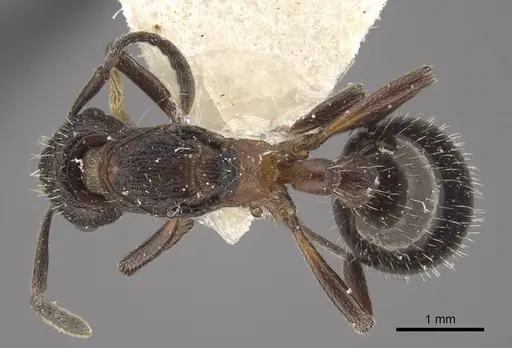
CASENT0922781
View on AntWeb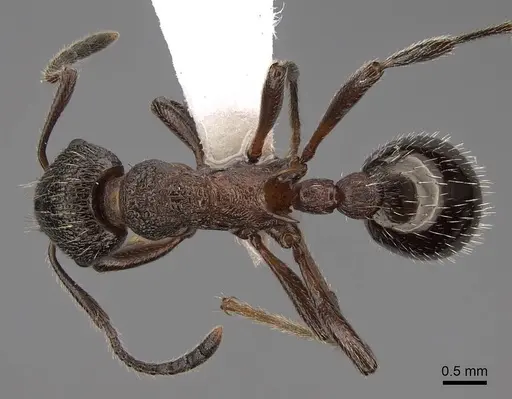
FOCOL0489
View on AntWeb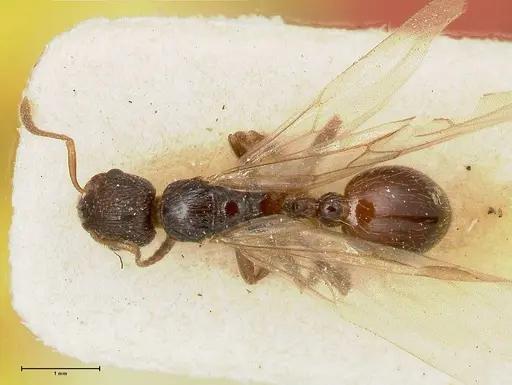
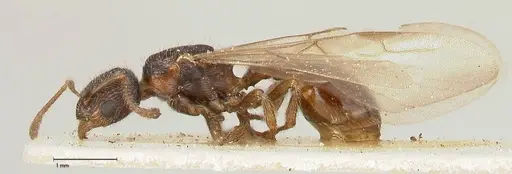
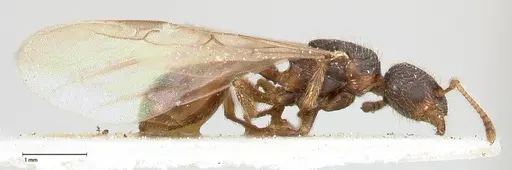
FOCOL0490
View on AntWeb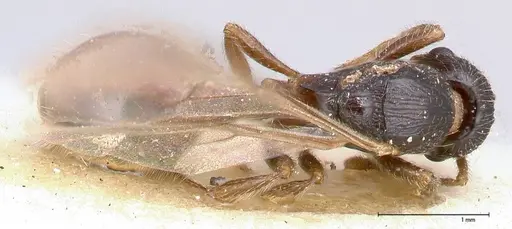
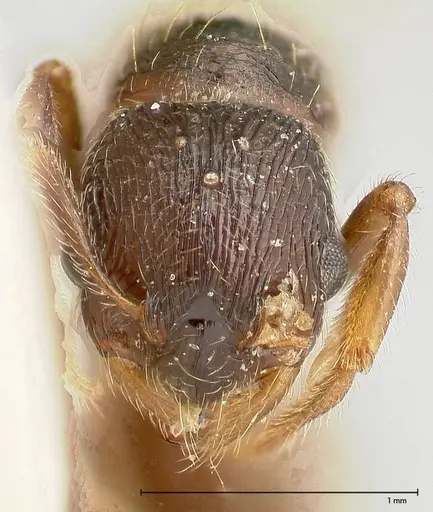
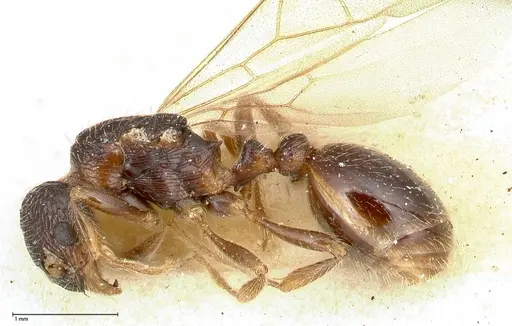
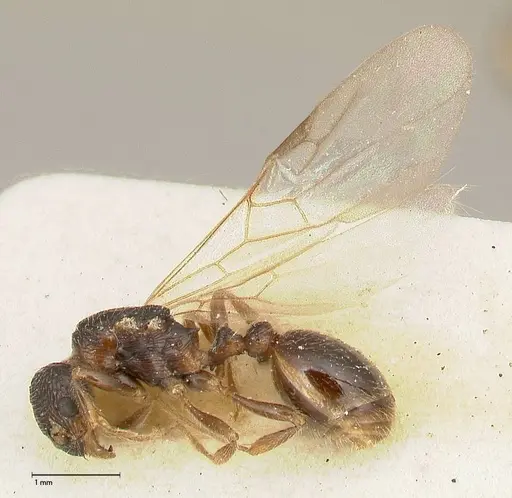
FOCOL0491
View on AntWeb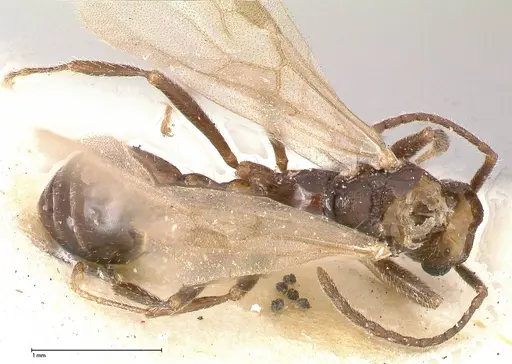
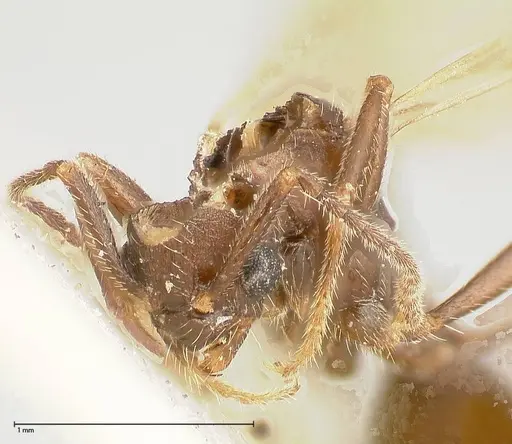
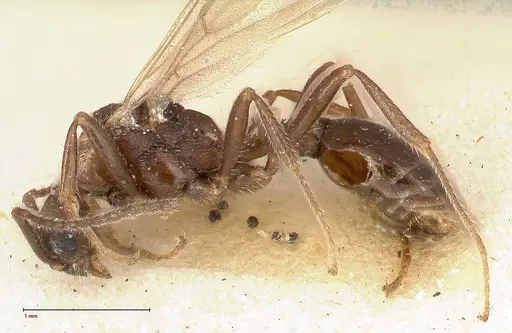
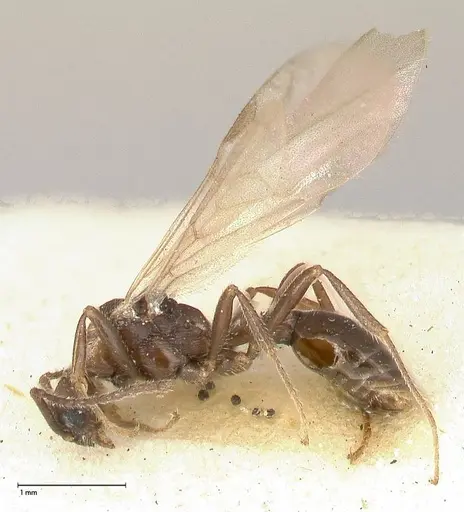
FOCOL0492
View on AntWeb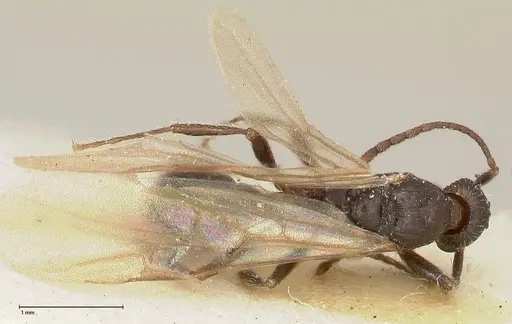
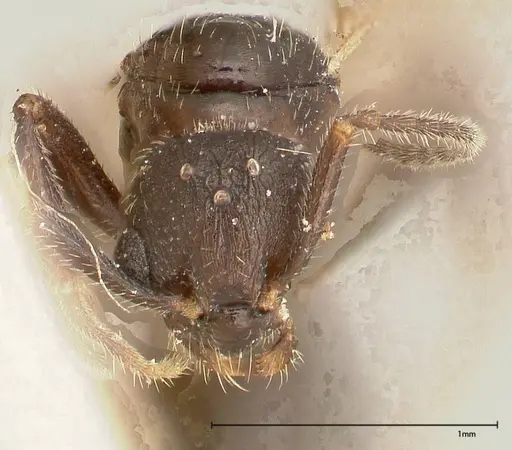
FOCOL0493
View on AntWeb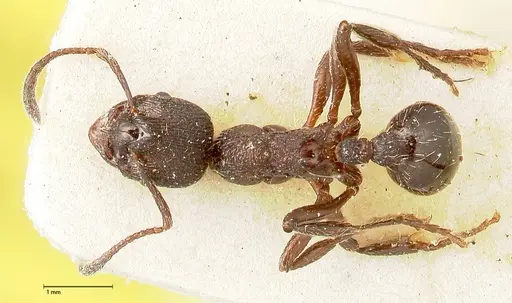
FOCOL0494
View on AntWeb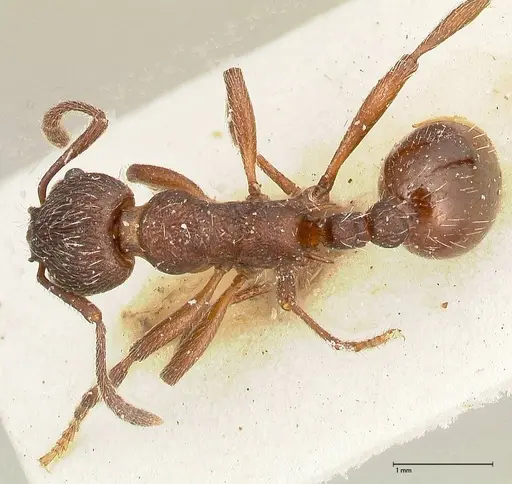
Literature
Loading...Loading products...