

Myrmica jessensis
- Scientific Name
- Myrmica jessensis
- Tribe
- Myrmicini
- Subfamily
- Myrmicinae
- Author
- Forel, 1901
- Distribution
- Found in 3 countries
Myrmica jessensis Overview
Myrmica jessensis is an ant species of the genus Myrmica. It is primarily documented in 3 countries , including China, Japan, Korea. Detailed taxonomic data and occurrence records can be further explored via authoritative databases such as AntWeb or the Global Biodiversity Information Facility (GBIF).
Myrmica jessensis
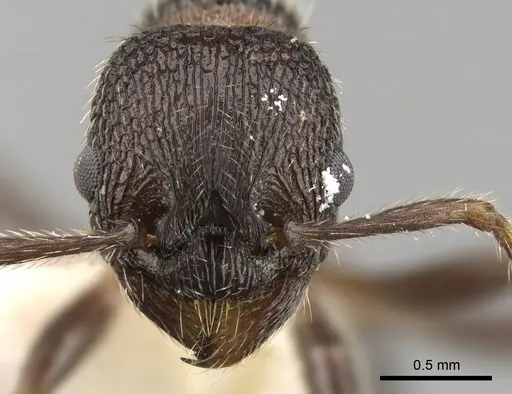
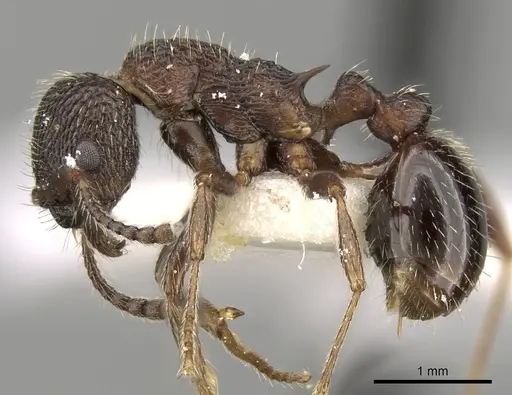
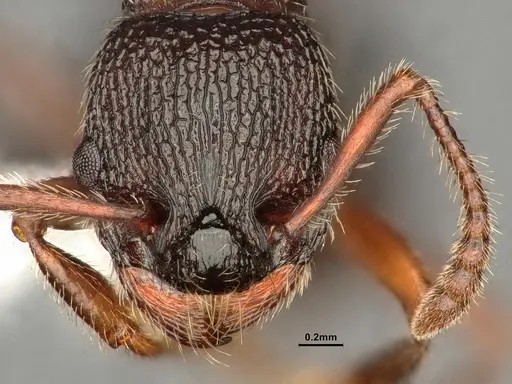
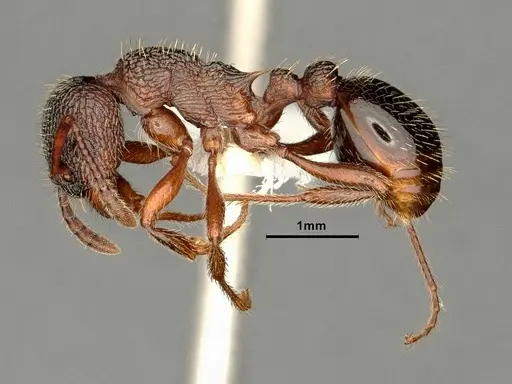
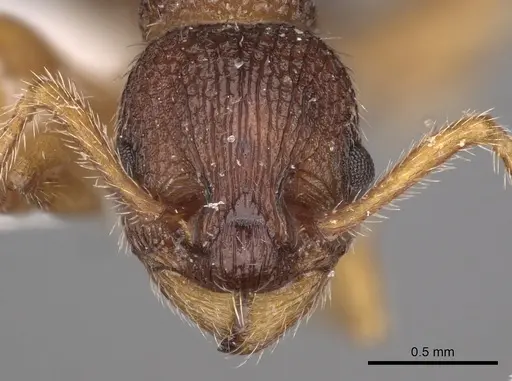
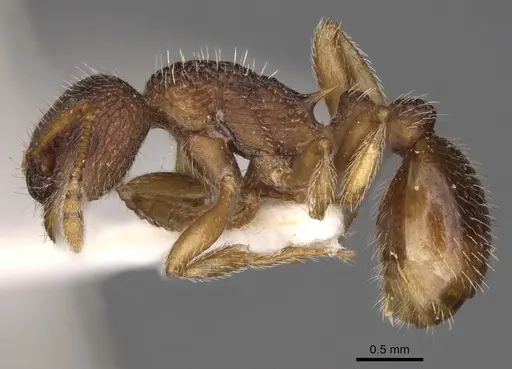
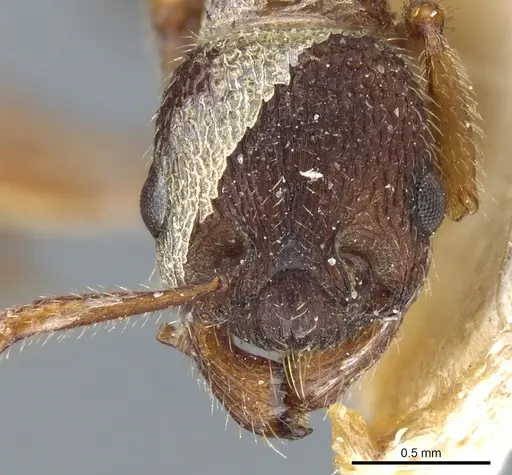
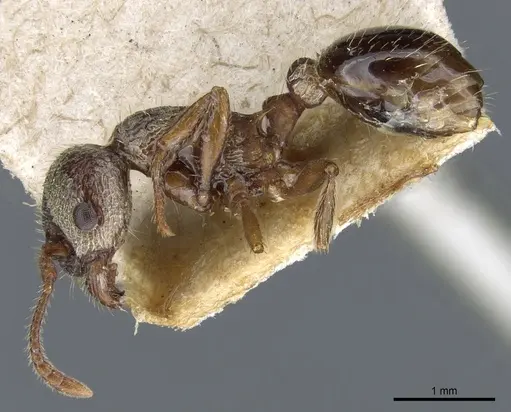
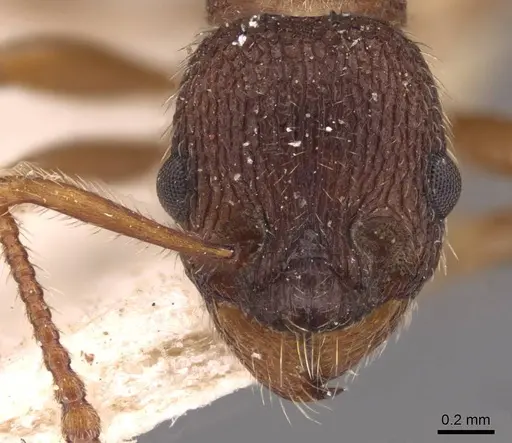
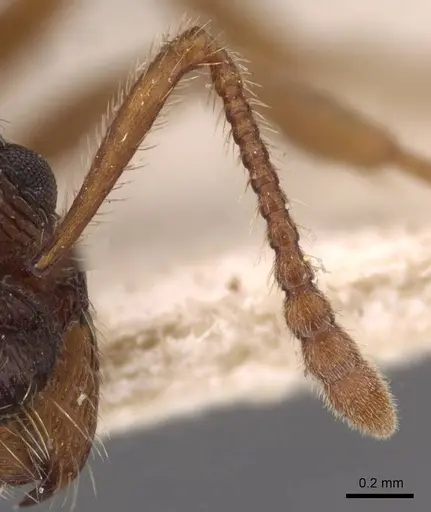
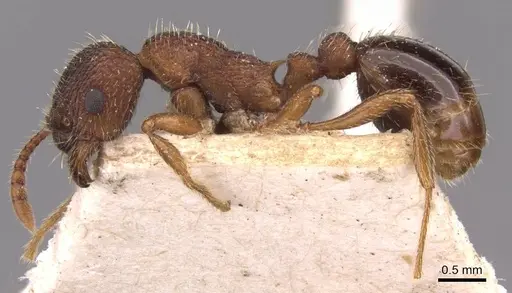
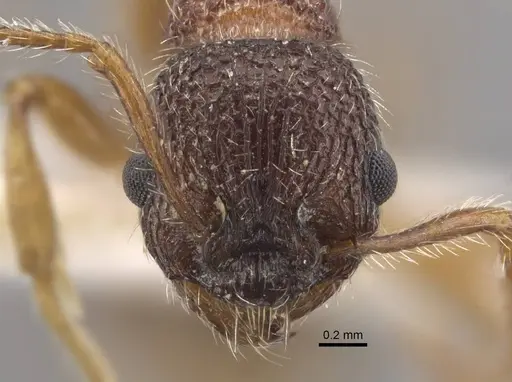
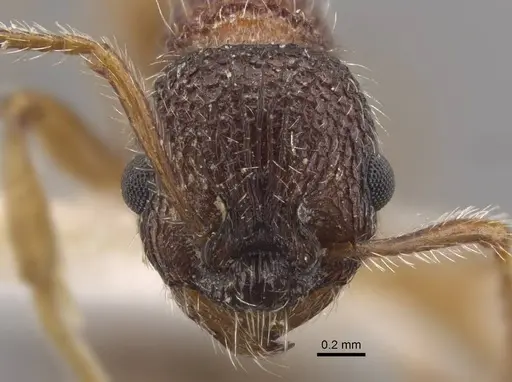
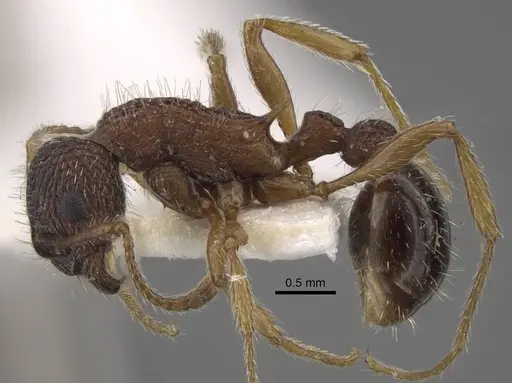
Myrmica jessensis is a small reddish-brown ant belonging to the lobicornis species group. Workers measure 4.0-5.0mm with a bicolored appearance, the head and gaster are deep brown while the middle section is deep reddish-brown [1]. This species is common across its range in Japan, Korea, and the Russian Far East, where it inhabits open grasslands, dry riverbeds, and mown roadside verges, nesting in soil under stones [2][3]. A notable trait is its predatory behavior, it actively hunts larvae of Cephalcia lariciphila in larch forests, making it a useful biological control agent [1]. The species was originally described as a variety of Myrmica lobicornis in 1901 and was later raised to full species status.
Quick Summary
- Difficulty: Easy
- Origin & Habitat: Japan, Korea, and Russian Far East. In Japan, primarily found in open grasslands, bare lands, and dry riverbeds. Abundant in mown roadside verges on Hokkaido island. Nests in soil, often under stones, at altitudes up to 1700m [2][3][1].
- Colony Type: Colony structure is unconfirmed. Based on typical Myrmica patterns, likely single-queen colonies.
- Founding: Claustral
- Size & Growth:
- Queen: Estimated 5-7mm based on typical Myrmica queen size range
- Worker: 4.0-5.0mm [1]
- Colony: Estimated several thousand workers based on typical Myrmica colony sizes
- Growth: Moderate
- Development: Estimated 6-10 weeks based on typical Myrmica development (Development time is inferred from related Myrmica species, actual timeline may vary)
- Antkeeping:
- Temperature: Keep at 20-24°C. Based on temperate Japanese distribution and high-altitude habitat, they can tolerate cooler conditions. Provide a temperature gradient allowing workers to self-regulate.
- Humidity: Moderate humidity. In nature they nest under stones in well-drained soil. Keep nest substrate moist but not waterlogged, with some drier areas available.
- Diapause: Yes. As a temperate species from Japan and Korea, colonies require a winter dormancy period. Provide hibernation at 5-10°C for 3-4 months.
- Nesting: Y-tong (AAC) or plaster nests work well. Provide a setup that allows for soil-like conditions with some chambers under stones. They do well in naturalistic setups with a soil layer and flat stones for nesting.
- Behavior: Workers are active foragers that hunt small invertebrates and attend aphid colonies for honeydew [4]. They are not particularly aggressive but will defend their nest. Workers have a functional stinger but are too small to penetrate human skin effectively. Escape prevention should be moderate, they are not extreme escape artists but standard precautions apply.
- Common Issues: colonies may fail if not given proper hibernation, temperate Myrmica need winter rest, overheating is a risk, avoid temperatures above 28°C, colonies grow slowly during first year, patience is needed, wild-caught colonies may have parasites that need treatment, dry conditions cause colony decline, monitor substrate moisture
Nest Preferences
In the wild, Myrmica jessensis nests in soil, often under stones [2]. They prefer open habitats like grasslands, dry riverbeds, and roadside verges where the ground is well-drained. For captive care, a Y-tong (AAC) nest or plaster formicarium works well. Add a layer of soil or substrate to allow for natural tunneling behavior. You can also use a naturalistic setup with flat stones placed on top of soil to mimic their natural nesting sites under stones. The nest should have some chambers that stay relatively dry alongside areas with moderate moisture.
Feeding and Diet
Myrmica jessensis is predatory and tends aphids for honeydew. In their natural habitat in larch forests in China, they actively hunt larvae of Cephalcia lariciphila, a forest pest [1]. They also attend aphid colonies in leaf shelters [4]. For captive colonies, offer protein sources like small insects (fruit flies, small mealworms, crickets) and provide sugar water or honey regularly. They will accept both protein and sugar foods. Feed protein 2-3 times per week and keep sugar water available at all times.
Temperature and Seasonal Care
This species comes from temperate regions of Japan and Korea, ranging from sea level to 1700m elevation. They experience cold winters and require a diapause (hibernation) period. Keep the colony at 20-24°C during the active season. In autumn, gradually reduce temperature to around 5-10°C and maintain this for 3-4 months of winter dormancy. This hibernation period is essential for colony health and reproduction. Avoid temperatures above 28°C as overheating can be fatal. A heating cable on one side of the nest can create a beneficial temperature gradient. [2][3]
Behavior and Temperament
Workers are active foragers that search for prey and honeydew. They are not particularly aggressive toward humans but will defend their nest vigorously against intruders. Like other Myrmica species, they have a stinger but due to their small size (4-5mm), it rarely penetrates human skin. They are not known for being escape artists like some tiny ant species, but standard escape prevention (fluon barriers, tight-fitting lids) should still be used. Colonies are moderately fast-growing once established, with workers living several months each. [1]
Growth and Development
Nuptial flights occur in September, when winged queens and males leave the nest to mate [3][2]. After mating, queens dig chambers in soil to begin founding new colonies. The first workers (nanitics) are smaller than mature workers and appear after several months. Based on typical Myrmica development, expect 6-10 weeks from egg to first worker under optimal conditions. Growth is moderate, colonies may take a year or more to reach 100 workers. Patience is key during the founding stage.
Frequently Asked Questions
How long does it take for Myrmica jessensis to produce first workers?
Based on typical Myrmica development, expect 6-10 weeks from egg to first worker at optimal temperature (around 22°C). The founding stage can be slow, so patience is needed.
Do Myrmica jessensis ants need hibernation?
Yes. As a temperate species from Japan and Korea, they require a winter dormancy period. Provide 3-4 months of hibernation at 5-10°C during winter.
What do Myrmica jessensis eat?
They are predatory and attend aphids for honeydew. Feed small insects (fruit flies, small mealworms) as protein 2-3 times per week, and provide sugar water or honey constantly.
Are Myrmica jessensis good for beginners?
Yes, they are considered an easy species to keep. They are common, adaptable, and have straightforward care requirements. The main challenge is providing proper hibernation.
What size do Myrmica jessensis workers reach?
Workers are small, measuring 4.0-5.0mm in length.
Can I keep multiple Myrmica jessensis queens together?
Colony structure is not well-studied for this species. Based on typical Myrmica patterns, single-queen colonies are most common. Combining unrelated queens is not recommended without specific documentation.
When do Myrmica jessensis have nuptial flights?
Nuptial flights have been observed in September in their natural habitat in Japan.
Do Myrmica jessensis ants sting?
They have a stinger but due to their very small size (4-5mm), it rarely penetrates human skin effectively. They are not considered dangerous to humans.
Where is Myrmica jessensis found naturally?
They are found in Japan (especially Hokkaido), Korea, and the Russian Far East. They inhabit open areas like grasslands, dry riverbeds, and roadside verges, nesting in soil under stones.
References

This caresheet is licensed under CC BY-SA 4.0 .
CASENT0280826
View on AntWeb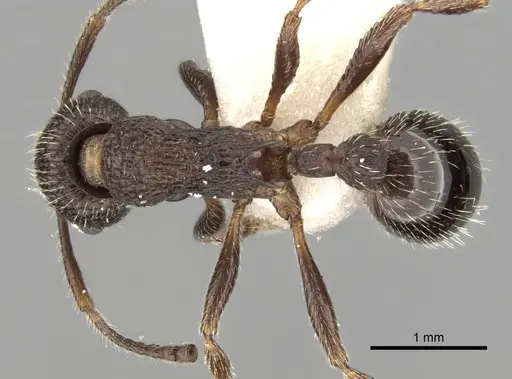
CASENT0884306
View on AntWeb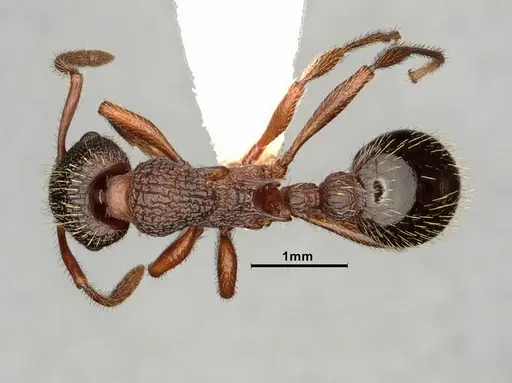
CASENT0900294
View on AntWeb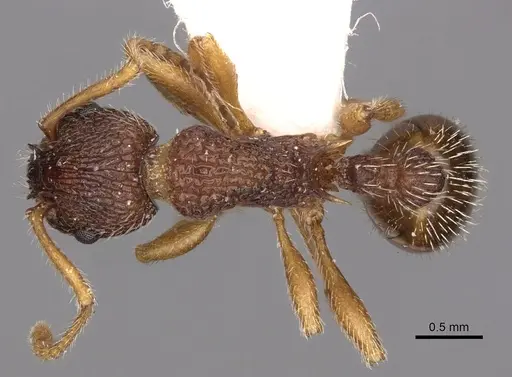
CASENT0904067
View on AntWeb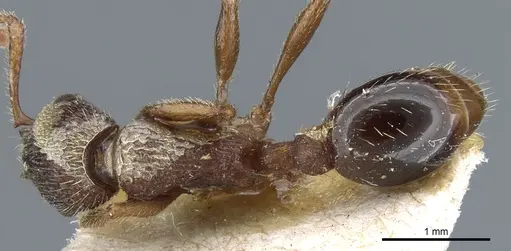
CASENT0907638
View on AntWeb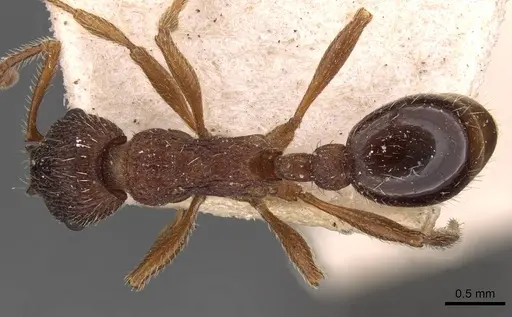
CASENT0917515
View on AntWeb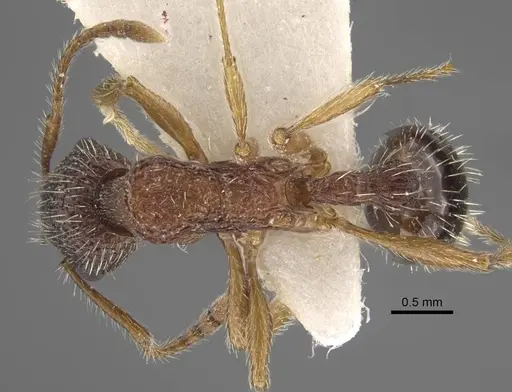
Literature
Loading...Loading products...