

Myrmica hamulata
- Scientific Name
- Myrmica hamulata
- Tribe
- Myrmicini
- Subfamily
- Myrmicinae
- Author
- Weber, 1939
- Distribution
- Found in 1 countries
Myrmica hamulata Overview
Myrmica hamulata is an ant species of the genus Myrmica. It is primarily documented in 1 countries , including United States of America. Detailed taxonomic data and occurrence records can be further explored via authoritative databases such as AntWeb or the Global Biodiversity Information Facility (GBIF).
Myrmica hamulata
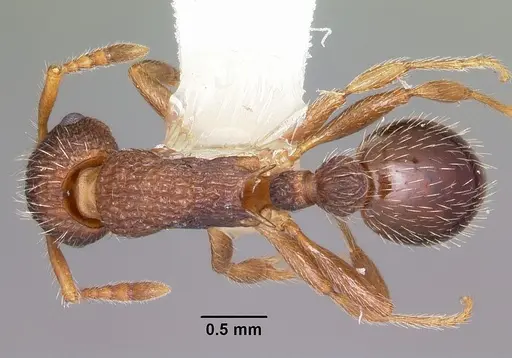
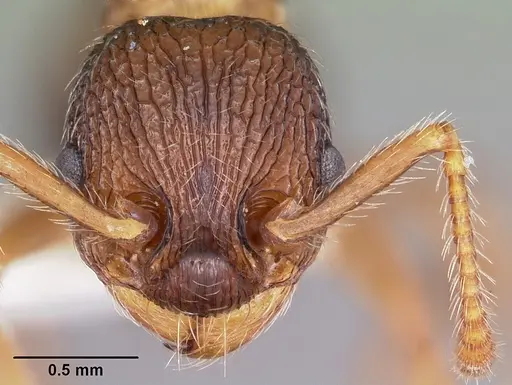
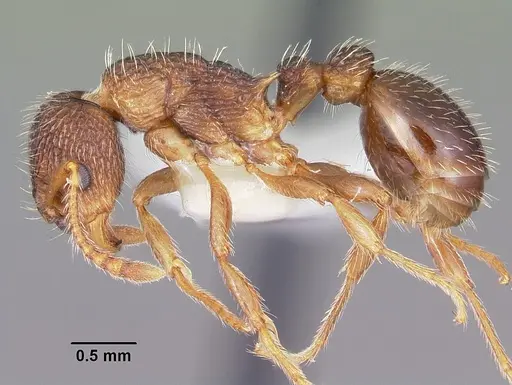
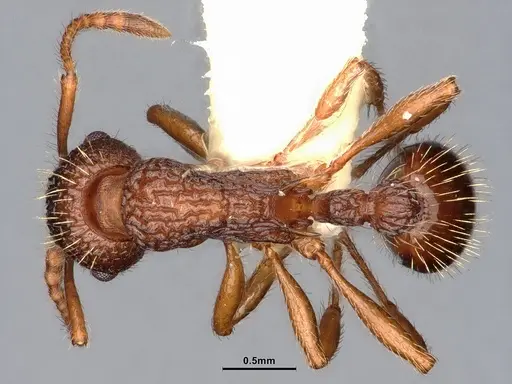
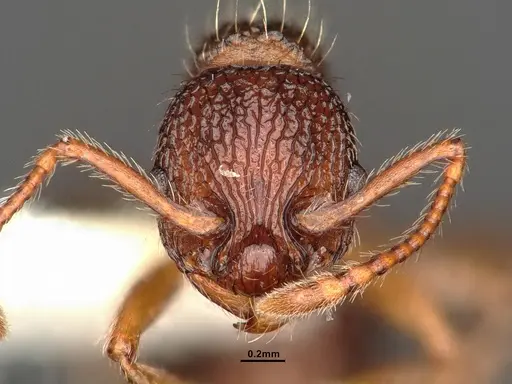
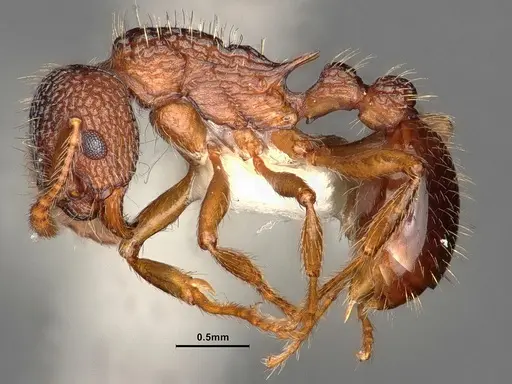
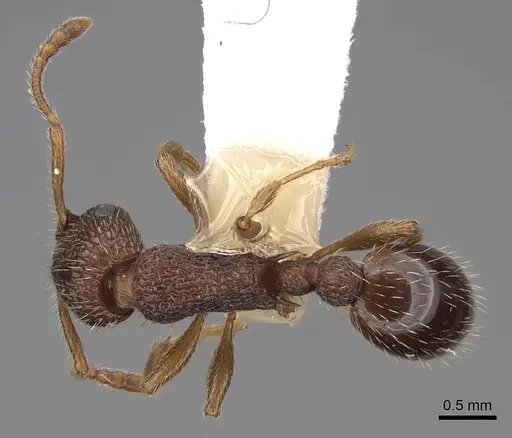
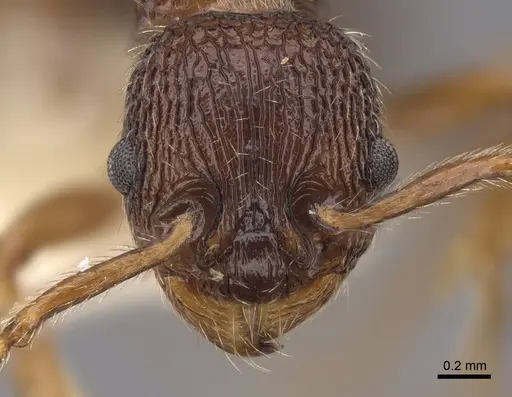
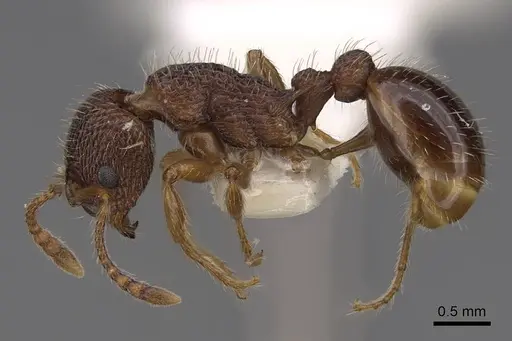
Myrmica hamulata is a small reddish-brown ant native to the southwestern United States. Workers measure around 4-6mm and have the characteristic Myrmica features including a well-developed stinger and relatively long legs. The species was originally described as a subspecies of Myrmica sabuleti before being elevated to full species status. These ants are found in higher elevation habitats in New Mexico, typically around 8,000 feet in mountainous areas. As a Myrmica species, they likely share the genus typical behavior of forming single-queen colonies and preferring cooler, more temperate conditions compared to many ant species.
Quick Summary
- Difficulty: Medium
- Origin & Habitat: Native to the southwestern United States, specifically New Mexico (Hayne's Canyon, Sacramento Mountains at 8,000 ft elevation). Found in mountainous, cooler habitats in the Nearctic region [1][2][3].
- Colony Type: Single-queen colonies (monogyne) based on typical Myrmica patterns. Colony structure for this specific species has not been directly studied.
- Colony: Monogyne
- Founding: Claustral
- Size & Growth:
- Queen: Estimated 6-8mm based on typical Myrmica queen size [3]
- Worker: Estimated 4-6mm based on typical Myrmica worker size [3]
- Colony: Unknown for this specific species, typical Myrmica colonies reach several hundred to a few thousand workers
- Growth: Moderate, based on typical Myrmica development patterns
- Development: 6-10 weeks at optimal temperature based on genus-level data for Myrmica species (Development time inferred from related Myrmica species. Cooler mountain habitat may result in slower development.)
- Antkeeping:
- Temperature: Keep at 18-22°C, these are mountain ants adapted to cooler conditions. Avoid overheating. Room temperature or slight cooling is appropriate [3].
- Humidity: Moderate humidity around 50-60%. Keep nest substrate slightly moist but allow some drying areas. These ants are from an elevated, drier mountain habitat [3].
- Diapause: Yes, Myrmica species require hibernation. Provide a cold period around 5-10°C for 3-4 months during winter [3].
- Nesting: In captivity, standard test tubes or Y-tong nests work well. They likely prefer soil-based nests with some dry chambers. Avoid overly humid conditions.
- Behavior: Typical Myrmica temperament, not particularly aggressive but will sting if threatened. Workers are active foragers, likely collecting honeydew and small prey. Escape risk is moderate, standard barrier methods (Fluon) are sufficient. They are diurnal and actively forage during cooler parts of the day.
- Common Issues: overheating is a major risk, these mountain ants do poorly in warm conditions, hibernation failure can cause colony decline, must provide proper cold period, wild-caught colonies may have parasites that kill them in captivity, poor escape prevention leads to losses, they are active and will explore for exits
Housing and Nest Setup
Myrmica hamulata can be kept in standard test tube setups for founding colonies. Once the colony reaches 20-30 workers, you can move them to a Y-tong nest or a naturalistic setup. Since they come from mountainous New Mexico habitats, they prefer cooler temperatures and moderate humidity. Use a substrate that holds some moisture but also allows for drier areas, a mix of soil and sand works well. Avoid overheating the nest area, as this species is adapted to cooler conditions at higher elevations. [1][3]
Feeding and Diet
Like other Myrmica species, these ants are omnivorous. They collect honeydew from aphids and tend scale insects in the wild, so sugar water or honey water should be available at all times. For protein, offer small insects like fruit flies, small crickets, or mealworms. They are active hunters and will take live prey. Feed protein sources 2-3 times per week, and keep sugar water constantly available. Remove uneaten prey after 24-48 hours to prevent mold issues. [3]
Temperature and Seasonal Care
This is a critical aspect of keeping Myrmica hamulata. They are mountain ants from around 8,000 feet elevation in New Mexico, so they prefer cooler temperatures than most ant species. Keep the nest area between 18-22°C, room temperature is often ideal. Never use heating cables or heat mats with this species as they can easily overheat. During winter, you must provide a hibernation period of 3-4 months at 5-10°C (like in a refrigerator or cold garage). Failure to provide proper hibernation will weaken and eventually kill the colony. [1][2][3]
Colony Development
Myrmica hamulata colonies grow at a moderate pace. After the queen lays her first eggs, expect 6-10 weeks until the first workers (nanitics) emerge, based on typical Myrmica development timelines. The founding stage is claustral, the queen seals herself in a chamber and raises the first brood alone using her stored fat reserves. Do not disturb the queen during this time. Once the first workers emerge, they will take over foraging and brood care. Colonies of this species can eventually reach several hundred to a few thousand workers. [3]
Behavior and Defense
Workers of Myrmica hamulata are not particularly aggressive but possess a functional stinger and will use it if they feel threatened. They are diurnal foragers, most active during cooler parts of the day, this matches their mountain habitat where temperatures remain moderate. Workers are medium-sized and relatively fast-moving. They use chemical trails to recruit nestmates to food sources. Escape prevention is important but not as critical as with tiny ants, standard barrier methods like Fluon on test tube rims work well. They are not known for being particularly escape-prone. [3]
Frequently Asked Questions
How long does it take for Myrmica hamulata to produce first workers?
Expect 6-10 weeks from egg to first worker at optimal temperature (around 18-22°C). This is based on typical Myrmica development patterns, as specific timing for this species has not been documented.
Do Myrmica hamulata ants sting?
Yes, Myrmica species have a functional stinger and will sting if threatened. However, they are not particularly aggressive and typically only sting when their nest is directly threatened. The sting is mild compared to some ant species.
What temperature should I keep Myrmica hamulata at?
Keep them cool, between 18-22°C is ideal. These are mountain ants from high elevation New Mexico and do not tolerate heat well. Room temperature is usually perfect. Never use heating elements.
Do Myrmica hamulata need hibernation?
Yes, absolutely. Myrmica species require a winter dormancy period. Provide 3-4 months at 5-10°C during winter (like in a refrigerator or cold garage). This is essential for colony health and longevity.
How big do Myrmica hamulata colonies get?
Colony size has not been specifically documented for this species, but typical Myrmica colonies reach several hundred to a few thousand workers. They are not among the largest ant genera.
Can I keep multiple Myrmica hamulata queens together?
This species is typically monogyne (single queen). Combining unrelated queens is not recommended as they will likely fight. Only keep one queen per colony.
What do Myrmica hamulata eat?
They are omnivorous. Offer sugar water or honey constantly, and protein (small insects like fruit flies, crickets, mealworms) 2-3 times per week. They will also collect honeydew if you provide aphid colonies.
Is Myrmica hamulata good for beginners?
They are rated as medium difficulty. The main challenges are providing proper cooler temperatures and ensuring proper hibernation each winter. If you can meet these requirements, they are manageable for beginners.
Where is Myrmica hamulata found in the wild?
This species is native to the southwestern United States, specifically New Mexico. It was documented in the Sacramento Mountains at around 8,000 feet elevation. They prefer mountainous, cooler habitats.
When should I move Myrmica hamulata to a formicarium?
Keep them in a test tube setup for the founding stage. Once the colony reaches 20-30 workers and you see they are active and healthy, you can move them to a Y-tong or naturalistic setup. Make sure any new nest maintains appropriate cool temperatures and moderate humidity.
References

This caresheet is licensed under CC BY-SA 4.0 .
Literature
Loading...Loading products...