

Myrmica gebaueri
- Scientific Name
- Myrmica gebaueri
- Tribe
- Myrmicini
- Subfamily
- Myrmicinae
- Author
- Seifert <i>et al.</i>, 2018
- Distribution
- Found in 1 countries
Myrmica gebaueri Overview
Myrmica gebaueri is an ant species of the genus Myrmica. It is primarily documented in 1 countries , including China. Detailed taxonomic data and occurrence records can be further explored via authoritative databases such as AntWeb or the Global Biodiversity Information Facility (GBIF).
Myrmica gebaueri
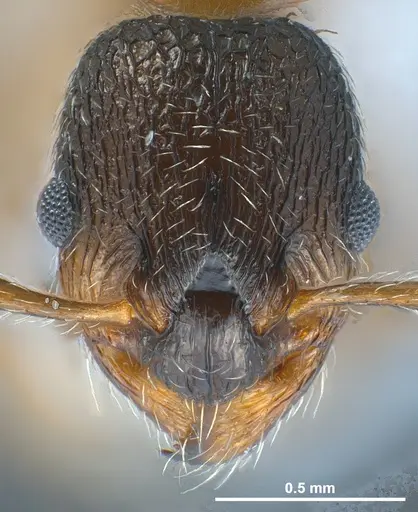
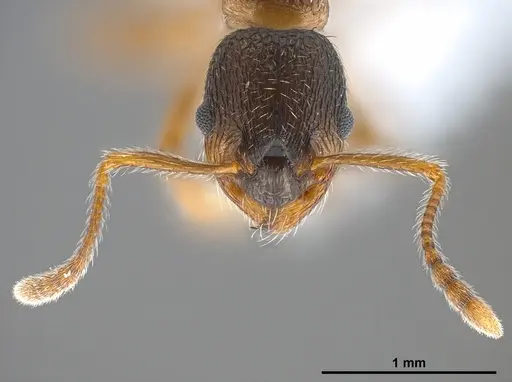
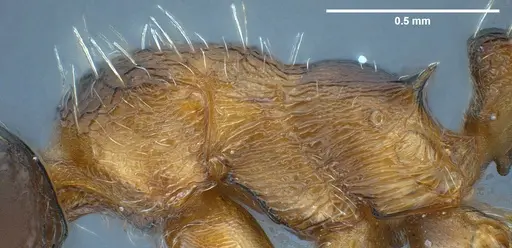
Myrmica gebaueri is one of the smallest species in the entire Myrmica genus, with workers measuring only about 4-5mm. These tiny ants are native to the Tibetan Plateau in northeastern Tibet, where they live at high elevations between 2900-3500 meters in montane to subalpine grasslands, typically in moist pastures. They were only formally described as a separate species in 2018,as part of what was previously recognized as the Myrmica tibetana complex [1].
This species forms polygynous colonies, meaning multiple queens live and reproduce together in the same nest, a relatively uncommon trait among Myrmica. They build their nests in soil, under stones, or tucked into grass tussocks. Their small size, high-altitude origin, and multi-queen colony structure make them a challenging but interesting species for experienced antkeepers who can provide the cool, stable conditions they need [1][2].
Quick Summary
- Difficulty: Medium
- Origin & Habitat: Northeastern Tibet (35.5-38.0°N,99.8-102.8°E) at altitudes of 2900-3500m. Found in montane to subalpine grassland, usually moist pastures. Nests in soil, under stones, or in grass tussocks [1][2].
- Colony Type: Polygynous, multiple queens live together in the same colony. This is one of the defining characteristics of the species [1].
- Colony: Polygyne
- Founding: Claustral
- Size & Growth:
- Queen: Estimated 6-7mm based on typical Myrmica proportions for a small species
- Worker: Approximately 4-5mm (CS 918 μm), one of the smallest Myrmica species [1]
- Colony: Unknown for this species, but likely similar to related Myrmica at high altitudes, possibly several hundred workers
- Growth: Likely slow to moderate, high altitude species typically develop more slowly due to cooler conditions
- Development: Estimated 8-12 weeks based on typical Myrmica development at cool temperatures. Related high-altitude Myrmica species often take longer than lowland species. (Development is temperature-dependent, cooler temperatures slow growth. Expect slower development than tropical ants.)
- Antkeeping:
- Temperature: Keep cool, around 15-20°C. This is a high-altitude species from Tibet and does not tolerate warmth well. Room temperature (20-22°C) is acceptable, but avoid any heating. They may do well at temperatures that would be too cold for most tropical ants, think mountain meadow conditions [1].
- Humidity: Moderate to high. They come from moist montane pastures, so keep the nest substrate consistently damp but not waterlogged. Allow some drier areas in the outworld for foraging. Mist occasionally but monitor for mold.
- Diapause: Yes, this species originates from high altitudes with harsh winters. Provide a winter rest period at 5-10°C for 3-4 months during winter months (roughly November-February in the Northern Hemisphere). This mimics their natural seasonal cycle at 2900-3500m elevation [1].
- Nesting: Y-tong (AAC) nests or plaster nests work well. The key is maintaining cool, stable temperatures and consistent moisture. Their small size means they do well with appropriately scaled chambers. Avoid overheating, these ants are adapted to cool conditions.
- Behavior: Generally docile and non-aggressive. Like most Myrmica, they have a functional stinger but rarely use it unless directly threatened. Workers are active foragers and will search for food in the outworld. Their small size means escape prevention is important, use fine mesh barriers and check for gaps. They are not particularly fast-moving compared to some ants. Polygynous colonies tend to be more stable and longer-lived than single-queen colonies, as the death of one queen does not collapse the colony [1].
- Common Issues: high altitude requirements mean they do poorly in warm homes, avoid keeping them in rooms that get above 22°C, their very small size makes escape prevention critical, they can squeeze through tiny gaps, slow development can frustrate beginners, colonies may take months to show significant growth, winter diapause is essential for long-term health, skipping hibernation will weaken the colony, polygynous structure means you may receive multiple queens, this is normal for this species and they should be kept together
Housing and Nest Setup
Myrmica gebaueri does well in Y-tong (AAC) nests or plaster formicariums that can hold moisture. The key requirement is keeping the nest cool, avoid any heat sources. A temperature range of 15-20°C is ideal. Because they come from high-altitude Tibetan grasslands, they are adapted to cooler, more stable conditions than most ant species kept in captivity.
For the outworld, provide a simple setup with a water tube and feeding area. Their small size means they don't need large spaces. Use a test tube setup for founding colonies, then move to a small formicarium once the colony reaches 20-30 workers. Escape prevention is important, these tiny ants can slip through standard test tube cotton if it becomes loose, and through gaps in lid seals. Use fine mesh on any ventilation holes.
Keep the nest substrate consistently moist but never waterlogged. High-altitude grasslands have reliable moisture, so they are not drought-tolerant. Check moisture levels every few days and rehydrate when the substrate begins drying. The outworld can be kept drier, a water tube provides drinking water while the nest maintains humidity. [1][2]
Feeding and Diet
Like other Myrmica species, Myrmica gebaueri is omnivorous and will accept both protein and sugar sources. Offer sugar water, honey, or diluted maple syrup as a constant energy source. For protein, provide small insects like fruit flies, small mealworms, or other appropriately-sized prey. They are small ants, so prey items should be tiny, fruit flies and springtails are ideal.
In the wild, high-altitude Myrmica species often forage for honeydew from aphids and small insects. Their small size means they cannot take down large prey. Feed small amounts of protein 2-3 times per week, removing any uneaten prey after 24 hours to prevent mold. Sugar water should always be available.
Because they are from a polygynous colony, they may have higher food demands than single-queen species of similar size, multiple egg-laying queens require more protein to sustain reproduction. Monitor food consumption and adjust accordingly. [2]
Temperature and Seasonal Care
Temperature management is the most critical aspect of keeping Myrmica gebaueri successfully. This is a high-altitude species from the Tibetan Plateau, and they simply do not tolerate warm conditions. Keep the entire setup in a cool room, ideally 15-20°C. Room temperature (around 20-22°C) is acceptable, but do not use any heating mats or cables.
During winter, provide a proper diapause period. This species experiences harsh winters at 2900-3500m elevation in Tibet, so they need 3-4 months of cold rest around 5-10°C. The diapause period (roughly November-February in the Northern Hemisphere) is essential for colony health and longevity. Without this winter rest, colonies will gradually weaken and die off.
Do not attempt to speed up development by heating the nest, this species has evolved to thrive at cool temperatures. Attempting to keep them warm will likely kill the colony. If your room is naturally warm in summer, consider whether this species is suitable for your setup. [1][2]
Colony Structure and Multi-Queen Care
Myrmica gebaueri is naturally polygynous, meaning colonies contain multiple reproductive queens living together. This is unusual among Myrmica and has implications for captive care. Unlike monogyne species where you keep just one queen, polygynous colonies can have several queens simultaneously laying eggs.
When starting a colony, you may receive multiple queens, this is normal and they should be kept together. The presence of multiple queens makes the colony more resilient: if one queen dies, others can continue reproducing. This also means colonies can reach larger sizes than single-queen colonies of similar species.
The polygynous structure also affects feeding, multiple egg-laying queens require more protein to sustain their reproduction. Be prepared to provide more food than you might for a single-queen colony of similar size. The colony will also be more stable long-term, as there is no single point of failure for reproduction. [1]
Frequently Asked Questions
How long does it take for Myrmica gebaueri to produce first workers?
Expect 8-12 weeks from egg to first worker at optimal cool temperatures (around 18°C). This is slower than many ants because they are a high-altitude species adapted to cool conditions. Development slows further at lower temperatures. Patience is key with this species.
Do Myrmica gebaueri ants sting?
Yes, Myrmica ants have a stinger and can sting if threatened. However, they are generally docile and rarely sting unless directly handled or the nest is disturbed. Their small size means the sting is usually mild for humans, comparable to a minor mosquito bite.
Can I keep multiple Myrmica gebaueri queens together?
Yes, and you should. This is a naturally polygynous species, multiple queens living together is their normal colony structure. Unlike monogyne species where multiple queens fight, M. gebaueri queens coexist peacefully. If you receive multiple foundress queens, keep them together.
What temperature do Myrmica gebaueri need?
Keep them cool, between 15-20°C. This is a high-altitude Tibetan species that does not tolerate warmth. Room temperature around 20°C is fine, but avoid any heating. They may actually do better on the cooler end of this range, think mountain meadow conditions, not tropical warmth.
Do Myrmica gebaueri need hibernation?
Yes, absolutely. This species originates from high elevations in Tibet where winters are harsh. Provide a winter rest period of 3-4 months at 5-10°C during winter (roughly November-February). Skipping hibernation will weaken and eventually kill the colony.
Are Myrmica gebaueri good for beginners?
No, this species is not ideal for beginners. Their high-altitude origin means they have specific temperature requirements that many keepers struggle to meet. They need cool, stable conditions and a proper winter diapause. They are better suited for experienced antkeepers who can provide these specialized conditions.
How big do Myrmica gebaueri colonies get?
The maximum colony size is not documented, but based on related high-altitude Myrmica species, colonies likely reach several hundred workers. Polygynous colonies tend to be more stable long-term but may not reach the massive sizes of some single-queen species.
What do Myrmica gebaueri eat?
They are omnivorous like most Myrmica. Provide a constant sugar source (sugar water, honey, or maple syrup) and protein 2-3 times weekly (small insects like fruit flies, tiny mealworms, or springtails). Their small size means prey should be appropriately tiny.
When should I move Myrmica gebaueri to a formicarium?
Move them when the colony reaches around 20-30 workers in a test tube setup. They do well in Y-tong or plaster nests that can hold moisture. The key is maintaining cool temperatures in whatever setup you choose, avoid any heating elements.
Why are my Myrmica gebaueri dying?
The most common causes are: too warm temperatures (they need 15-20°C, no heating), improper hibernation (they need 3-4 months at 5-10°C in winter), or drying out (they need consistently moist nest substrate). Check your temperature setup first, this species simply cannot tolerate warmth that most ants handle fine.
References

This caresheet is licensed under CC BY-SA 4.0 .
ANTWEB1041279
View on AntWeb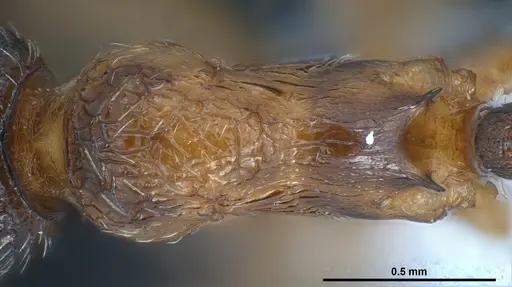
Literature
Loading...Loading products...