

Myrmica gallienii
- Scientific Name
- Myrmica gallienii
- Tribe
- Myrmicini
- Subfamily
- Myrmicinae
- Author
- Bondroit, 1920
- Distribution
- Found in 15 countries
Myrmica gallienii Overview
Myrmica gallienii is an ant species of the genus Myrmica. It is primarily documented in 15 countries , including Belgium, Belarus, Switzerland. Detailed taxonomic data and occurrence records can be further explored via authoritative databases such as AntWeb or the Global Biodiversity Information Facility (GBIF).
Myrmica gallienii
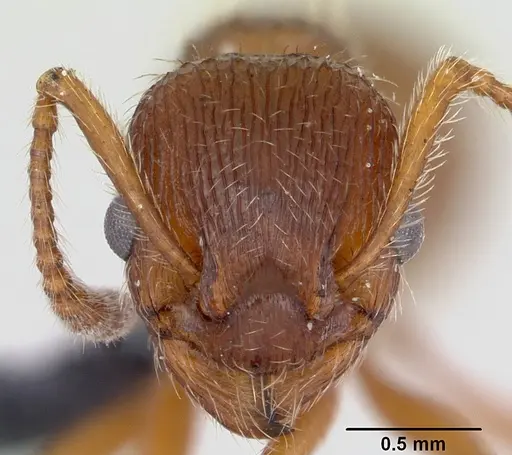
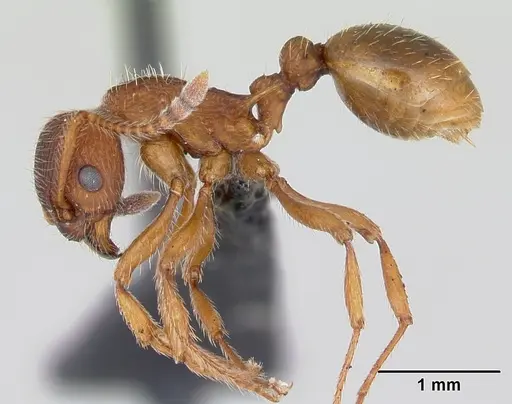
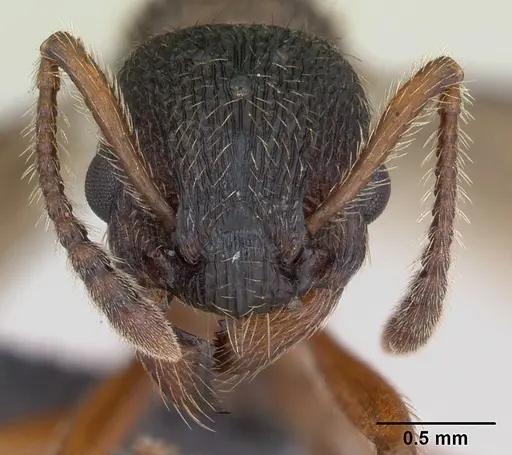
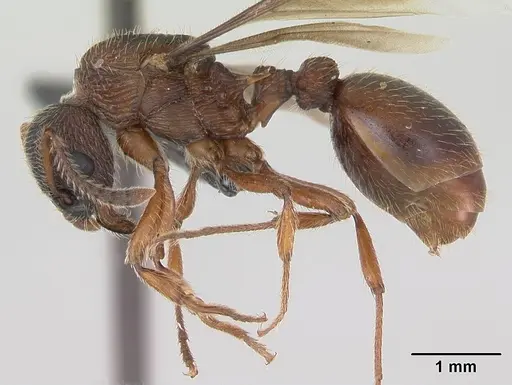
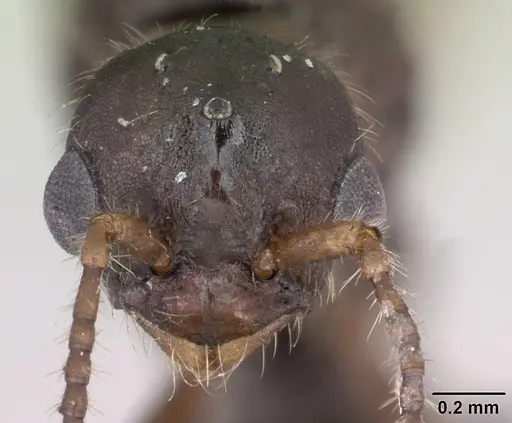
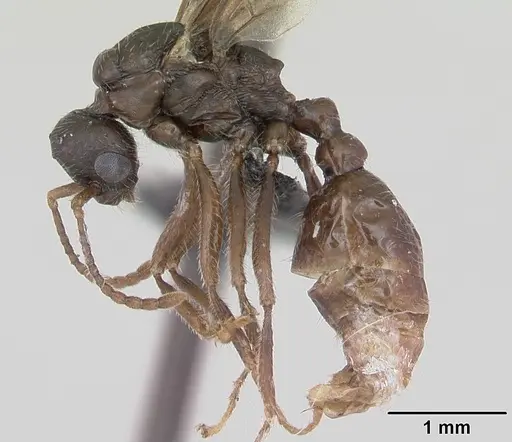
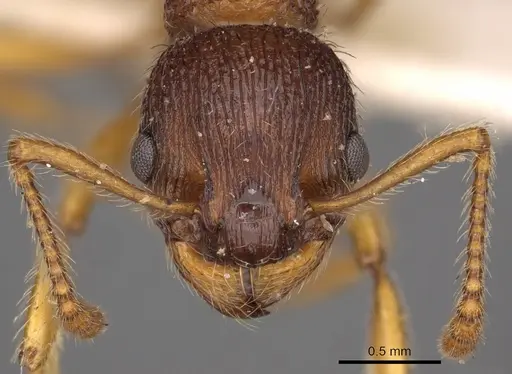
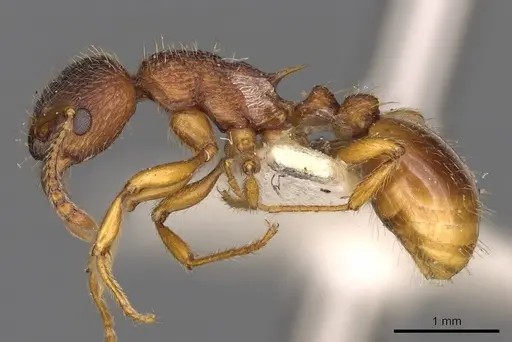
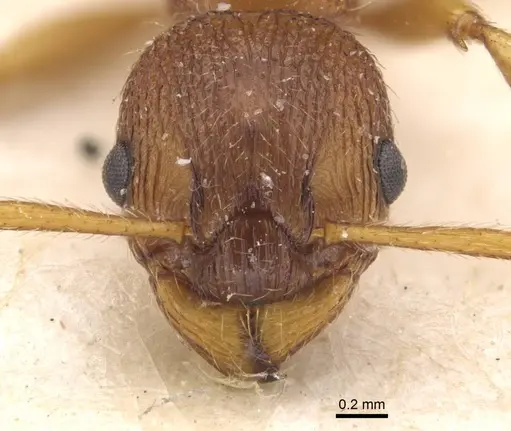
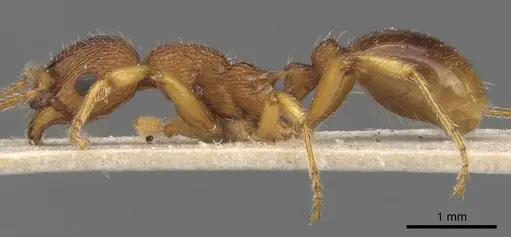
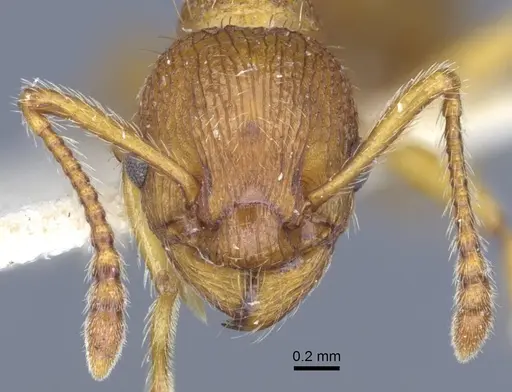
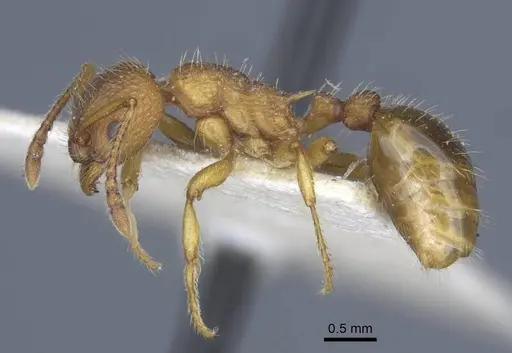
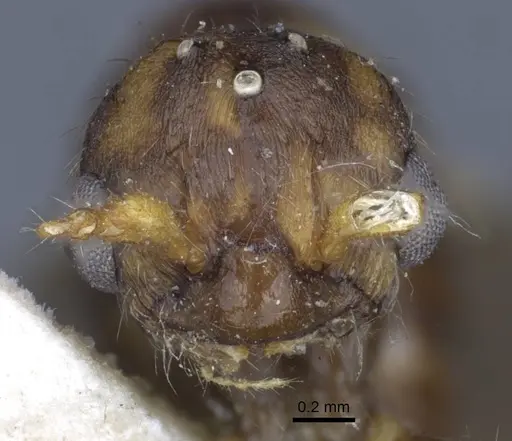
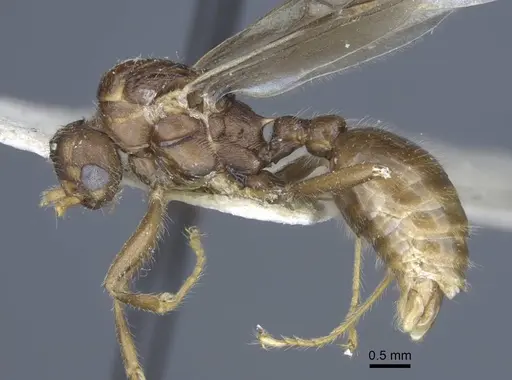
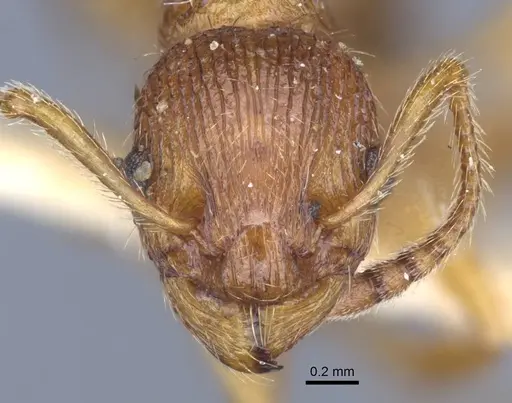
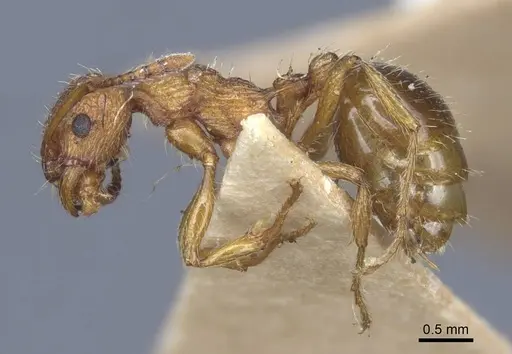
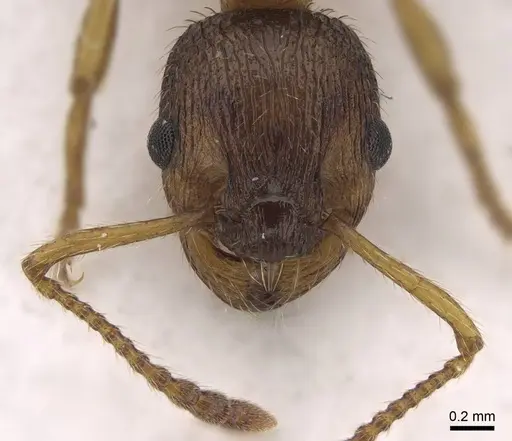
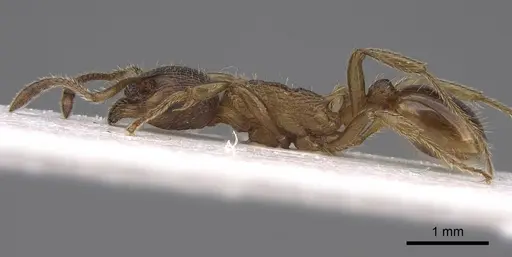
Myrmica gallienii is a medium-sized Myrmica ant belonging to the bergi species group. Workers measure 4.5-5mm with a reddish-brown coloration and finely wrinkled sculpture on the head. The species is distinguished by its smoothly curved antennal scape at the base with no ridge or angle, and notably long propodeal spines. Queens reach 6-6.5mm, and males are 5.5-6mm. This ant is strongly associated with wet habitats including moist meadows, lake shores, reed beds, and periodically flooded areas across Central and Eastern Europe, extending to West Siberia and the Caucasus [1][2].
What makes M. gallienii particularly interesting is its remarkable flood adaptation. Unlike most ants, colonies survive flooding by forming floating clusters where workers cling together in groups of 20-50 with queens in the center, floating on the water surface until waters recede [3][4]. This behavior, along with its tolerance for saline conditions and high groundwater, makes it a specialist of vulnerable wetland habitats. The species also hosts endangered Maculinea butterflies (M. teleius and M. nausithous), adding to its ecological importance [5][6].
Quick Summary
- Difficulty: Medium
- Origin & Habitat: Central and Eastern Europe, from France to West Siberia, north to Finland and south to Greece and Turkey. Inhabits wet meadows, marshes, lake and pond shores, reed beds, and periodically flooded grasslands with high groundwater [1][7].
- Colony Type: Polygynous (multiple queens per colony). Colonies average around 640 workers with typically 2-5 queens that vary year to year. Queens are replaced during the active season, with the total queen population declining by about 60% and being replenished by newly recruited queens [8].
- Colony: Polygyne
- Founding: Claustral
- Size & Growth:
- Queen: 6.0-6.5mm [2]
- Worker: 4.5-5mm [2] or 4.2-4.5mm [9]
- Colony: Thousands of workers, average around 640 workers per colony but can reach several thousand [1][8]
- Growth: Moderate, based on typical Myrmica development patterns
- Development: 6-10 weeks at optimal temperature (estimated based on genus patterns for Myrmica species) (Development time is typical for Myrmica genus, nuptial flights occur in August-September so colonies establish in late summer/fall)
- Antkeeping:
- Temperature: Keep at 20-24°C. This is a thermophilous species that prefers warm conditions but also needs moisture. Room temperature within this range works well, with a slight heating gradient optional [1]
- Humidity: High humidity is essential, this is a strongly hygrophilous species. Keep nest substrate consistently moist but not waterlogged. Provide a water source and avoid drying out. The natural habitat is wet meadows and marshes with near-surface groundwater [1][10]
- Diapause: Yes, requires winter hibernation. As a Central European species, provide a cold period around 5-10°C for 3-4 months during winter (November-February in the Northern Hemisphere)
- Nesting: Y-tong (AAC) or plaster nests work well. The key is maintaining moisture, these ants nest in grass tussocks and sedge hummocks in the wild, so provide moist substrate they can tunnel into. Avoid dry setups. Naturalistic setups with moist soil and vegetation mimics work well
- Behavior: Workers are moderately aggressive and will sting if threatened. They resemble Myrmica rubra in behavior, they climb plants actively and are more aggressive than many Myrmica species. Workers walk with antenna held at right angles to their head and have a somewhat slower, more deliberate gait. Colonies are polygynous with multiple queens. Escape risk is moderate, standard Myrmica escape prevention (Fluon on container edges) is sufficient. They are active foragers that will ascend vegetation to tend aphids and hunt prey [1]
- Common Issues: Drying out is the biggest threat, this species cannot tolerate dry conditions and colonies will fail quickly if humidity drops, Overheating can be problematic despite their thermophilous nature, avoid temperatures above 28°C, Wild-caught colonies may be confused with M. rubra or other Myrmica species, verify identification, Colonies may be infected with the parasitic fungus Rickia wasmannii which can affect behavior, Habitat loss in the wild makes this species increasingly rare, consider whether capturing is appropriate
Housing and Nest Setup
Myrmica gallienii requires moist housing conditions that replicate their wetland habitat. A Y-tong (AAC) nest or plaster nest works well, as both can hold moisture effectively. The key requirement is keeping the nest substrate consistently damp without creating standing water. Place a water reservoir or moisture chamber connected to the nest area. Test tube setups can work for founding colonies but monitor moisture levels closely, these ants need more humidity than typical dry-nesting species. Avoid fully dry formicariums. For the outworld, provide a shallow water feeder and ensure protein foods are removed promptly to prevent mold in this humid environment. Escape prevention is standard, a barrier of Fluon around the rim of the housing container prevents escapes [1][10].
Feeding and Diet
Like other Myrmica species, M. gallienii is omnivorous with a preference for protein. Offer protein sources such as small insects (fruit flies, small crickets, mealworms), and provide sugar sources like honey water or sugar water regularly. Workers will ascend plants in the wild to tend aphids for honeydew, so they readily accept sugar. Feed protein 2-3 times per week for established colonies, and ensure sugar water is always available. Remove uneaten prey after 24-48 hours to prevent mold in the humid setup. The species has been observed engaging in trophobiosis with aphids in other regions, confirming their attraction to sugar sources [11][1].
Temperature and Seasonal Care
Maintain temperatures between 20-24°C. This is a thermophilous species that benefits from warmth, but the humidity requirement takes priority, a warm, humid setup is ideal. Room temperature in most homes (20-23°C) is suitable. During winter, provide a hibernation period of 3-4 months at 5-10°C. This can be accomplished by moving the colony to an unheated garage, basement, or refrigerator (with monitoring). Reduce feeding during hibernation but ensure some moisture remains. Do not skip hibernation as it is important for colony health and queen reproduction. In summer, avoid temperatures above 28°C which can stress colonies [1][10].
Flood Adaptation - Unique Trait
One of the most remarkable traits of M. gallienii is its flood survival behavior. In the wild, when habitats flood, workers form floating clusters by clinging together in groups of 20-50 individuals, often with a queen in the center. These rafts can survive for extended periods on the water surface until floodwaters recede [3][4]. This adaptation makes them unique among Myrmica species and reflects their evolution in periodically flooded wetlands. In captivity, this behavior is unlikely to be observed but demonstrates why maintaining moist conditions is so important, these ants are literally adapted to water. They also tolerate saline conditions better than most ants, being facultatively halophilic, which allows them to inhabit coastal meadows and salt marshes [10][1].
Ecological Importance
M. gallienii serves as an important host species for endangered Maculinea butterflies, particularly the scarce large blue (Phengaris teleius) and the dusky large blue (P. nausithous). The ants care for the butterfly caterpillars in their nests, providing an example of myrmecophilous symbiosis. Studies have shown that M. gallienii colonies can be infested with these butterfly larvae, with infestation rates reaching 16-20% in some populations [12][5][6]. This ecological role makes the ant a conservation priority in some regions, as its decline could affect butterfly populations. The species is also parasitized by the ectoparasitic fungus Rickia wasmannii [13].
Colony Dynamics
M. gallienii colonies are polygynous, typically containing 2-5 queens that work together. The queen population fluctuates significantly, studies show a 60% decline during the active season (May-September) with replacement by newly recruited queens. This turnover results in low genetic relatedness between co-existing queens, indicating high mortality and active recruitment within populations [8]. Colonies can reach several thousand workers, though they average around 640. The species shows interesting caste phenomena, some Polish populations have been observed to have high proportions of gynandromorphs (individuals with mixed male/female characteristics), a rare occurrence in ants [8].
Frequently Asked Questions
Is Myrmica gallienii suitable for beginners?
This species is rated as medium difficulty. While not the most challenging ant, it requires careful attention to humidity, drying out is the most common cause of colony failure. If you can maintain consistently moist nest conditions and provide proper hibernation, it can be a rewarding species. Beginners should monitor humidity closely.
How long does it take for first workers to appear?
Based on typical Myrmica development, expect first workers (nanitics) around 6-10 weeks after the queen lays eggs, assuming optimal temperature around 22-24°C. Development is temperature-dependent, so cooler conditions will slow growth.
Can I keep multiple queens together?
Yes, M. gallienii is naturally polygynous with multiple queens per colony. Unlike some species where queens fight, these queens coexist and work together. You can introduce multiple founding queens if desired, though single-queen colonies also establish successfully.
Do Myrmica gallienii ants sting?
Yes, they can sting and it is reported to be painful, though not dangerous to healthy humans. They are more aggressive than some Myrmica species and will defend the nest if threatened. Handle with care and use proper escape prevention.
Do they need hibernation?
Yes, as a Central European species they require winter hibernation. Provide 3-4 months at 5-10°C during winter (typically November-February). Reduce feeding during this period but maintain some moisture. Skipping hibernation can harm colony health and reproduction.
Why are my ants dying?
The most common cause is drying out, this species cannot tolerate dry conditions. Check that the nest substrate remains moist. Other issues include temperatures that are too high (above 28°C), mold from uneaten food in the humid setup, or improper hibernation. Also verify you have correctly identified the species, as they are often confused with M. rubra.
References

This caresheet is licensed under CC BY-SA 4.0 .
CASENT0172712
View on AntWeb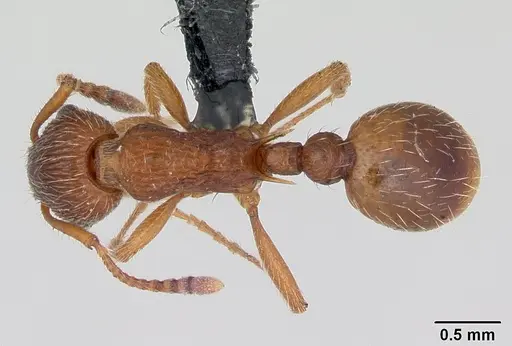
CASENT0172722
View on AntWeb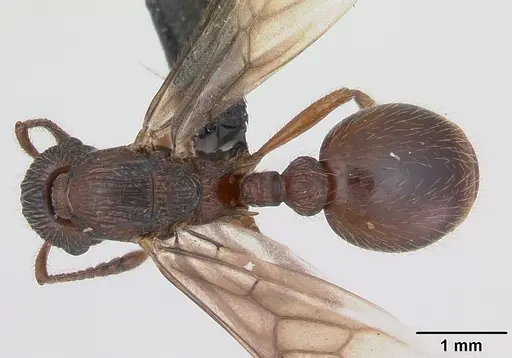
CASENT0172723
View on AntWeb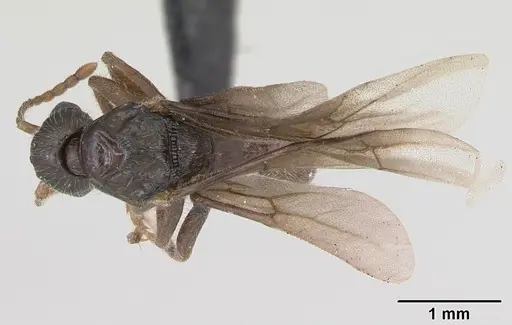
CASENT0900287
View on AntWeb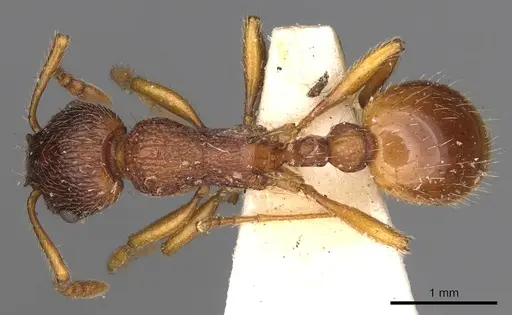
CASENT0907622
View on AntWeb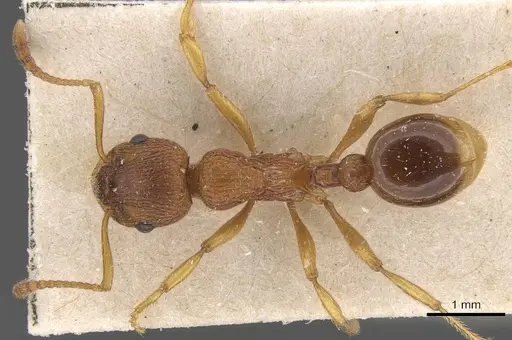
CASENT0916883
View on AntWeb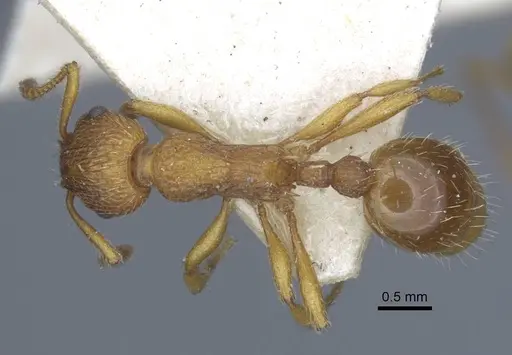
CASENT0916884
View on AntWeb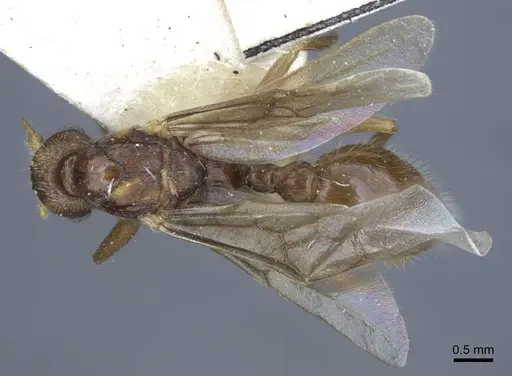
CASENT0916885
View on AntWeb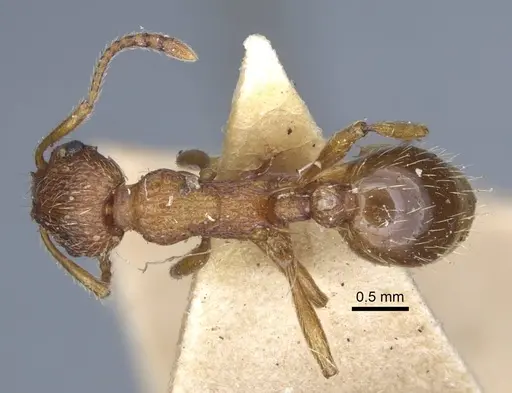
CASENT0922791
View on AntWeb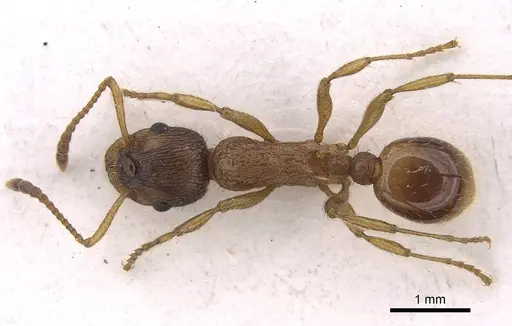
Literature
Loading...Loading products...