

Myrmica arnoldii
- Scientific Name
- Myrmica arnoldii
- Tribe
- Myrmicini
- Subfamily
- Myrmicinae
- Author
- Dlussky, 1963
- Distribution
- Found in 1 countries
Myrmica arnoldii Overview
Myrmica arnoldii is an ant species of the genus Myrmica. It is primarily documented in 1 countries , including Russian Federation. Detailed taxonomic data and occurrence records can be further explored via authoritative databases such as AntWeb or the Global Biodiversity Information Facility (GBIF).
Myrmica arnoldii
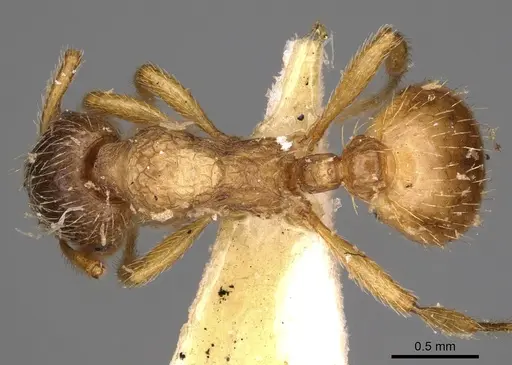
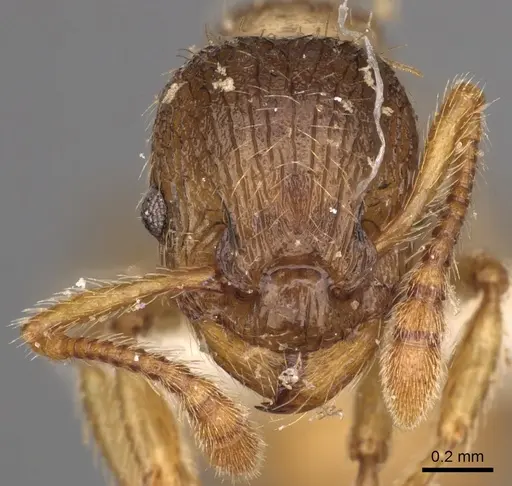
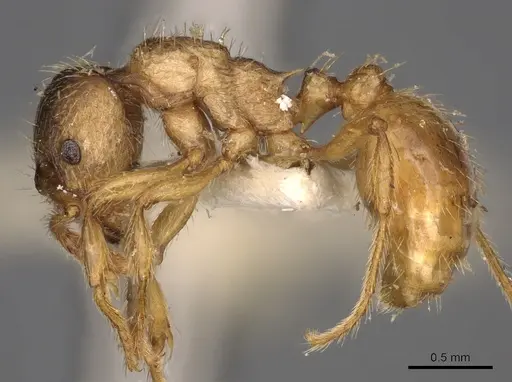
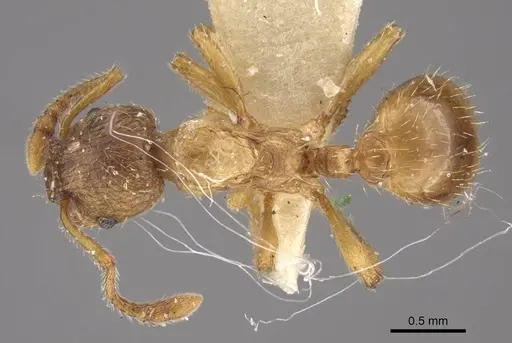
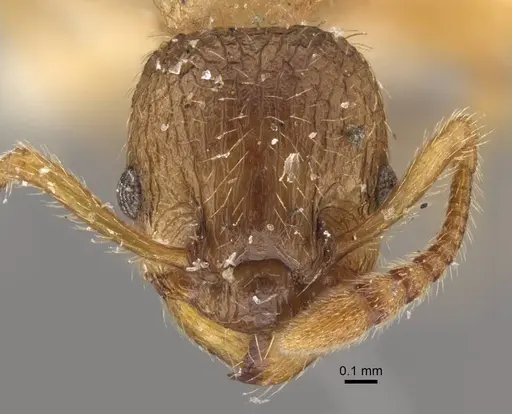
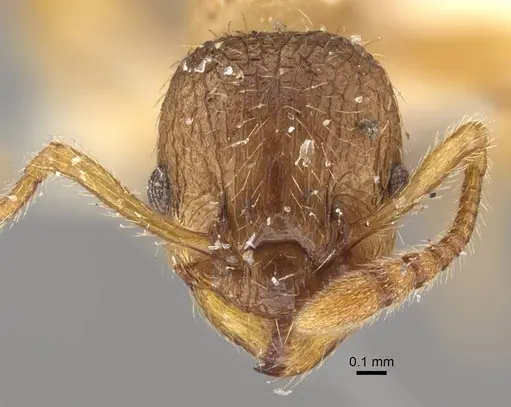
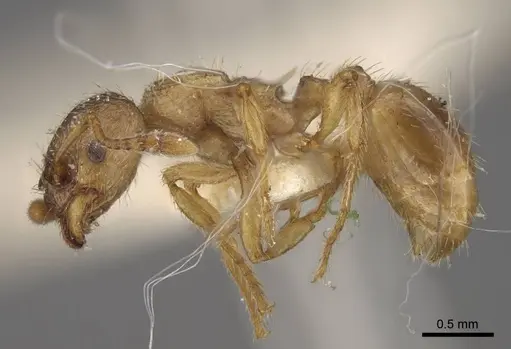
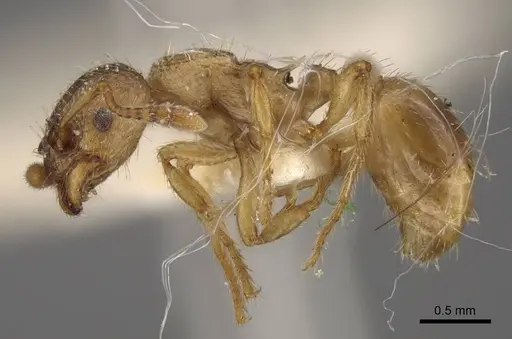
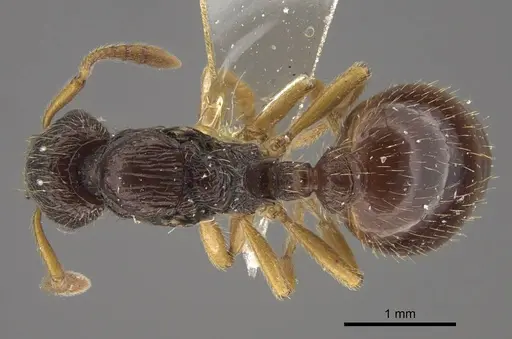
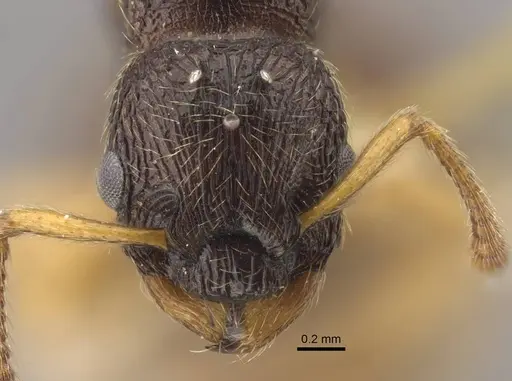
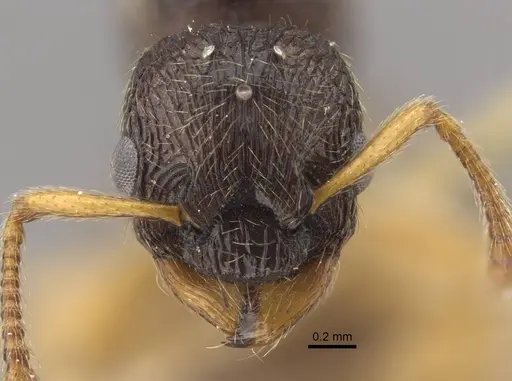
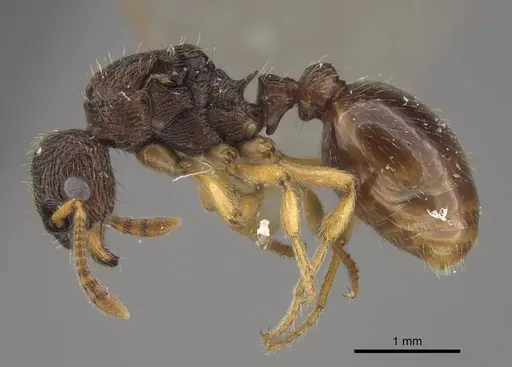
Myrmica arnoldii is a tiny ant species native to the Palaearctic region, found primarily in Mongolia and eastern Siberia. Workers are among the smallest of any Myrmica species, measuring just 0.79-0.87mm in head width, with a yellowish-brown body and often darker head and gaster [1]. This species holds particular scientific interest because it displays several morphological features typically associated with social parasites, including males with 12-segmented antennae (most Myrmica have 13), ventral lobes on the petiole and postpetiole, and reduced tibial spurs, yet has only been found living in independent colonies rather than as parasites. Researchers speculate it may represent either an early stage in the evolution of social parasitism or a species that once parasitized other ants but reverted to free-living.
Quick Summary
- Difficulty: Medium
- Origin & Habitat: Native to eastern Siberia and Mongolia. In Siberia, colonies inhabit larch forests and steppe-like areas, nesting in decaying wood and occasionally soil. In Mongolia, found on northern and western slopes in mountain Larix-Betula forests at approximately 1000m altitude. Also recorded in forest steppe zones [2].
- Colony Type: Polygynous, colonies typically have multiple queens. Nests are populous and usually built in rotting tree stumps, though they also use soil, moss, and spaces under logs[1].
- Colony: Polygyne
- Queen: Temporary parasitic
- Size & Growth:
- Queen: Queens are only slightly larger than workers (under 1.8mm alitrunk length), making them unusually small for Myrmica queens.
- Worker: 0.79-0.87mm head width (mean 0.83mm) [1]. Among the smallest Myrmica workers.
- Colony: Colonies are described as quite populous, though exact numbers are not documented.
- Growth: Moderate, based on typical Myrmica development patterns.
- Development: 6-10 weeks, estimated based on typical Myrmica genus development at optimal temperatures. (Development time is not specifically documented for this species, estimates based on related Myrmica species.)
- Antkeeping:
- Temperature: Keep at 20-24°C, mimicking cool mountain forest conditions. A slight temperature gradient allows workers to regulate their exposure. This species comes from high-altitude larch-birch forests that experience cool summers.
- Humidity: Moderate to high. In the wild, they nest in rotting wood, tree stumps, and moss, environments that stay damp but not waterlogged. Keep nest substrate consistently moist but allow some drying between waterings.
- Diapause: Yes. As a species from Siberia and Mongolia, they require a winter dormancy period. Keep colonies at 5-10°C for 3-4 months during winter, mimicking natural seasonal cycles.
- Nesting: Prefers damp, rotting wood or soil-based nests. In captivity, a plaster or Y-tong nest works well, or a naturalistic setup with damp soil and rotting wood pieces. The key is maintaining consistent moisture in the nest material while providing some drier areas for the ants to regulate their humidity.
- Behavior: This species is relatively docile and not aggressive. Workers are small but active foragers. Colonies are polygynous, meaning multiple queens coexist peacefully. Escape risk is moderate, while small, they are not as tiny as some Myrmica species, but standard escape prevention (tight-fitting lids, barrier tape) is still recommended. They are not known to sting painfully.
- Common Issues: colonies may fail if kept too warm, avoid overheating and provide a cool area, wild-caught colonies may carry parasites that can devastate captive colonies, multiple queens mean colonies can grow large quickly, ensure adequate space, dry conditions will cause colony decline, monitor humidity consistently, small colony size initially means they are vulnerable to disturbance
Nest Preferences
In the wild, Myrmica arnoldii nests primarily in rotting wood, particularly tree stumps and decaying logs, as well as in soil, moss, and under stones[1]. They prefer damp, shaded locations in mountain forests. For captive care, provide a nest that can hold moisture consistently. Plaster nests, Y-tong nests, or naturalistic setups with damp soil and wood pieces all work well. The key is maintaining humidity without creating standing water. A humidity gradient allows the ants to choose their preferred moisture level. Avoid completely dry nests, this species will not thrive in arid conditions.
Feeding and Diet
Like other Myrmica species, M. arnoldii is omnivorous, feeding on honeydew, small insects, and other protein sources. In captivity, offer sugar water or honey as a constant energy source, along with small protein items like fruit flies, small crickets, or mealworms. Given their tiny worker size, prey items should be appropriately small. They are not specialized predators, so standard Myrmica feeding protocols apply. Remove uneaten prey after 24-48 hours to prevent mold.
Temperature and Seasonal Care
This species comes from cool mountain forests in Siberia and Mongolia, so they prefer temperatures on the cooler side for Myrmica, aim for 20-24°C. Avoid overheating, which can stress colonies and cause brood die-off. Provide a temperature gradient so workers can move between warmer and cooler areas. During winter, they require a diapause (hibernation) period of 3-4 months at 5-10°C. This is essential for colony health and likely triggers reproductive cycles. Reduce feeding during dormancy and keep the nest slightly cooler but not frozen.
The Parasitism Mystery
Myrmica arnoldii presents a fascinating puzzle for myrmecologists. Despite having many morphological features considered the 'socially-parasitic syndrome', such as reduced tibial spurs, ventral lobes on the petiole/postpetiole, and males with only 12 antennal segments, researchers have never found it living as a parasite. Jansen et al. (2010) classify it as a temporary social parasite, suggesting its likely host is Myrmica lobicornis, but no actual parasitic colonies have been documented [3]. Scientists theorize it may represent either an early stage in the evolution of social parasitism or a species that once parasitized other ants but reverted to independent living. This makes it an ideal species for study and adds intrigue to keeping it in captivity.
Frequently Asked Questions
Is Myrmica arnoldii difficult to keep?
Difficulty is medium. They are not as challenging as some specialized parasites, but they do have specific humidity and temperature needs. They require a winter diapause and prefer cooler, damper conditions than some common pet ants. Experienced antkeepers should have no trouble, but beginners may need to learn to manage humidity levels.
How long does it take for first workers to appear?
Egg-to-worker development likely takes 6-10 weeks based on typical Myrmica patterns, though this has not been specifically documented for M. arnoldii. Patience is required, as with all Myrmica species.
Can I keep multiple queens together?
Yes, this species is naturally polygynous, meaning colonies typically have multiple queens. Unlike many ants, they do not require queen introduction protocols. However, if combining unrelated foundress queens, introduce them carefully and monitor for aggression.
Do Myrmica arnoldii ants sting?
All Myrmica ants have stingers, but M. arnoldii workers are very small and their sting is not considered painful to humans. Most keepers report no significant sting reaction.
What do Myrmica arnoldii eat?
They accept standard ant foods: sugar water or honey for energy, and small protein sources like fruit flies, small crickets, or mealworms. Given their tiny worker size, ensure prey items are appropriately small.
Do they need hibernation?
Yes. As a species from Siberia and Mongolia, they require a winter dormancy period of 3-4 months at 5-10°C. This is essential for colony health and likely triggers reproductive cycles. Do not skip diapause.
What is the best nest type?
They prefer damp nests that can hold moisture, plaster nests, Y-tong nests, or naturalistic setups with damp soil and rotting wood all work well. The key is maintaining consistent humidity without waterlogging.
How big do colonies get?
Colonies are described as quite populous, though exact maximum sizes are not documented. Based on related species, expect several hundred workers in mature colonies.
Where is Myrmica arnoldii found?
They are found across eastern Siberia (including Tuva, Khabarovsk, Irkutsk, Buryatia, and Zabaikalsk) and throughout Mongolia, particularly in mountain larch-birch forests at around 1000m altitude [4][1].
References

This caresheet is licensed under CC BY-SA 4.0 .
Literature
Loading...Loading products...