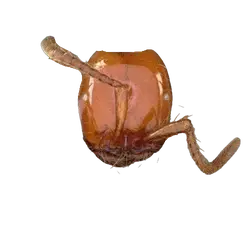
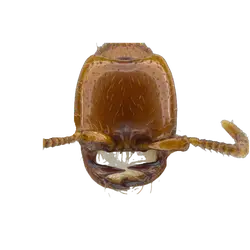
Neoponera carinulata - "Carinulated Neoponera"
Neoponera carinulata is a fascinating Neotropical ant species, part of the diverse Ponerinae subfamily. These ants are known for their slender build and active foraging habits. Workers are typically dark reddish with reddish-brown mandibles and appendages, reaching a total length of up to 7 mm. They are commonly found swiftly moving on tree trunks in their natural habitat. A distinctive feature to help identify them from similar species is the petiole, which has its highest point approximately in the middle. The workers have prominent arolia, which are pad-like structures on their feet that aid in climbing.
- Difficulty: Medium
- Origin & Habitat: Neotropical region, including Belize, Bolivia, Brazil, Colombia, Costa Rica, Ecuador, French Guiana, Guatemala, Guyana, Honduras, Mexico, Panama, and Peru. in Mature rainforests from sea level to 1300 m. They are common arboreal ants, foraging in the canopy, and nesting opportunistically in small cavities like under epiphytes, in deadwood pieces, or hollow stems. They can also be found in disturbed habitats like cocoa plantations and on mountain pine ridges..
- Colony Type: Monogyne, claustral founding.
- Size & Growth:
- Queen: up to 8.0mm
- Worker: up to 7.0mm
- Colony: Small (typically fewer than 200 workers). Slow growth.
- Antkeeping:
- Temperature: Maintain temperatures between 24-28°C for optimal activity and brood development. Temperatures consistent with their tropical origin are crucial..
- Humidity: High humidity, around 70-90%, is essential, mimicking their rainforest environment. Providing a consistent moisture gradient in the nest is highly beneficial..
- Diapause: Not required. Not specified at Not specified.
- Nesting: These ants are arboreal in nature and prefer nesting in small cavities. For captivity, setups mimicking natural arboreal nests like vertical acrylic nests with cork inserts, or natural wood setups with pre-drilled cavities are ideal. They can also utilize rotten wood or specialized arboreal formicariums. They prefer stable microclimatic conditions provided by their nests..
- Behavior: Medium (towards handler if provoked, generalist predator) aggressiveness.
- Common Issues: Humidity fluctuations, Lack of suitable nesting cavities, Improper diet leading to malnutrition, Stress from frequent disturbance.
Keeping Neoponera carinulata can be a rewarding experience, but they do require specific attention to mimic their natural arboreal habitat. Their preference for nesting in small, natural cavities means that standard horizontal setups might not be ideal. Consider vertical formicariums with cork or wood inserts that offer varying cavity sizes and good moisture retention. Maintaining a high, stable humidity within the nest is paramount to their well-being, as these ants thrive in the moist conditions of rainforests. Regular misting of the outworld or providing a consistent water source in the nest setup can help achieve this.
One unique aspect of Neoponera carinulata is their foraging behavior. They are quick and agile workers, often seen swiftly navigating tree trunks in the wild. This suggests they appreciate a well-structured outworld with climbing opportunities such as branches, cork bark, or other naturalistic elements. While they are predators, a diverse diet including various insects and a source of sugars will ensure their nutritional needs are met. Observing their foraging strategies in a naturalistic outworld can be incredibly engaging for any antkeeper.
Be mindful that Neoponera species are known to sting, and the sting of Neoponera carinulata is reported to be painful. While generally not aggressive towards handlers if undisturbed, caution should always be exercised during maintenance and feeding. Using long tweezers or gloves can help minimize direct contact. It's always a good practice to handle your colony with respect and minimize disturbances to avoid any defensive responses.
Colony growth for Neoponera carinulata is typically slow, and wild colonies are often small, usually with fewer than 200 workers. This means patience is key when keeping this species. Don't expect rapid population explosions like with some common garden ants. Focus on providing stable conditions and a consistent food supply to encourage steady, healthy development. Monitoring brood development and worker numbers without causing stress will be important for their long-term success in captivity.
Frequently Asked Questions
What kind of nest is best for Neoponera carinulata?
For Neoponera carinulata, you’ll want to mimic their natural arboreal nesting sites. Think vertical setups like cork nests or acrylic formicariums with integrated cork or wood inserts. They thrive in small, cozy cavities, so make sure your chosen formicarium provides these types of spaces. Maintaining high humidity within the nest is also key for these rainforest dwellers.
Do Neoponera carinulata sting?
Yes, Neoponera carinulata workers are known to sting, and their sting is reported to be quite painful. It's always wise to exercise caution when interacting with their setup, perhaps using long tools to avoid direct contact, just as you would with any ant species that can deliver a potent sting.
What do Neoponera carinulata eat?
These ants are generalist predators in the wild, so their diet should primarily consist of various insects. Offer them a range of feeder insects like crickets, roaches, and mealworms. Don't forget to provide a sugar source, such as sugar water or honey, as they also consume these in nature. A varied diet keeps your colony healthy and happy.
How big do Neoponera carinulata colonies get?
Neoponera carinulata colonies are on the smaller side compared to many other ant species. In the wild, they typically have fewer than 200 workers. So, if you're picturing a massive ant city, you'll need to adjust your expectations. Their slow growth rate means you'll witness steady, manageable expansion.
Do Neoponera carinulata need a diapause (hibernation)?
No, Neoponera carinulata is a tropical species and does not require a diapause period. They are active year-round in their natural rainforest environment, so you should aim to provide consistent warmth and humidity without a cooling period.
What temperature and humidity do Neoponera carinulata need?
To keep your Neoponera carinulata thriving, aim for temperatures between 24-28°C (75-82°F) and a high humidity level of 70-90%. Consistency in these conditions is vital to replicate their humid rainforest origins and ensure the well-being of the brood.
Are Neoponera carinulata good for beginners?
Neoponera carinulata is generally considered a 'Medium' difficulty species for antkeepers. While not overly aggressive, their specific humidity and nesting requirements, along with their painful sting, make them a better fit for keepers who have some experience with more common species. If you're new to the hobby, it might be a good idea to start with something less demanding.
How fast do Neoponera carinulata grow?
Their growth rate is slow. Don't expect them to boom in numbers overnight. Patience is a virtue with this species, as they will gradually expand their colony over time, provided all their care requirements are consistently met.
What is the queen's role in a Neoponera carinulata colony?
Like many ant species, the queen of Neoponera carinulata is the primary egg-layer, responsible for the colony's reproduction. These colonies are typically monogyne, meaning they have a single queen. Her well-being and consistent egg-laying are crucial for the colony's growth and health.
How big are the workers of Neoponera carinulata?
Neoponera carinulata workers are relatively small, reaching a total length of up to 7 mm. They are slender and agile, often seen moving quickly, especially when foraging. Their size contributes to their ability to navigate complex arboreal environments.