

Myrmelachista lauropacifica
- Scientific Name
- Myrmelachista lauropacifica
- Tribe
- Myrmelachistini
- Subfamily
- Formicinae
- Author
- Longino, 2006
- Distribution
- Found in 1 countries
Myrmelachista lauropacifica Overview
Myrmelachista lauropacifica is an ant species of the genus Myrmelachista. It is primarily documented in 1 countries , including Costa Rica. Detailed taxonomic data and occurrence records can be further explored via authoritative databases such as AntWeb or the Global Biodiversity Information Facility (GBIF).
Myrmelachista lauropacifica
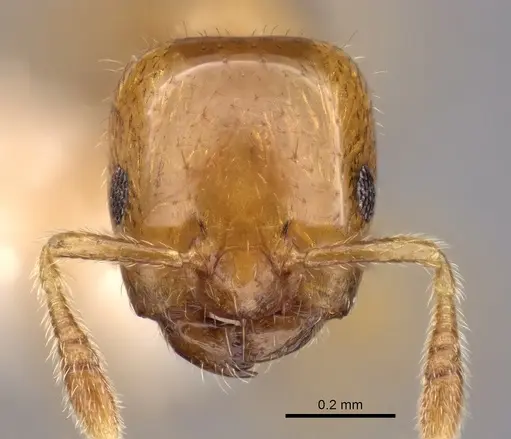
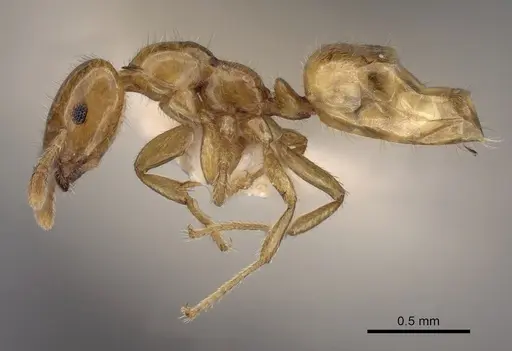
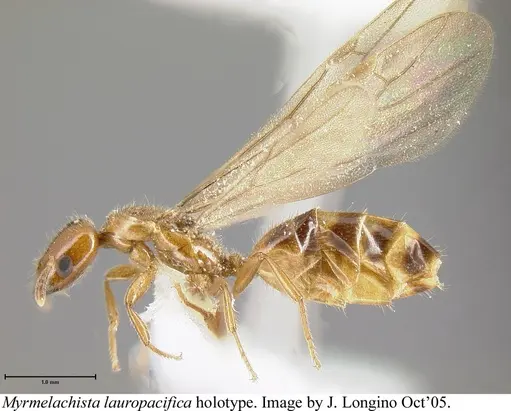
Myrmelachista lauropacifica is a tiny arboreal ant species native to the southern Pacific lowlands of Costa Rica. Workers are a distinctive yellow color, measuring just 0.47-0.60mm in head length, making them one of the smaller ant species you'll encounter. Queens are larger at 0.90-0.97mm head length and have an orange-colored head. This species is a plant specialist, it is an obligate inhabitant of understory plants in the Lauraceae family, particularly nesting in the live stems of Ocotea species [1]. In the wild, these ants occupy entire host plants and patrol new growth surfaces, often tending to hemipteran partners like coccids and pseudococcids that live in specialized xylem pockets within the plant stems [2]. This is a highly specialized species that is not commonly kept in captivity due to its specific ecological requirements.
Quick Summary
- Difficulty: Expert
- Origin & Habitat: Costa Rica southern Pacific lowlands, mature wet forest understory [1]. This species is found exclusively in small understory plants in the Lauraceae family, particularly Ocotea cf. atirrensis and O. Nicaraguensis [1].
- Colony Type: Colony structure is not well documented in scientific literature. As a specialist plant-dwelling species, colonies likely consist of a single queen with the colony occupying the hollow stems of their host plant. Colony-founding queens restrict their searching to particular host plants [2].
- Colony: Monogyne
- Founding: Claustral
- Size & Growth:
- Queen: 0.90-0.97mm head length (approximately 7-8mm total) [1]
- Worker: 0.47-0.60mm head length (approximately 2-3mm total) [1]
- Colony: Unknown, likely small colonies given their occupation of individual plant stems [2]
- Growth: Unknown, no captive breeding data available
- Development: Unknown, no development data available for this species (Development timeline has not been studied. Related Myrmelachista species in the genus typically develop in 4-8 weeks at tropical temperatures, but this is an estimate with low confidence.)
- Antkeeping:
- Temperature: Keep at warm tropical temperatures around 24-28°C. This species is from the warm southern Pacific lowlands of Costa Rica, so they need consistently warm conditions similar to their natural wet forest habitat [1]. Use a heating cable on one side of the nest to create a gentle gradient if room temperature is below this range.
- Humidity: High humidity is essential, these ants live inside plant stems in a wet forest environment. Keep the nest substrate consistently moist but not waterlogged. The humidity should mimic the damp understory conditions of their native habitat. Mist the outworld regularly and ensure water availability.
- Diapause: No, this is a tropical species from Costa Rica that does not experience cold winters. They do not require a hibernation period or diapause [1]. Keep them at consistent tropical temperatures year-round.
- Nesting: This is the most challenging aspect of keeping this species. In nature, they nest exclusively inside the living stems of Lauraceae plants (particularly Ocotea species). In captivity, you would need to provide a naturalistic setup with suitable plant stems or use a custom acrylic/plaster nest with narrow chambers that mimic hollow stem conditions. This species is arboreal and needs vertical space for patrolling. Standard test tubes are NOT suitable, they need stem-like nesting structures.
- Behavior: These are docile, non-aggressive ants that spend their time tending to their host plant and farming hemipteran partners. Workers are very small and may be overlooked by keepers. They are not known to sting and pose no danger to humans. Their escape risk is high due to their tiny size, they can squeeze through extremely small gaps. They are arboreal and will patrol the upper portions of their enclosure. They are specialists that rely on their host plants, so they may be stressed in artificial setups without suitable plant material.
- Common Issues: specialized habitat requirements make captive care extremely difficult, they need living plant stems or artificial stem mimics, tiny size means escape prevention must be excellent, use fine mesh and tight-fitting barriers, no captive breeding data exists, this species is not established in the antkeeping hobby, stress from artificial housing may cause colony decline, they are highly specialized to their plant hosts, obtaining this species is difficult as it is not commonly collected or traded
Natural History and Host Plant Relationship
Myrmelachista lauropacifica is one of the most specialized ant species in Costa Rica. Unlike most ants that nest in soil or rotting wood, this species is an obligate inhabitant of understory plants in the Lauraceae family, particularly Ocotea species. The ants occupy the hollow stems of their host plants, creating colonies that inhabit the entire plant. In the wild, researchers found that small plants in the forest understory all contained M. lauropacifica, while larger plants in more insolated areas along stream edges contained different ant species like Azteca pittieri and Pseudomyrmex viduus [1]. This strict specialization means the ants have evolved alongside their host plants and likely cannot survive without them. The host plants themselves are treelets that rarely grow more than 4 meters tall, with thin cortical layers and soft pith that makes them suitable for ant habitation [2]. The ants also maintain a mutualistic relationship with hemipteran partners (coccids and pseudococcids) which they house in unique xylem pockets extending from the nest lumen to the plant cambium [2].
Housing and Nesting Challenges
This is the most critical and difficult aspect of keeping Myrmelachista lauropacifica. In captivity, you would need to replicate their natural stem-dwelling habitat as closely as possible. The ideal setup would include living or recently-cut stems from Lauraceae plants (like Ocotea or Mespilodaphne) that have hollow interiors. These stems should be vertical to allow the ants to patrol upward, similar to their behavior on host plants. Alternatively, you could create a custom acrylic or plaster nest with narrow, vertical chambers that mimic hollow stem conditions. Standard test tubes and basic formicaria are NOT suitable for this species. The nesting structure should have multiple chambers connected by narrow passages, allowing the colony to tend to their hemipteran partners. Some keepers have experimented with bamboo sections or artificial stem setups, but success with this specialized species is unreported. The outworld should include live plant material or artificial plants that the ants can patrol. [1][2]
Temperature and Humidity Requirements
As a tropical species from the Costa Rican Pacific lowlands, Myrmelachista lauropacifica requires warm and humid conditions year-round. Maintain temperatures between 24-28°C, which mimics the stable warm conditions of the wet forest understory. A slight temperature gradient is beneficial, with the nest area being slightly warmer. Use a low-wattage heating cable placed on top of the nest (never underneath, as this can cause drying). Humidity should be high, think damp forest floor conditions. The nest substrate should remain consistently moist but never waterlogged. Regular misting of the outworld helps maintain humidity. Ensure adequate ventilation to prevent mold while maintaining these humid conditions. This species does not tolerate temperatures below 20°C or dry conditions. Do not attempt to hibernate or cool this species. [1]
Feeding and Diet
In the wild, these ants primarily tend to hemipteran partners (coccids and pseudococcids) inside their host plant stems, harvesting the honeydew these insects produce [2]. This is their primary food source. In captivity, you would need to establish a similar mutualistic relationship by providing suitable scale insects or mealybugs for them to tend. Additionally, you can offer sugar water or honey water in small amounts, though acceptance is uncertain. They may also consume small insects, but their predatory behavior is not well documented. The key to success with this species is establishing the hemipteran farming relationship, without their honeydew source, they are unlikely to thrive. Do not overfeed, as excess food can attract pests and cause mold in the humid setup they require.
Why This Species Is Not Recommended for Most Keepers
Myrmelachista lauropacifica is one of the most challenging ant species to keep in captivity and is not recommended for beginners or even most experienced antkeepers. The primary reason is their extreme specialization, they are obligate inhabitants of specific plant species and have co-evolved with their hosts in ways that make artificial replication extremely difficult. There is no established captive breeding history for this species, and they are not commonly available in the antkeeping hobby. Obtaining wild-caught colonies would require collection from protected areas in Costa Rica and would be ethically questionable. Even if you obtained a colony, the likelihood of success in artificial housing is extremely low. If you are interested in keeping arboreal ants, consider more established species like certain Camponotus or Crematogaster species that have documented captive care requirements. If you specifically want to keep plant-dwelling ants, look for species that have been successfully kept in naturalistic vivariums with suitable host plants. [1][2]
Frequently Asked Questions
Can I keep Myrmelachista lauropacifica in a test tube?
No, test tubes are completely unsuitable for this species. Myrmelachista lauropacifica is an obligate plant-stem dweller that needs vertical, stem-like nesting structures. They cannot survive in standard test tube setups.
What do Myrmelachista lauropacifica ants eat?
Their primary diet in the wild is honeydew from hemipteran partners (coccids and pseudococcids) that they farm inside their host plant stems. In captivity, you would need to establish a similar relationship with scale insects. They may also accept sugar water and small insects, but this is unconfirmed.
Are Myrmelachista lauropacifica ants good for beginners?
No, this species is not suitable for beginners. It is considered an expert-level species due to its extremely specialized habitat requirements, lack of captive breeding data, and the difficulty of replicating its natural plant-stem dwelling environment.
Do Myrmelachista lauropacifica ants need hibernation?
No, this is a tropical species from Costa Rica that does not require hibernation or diapause. Keep them at consistent warm tropical temperatures (24-28°C) year-round.
How big do Myrmelachista lauropacifica colonies get?
The maximum colony size is unknown, but based on their natural history of occupying individual plant stems, colonies are likely relatively small, probably under 100 workers. They occupy the entire host plant as their colony space.
Where does Myrmelachista lauropacifica live in the wild?
This species is found only in Costa Rica's southern Pacific lowlands, specifically in mature wet forests in Corcovado National Park and Carara Biological Reserve. They are obligate inhabitants of understory plants in the Lauraceae family, particularly Ocotea species.
Can I keep multiple queens together?
The colony structure of this species is not well documented. While some Myrmelachista species may have multiple queens, there is no data on whether M. lauropacifica can form multi-queen colonies. Given their specialized ecology, combining unrelated queens is not recommended and has not been studied.
What is the best nest type for Myrmelachista lauropacifica?
The ideal nest would replicate their natural stem-dwelling habitat. This means vertical structures with narrow chambers that mimic hollow plant stems. Custom acrylic nests with vertical passages or setups using actual plant stems from Lauraceae species would be most appropriate. Standard formicaria are not suitable.
Why are these ants so hard to keep?
Myrmelachista lauropacifica is a highly specialized species that has co-evolved with specific host plants in the Lauraceae family. They are obligate plant-stem dwellers that cannot survive without their host plants. They farm hemipteran partners for food, need high humidity, warm tropical temperatures, and vertical spaces for patrolling. There is no captive breeding history or established care protocols for this species.
How long does it take for eggs to develop into workers?
The development timeline for this species is unknown and has not been studied. Related Myrmelachista species in tropical environments typically develop from egg to worker in 4-8 weeks, but this is a rough estimate with low confidence for M. lauropacifica specifically.
Is Myrmelachista lauropacifica invasive anywhere?
This species is endemic to Costa Rica and has not been documented as invasive. Its distribution is limited to the southern Pacific lowlands of Costa Rica where it is specialized to local understory plants.
References

This caresheet is licensed under CC BY-SA 4.0 .
CASENT0280545
View on AntWeb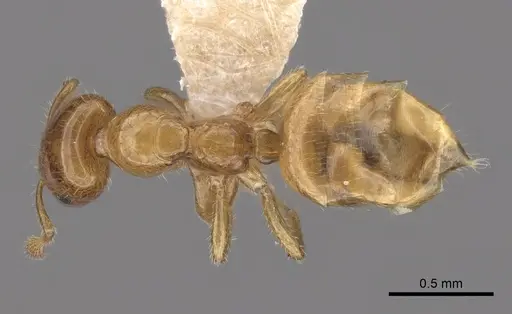
CASENT0650950
View on AntWeb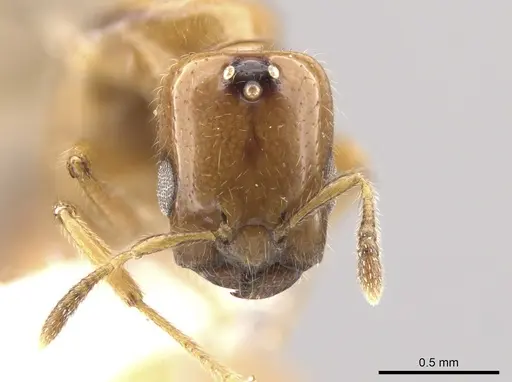
CASENT0650952
View on AntWeb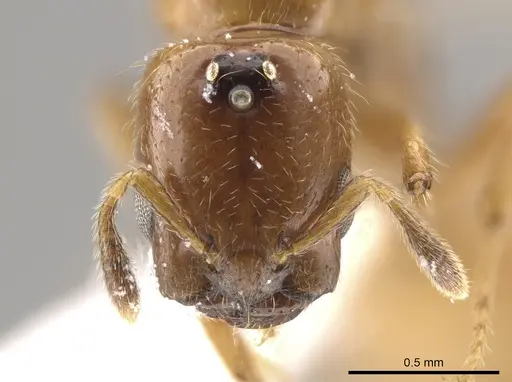
JTLC000002708
View on AntWeb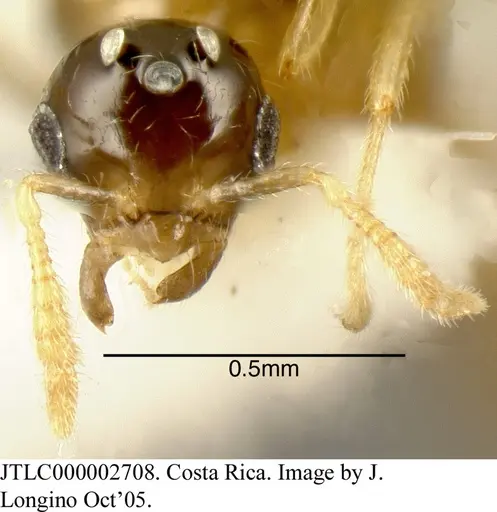
JTLC000002715
View on AntWeb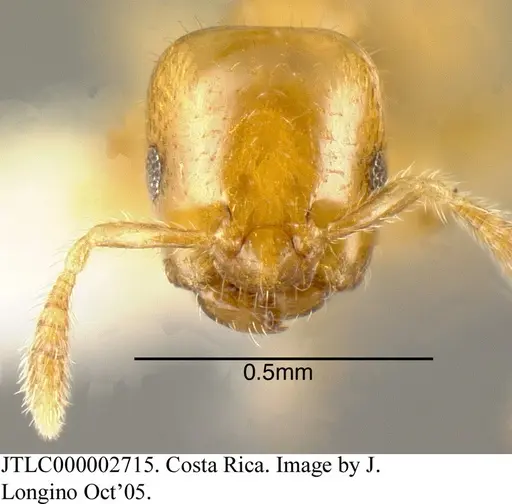
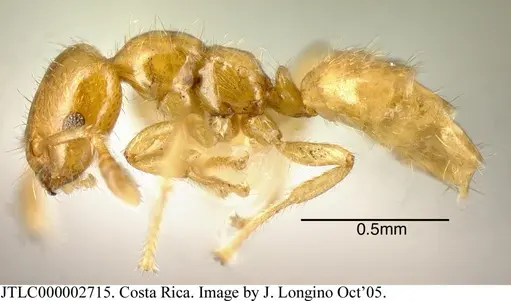
JTLC000006213
View on AntWeb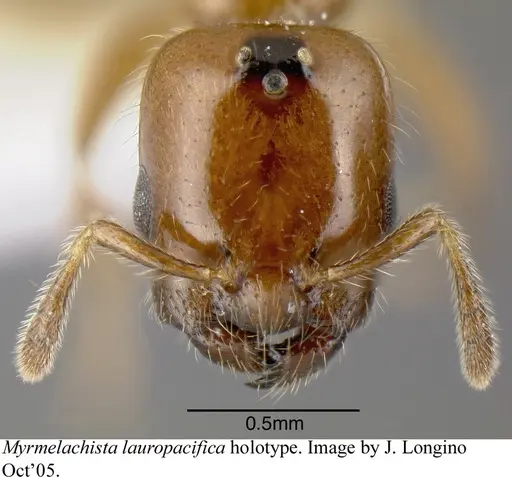
Literature
Loading...Loading products...